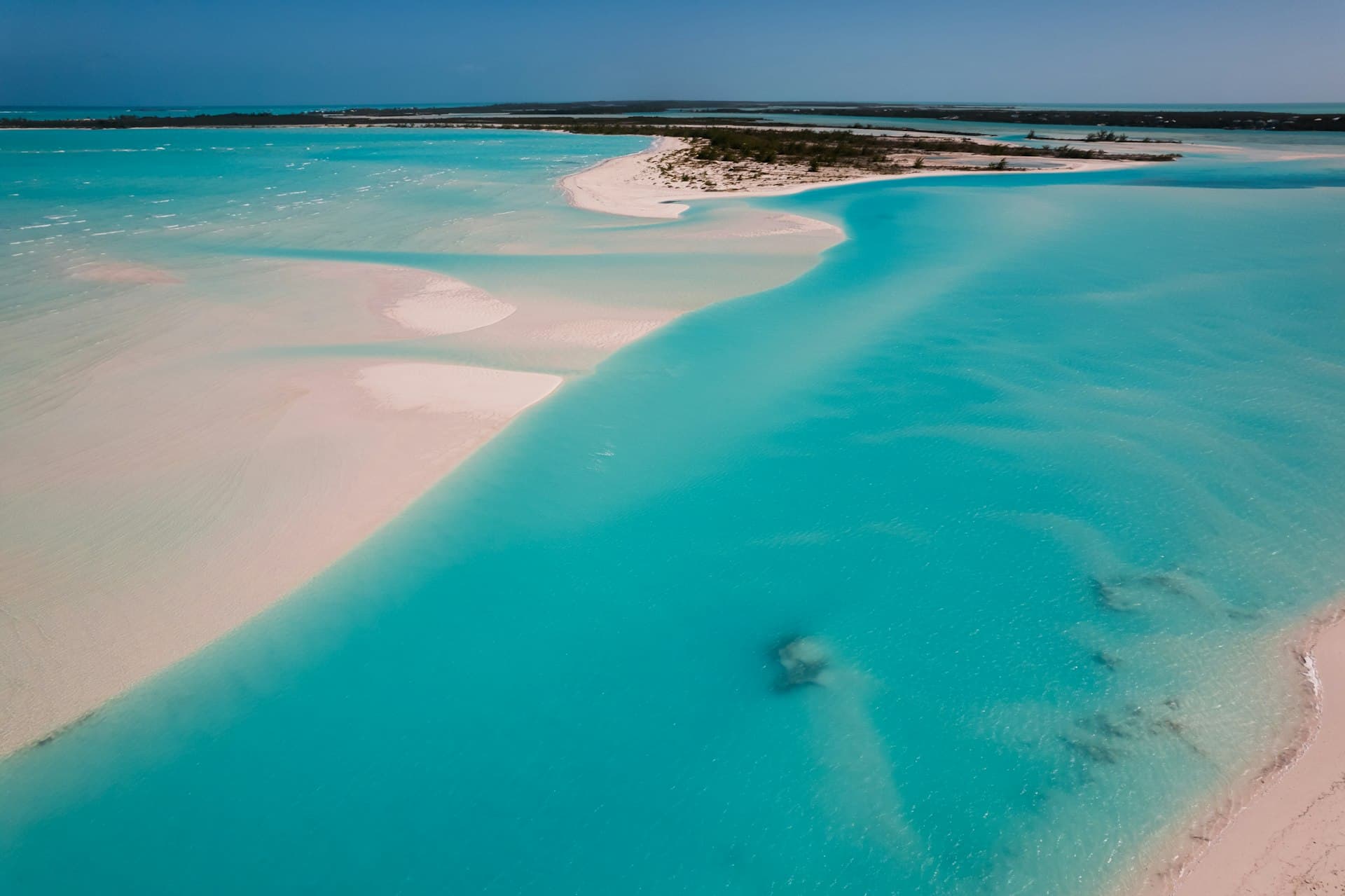
A comprehensive exploration of the central Bahamas, combining the urban facilities and rich history of Nassau with the pristine waters and wildlife encounters of the Exuma Cays. This 250-nm, 10-day itinerary departs from Nassau (New Providence), ventures south through the northern cays (Rose Island, Allen's Cay, Shroud Cay), reaches the famous attractions of Staniel Cay and Warderick Wells in the Exuma Cays Land and Sea Park, continues south to the quiet settlement of Georgetown in Great Exuma, and returns northbound through the protected park and back to Nassau. The circuit offers exceptional variety — urban provisioning, wildlife encounters, pristine snorkeling, and authentic out-island culture — making it suitable for sailors of all levels and crew compositions.
Your VoyageNassau (Paradise Island) to Rose Island
Eighteen nautical miles southeast from Nassau (Paradise Island area) to Rose Island. Nassau is the capital of the Bahamas and the primary charter hub, offering full provisioning, international airport access, customs facilities, and all modern services. Rose Island is a short sail from Nassau, making it an ideal first day to acclimatize to the boat and sailing rhythm. Rose Island is largely undeveloped, with pristine beaches, coral reefs for snorkeling, and protected anchorages. A shallow wreck (USS Anemone) sits in clear water suitable for snorkeling or light diving. The anchorage provides a transition from urban Nassau to out-island character.
Rose Island to Allen's Cay
Twelve nautical miles south to Allen's Cay, a small rocky islet famous for Bahamian rock iguanas. These endemic reptiles, found nowhere else in the world, have become habituated to human presence and allow photography and observation from a safe distance. Feeding is permitted but regulated — local guides manage interaction protocols. The anchorage is sheltered with good holding in sand and mud. Allen's Cay is the northern gateway to the Exuma Cays proper and marks the beginning of the famous cay chain.
Allen's Cay to Shroud Cay
Fifteen nautical miles south to Shroud Cay, a small island with distinctive tidal creek systems. Shroud Cay features excellent snorkeling and diving around the island's perimeter. The cay is uninhabited and offers a quiet anchorage with pristine water clarity. The tidal creek through the island's center creates strong flows and is navigable only at slack water in a small dinghy. Snorkeling and reef exploration are primary daytime activities. The anchorage is well-protected and typically uncrowded compared to more famous cays to the south.
Shroud Cay to Staniel Cay
Eighteen nautical miles to Staniel Cay, entering the northern boundary of the Exuma Cays Land and Sea Park. Staniel Cay Yacht Club is a functioning marina offering fuel, fresh water, provisions, and restaurant services. This is the northernmost commercial facility in the cays chain and a critical provisioning stop. Pig Beach (located on nearby Compass Cay) features a population of feral pigs that swim and interact with visitors — a unique and famous wildlife encounter. Thunderball Grotto is a large sea cave (visible from the boat) accessible by dinghy, featuring freshwater springs, stalactites, and excellent snorkeling within the cave system.
Staniel Cay to Georgetown, Great Exuma
Seventy nautical miles south to Georgetown, the administrative center of Great Exuma and the most significant settlement in the southern cays. This is the longest passage of the itinerary, typically 10–12 hours depending on wind and sea state. Georgetown offers provisioning at basic levels (local markets, small shops), a functioning customs station, and authentic out-island atmosphere. The settlement has limited tourism infrastructure compared to Nassau or Staniel Cay, making it a more authentic Bahamian experience. Surrounding anchorages include Kidd Cove, Rolle Town, and nearby reefs.
Georgetown to Little Exuma
Twelve nautical miles northeast to Little Exuma, a small island off Great Exuma's southeastern coast. Little Exuma is even less developed than Great Exuma, with minimal permanent settlement and excellent natural anchorages. The island's principal anchorage is off the western shore. Snorkeling and fishing opportunities are exceptional. The landscape is low-lying and scrubby, with pristine beaches. Little Exuma is ideal for sailors seeking solitude and untouched natural environment. This day is often spent diving, snorkeling, or exploring the island on foot.
Little Exuma to Warderick Wells
Fifty nautical miles north to Warderick Wells, the northernmost island of the Exuma Cays Land and Sea Park. Warderick Wells has a small ranger station, visitor facilities, and mandatory mooring buoys. The park encompasses 176 square nautical miles and protects pristine coral reefs, mangrove systems, and marine wildlife. Mooring is mandatory (no anchoring). Park fees are modest and support conservation. The anchorages are exceptional — crystal-clear water, colorful reefs, abundant fish, and ideal for snorkeling and diving. Multiple mooring fields accommodate numerous visiting yachts.
Warderick Wells to Norman's Cay
Eight nautical miles to Norman's Cay, within the protected park. Norman's Cay features pristine reefs, an accessible shipwreck (P.M. Reef), and sandy beaches. Mooring buoys are available. The cay is ideal for additional snorkeling, diving, and exploration. Minimal commercial activity and park protection ensure excellent environmental conditions. The short passage allows time for multiple dives or extensive snorkeling.
Norman's Cay to Rose Island
Thirty-five nautical miles north toward Rose Island, retracing the northern cays on the return passage. This northbound route allows viewing of familiar islands from a different perspective and may include stops at Shroud Cay or Allen's Cay for a final snorkeling session. The passage is straightforward and typically completed in 5–6 hours depending on wind. Arrival at Rose Island positions the boat for the final day's return to Nassau.
Rose Island to Nassau
Twenty nautical miles northwest back to Nassau, completing the 10-day circuit. Early morning departure is recommended to ensure daylight arrival at Nassau or Paradise Island Marina. The passage retraces the opening day in reverse, returning to the urban hub. Final disembarkation, provisioning, and marina departure logistics occur in Nassau.
Season
November through May is ideal — trade winds are steady (12–18 knots northeast), visibility is exceptional, seas are moderate, and hurricane risk is minimal. June through October is Atlantic hurricane season; not recommended.
Wind conditions
Consistent northeast trade winds prevail. Most passages are downwind or broad reach on southbound legs; northbound return passages may require closer hauled sailing depending on wind direction shifts. The shallow Exuma Cays amplify wind effects, creating chop in strong winds.
Protected area regulations
The Exuma Cays Land and Sea Park occupies the central portion of the route (Days 4–8). Mooring buoys are mandatory — no anchoring. Park entry fees apply (daily or weekly passes). Fishing, spearfishing, and commercial activity are prohibited. Rangers patrol and enforce regulations — violations result in substantial fines.
Provisioning
Nassau (Days 1, 10) has full provisioning. Staniel Cay (Day 4) offers fuel, water, and limited provisions. Georgetown (Day 5–6) has basic supplies but is limited compared to Nassau. Plan food purchases in Nassau for the full charter, supplemented by Staniel Cay resupply as needed.
Customs & immigration
The Bahamas is a sovereign nation. US citizens require passports. Customs entry is typically at Nassau or Staniel Cay. Immigration and customs procedures are straightforward; charter companies handle formalities.
Snorkeling and diving
Snorkeling is exceptional throughout the itinerary. SCUBA diving requires certification. Visibility typically exceeds 60–80 feet. Reefs are healthy, and encounters with tropical fish, rays, and reef sharks are common. Dive shops operate in Nassau; some cays have informal guides.
Navigation
The Exuma Cays are well-charted and straightforward to navigate. The northern cays are well-marked; southern passages toward Georgetown require careful chart work and GPS. Coral heads and shallow reefs are visible in clear water but require daylight navigation. A good depth sounder is essential.
Anchorages
Most anchorages have excellent holding in sand and marl. Within the Exuma Cays Land and Sea Park, mooring buoys are provided and mandatory. Outside the park, natural holding is generally reliable. Always verify depth, holding, and local regulations before committing to anchor.
Wildlife encounters
Swimming pigs and nurse sharks are managed experiences. Current Bahamian protocols may limit interaction — verify regulations and authorized guides. Rock iguana feeding at Allen's Cay is guided and regulated. Respect all wildlife and follow local guidance.
This itinerary is a suggestion.
Your captain will adapt the route based on weather, wind conditions, your preferences, and current Bahamas regulations. Verify mooring availability in the Exuma Cays Land and Sea Park, park entry procedures, and any seasonal closures before departure.
| Day | From | To | NM | |
|---|---|---|---|---|
| 1 | Nassau (Paradise Island) | → | Rose Island | 18 |
| 2 | Rose Island | → | Allen's Cay | 12 |
| 3 | Allen's Cay | → | Shroud Cay | 15 |
| 4 | Shroud Cay | → | Staniel Cay | 18 |
| 5 | Staniel Cay | → | Georgetown, Great Exuma | 70 |
| 6 | Georgetown | → | Little Exuma | 12 |
| 7 | Little Exuma | → | Warderick Wells | 50 |
| 8 | Warderick Wells | → | Norman's Cay | 8 |
| 9 | Norman's Cay | → | Rose Island | 35 |
| 10 | Rose Island | → | Nassau | 20 |
| Total | 250 | |||