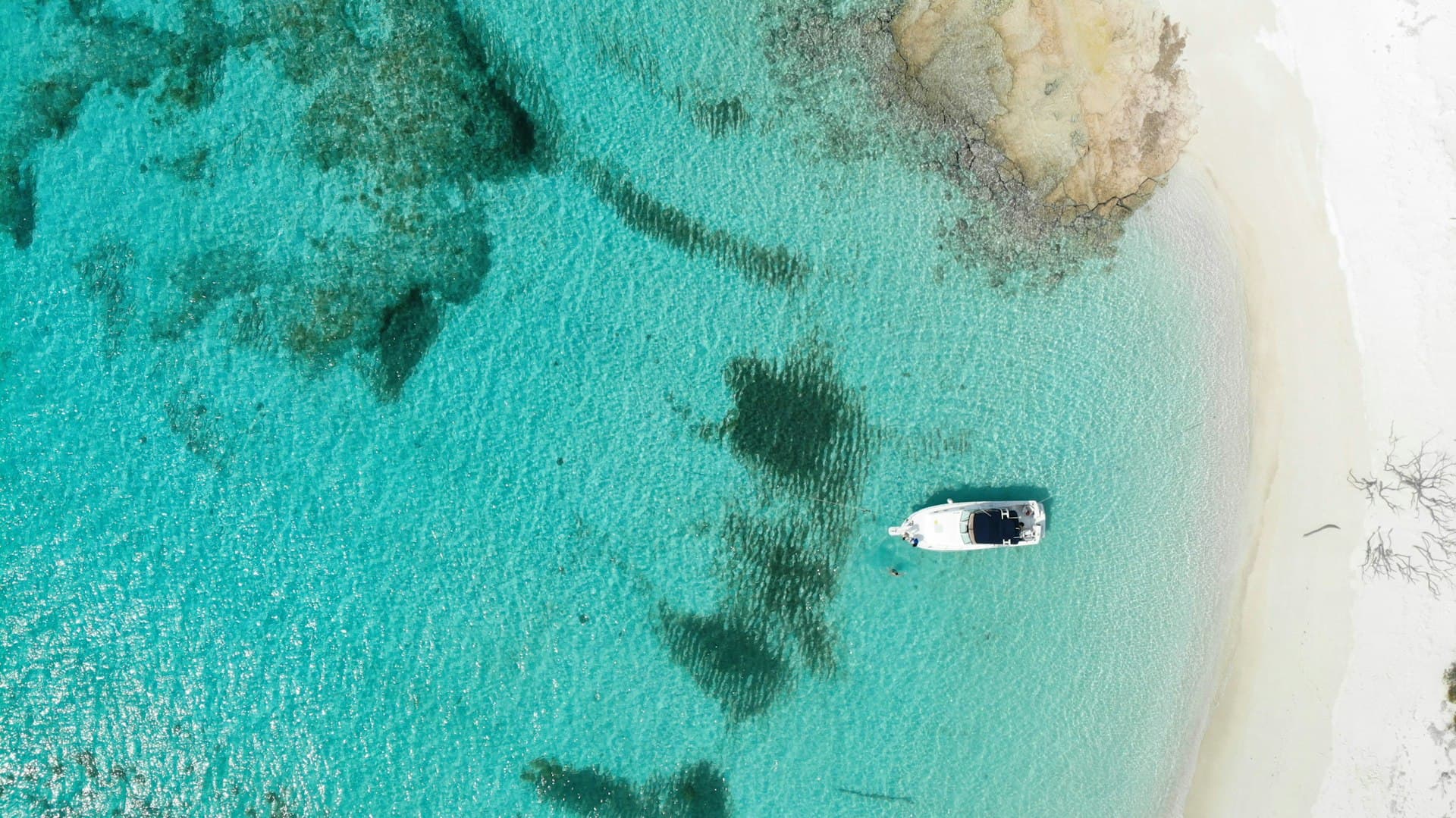
The Windward Islands passage is one of the Caribbean's most rewarding downwind passages. This 350-nautical-mile, one-way route threads through the Lesser Antilles, linking Antigua to Barbados via Barbuda, Montserrat, Guadeloupe, Dominica, Martinique, and St. Lucia. The voyage is defined by consistent trade winds, dramatic volcanic scenery, French and British Caribbean culture, and anchorages ranging from pristine beaches to protected bays. The passage is known for its sailing conditions — typically downwind with regular 15–20-knot trade winds — and for the extraordinary diversity of the islands traversed.
Your VoyageAntigua to Barbuda
Depart Antigua from Nelson's Dockyard National Park, a UNESCO site and the historic British naval anchorage where Admiral Nelson was stationed. The dockyard itself is now a museum and working marina; the Georgian-era buildings are beautifully preserved. Antigua's claim to fame — "365 beaches, one for each day of the year" — is nearly accurate; the island is ringed with sandy anchorages and turquoise waters. A 25-nm sail north brings you to Barbuda, one of the Caribbean's most pristine islands. Barbuda is a flatlands island, sparsely populated and largely undeveloped. The anchorages are superb; Cocoa Point and the Pink Beach (named for its rare coral-pink sand) are iconic. The Frigate Bird Sanctuary is a major breeding site; boat tours allow close approach to nesting colonies. Barbuda has minimal infrastructure (a handful of small restaurants and guesthouses) but exceptional character — genuine Caribbean quiet.
Barbuda to Montserrat
A 30-nm passage south to Montserrat, an island of extraordinary geological drama. The Soufrière Hills volcano is active, with periodic eruptions and ongoing volcanic activity. The northern part of the island is in an exclusion zone (off-limits to visitors); the southern part is open. The active volcano creates a backdrop of smoking peaks and steaming ridges. The southern anchorages are safe, though air quality can be affected by volcanic gases. The island is sparsely populated following the volcanic eruptions of the late 1990s; tourism is minimal. The landscape is surreal — villages and farmland in the north buried by pyroclastic flows, the southern part rebuilt and developing carefully. For volcanology enthusiasts, Montserrat is unforgettable. For others, it can feel eerie. The island's character is one of resilience and regrowth; local hospitality is warm. A shorter passage option: anchor at Little Bay (south side) and explore the partially buried capital, Plymouth, by dinghy.
Montserrat to Guadeloupe (Deshaies)
A 35-nm passage south-southwest to Guadeloupe, the most developed island in this route and a French territory. Deshaies, on the north coast, is a small village with a crescent beach and waterfront restaurants specializing in French Caribbean fare. The village is relaxed and authentic; the waterfront is lined with fishing boats and colourful wooden houses. Inland, Guadeloupe is known for rum production; several distilleries offer tours. The interior is mountainous and covered with lush banana plantations. The island's culture is distinctly French — the cuisine, architecture, and language are French rather than English-Caribbean. The contrast with the previous islands is stark. Local restaurants serve exceptional creole food (accras, boudin, colombo). This is a good overnight for provisioning (supermarkets are excellent) and experiencing French Caribbean culture.
Guadeloupe to Dominica
A 45-nm passage south to Dominica, one of the Caribbean's most dramatic islands. Dominica is the world's youngest island, still in active geological formation. The landscape is mountainous, forested, and volcanic. The primary features are boiling lakes, waterfalls, and pristine nature reserves. Dominica has minimal beach tourism; the island is focused on eco-tourism and adventure. Anchorages are challenging — many are exposed and have poor holding. The primary port, Rosalie Bay, is an exposed black-sand beach anchorage suitable only in calm conditions. Alternative anchorages include Prince Rupert's Bay (northwest coast) or the more protected anchorages used by local fishermen. Ashore, Dominica's interior is inaccessible without serious hiking; the culture is raw, authentic, and genuinely Caribbean. Dominica is not a place for swimmers or beach loungers — it is for those drawn to wild nature and adventure.
Dominica to Martinique
A 40-nm passage south brings you to Martinique, the largest and most developed of these islands. Fort de France, the capital, is a busy port city with colonial architecture, good provisioning, and comprehensive marina facilities. The island is steeped in French colonial history; Napoleon's Josephine was born here. Inland, Mount Pelée dominates the northern skyline — a 1,397-m volcano that catastrophically erupted in 1902, destroying the then-capital of Saint-Pierre and killing 29,000 people. The volcano is dormant but visually commanding. The island's culture is entirely French; the cuisine, architecture, and daily life reflect French Caribbean colonial tradition. Excellent restaurants, rum producers (rhum agricole), and fish markets are throughout the island. Martinique is more developed and touristy than previous stops; the pace is noticeably busier.
Martinique to St. Lucia
A 35-nm passage south to St. Lucia, perhaps the Caribbean's most visually dramatic island. The landmark is the Pitons — twin volcanic peaks rising directly from the sea to 738 m. These UNESCO World Heritage peaks are the iconic image of St. Lucia and one of the Caribbean's most distinctive geological features. Approaches to the island reveal these peaks growing larger; the view from the water is unforgettable. The primary anchorages are at the base of the Pitons (Soufrière) or in the larger Castries Harbour (the capital). Soufrière offers the most dramatic scenery but is exposed; Castries Harbour is more protected but busier. Ashore, the island combines French and British colonial heritage (the island changed hands multiple times); the culture is a blend of English and French Caribbean. Local restaurants, botanical gardens, and sulphur springs (heated by geothermal activity) are attractions. St. Lucia is one of the Caribbean's most beloved destinations.
St. Lucia to Barbados
A longer 85-nm passage southeast to Barbados, the southernmost island in this voyage. The passage typically takes 12–14 hours with good downwind sailing. Barbados is distinct geologically — it is not volcanic but rather a raised coral island. The landscape is flatter, the beaches are endless, and the culture is English-speaking and British-influenced. Bridgetown, the capital, is a busy port city with excellent marinas, provisioning, and facilities. The southern coast (St. James Parish, locally called "Platinum Coast") is lined with resorts and beach clubs; the western coast has quieter anchorages. The island is known for exceptional sea-turtle sightings; swimming with sea turtles in the shallows is a common experience. Barbados has a strong rum culture (Mount Gay and Foursquare distilleries); local mounts are excellent. The island is also known for its perfect-weather anchorages — Barbados sits far enough south and east to be largely outside hurricane paths.
Barbados to —
A final full day in Barbados for exploration and disembarkation. Bridgetown's waterfront is lively; the historic garrison buildings (now a UNESCO site) provide colonial history. The southern coast offers beach clubs, water sports, and excellent restaurants. Many visitors visit Harrison's Cave (an underground waterfall in a limestone cavern — accessible by day tour) or relax on one of the island's 30+ beaches. Barbados is known for its welcoming culture; local seafood restaurants are exceptional. The island's laid-back atmosphere provides a fitting conclusion to the Windward Islands passage.
Season
December through April is peak season — this is the Caribbean's "dry season" and the period of steadiest trade winds. Sailing conditions are near-perfect: 15–20-knot trade winds, calm seas, and excellent visibility. Temperatures are warm but not oppressive; evening cool-downs are common. June–October is hurricane season; passage during this period is not recommended. May and November are shoulder seasons with lighter winds and occasional showers.
One-way logistics
Antigua (V.C. Bird International Airport) and Barbados (Grantley Adams International Airport) have direct connections to North America, Europe, and the Caribbean. Both islands are major charter hubs; arranging crew and positioning is straightforward. One-way charters are standard; return flights for the crew are readily available.
Provisioning
Antigua, Guadeloupe (Deshaies), Martinique, St. Lucia, and Barbados all have supermarkets and fish markets. Dominica and Montserrat have very limited provisioning; stock provisions in Antigua before departure. Fresh produce, local cheeses, rum, and seafood are excellent value throughout. French islands (Guadeloupe, Martinique) have different provisioning (French brands, French wines); prices are higher than English-speaking islands.
Weather & Navigation
The trade winds are steady from the northeast; most passages in this route are downwind or broad-reaching. This is considered one of the Caribbean's easiest sailing passages. However, the southern Lesser Antilles can experience localized squalls; weather monitoring is essential. Navigation is straightforward; detailed charts and GPS are standard.
Customs & Documentation
All islands require passports. Some are French (Guadeloupe, Martinique) and fall under French entry rules; others are independent (Barbados, Dominica, St. Lucia). Montserrat is British. Documentation and cruising permits vary by island; advance research is important. The passage is entirely within the eastern Caribbean without major border crossings.
This itinerary is a suggestion.
Your captain will adapt the route based on weather, sea conditions, and your interests. Alternative stops include the island of Nevis (between Antigua and Montserrat), additional anchorages on Guadeloupe (Deshaies, Pigeon Island), or extended time in St. Lucia. The voyage can be shortened to a 5-day Antigua-to-Martinique route or extended to include additional southern Caribbean islands (Grenada, the Grenadines).
| Day | From | To | NM | |
|---|---|---|---|---|
| 1 | Antigua | → | Barbuda | 25 |
| 2 | Barbuda | → | Montserrat | 30 |
| 3 | Montserrat | → | Guadeloupe (Deshaies) | 35 |
| 4 | Guadeloupe | → | Dominica | 45 |
| 5 | Dominica | → | Martinique | 40 |
| 6 | Martinique | → | St. Lucia | 35 |
| 7 | St. Lucia | → | Barbados | 85 |
| 8 | Barbados | → | — | — |
| Total | 350 | |||