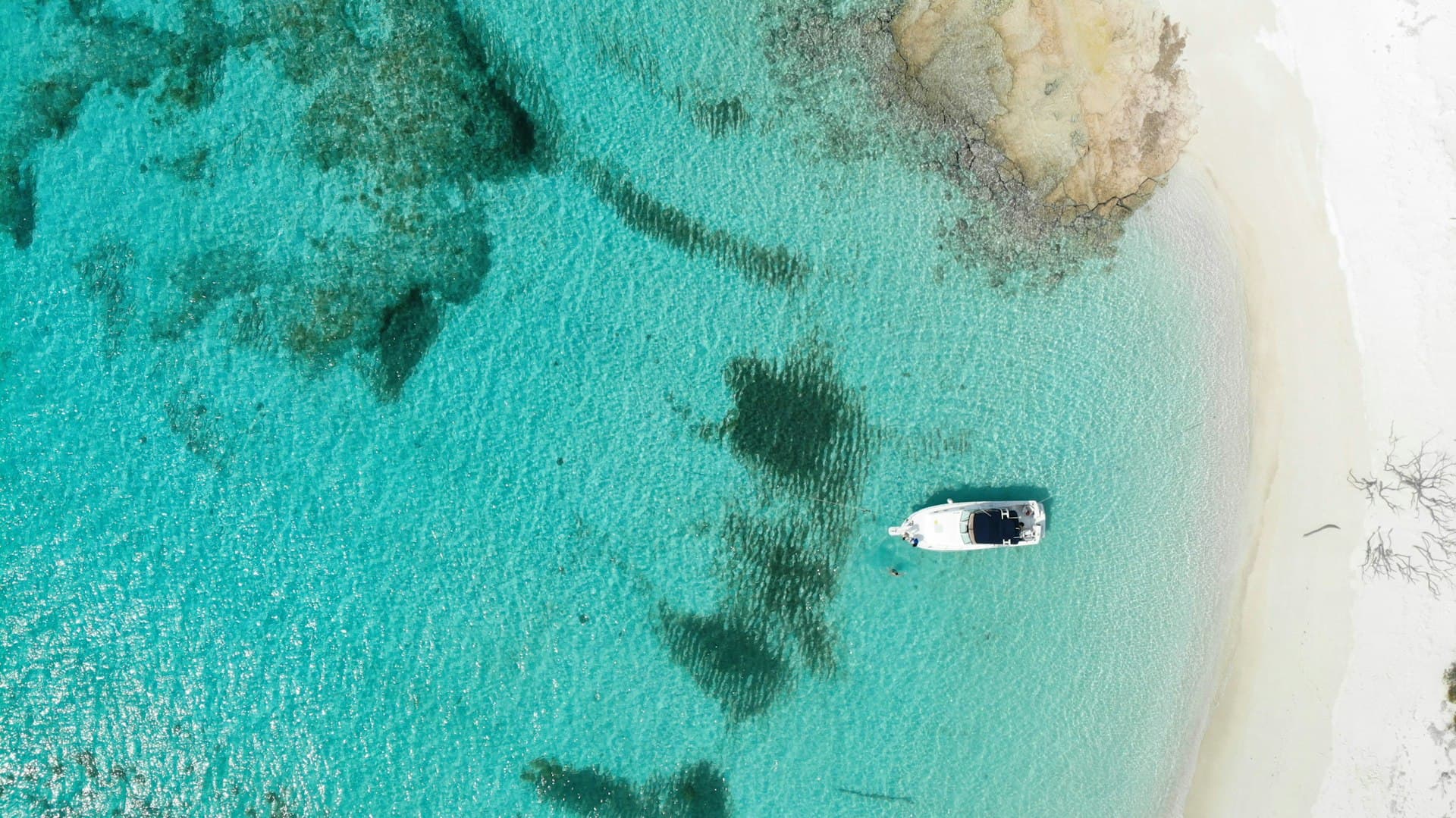
A circumnavigation of the Caribbean's most diverse islands — from the restored naval heritage of Antigua through the dramatic volcanic peaks of Dominica and St. Lucia, down the Grenadines to the spice island of Grenada, and back northward through Martinique and Guadeloupe. This 763-nm route covers ten days of moderate sailing with consistent trade winds, protected anchorages, and some of the Caribbean's richest marine ecosystems. The itinerary is suitable for experienced sailors and offers significant variation between each destination.
Your VoyageAntigua to Montserrat
Thirty-five nautical miles south from Antigua's Nelson's Dockyard to Montserrat. Nelson's Dockyard is one of the few remaining Georgian-era naval dockyards in the world, now a UNESCO site with excellent facilities for modern yachts. Montserrat's Little Bay or Old Road Bay serve as primary anchorages. The island's interior was dramatically reshaped by the Soufrière Hills volcanic eruptions (1995–2010), which buried the former capital of Plymouth. Much of the island remains restricted, but the northern settlements and anchorages remain accessible. The experience offers a unique perspective on natural hazard recovery in the Caribbean.
Montserrat to Dominica
Forty-five nautical miles south-southeast to Dominica. Dominica is one of the Caribbean's most mountainous and pristine islands, with few developed areas and exceptional natural beauty. The capital, Roseau, provides supply access. Key anchorages include Anse à l'Ane and Hampstead Estate on the southern coast. Dominica's interior is dominated by the twin peaks of Morne aux Diables and misty rainforest. The island has minimal cruise-ship infrastructure, preserving its authentic character. Freshwater streams, waterfalls, and dive sites with volcanic formations are primary attractions.
Dominica to St. Lucia
Fifty-five nautical miles to St. Lucia, home to the Pitons of Soufrière — twin volcanic peaks rising 2,400+ feet directly from the water. This UNESCO World Heritage Site is one of the Caribbean's most recognizable landmarks. The yacht anchorages are excellent, and the town of Soufrière offers provisioning and access to thermal springs, sulfur vents, and beach access. Nearby Jalousie Plantation offers protected anchorage and good holding. St. Lucia is more developed than Dominica, with robust tourism infrastructure. The Pitons region is popular for diving and snorkeling.
St. Lucia to Union Island
Sixty-five nautical miles south to Union Island in the St. Vincent and the Grenadines. Union Island is a hub for the Grenadines, with a well-developed yacht anchorage at Clifton Harbour. The island's west coast is sheltered and suitable for various wind conditions. Union Island has fuel, water, provisions, and local provisioning options. The surrounding Grenadines (Mayreau, Palm Island, Tobago Cays) are accessible by day sails and dinghies. The waters are consistently clear, and anchorages are well-protected.
Union Island to Grenada
Sixty nautical miles south to Grenada, the southernmost of the Windward Islands. Grenada is known as the "Spice Island" — nutmeg plantations, cocoa estates, and mace production dominate the interior. The main port is St. George's, a picturesque capital with dramatic hillside setting. The yacht anchorages are primarily in Grand Anse Bay, a sweeping sandy beach. Grenada's economy is more developed than smaller island counterparts, with better provisioning, repair facilities, and tourism amenities. The island's reefs and dive sites are exceptional.
Grenada to St. Vincent
Fifty nautical miles north to St. Vincent, the island that anchors the Grenadines chain. St. Vincent is predominantly volcanic with dark-sand beaches and steep terrain. The capital, Kingstown, is a functional port with provisioning and fuel. The Young Island area (near Kingstown) offers protected anchorage. St. Vincent is less developed for tourism than St. Lucia or Grenada, providing a quieter experience. The Soufrière volcano dominates the northern landscape. Water sports, snorkeling, and indigenous Carib heritage are primary attractions.
St. Vincent to Martinique
Ninety nautical miles northwest to Martinique. This is the longest passage of the itinerary and typically completed in one day or with an overnight stop at Dominica (weather permitting). Martinique, a French overseas region, offers excellent facilities, food, and provisioning aligned with European standards. The main port is Fort-de-France, the island's capital, though many yachts prefer the more scenic anchorages at Anse à l'Âne (Trois-Îlets) on the west coast. Martinique has the highest development level of the route, with modern marinas, restaurants, and services.
Martinique to Guadeloupe (Basse Terre)
Eighty nautical miles to Guadeloupe. Guadeloupe is two islands: the eastern Basse-Terre (volcanic) and western Grande-Terre (low-lying limestone). This leg proceeds to Basse Terre, home to Mount Soufrière and extensive tropical forest. The primary port is Pointe-à-Pitre, which can be congested, or smaller anchorages around Pigeon Island (site of the famous diving grounds). Guadeloupe, also French, maintains high standards of facilities and provisioning. The island has more extensive tourism development than the southern Windward Islands.
Guadeloupe (Basse Terre) to Guadeloupe (La Moule)
Forty-five nautical miles to the eastern coast of Guadeloupe, towards the settlement of La Moule. This is a short passage allowing time for leisurely stops or additional exploration. La Moule is on Grande-Terre's windward coast, less developed but offering authentic local experience. The route transitions from Basse Terre's volcanic landscape to Grande-Terre's flatter terrain. Provisioning remains excellent island-wide. This day often includes beach time, snorkeling, or final island exploration.
Guadeloupe (La Moule) to Antigua
One hundred thirty-eight nautical miles north-northwest back to Antigua, completing the circuit. This is a long passage but typically follows consistent trade winds. Departure should be early morning to ensure daylight arrival at Nelson's Dockyard. The route crosses the central Caribbean, with minimal island stops. Expect 18–22 hours of sailing depending on wind conditions. Arrival in Antigua closes the loop and allows crew to disembark or extend the charter.
Season
November through May is ideal — trade winds are steady (12–18 knots), visibility is excellent, and Atlantic hurricane risk is minimal. June through October is hurricane season; not recommended for this route.
Wind conditions
This route benefits from the constant northeastern trade winds. Passages between islands are typically downwind or beam reaching, minimizing the need for beating.
Provisioning
Antigua, Dominica, St. Lucia, Union Island, Grenada, St. Vincent, Martinique, and Guadeloupe all have functioning provisioning. Antigua (start) and Guadeloupe/Martinique (mid-route) offer the best supplies and services.
Anchoring and mooring
Most anchorages are natural holding in sand or mud. Some anchorages (notably Clifton Harbour, Union Island, and Grand Anse, Grenada) have mooring fields. Confirm availability and regulations with local authorities.
Visas and formalities
EU citizens have free movement within Guadeloupe and Martinique. Non-EU citizens must check entry requirements for each island. Customs/immigration procedures are in place at the main ports (Antigua, St. Lucia, Grenada, Martinique).
Marine hazards
Be aware of strong southerly currents south of Dominica and potential swell on the western coasts during the hurricane season. Reef and rocky outcrops are common — maintain good chart awareness. Navigation is straightforward in good daylight.
This itinerary is a suggestion.
Your captain will adapt the route based on weather, wind conditions, your preferences, and any changes to port access or marine regulations. Verify current conditions and any fishing closures or marine protection zones before departure.
| Day | From | To | NM | |
|---|---|---|---|---|
| 1 | Antigua | → | Montserrat | 35 |
| 2 | Montserrat | → | Dominica | 45 |
| 3 | Dominica | → | St. Lucia | 55 |
| 4 | St. Lucia | → | Union Island | 65 |
| 5 | Union Island | → | Grenada | 60 |
| 6 | Grenada | → | St. Vincent | 50 |
| 7 | St. Vincent | → | Martinique | 90 |
| 8 | Martinique | → | Guadeloupe (Basse Terre) | 80 |
| 9 | Guadeloupe (Basse Terre) | → | Guadeloupe (La Moule) | 45 |
| 10 | Guadeloupe (La Moule) | → | Antigua | 138 |
| Total | 763 | |||