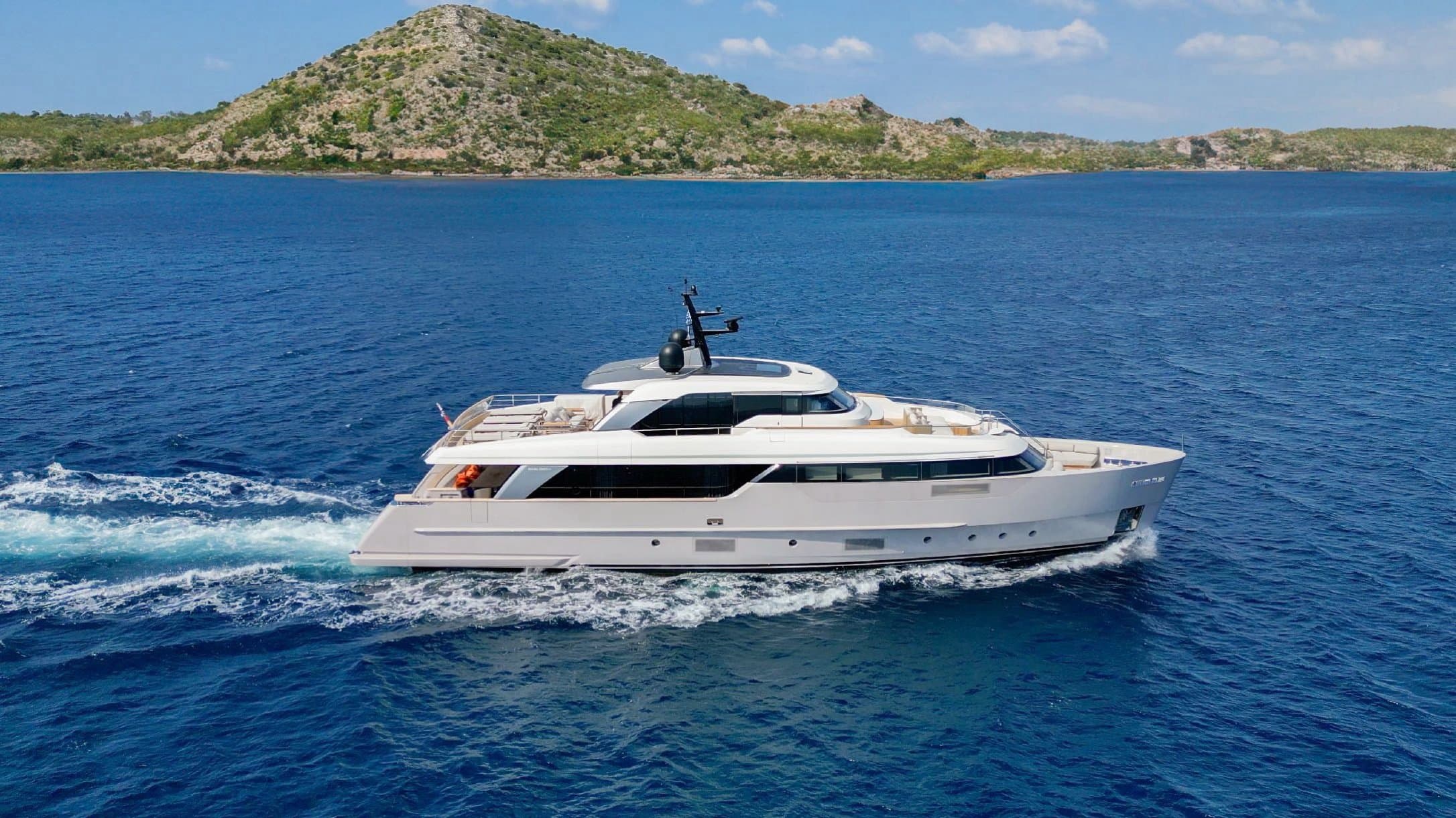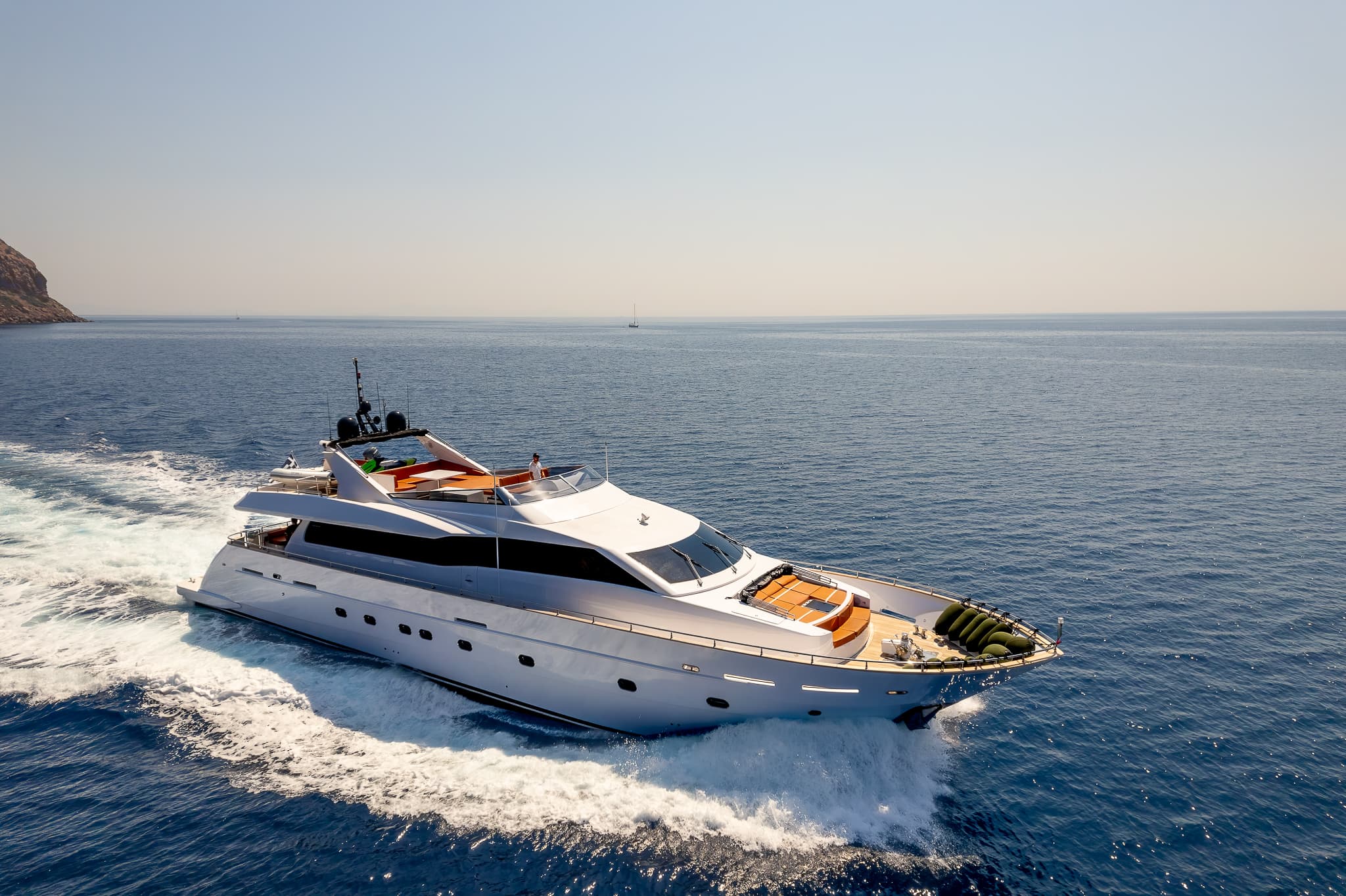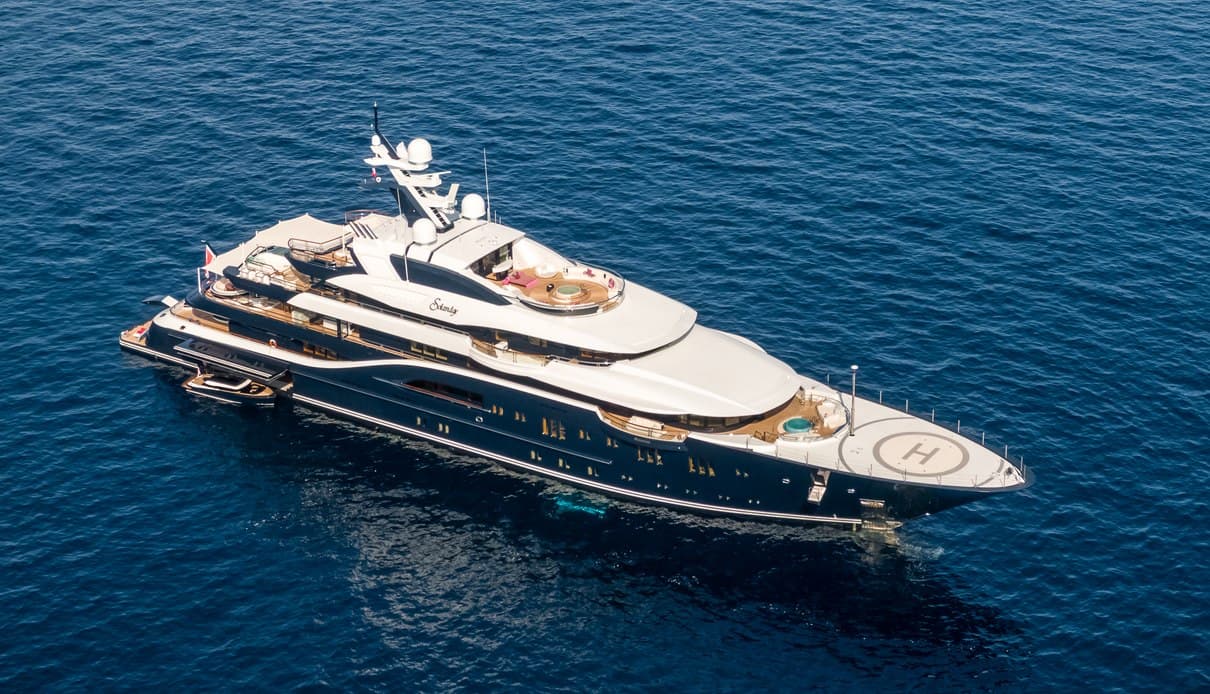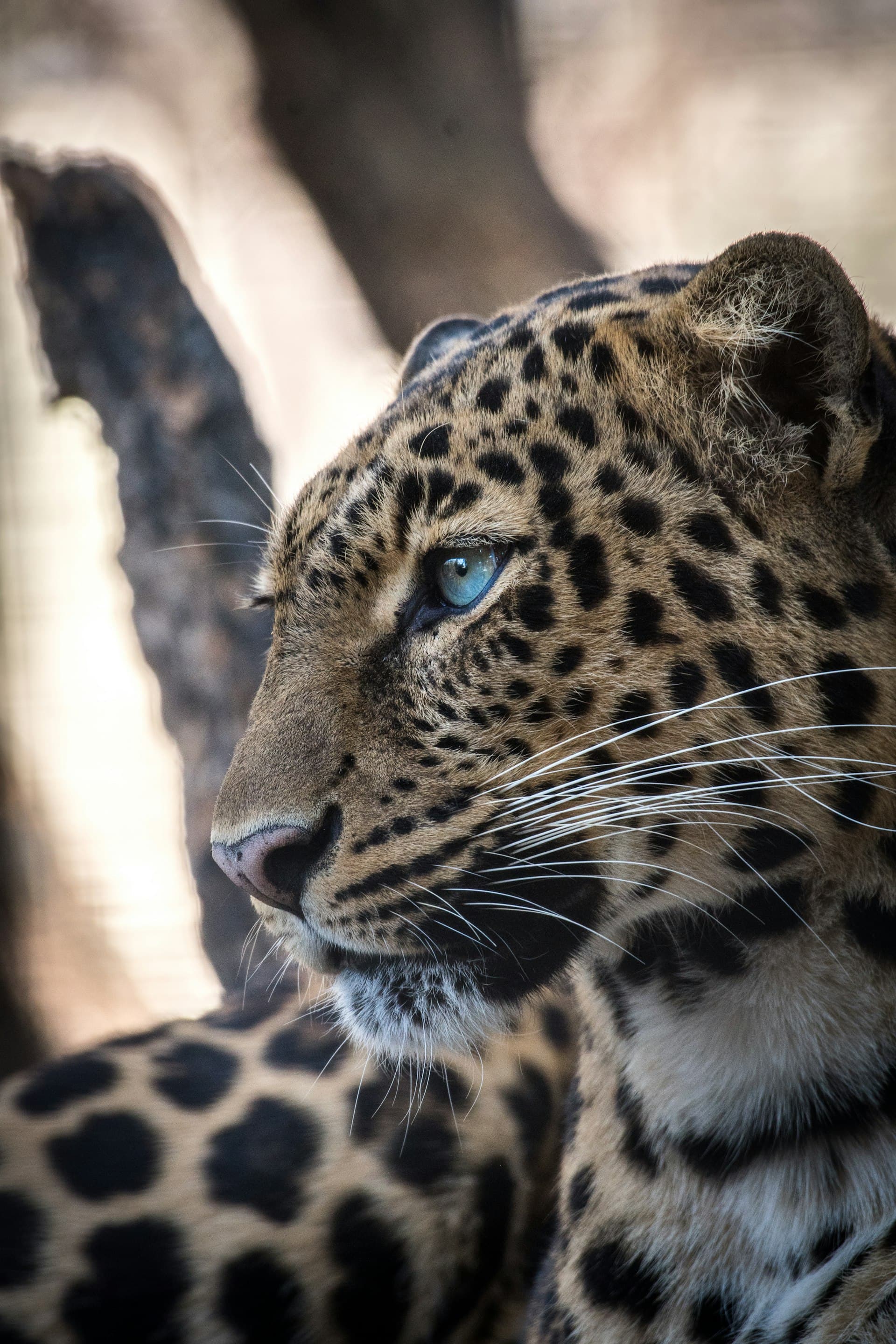
An 8-day private yacht charter through the Galápagos Islands is a voyage to one of Earth's most unique ecosystems. This 150-nautical-mile circuit explores multiple islands, each with distinct wildlife, geology, and evolutionary history. The voyage combines naturalist-guided hiking, snorkelling with endemic marine species, and encounters with animals found nowhere else on the planet. The Galápagos is the gold standard for wildlife-focused sailing.
Your VoyageBaltra to Santa Cruz | Arrival and acclimatisation |
Arrive at Baltra Airport (served by flights from Ecuador mainland). Transfer by lancha (speedboat) to Puerto Ayora, the largest town in the Galápagos, located on Santa Cruz Island. Check into your yacht and undergo a mandatory safety briefing from the captain and crew. The afternoon is reserved for acclimatisation and a visit to the Charles Darwin Research Station, where you can observe giant Galápagos tortoises (some weighing 400+ kg and living 100+ years), learn about conservation efforts, and see the juvenile breeding programme. The station also houses a museum detailing the islands' unique evolutionary history and geology. Puerto Ayora itself is worth exploring — the waterfront has excellent restaurants, a fish market, and local shops. Evening dinner is typically ashore, allowing you to experience the town's coastal atmosphere.
Santa Cruz to Isabela Island
Early morning motor/sail to Isabela Island (approximately 40 nm), the westernmost major island shaped like a seahorse. Upon arrival, a naturalist-guided shore excursion explores the volcanic landscape and unique wildlife. Isabela's distinguishing feature is its Z-shaped coastline formed by five shield volcanoes. The anchorage provides views of the volcanic cones. Afternoon snorkelling reveals marine iguanas (the world's only marine-dwelling lizards), sea turtles, and tropical fish. Marine iguanas are prehistoric-looking creatures that feed on algae underwater; observing them in their natural habitat is surreal. The island's highlands are home to giant tortoises found nowhere else.
Isabela Island to Fernandina Island | Flightless cormorants, marine iguanas |
Motor 35 nm northwest to Fernandina Island, the most geologically active island in the archipelago. The island's landscape is raw, recent lava flows — stark black rock with minimal vegetation. A naturalist-guided walking tour explores a 1968 lava flow; the desolate, primordial landscape is striking. The Galápagos' most distinctive marine species — flightless cormorants, marine iguanas, and Galápagos sea lions — congregate in the shallow waters. Snorkelling is exceptional; the waters are cool (upwelling brings nutrient-rich currents) but teeming with life. Sea lions are playful and curious; they often approach snorkellers. Seahorses, spotted eagle rays, and hammerhead sharks are occasionally sighted in deeper waters.
Fernandina to Santiago Island
Motor southeast 50 nm to Santiago Island, larger and more diverse than Fernandina. The island has multiple visitor sites, each with distinct wildlife and geology. The primary landing is at Puerto Egas, where naturalist-guided hikes reveal volcanic craters, beach ecosystems, and abundant wildlife. Darwin and Wolf volcanoes dominate the island's topography. The anchorage provides shelter and excellent snorkelling. The island is home to Galápagos hawks (apex predators), Galápagos doves, and Darwin's finches. The coastal areas host sea lions, iguanas, and occasionally sharks. Overnight at anchor, with evening discussions about the day's wildlife observations.
Santiago Island to Genovesa Island | Seabird sanctuary, Prince Philip's Steps |
A longer 65-nm passage northeast brings you to Genovesa Island, the northernmost major island. Genovesa is also known as "Tower Island" and is renowned as a seabird sanctuary. The island hosts the world's largest population of red-footed boobies, plus frigatebirds, Galápagos doves, and tropicbirds. A naturalist-guided ascent of Prince Philip's Steps (a dramatic staircase carved into the lava) offers panoramic views of the island and seabird colonies. The anchorage is protected and beautiful. Snorkelling reveals sharks, rays, and tropical fish. The island's isolation and pristine condition make it feel like the edge of the known world.
Genovesa to Española Island
A 90-nm passage south-southeast brings you to Española Island, the southernmost island and home to the famous blue-footed boobies. These seabirds have striking iridescent blue feet used in elaborate mating displays. A naturalist-guided tour includes the site where these boobies gather, along with waved albatrosses (found only on Española). Española also has sea lions, marine iguanas, and land iguanas. The island has excellent snorkelling, particularly around the offshore rocks. The landscape is less volcanic and more vegetated than northern islands. A final evening on deck, viewing the star-filled sky and reflecting on the week's discoveries, is typical of Galápagos immersion.
Española Island to Santa Cruz | Final wildlife viewing, souvenir market |
Return to Santa Cruz (approximately 65 nm), anchoring in Puerto Ayora for a final day of wildlife viewing and exploration. The afternoon is reserved for souvenir shopping in the town's markets, visiting local restaurants, and relaxing at the marina. Many yachts organize a farewell dinner ashore featuring fresh seafood and local specialities. Some charterers opt for additional snorkelling or a visit to private reserves on Santa Cruz not accessible by tour boats.
to
Morning departure to Baltra Airport, with transfer via lancha. Depending on your flight time, there may be a final few hours for last-minute exploring or beach time. Flights typically depart mid-morning or afternoon, allowing time for airport logistics.
Season
June through August is considered the best time for Galápagos cruising. Cooler water temperatures (upwelling brings nutrient-rich currents), calmer seas, and more dispersed wildlife on outer islands characterise this period. December through May sees warmer water and rain showers, with more concentrated wildlife on central islands. All seasons offer exceptional wildlife viewing; season choice depends on specific species interest.
Embarkation
Baltra Airport is the primary entry point; charter flights service it from mainland Ecuador (Quito, Guayaquil). A mandatory Galápagos Transit Control Card (TCC) is issued on arrival; retention is required for exit. International visitors must book through authorized tour operators and licensed yacht charters.
Regulations
The Galápagos National Park has strict regulations: - All yachts must employ a certified naturalist guide - Visitor sites are restricted to designated landing areas - Daily visitor numbers per site are limited (typically 10-20 people) - No littering, no touching wildlife, no fishing in protected areas - Itineraries are reviewed and approved by the National Park Authority - Compliance with these rules is mandatory and strictly enforced
Provisioning
Puerto Ayora has supermarkets and fish markets with adequate provisioning. Supplies are more expensive than mainland Ecuador (imported goods carry transportation costs). Fresh fish is excellent value. Other islands have minimal provisioning; stock generously in Puerto Ayora before departure.
Visas
Ecuador citizens may enter the Galápagos visa-free. Foreign visitors require a valid passport and Ecuadorian tourist visa (or are visa-exempt depending on nationality). The Transit Control Card is obtained on arrival at the islands; a $20 USD inspection fee is collected. Verify specific visa requirements before travel.
Naturalist Guides
All yachts must employ at least one certified naturalist guide. These guides provide invaluable education about wildlife, geology, and conservation. The guide-to-passenger ratio is typically 1:8 (one guide per 8 passengers). The guide accompanies all shore excursions and provides evening lectures about the day's wildlife and Galápagos ecology.
Cost
Galápagos charters are among the most expensive worldwide due to strict regulation, limited operator capacity, and fuel/provisioning costs. Budget accordingly. The expense is justified by the extraordinary wildlife and pristine environment.
Health & Dive Safety
The Galápagos has no decompression chamber on-site; diving is possible but carries additional risk. Snorkelling is safe; water temperatures are cool (20–24°C in dry season, 24–28°C in wet season), requiring a wetsuit. Sunscreen is essential — the equatorial sun is intense, and sunburn occurs rapidly.
This itinerary is a suggestion based on typical multi-day cruises.
Official Galápagos yacht charters operate under strict National Park protocols. The actual itinerary, visitor sites, and daily schedule are approved by the Galápagos National Park Authority and must adhere to their regulations. Your charter operator will provide a detailed, approved itinerary upon booking. Flexibility is limited compared to other destinations, but the experience of sailing through one of Earth's most unique ecosystems and witnessing wildlife evolution firsthand is unparalleled.
| Day | From | To | NM | |
|---|---|---|---|---|
| 1 | Baltra | → | Santa Cruz | Arrival and acclimatisation | | 2 |
| 2 | Santa Cruz | → | Isabela Island | — |
| 3 | Isabela Island | → | Fernandina Island | Flightless cormorants, marine iguanas | | 4 |
| 4 | Fernandina | → | Santiago Island | — |
| 5 | Santiago Island | → | Genovesa Island | Seabird sanctuary, Prince Philip's Steps | | 6 |
| 6 | Genovesa | → | Española Island | — |
| 7 | Española Island | → | Santa Cruz | Final wildlife viewing, souvenir market | | 8 |
| 8 | → | — | ||
| Total | 150 | |||