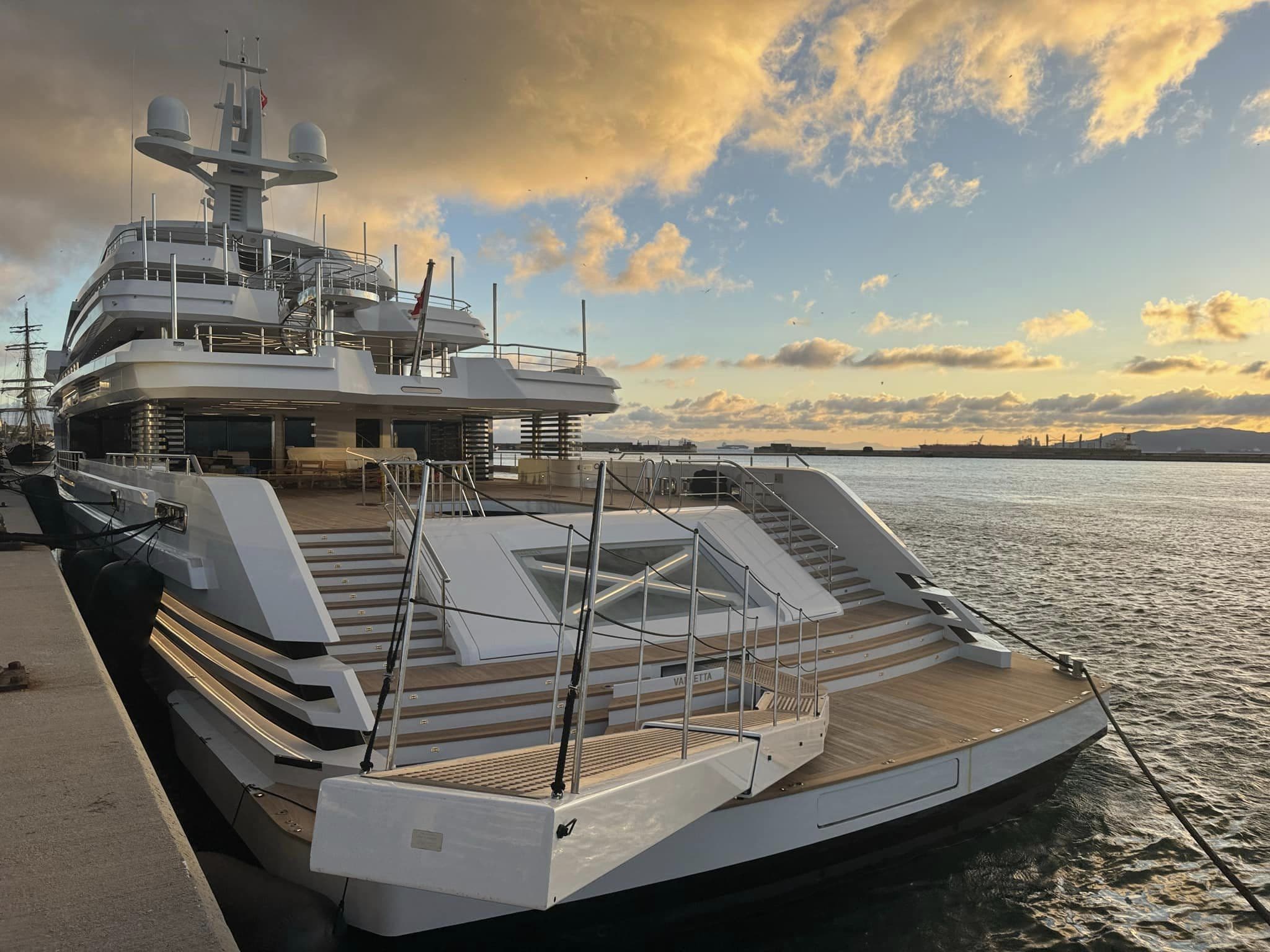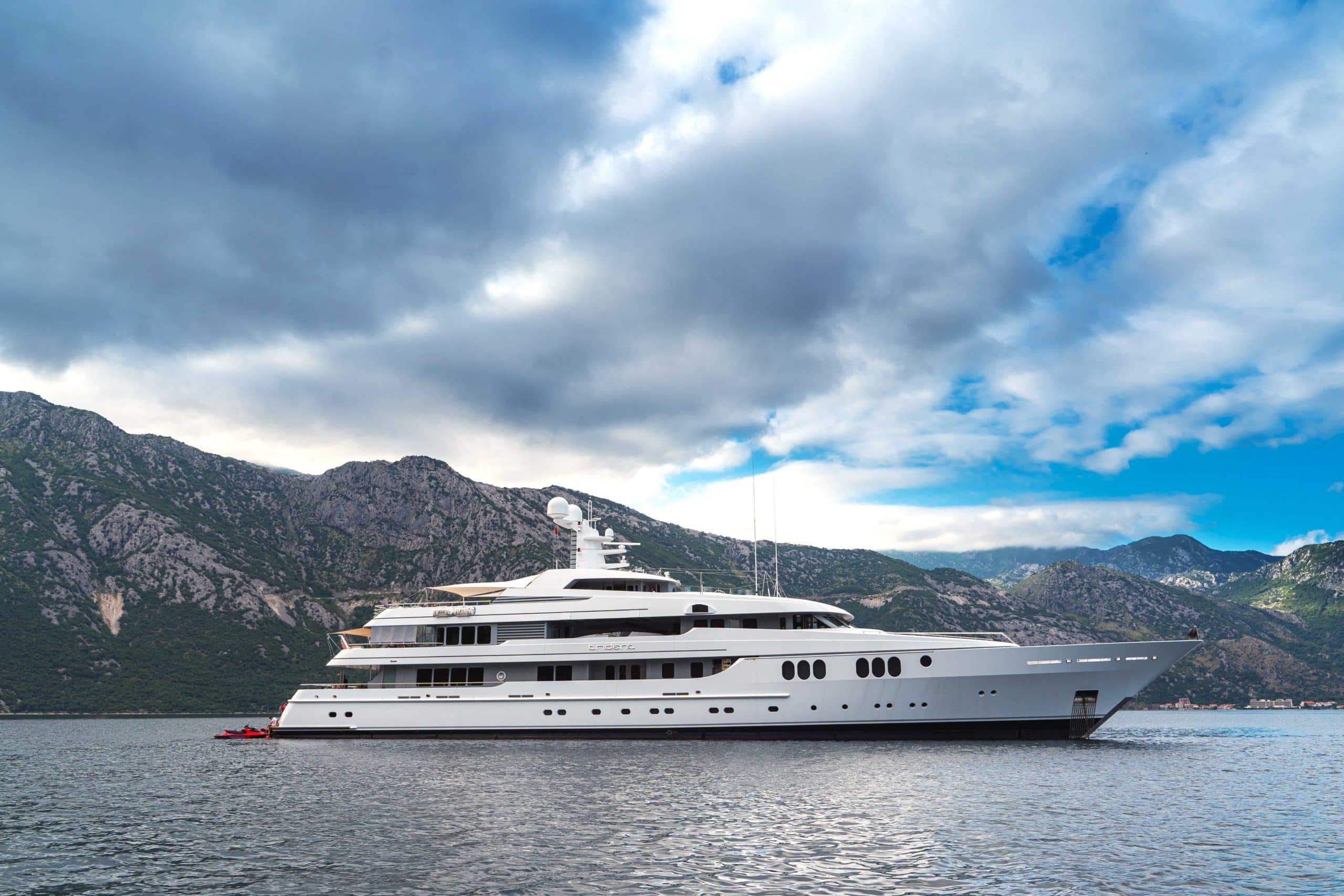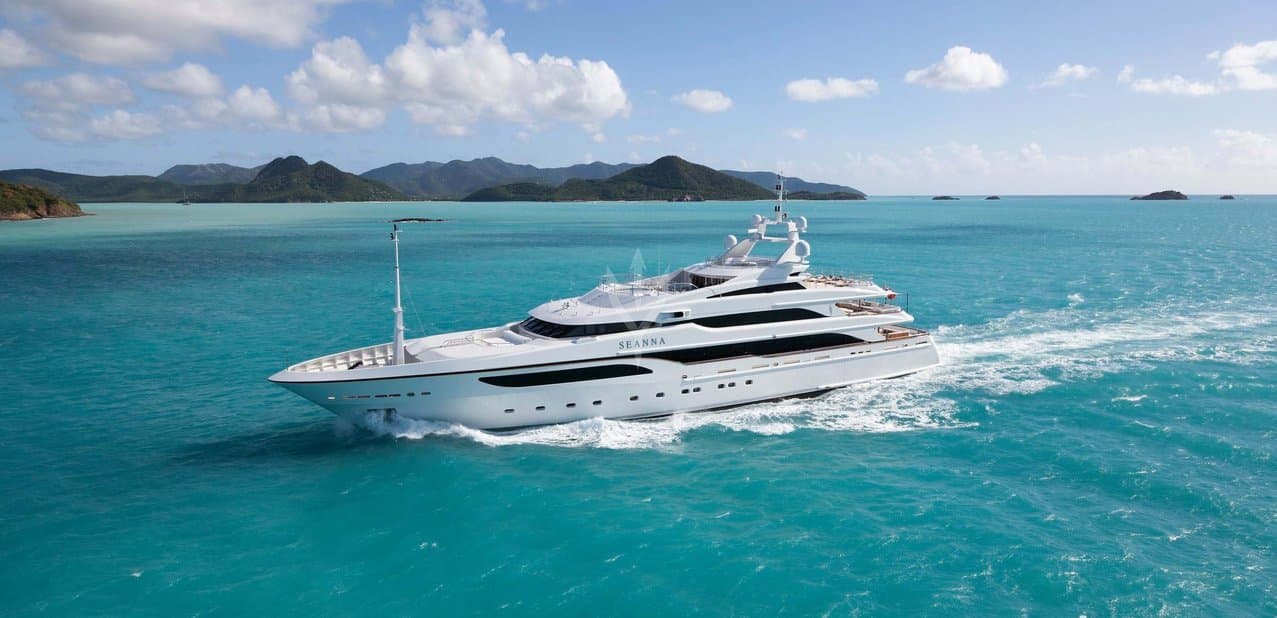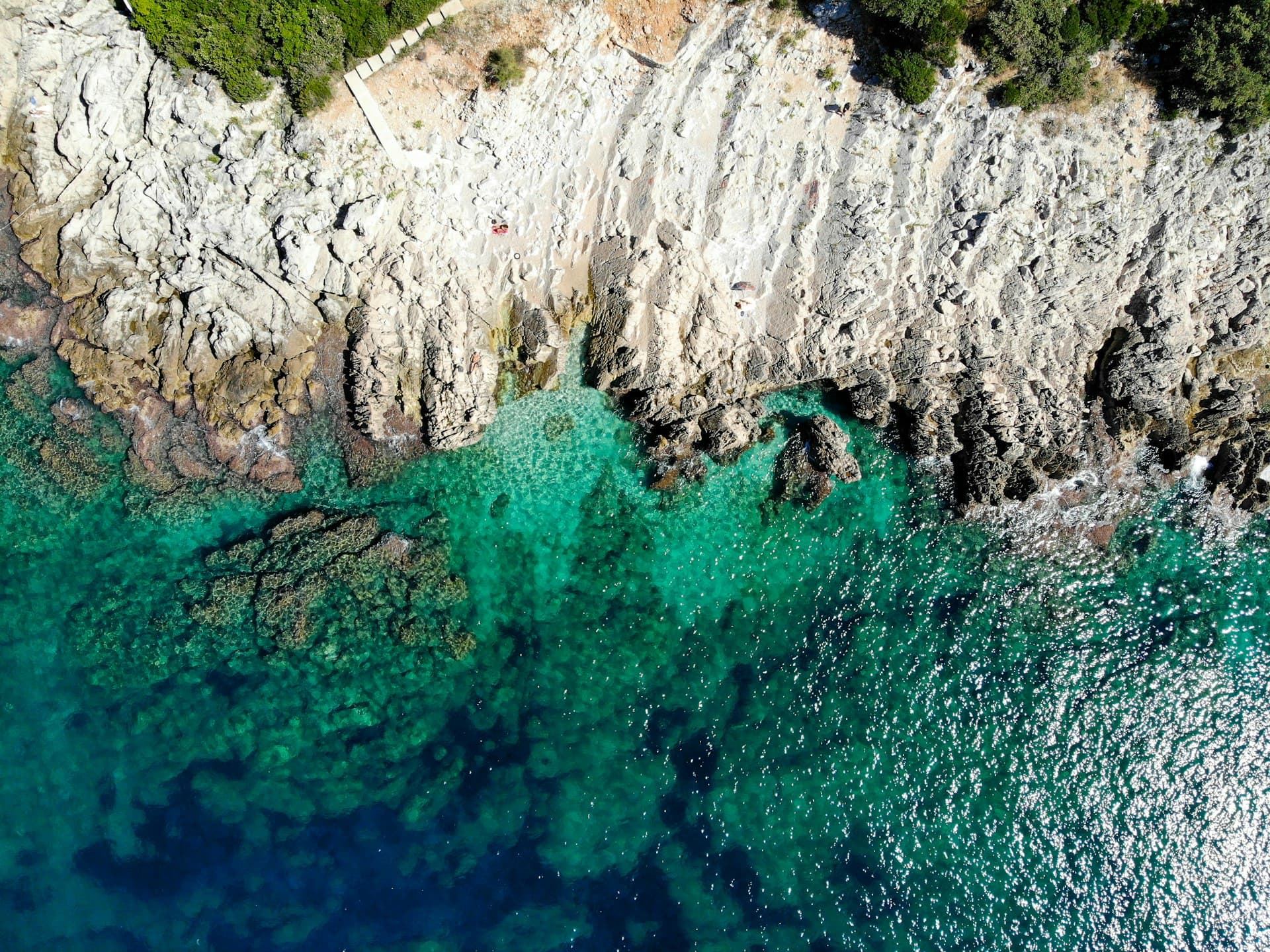
The Adriatic's most celebrated voyage spans the breadth of one of Europe's most storied coastlines. This 450-nautical-mile, one-way charter begins in Venice — the Venetian Republic's ancient maritime capital — and concludes in Kotor, Montenegro, via the Dalmatian coast's most iconic islands and towns. The itinerary combines classical architecture, medieval heritage, world-class sailing, and outstanding regional gastronomy. The route covers Venetian Istria, central Dalmatia's island chain, and culminates in the dramatic fjord-like Bay of Kotor.
Your VoyageVenice to Rovinj
Depart Venice, navigating the complex lagoon channels with local knowledge or a professional pilot. The passage out of the Venetian system is intricate; once clear of the lagoon, the coast opens into the northern Adriatic. A 50-nm passage southeast brings you to Rovinj, the jewel of Istrian Dalmatia. Rovinj is perched on a rocky peninsula; its pastel-coloured buildings cascade down a hillside to a picturesque natural harbour. The old town is entirely car-free and pedestrian-focused; narrow lanes and stone staircases wind uphill to the Church of St. Euphemia, its Venetian bell tower commanding views across the Adriatic toward Italy. The harbour is lined with waterfront restaurants serving fresh fish and Istrian truffle-based specialities. Rovinj retains a village atmosphere despite its popularity; visiting in early evening as day-trippers depart offers the best experience.
Rovinj to Hum (Istrian coast)
A 35-nm passage south along the Istrian coast toward Hum, passing smaller Istrian towns (Porec, Vrsar) and the mouth of the Mirna River. Hum, the destination, is often used as a waypoint rather than an overnight; the Istrian coast has numerous protected anchorages. Alternatively, anchor in quieter bays near Brioni National Park or in one of the small archipelago islands. The Istrian peninsula itself is known for white truffles, local wines, and medieval hilltop villages. If taking a longer coastal route, explore the village of Motovun (inland) or sample local malvasia wines. The Istrian stretch is often overlooked in favour of the more famous southern Dalmatian islands, but it offers genuine character and fewer crowds.
Hum to Zadar anchorage
An 80-nm passage south crosses the open Adriatic, heading toward the central Dalmatian coast. Zadar is a historic port city — the ancient Roman settlement of Jadera — and a major charter hub. The city waterfront features the famous Sea Organ, a sound-art installation where waves create harmonic tones through submerged pipes. The old town, walled and compact, contains the Church of St. Donatus (a 9th-century Byzantine-style rotunda). Zadar is less touristy than Split or Dubrovnik but equally historic. The harbour is well-protected; provisioning is excellent. Zadar is an ideal transit point; many charter itineraries begin here. A full day allows for exploration of the old town and the nearby Dalmatian islands (Pasman, Ugljan) by dinghy.
Zadar to Split
An 85-nm passage south along the central Dalmatian coast brings you to Split, the largest charter hub in Croatia. Split is built around and within the walls of Diocletian's Palace, a UNESCO World Heritage Roman monument from the 4th century. The palace is not a museum — it is a functioning city, with restaurants, shops, and residences within its ancient fortifications. Wandering the peristyle (central court) and the crypts below is a journey into Roman history. The harbour is busy but professional; multiple marinas (ACI Marina Split is the primary) handle yacht traffic. The waterfront promenade (Riva) is lively with restaurants and bars. Split is a jumping-off point for the southern islands; many yachtspeople spend a full day here before pushing onward.
Split to Hvar
A 35-nm sail southeast to Hvar, the most developed island in the southern Dalmatian chain. Hvar Town is the primary port — a cosmopolitan mix of restaurants, nightlife, and luxury yachting. The harbourfont piazza is surrounded by historic buildings; the 16th-century Arsenal dominates the eastern waterfront. Inland, the island is covered with lavender fields, olive groves, and vineyards producing excellent white wines. The Pakleni Islands (Paklinski otoci), a short tender ride west of the harbour, offer secluded anchorages and waterfront restaurants. The hilltop fortress of Fortica provides panoramic views. Hvar is busier than islands to the east, particularly in July–August; visitors seeking quieter experiences should anchor in the Pakleni Islands rather than the main harbour.
Hvar to Vis
A 20-nm passage east to Vis, the most remote of the major southern Dalmatian islands. Vis was a Yugoslav military base until 1989 and was closed to foreign visitors — as a result, it retains an authenticity that more developed islands lack. The main town (Vis) and the fishing village of Komiza both have atmospheric waterfronts and excellent local restaurants. The Blue Cave (Modra spilja) on the nearby islet of Bisevo — where sunlight refracts through an underwater opening to fill the cave with ethereal blue light — is one of the Adriatic's most iconic excursions. Local boat tours manage timed entry; arrange visits with your captain in advance. Vis is developing a serious wine and food scene; restaurants specializing in local fish and regional wines have garnered international recognition. This is an island for those seeking authenticity over nightlife.
Vis to Korcula
A 35-nm passage southeast to Korcula, whose walled medieval old town sits on a peninsula. The town claims to be the birthplace of Marco Polo; the alleged Marco Polo House is now a small museum. The old town's herringbone street plan was designed to control wind flow and channel cooling breezes — a practical medieval solution to Mediterranean heat. Korcula wine (Posip and Grk varieties) are exceptional; local wine bars and restaurants are excellent. The town is less crowded than Hvar but has good facilities. The surrounding island has secluded beaches and hiking trails. A moreska sword dance is performed in summer months (typically July–August) — an authentic medieval tradition reenacted annually.
Korcula to Mljet
A 20-nm passage southwest to Mljet, one of the most forested islands in the Adriatic. The western third is a National Park centred on two interconnected saltwater lakes (Veliko Jezero and Malo Jezero). In the larger lake sits a small island with a 12th-century Benedictine monastery — one of the most photographed scenes in the Adriatic. The park entrance is by boat from the villages of Polace or Pomena. The island's pine forests and quiet character offer a profound contrast to busier islands. The eastern end of the island has small harbours; the western National Park is the primary attraction. A day-long visit to Mljet is manageable; many yachtspeople spend the night and explore the next morning.
Mljet to Dubrovnik
A 30-nm passage southeast to Dubrovnik, the "Pearl of the Adriatic." The UNESCO-listed Old Town — encircled by medieval walls — is one of Europe's most remarkable urban ensembles. Approaching by sea reveals the dramatic geography: the Adriatic rising to medieval ramparts, the bell tower of the Cathedral dominating the skyline, and the Stradun (main street) visible from the water. The harbour is busy; multiple marinas handle yacht traffic (ACI Marina Dubrovnik is the primary). Walking the 2-km circuit of the city walls is essential; the walk takes 2–3 hours and provides panoramic views in all directions. The Stradun, the Rector's Palace, the Franciscan Pharmacy (one of Europe's oldest), and the Cathedral are all within the compact old town.
Dubrovnik to Elafiti Islands
A 25-nm sail northeast to the Elafiti Islands (Lopud, Sipan, Kolocep) — a small archipelago of low, forested islands with excellent anchorages and minimal tourism. Lopud is the most developed, with a crescent beach and small village. Sipan is more rural, with rolling vineyards and quiet villages. Kolocep is the smallest and most remote. The islands offer a contrast to the bustle of Dubrovnik; anchorages are peaceful and secluded. Many yacht crews overnight here as a quieter alternative to Dubrovnik Town. The islands are close enough to Dubrovnik for day-trips but far enough to feel removed from the city's crowds.
Elafiti Islands to Neum (BiH)
A 35-nm passage south brings you to Neum, Bosnia and Herzegovina's only coastal town. Neum is a small resort destination; the narrow strip of Bosnian coastline (about 20 km) is a customs checkpoint between Croatia and Montenegro. The town itself is modest — beaches, restaurants, and a small marina — but the approach is geographically interesting; Neum is sandwiched between Croatian territory on either side. This is a non-EU border; passports and vessel documentation are required. The town is less visited than Croatian or Montenegrin ports and offers a different Mediterranean atmosphere.
Neum to Herzeg Novi
A 45-nm passage south to Herzeg Novi, Montenegro's entrance to the Adriatic. Herzeg Novi is a coastal town built on a steep hillside; pastel-coloured buildings cascade down to a waterfront promenade. The town has a fortress (Forte Mare), museums, and good provisioning. The approach to Herzeg Novi opens into the beginning of the Bay of Kotor — a dramatic fjord-like inlet with soaring cliffs and narrow entrances. The geography transitions from open Adriatic to enclosed gulf; the scenery becomes progressively more dramatic. Herzeg Novi is the gateway; the next passage is one of the Adriatic's most celebrated approaches.
Herzeg Novi to Kotor
A 20-nm passage southeast navigates the Bay of Kotor, one of the Adriatic's most dramatic natural features. The entrance is narrow (the Verige Strait); the passage opens into a vast, sheltered fjord-like bay surrounded by limestone cliffs rising 1,000+ metres. The passage feels like entering a secret world; the scenery is profound. Kotor sits at the innermost point of the bay — a UNESCO-protected medieval walled town with Venetian fortifications and Byzantine character. The town is compact and atmospheric; the walls, built by the Venetians, encircle a maze of narrow lanes, churches, and squares. The waterfront offers restaurants and cafés with views toward the steep bay walls. Kotor is the southernmost point of this itinerary and the endpoint for disembarkation.
Kotor to —
A final day in Kotor for exploration and disembarkation. The medieval old town can absorb hours of wandering; the walls can be walked in 1–2 hours for comprehensive views. The Cathedral of St. Tryphon, the Maritime Museum, and the multiple smaller churches and chapels are all within the compact old town. The surrounding bay offers anchorages at Perast (with its iconic islets with churches) or Prčanj (another small town). Many visitors take the road route to Montenegro's interior (Cetinje, Lake Skadar National Park) or fly out to Tivat airport, 30 km away.
Season
May through October. June and September offer warm weather, excellent sailing, and far fewer crowds than peak July–August. July and August are hot and extremely busy, particularly Hvar and Dubrovnik; advance booking of all facilities is mandatory. May and October can be windy but offer superb sailing and authentic experiences.
One-way logistics
Venice, Split, Dubrovnik, and Kotor all have international or regional airport connections. Venice's Marco Polo Airport and Split's airport have extensive European connections; Dubrovnik and Tivat (near Kotor) are secondary hubs. One-way charters are standard; positioning the crew is straightforward via European flight networks.
Provisioning
Venice, Zadar, Split, Dubrovnik, and Kotor have comprehensive provisioning. Smaller islands have supermarkets and fish markets; provisioning becomes progressively easier as you move south. Fresh fish, local cheeses, and wines are excellent value throughout.
Navigation & Customs
The northern Adriatic requires careful navigation; the Venetian lagoon entry is complex and typically requires a local pilot. Croatia and Montenegro are EU-adjacent; passports and vessel documentation are required for the Neum border. Navigation is otherwise straightforward; detailed charts and GPS are standard.
This itinerary is a suggestion.
Your captain will adapt the route based on weather and your interests. Alternative additions include the Peljesac peninsula (wine region between Korcula and Mljet), the island of Solta (between Split and Hvar), or extended time in the Elafiti Islands or Bay of Kotor. The voyage can be shortened to a 7-day Split-to-Dubrovnik route or extended to include Italy's Adriatic coast (Trieste, Piran) or Montenegro's southern coast (Tivat, Perast, Lake Skadar).
| Day | From | To | NM | |
|---|---|---|---|---|
| 1 | Venice | → | Rovinj | 50 |
| 2 | Rovinj | → | Hum (Istrian coast) | 35 |
| 3 | Hum | → | Zadar anchorage | 80 |
| 4 | Zadar | → | Split | 85 |
| 5 | Split | → | Hvar | 35 |
| 6 | Hvar | → | Vis | 20 |
| 7 | Vis | → | Korcula | 35 |
| 8 | Korcula | → | Mljet | 20 |
| 9 | Mljet | → | Dubrovnik | 30 |
| 10 | Dubrovnik | → | Elafiti Islands | 25 |
| 11 | Elafiti Islands | → | Neum (BiH) | 35 |
| 12 | Neum | → | Herzeg Novi | 45 |
| 13 | Herzeg Novi | → | Kotor | 20 |
| 14 | Kotor | → | — | — |
| Total | 450 | |||