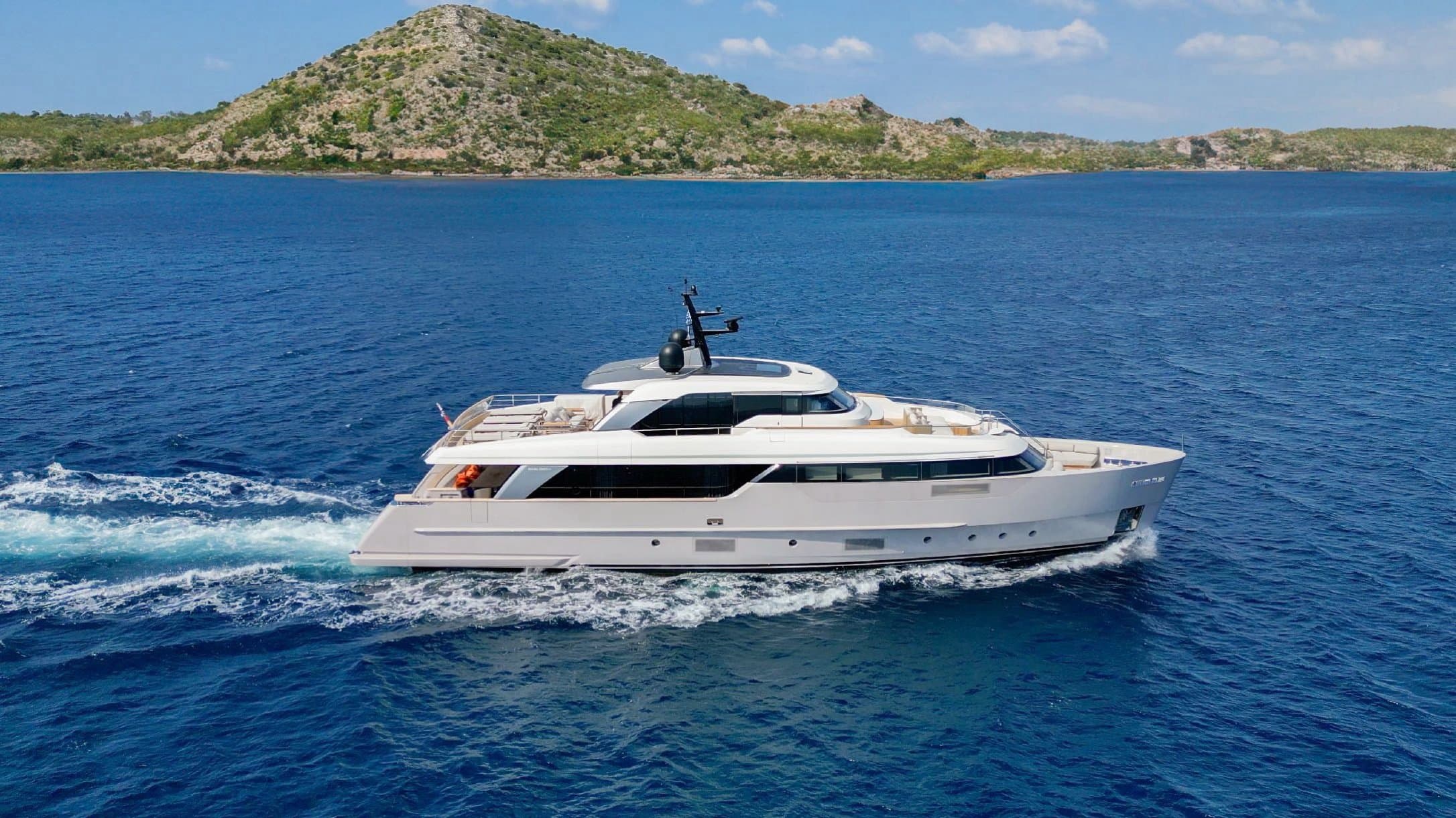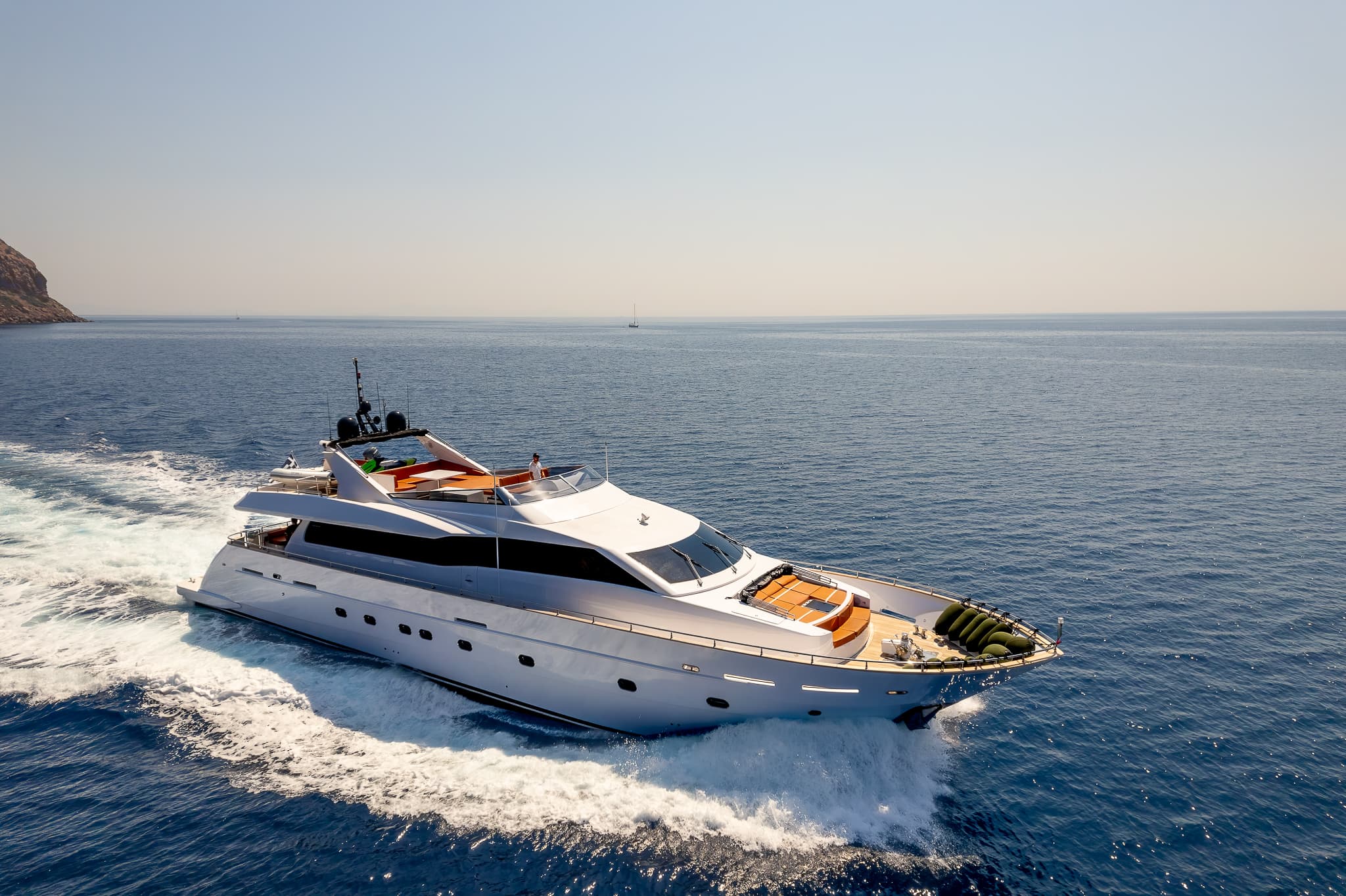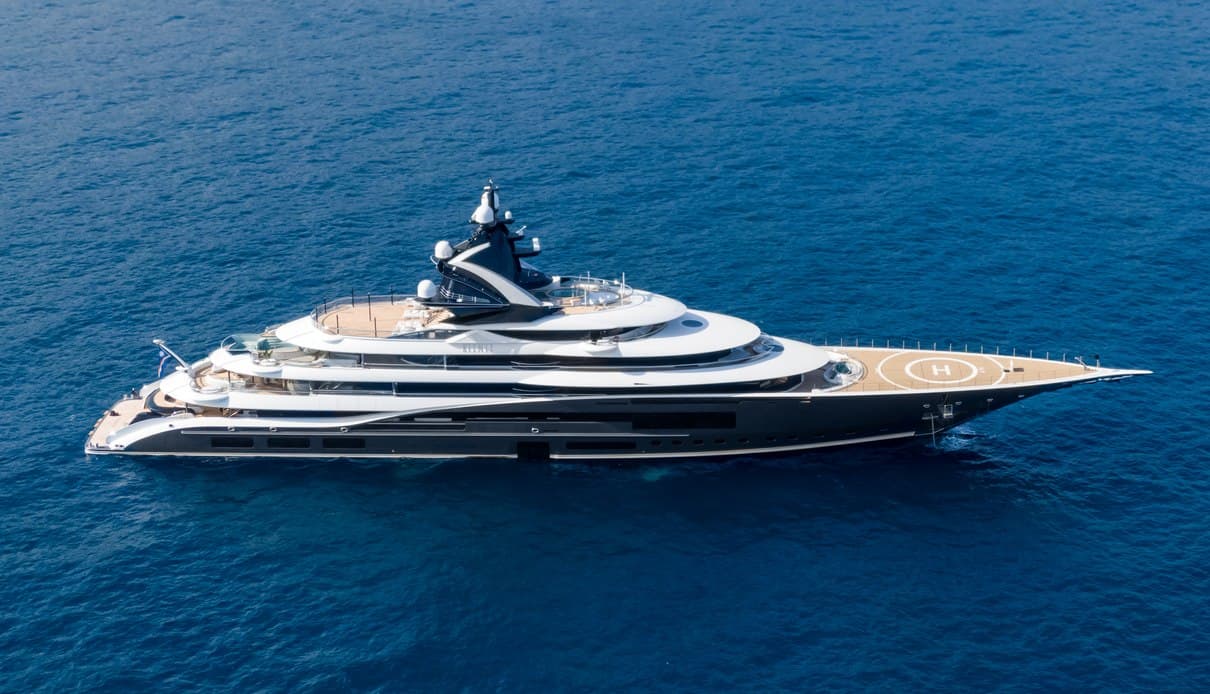
A 5-day private yacht charter from Bergen to Ålesund navigates some of Norway's most dramatic and UNESCO-protected fjords. This 200-nautical-mile one-way voyage ascends Sognefjord, Norway's longest and deepest fjord, traverses the picturesque Nordfjord, and culminates in Geirangerfjord — a UNESCO World Heritage site with one of Norway's most iconic landscapes. The itinerary is compact and intense; each day combines significant passages with the otherworldly scenery of granite walls, hanging glaciers, and ice-fed waterfalls. This is charter sailing at its most spectacular.
Your VoyageBergen to Sognefjord (Balestrand)
Depart Bergen from Bergenshavn Marina, located in the inner harbour beneath the UNESCO-protected Bryggen wharf. Bergen itself deserves a day's exploration before departure — the colourful timber buildings of Bryggen, the Hanseatic Museum, the waterfront restaurants, and the city's position surrounded by seven mountains create one of northern Europe's most distinctive urban settings. However, the yacht charter begins with a 60-nm passage northeast along the Norwegian coast toward Sognefjord. The approach opens into the mouth of Sognefjord, often called the "King of Norwegian Fjords" — at 205 km long and 1,308 m deep, it is one of Earth's most dramatic fjord systems. The passage up the fjord penetrates deep into the Scandinavian interior; mountains rise vertically from sea level to 1,500+ m. Balestrand, a small village partway up the fjord, is an ideal overnight anchorage. The village has a handful of hotels and restaurants; the surrounding peaks provide perfect scenery for evening photography. Waterfalls cascade from hanging valleys; at certain times of day, the angle of light transforms the fjord walls into shades of purple and blue.
Tip: Arrive at Sognefjord in late afternoon to maximize the evening light for photography. The low angle of the sun at this northern latitude (June–July) creates dramatic contrasts on the fjord walls.
Balestrand to Nordfjord (Nordfjord head)
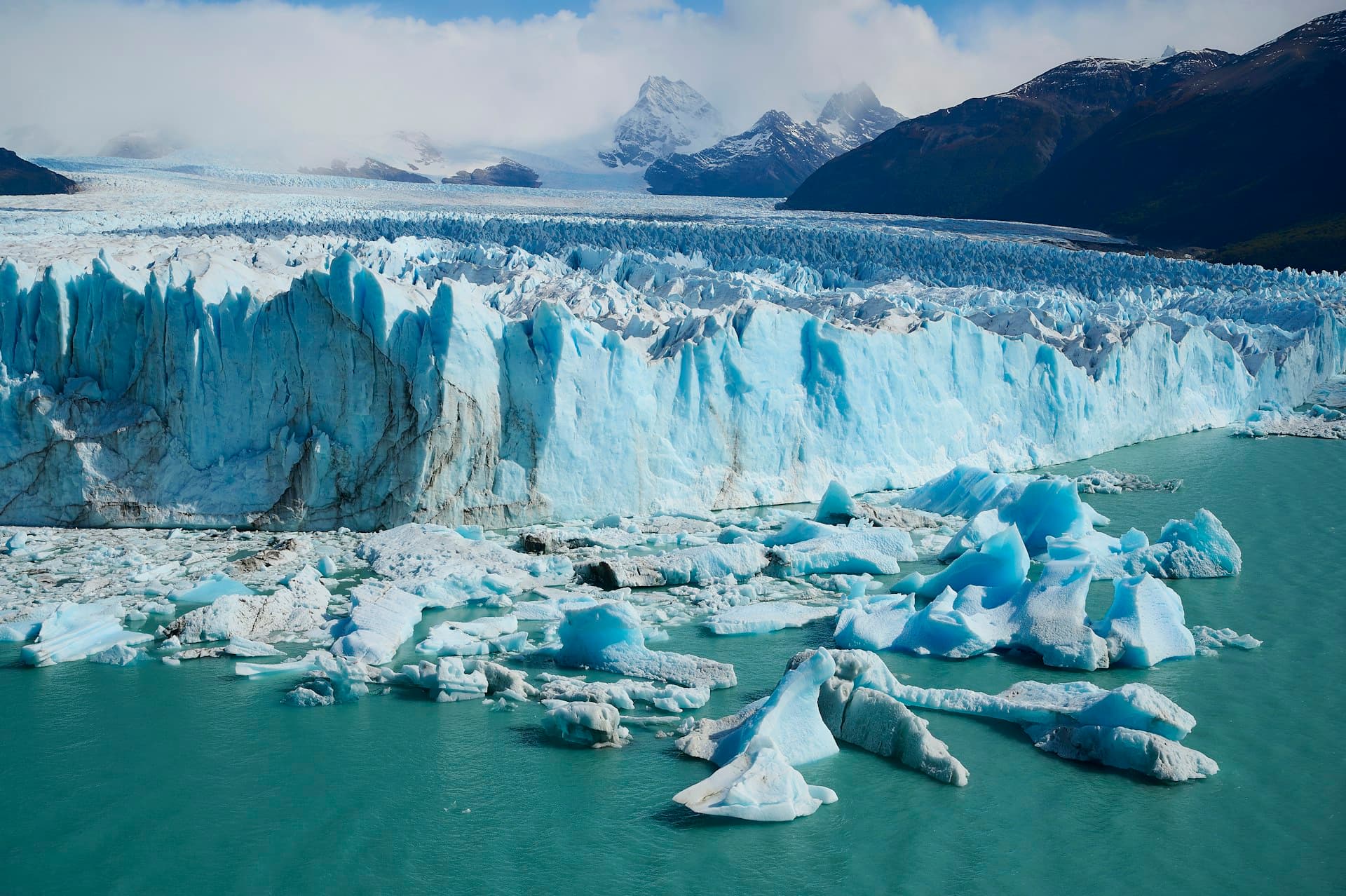
A 45-nm passage northwest from Balestrand, exiting Sognefjord and entering Nordfjord, another UNESCO-protected fjord system. Nordfjord is narrower, more intimate, and slightly less visited than its famous neighbour. The scenery is equally dramatic: granite walls, glacier-fed streams, and dense pine forests clinging to steep slopes. The Jostedalsbreen glacier — continental Europe's largest glacier system — has arms reaching down into both Sognefjord and Nordfjord. Seeing the pale blue of a glacier arm meeting the dark fjord water is unforgettable. Nordfjord's head, where the fjord terminates in a delta of glacier-fed streams, is the destination. The anchorages here are stunning but can have poor holding in silt; modern GPS and vigilance are essential. The village of Stryn sits at the fjord head; it is small but has restaurants and basic provisioning. An alternative anchor: partway down Nordfjord in one of the protected side inlets (Hjelledalen or Melhugen), which are less crowded than the fjord head.
Nordfjord to Geirangerfjord
A 50-nm passage continues northeast toward Geirangerfjord, the jewel of Norwegian fjords. The coastal passage climbs progressively northward; the landscape becomes progressively more dramatic. Geirangerfjord's narrow entrance (the Geirangerstraumen) is navigable but requires careful seamanship; the passage is only a few hundred metres wide and currents can be significant. Once inside, the fjord opens into one of the world's most celebrated landscapes: a 15-km-long, U-shaped glacial valley with near-vertical granite walls dropping 1,700 m into dark water. Multiple hanging waterfalls cascade from cliffs; the "Seven Sisters" waterfall is the most famous. The fjord is a UNESCO World Heritage site with strict environmental protection; anchoring is permitted only in designated areas. Geirangerfjord is famous — cruise ships visit daily in summer — but the scenery justifies the fame. Most anchorages are small and exposed; anchoring on the first night may be challenging in summer due to crowding. Consider anchoring in quieter inlets on the fjord's flanks rather than the main anchoring area.
Geirangerfjord to Geiranger village
A day anchored in Geirangerfjord, exploring the fjord by dinghy, hiking, and photography. The day can be divided between morning exploration (tending the dinghy to the fjord's head, visiting the waterfalls) and afternoon relaxation. The gradient of the fjord walls means that even a short dinghy ride reveals entirely different perspectives. The village of Geiranger sits partway up the fjord on the north shore; a tender visit allows a stop at a waterfront restaurant. The waterfalls are most impressive in early summer (June) when glacier melt is at maximum; by August, some have reduced to trickles. Evening light on the fjord walls is spectacular — the granite takes on shades of purple, orange, and blue as the sun moves across the northern sky. This is one of the world's great anchorages for scenery; the combination of scale, waterfalls, and inaccessibility (except by boat or expensive mountain road) creates a profound sense of wilderness.
Tip: The "Seven Sisters" waterfall is on the south wall of Geirangerfjord. A dinghy approach at morning light provides the best photography angle.
Geirangerfjord to Ålesund
A final 30-nm passage northeast exits Geirangerfjord and arrives at Ålesund, a coastal town sitting on a peninsula surrounded by islands. The approach into Ålesund harbour is protected and straightforward. Ålesund is notable as the Art Nouveau capital of Scandinavia — rebuilt after a 1904 fire, the entire town is designed in the Art Nouveau style. The colourful buildings, ornate stonework, and distinctive character are immediately apparent from the water. The town has a working fishing harbour, excellent restaurants, and good provisioning. The summit of Mount Aksla (accessible by a short climb up 418 steps) provides a panoramic view of the town, harbour, and surrounding archipelago. Ålesund is the starting point for further exploration northward (the Lofoten Islands, Tromsø) but also a natural disembarkation point for the Bergen-to-Ålesund itinerary.
Season
June through August is the only realistic window for this itinerary. June offers the longest daylight (nearly 24 hours at this latitude); July is warmest and most reliable for settled weather; August begins to see deteriorating conditions in the north and is less ideal. May and September are risky — weather is unpredictable, nights are cold, and many services close. The midnight sun (continuous daylight) is visible June–July at this latitude; bring excellent sunscreen and sunglasses.
Embarkation
Bergen (Bergenshavn Marina) is modern, well-equipped, and centrally located. Disembarkation at Ålesund (Ålesund Marina) requires onward crew logistics; arrangements can be made through the charter company. Alternatively, reverse the itinerary (Ålesund to Bergen) if preferred.
Provisioning
Bergen has comprehensive provisioning. Small villages (Balestrand, Stryn, Geiranger, Ålesund) have limited but adequate shops. Fresh salmon, local produce, and excellent Norwegian cheeses are available. Stock up in Bergen if planning extended time in remote fjord anchorages.
Weather & Navigation
Norway's coastal waters are charted in exceptional detail; navigation is straightforward. However, weather can deteriorate rapidly — the Norwegian Sea is notoriously unpredictable. The open passages between fjords can be rough in strong winds; seek shelter immediately if conditions worsen. Fjord anchorages offer excellent protection; once inside a fjord, you have safe refuge. Tidal streams are minimal; currents at fjord entries are predictable. Glacier melt affects water levels and visibility; the fresher meltwater creates visible gradients in the fjords (milky water near glacier sources, clear water near fjord mouths).
Anchoring challenges
Many anchorages in these fjords have silt bottoms from glacier melt; modern anchor designs (Spade, Manson, Delta) with GPS monitoring are essential. The combination of steep mountains, hanging valleys, and glacier melt creates unique anchoraging challenges — be prepared for variable holding and shifting silt patterns.
This itinerary is a suggestion.
Your captain will adapt the route based on weather windows and your interests. Strong winds may require staying in sheltered anchorages for a day or two. The beauty of charter sailing is flexibility — if you find a fjord particularly compelling (and most do), stay longer. Alternatives include detours to smaller fjords (Hardangerfjord to the south, Geirangerfjord's side arms) or exploring Ålesund's surrounding islands and archipelago before returning to Bergen.
| Day | From | To | NM | |
|---|---|---|---|---|
| 1 | Bergen | → | Sognefjord (Balestrand) | 60 |
| 2 | Balestrand | → | Nordfjord (Nordfjord head) | 45 |
| 3 | Nordfjord | → | Geirangerfjord | 50 |
| 4 | Geirangerfjord | → | Geiranger village | 15 |
| 5 | Geirangerfjord | → | Ålesund | 30 |
| Total | 200 | |||