Patmos is the most spiritually significant island in Greece. In 95 AD, St John the Theologian was exiled here by the Romans and, in a cave halfway up the hillside, received the visions he recorded as the Book of Revelation. The Cave of the Apocalypse and the 11th-century Monastery of St John that crowns the island are together a UNESCO World Heritage Site.
But Patmos is far more than a pilgrimage destination. Its Chora is one of the most beautiful and best-preserved medieval settlements in the Aegean — a maze of whitewashed mansions, hidden gardens, and tiny chapels. The harbour of Skala below has excellent tavernas and a relaxed, cultured atmosphere that attracts a discerning crowd of returning visitors.
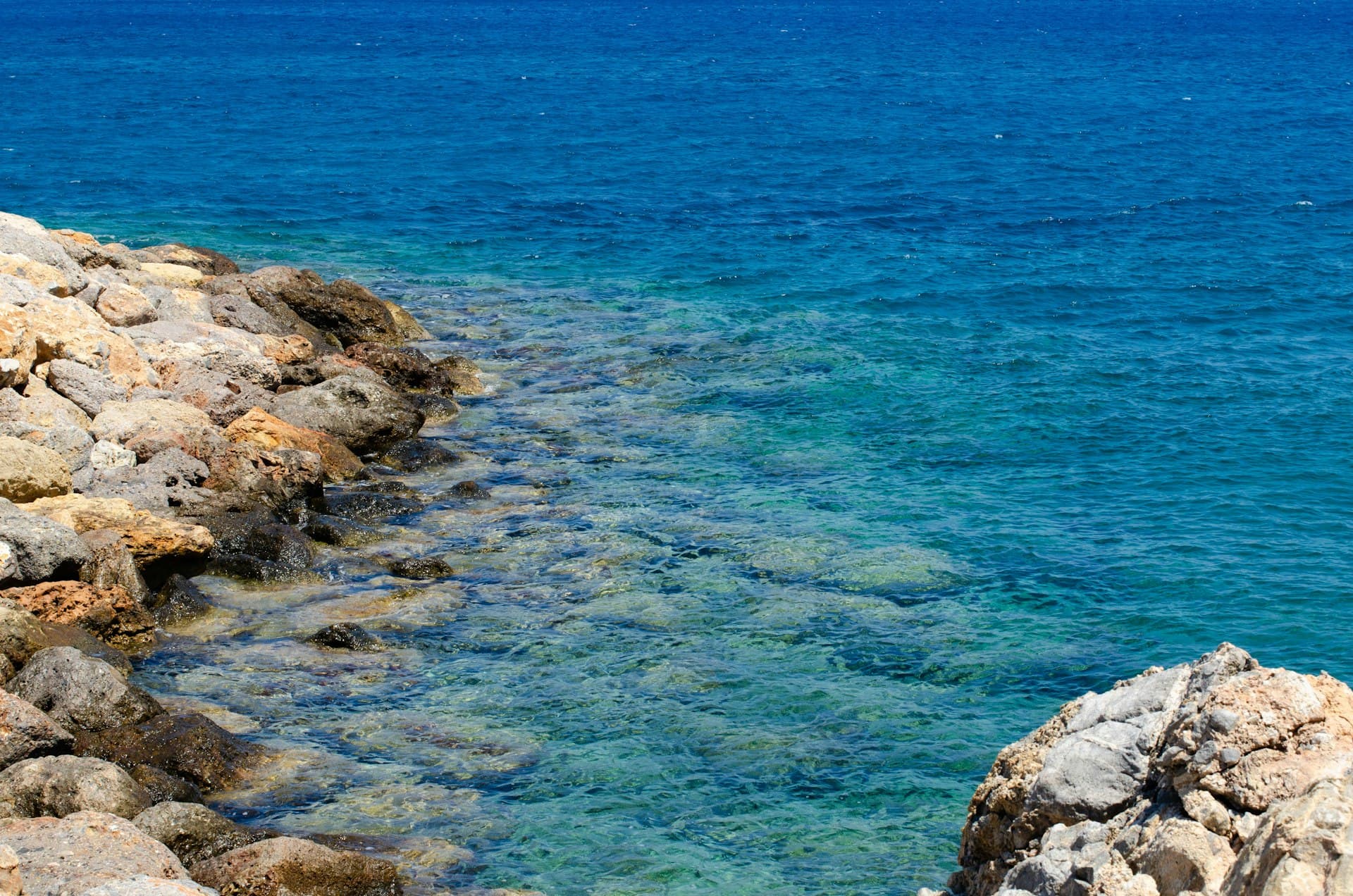
The island's coastline offers quiet coves for swimming — Psili Ammos in the south, Lambi's coloured pebble beach in the north — and the small nearby islands of Arki and Marathi provide utterly secluded anchorages. Patmos is typically the northern turning point of a Dodecanese charter from Rhodes.
UNESCO World Heritage — Monastery of St John and Cave of the Apocalypse
Medieval Chora — one of the finest in the Aegean
Arki and Marathi — tiny islands with taverna-only settlements
Cultured, understated atmosphere year-round
Psili Ammos beach — golden sand in a sheltered southern bay
Northern anchor of a Rhodes–Patmos Dodecanese circuit