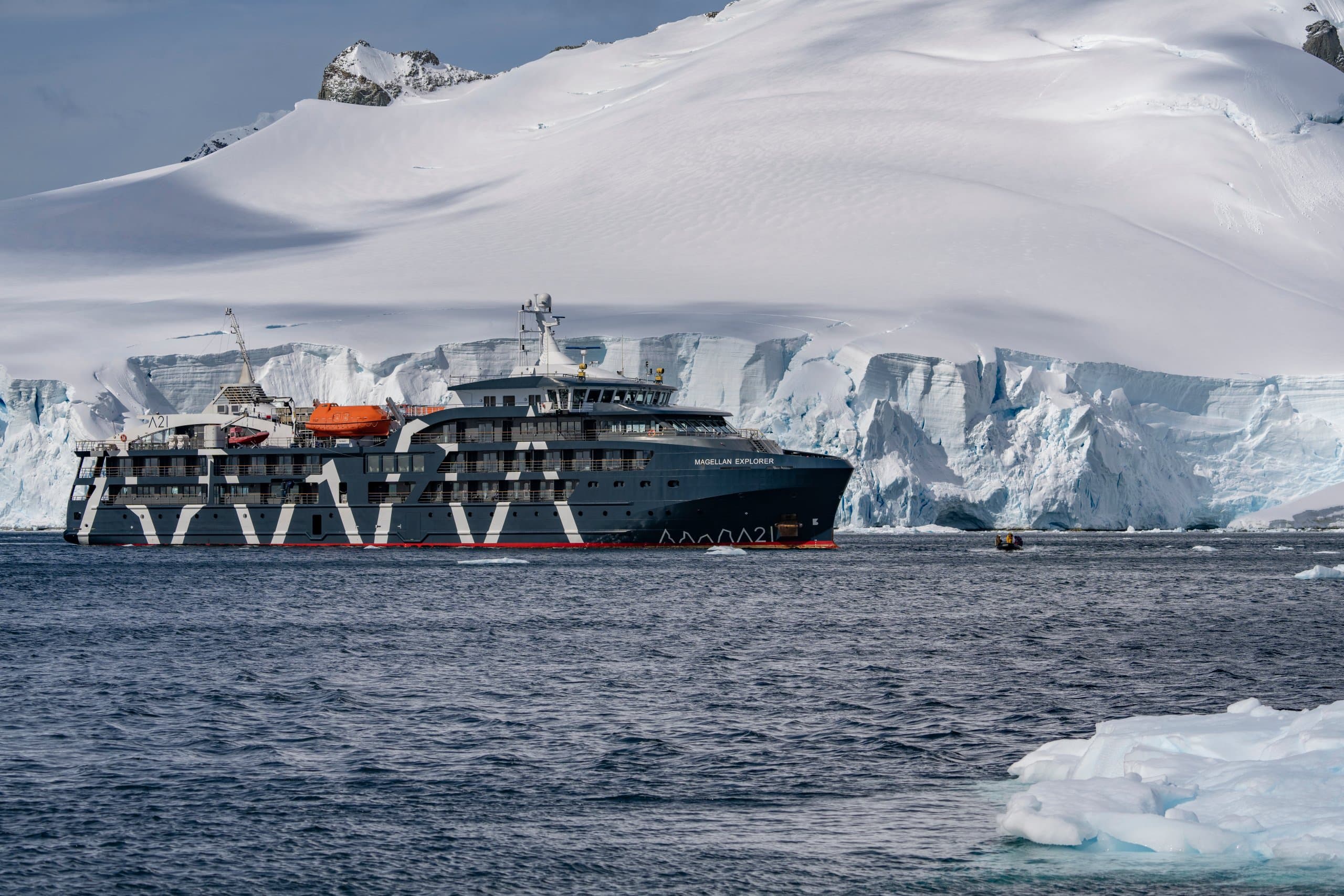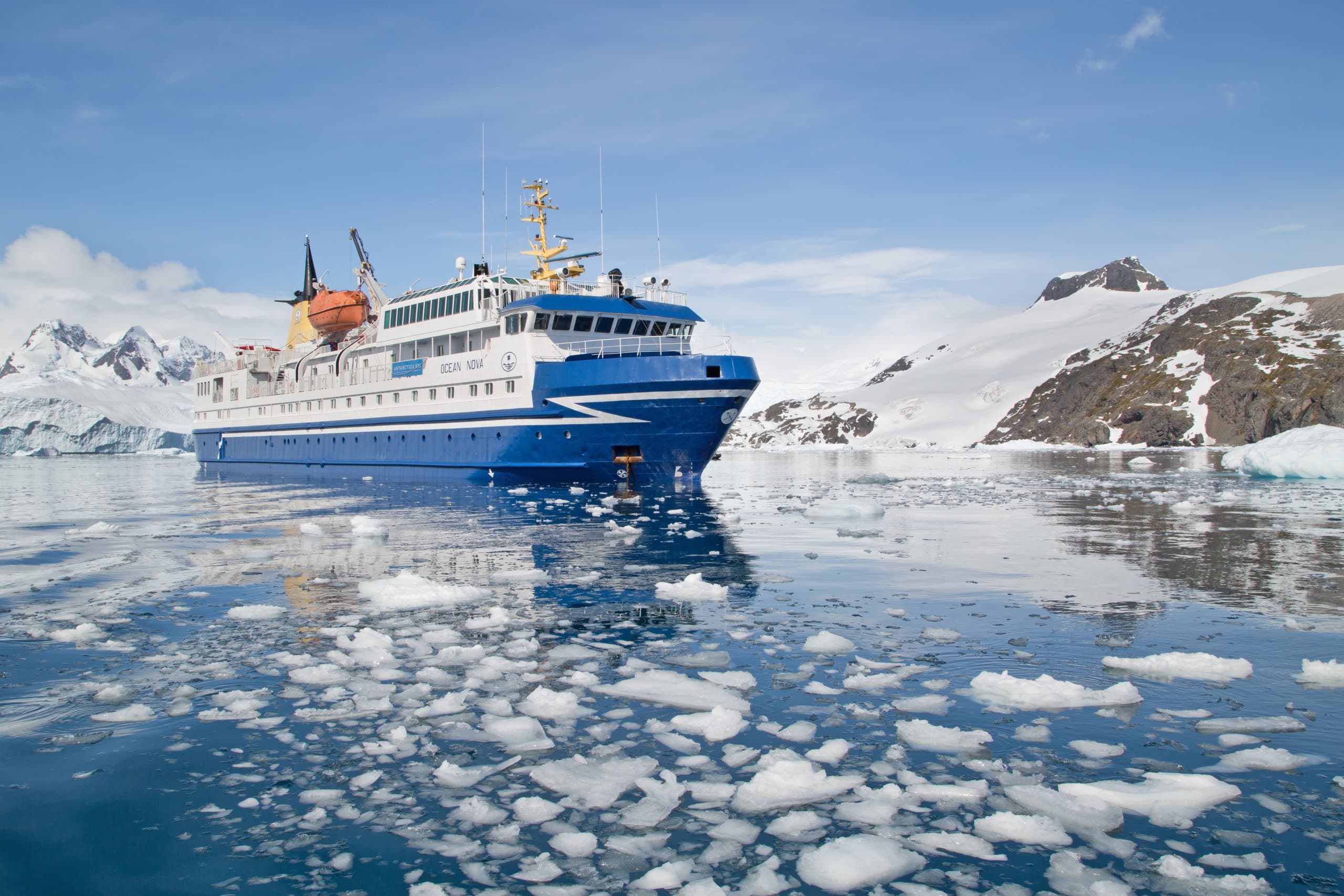
The Drake Passage crossing from Ushuaia to the Antarctic Peninsula takes approximately 48 hours on an ice-class expedition vessel doing fifteen knots. The sea state in the Drake is a function of how cooperative the Southern Ocean is choosing to be: it can run at two metres in the right conditions, or at six to eight in a westerly storm, and the two conditions can succeed each other within twelve hours. This is not a deterrent. It is part of the Antarctica expedition yacht charter experience — the necessary transition between the world you left and the world you are approaching.
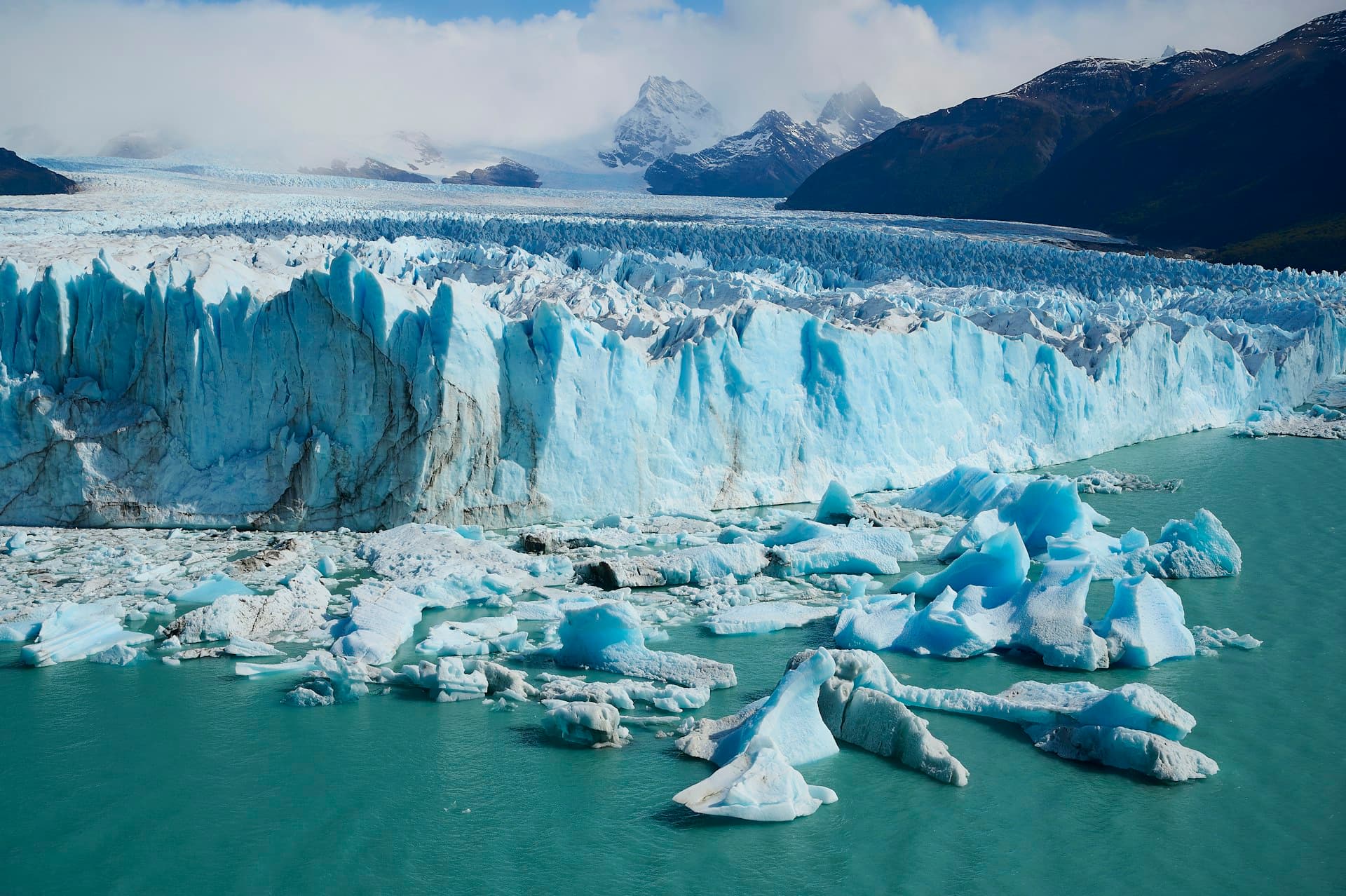
The Antarctic Peninsula — the arm of the continent reaching north toward South America — is where most private Antarctic expeditions operate. The Peninsula has the most accessible anchorages, the highest concentration of wildlife, and the most dramatic scenery within the short Antarctic season. But ‘accessible’ is a relative term: the bays of the Gerlache Strait, the anchorages of the Lemaire Channel, the approach to the calving face of a glacier — these require a vessel with genuine ice capability, an experienced polar captain and a crew briefed on the protocols of operating in a protected continental wilderness.
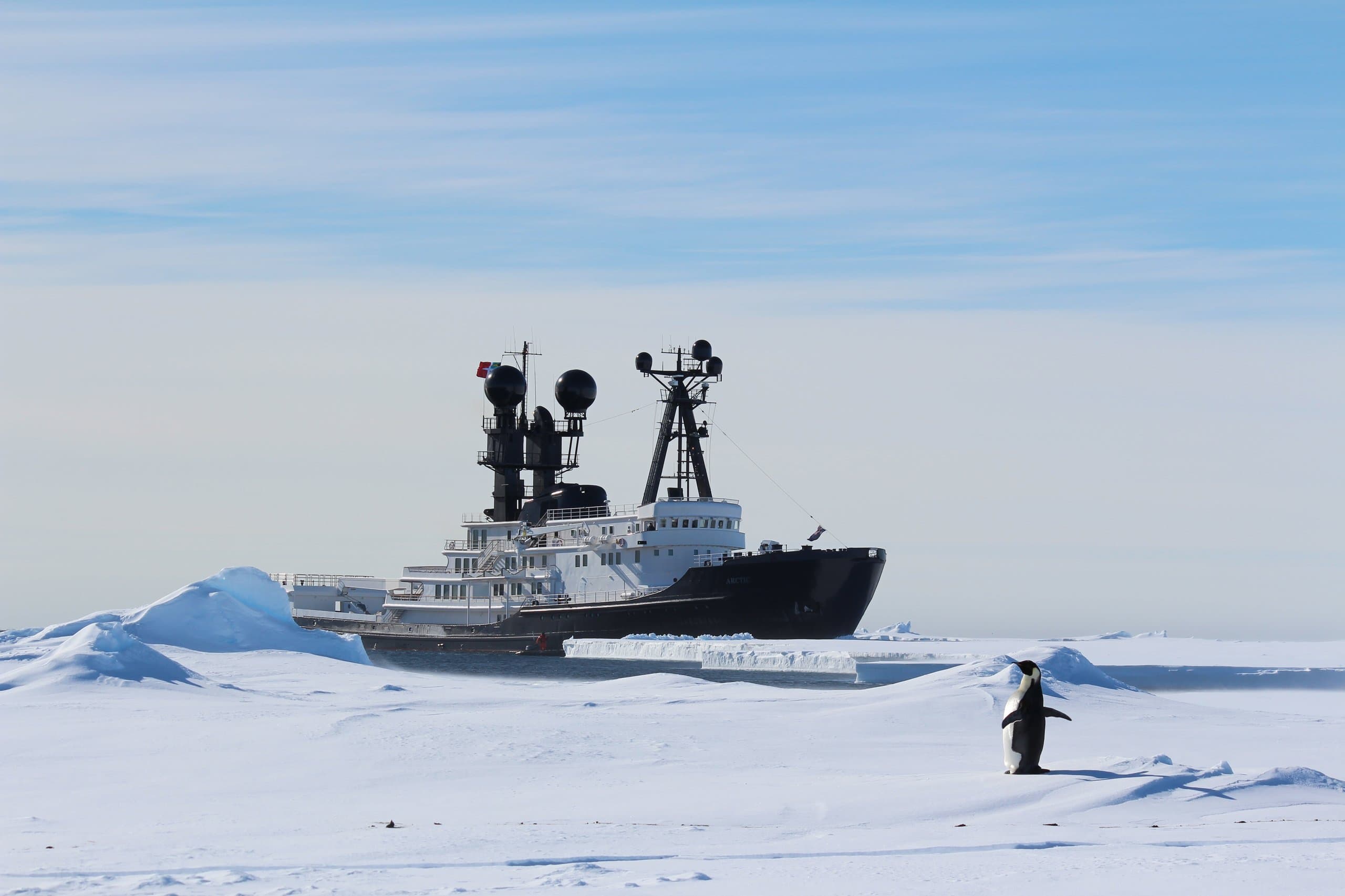
The wildlife is the primary reason for an Antarctica expedition yacht charter, and the wildlife does not disappoint. The Antarctic Peninsula supports enormous colonies of Adélie, chinstrap and gentoo penguins — birds so un-evolved in their response to non-predatory mammals that they will walk over your feet on their way to the nest. Humpback whales are present in large numbers from December through February, feeding in the productive Southern Ocean waters. Leopard seals haul out on ice floes with a proprietary expression that accurately reflects their position in the local food chain.
South Georgia — 1,400 kilometres east of the Falkland Islands — requires a serious offshore passage but rewards it with the most concentrated wildlife spectacle in the Southern Ocean: 400,000 breeding pairs of king penguins at St Andrews Bay, fur seals and elephant seals on every beach, wandering albatross on the ridgelines above. Ernest Shackleton is buried in the tiny graveyard at Grytviken, the former whaling station on the island’s northeast coast; the convention is to leave a dram of whisky on the headstone.
The Antarctica expedition yacht charter season runs from November through March. November is early and cold, with sea ice still present in some channels, but the light quality — the Antarctic spring sun at a low angle — is exceptional for photography and the penguin colonies are at their most animated during egg-laying. January is full season: maximum daylight, open water, peak wildlife activity. February sees the first signs of autumn and the light changes character. March is late and the season is closing, but the sea ice is at its minimum and some channels inaccessible earlier in the season become navigable.
- Antarctic Peninsula — humpback whales, leopard seals and millions of penguins
- South Georgia Island — vast king penguin colonies and Shackleton's grave
- Drake Passage crossing — 800 kilometres of the world's wildest ocean
- Camping on sea ice under the Antarctic midnight sky
November opens the Antarctica expedition yacht charter season: sea ice is still retreating, some channels require ice-navigation experience to transit, and temperatures are the coldest of the operating season (averaging -2°C at the Peninsula). The wildlife compensation is significant — penguin colonies are at peak activity for egg-laying and the photography light, with the sun at a low angle around the clock, is outstanding. December and January are the operational peak: maximum open water, temperatures rising to 2–5°C at the Peninsula, all major anchorages accessible, humpback whales feeding actively. February is the connoisseur's month — the commercial expedition cruise ships thin out, the Antarctic autumn light takes on a different quality, and the penguin chicks are at the awkward but photogenic stage of losing their down. March is late: ice is beginning to form again and vessel insurance often requires departure before month's end.