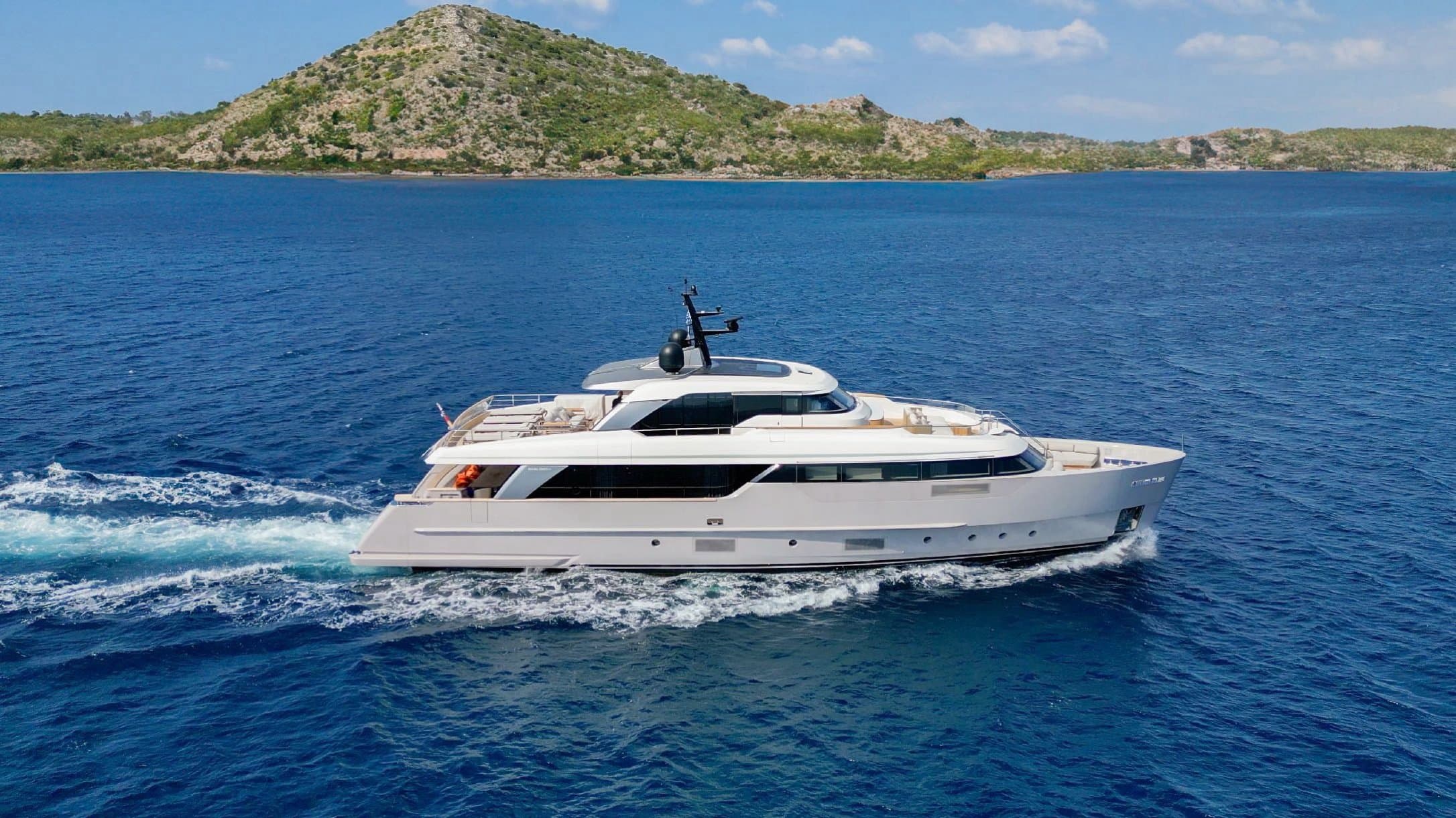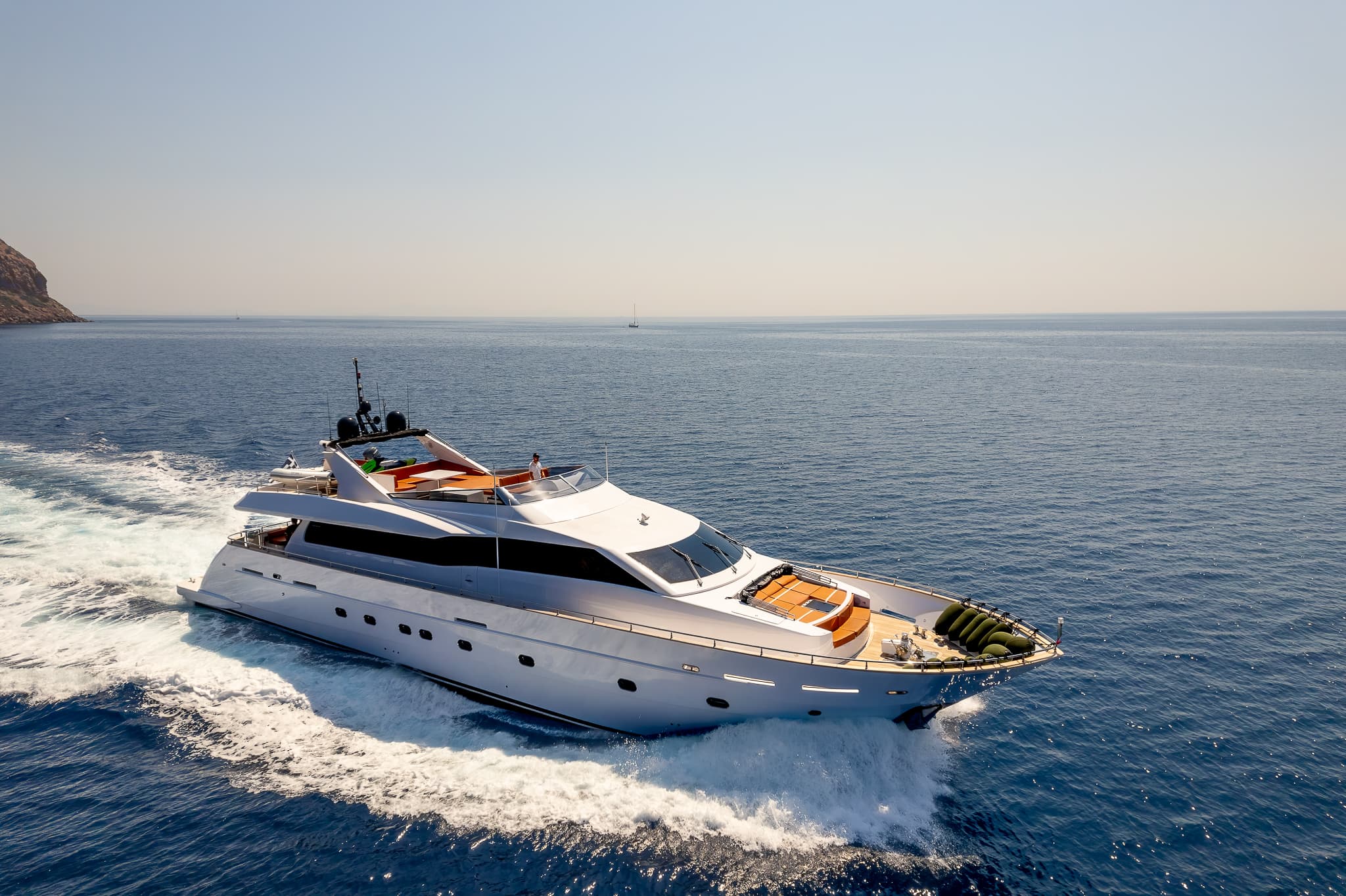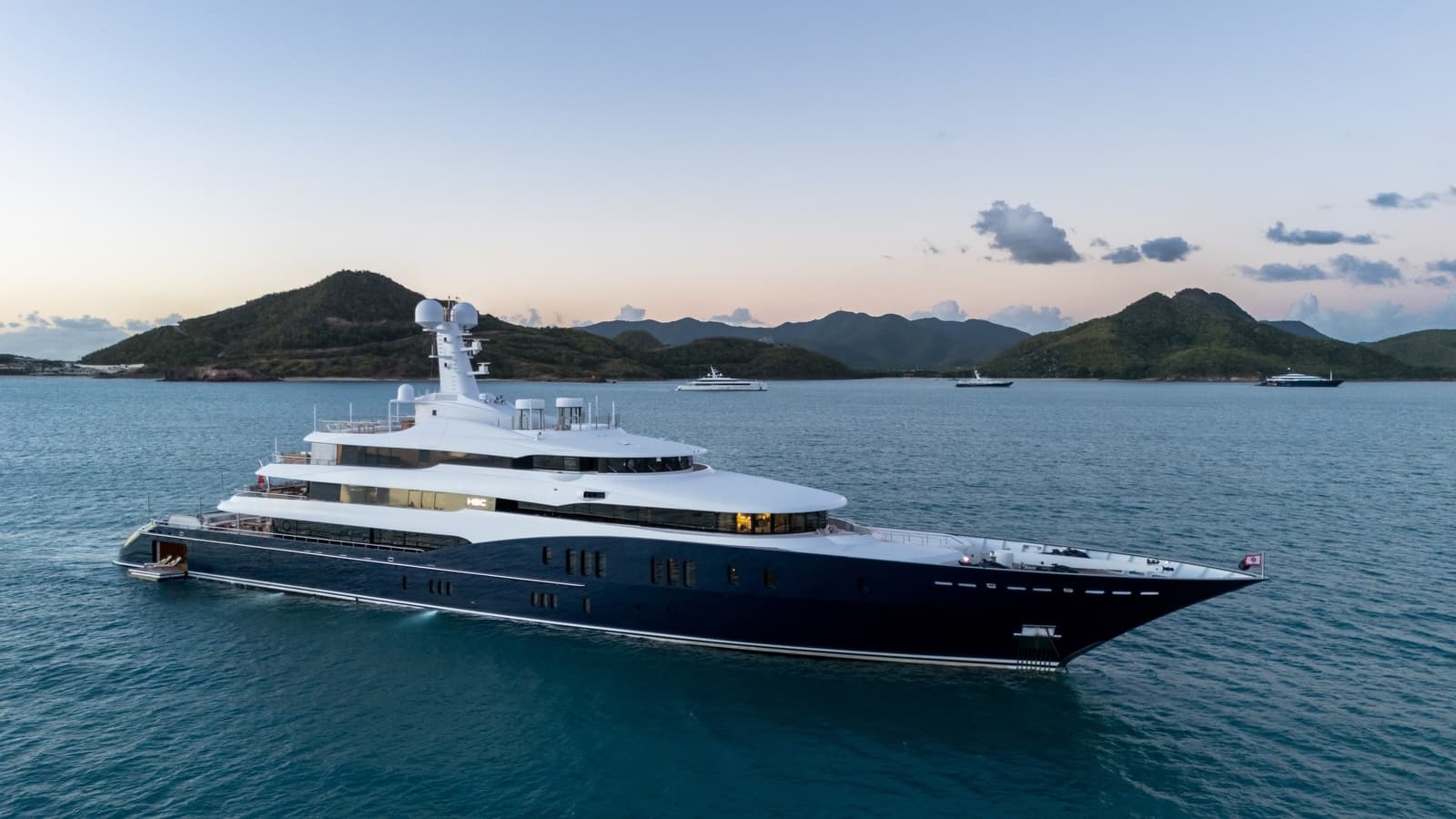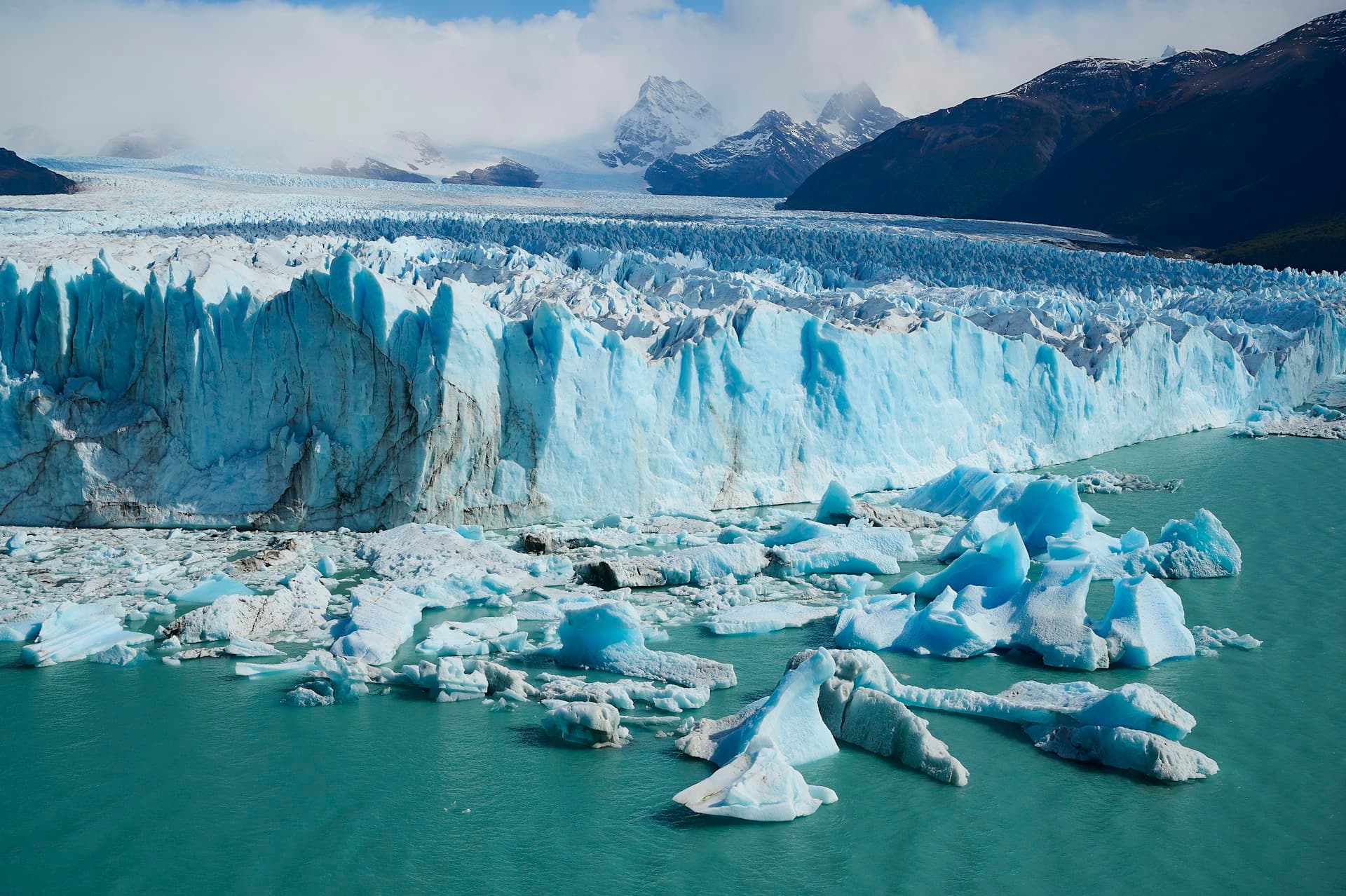
An 8-day private yacht charter through Norway's fjords is a journey into one of Europe's most dramatic coastal landscapes. This 326-nautical-mile route from Stavanger to Bergen navigates granite-walled fjords, glacier-fed waterfalls, and protected anchorages rarely visited by cruise ships. The voyage culminates in Bergen, one of northern Europe's most historic ports and gateway to the Arctic.
Your VoyageStavanger to Skudeneshavn
Depart Stavanger, a modern oil-industry hub with excellent marina facilities, and motor/sail 32 nautical miles north to Skudeneshavn, one of Norway's best-preserved 19th-century fishing villages. The wooden houses, painted in ochre and white, line narrow lanes that descend to the harbour. The village remains an active fishing port; local restaurants serve excellent fresh fish. Anchor in the protected harbour or pick up a mooring buoy (abundant in Norwegian anchorages). Explore the Maritime Museum or simply wander the village streets. Skudeneshavn is rarely crowded and offers an authentic glimpse of traditional Norwegian coastal life.
Skudeneshavn to Espevaer
Continue north 15 nautical miles to Espevaer, a small island settlement on the edge of the Skagerrak strait. The village has a harbourmaster, a few shops, and good shelter for yachts. The surrounding waters are known for excellent fishing. The lighthouse on the point is a navigational landmark. Espevaer is a good waypoint for checking weather before pushing further north. The island has minimal tourism; ashore, you'll find quiet nature and local hospitality. Good dinghying and snorkelling opportunities in the clear, cold water.
Espevaer to Fitjar
A 12-nm passage northeast to Fitjar, a low-lying island group with multiple small villages and excellent fishing heritage. The main settlement, Fitjar, clusters around the harbour. The islands are known for their boat-building tradition and maritime culture. The local museum documents this heritage. Fitjar offers good provisioning and several restaurants serving local specialities. The surrounding waters are home to sea eagles and porpoises. Anchor in the main harbour or explore smaller bays by dinghy. The landscape is rolling moorland and small farms; the pace of life is slow and genuinely Norwegian.
Fitjar to Bergen
A longer 78-nm passage northeast crosses open water and brings you to Bergen, the ancient Hanseatic trading port and capital of western Norway. The approach into the outer harbour gives a sense of the city's geography — surrounded by seven mountains, sheltered by islands, with the colourful timber buildings of Bryggen (the old wharf) rising above the waterfront. Bergen is a major port; ensure your berth at Bergenshavn Marina (on the inner harbour) is confirmed in advance. Once ashore, Bryggen is UNESCO-protected and mandatory: narrow lanes between merchant buildings, the Hanseatic Museum, waterfront restaurants, and local colour. The city has excellent provisioning, museums, and restaurants; plan to spend a full day or more exploring.
Bergen to Hardangerfjord (Rosendal)
An early departure from Bergen heads east-southeast for 65 nautical miles to the Hardangerfjord, often called the "Queen of Norwegian Fjords." The fjord is enormous — over 100 km long — with dramatic granite walls and hanging glaciers. Rosendal, at the fjord's head, is a small settlement dominated by Barony — a stately home with gardens, now a cultural centre. The anchorage is sheltered and stunning; the fjord walls rise thousands of metres on either side. In June–July, waterfalls cascade from glacial melt. Evening visits to the Barony gardens (if time permits) reward the effort. The surrounding landscape is wilderness; except for the small village, there is minimal development.
Rosendal to Leirvik
Motor/sail 54 nautical miles back down the Hardangerfjord and southwest to Leirvik, a fishing village on the west coast. The passage offers more fjord scenery — glacier-fed bays, sea-eagle sightings, and complete solitude. Leirvik is a genuine working harbour with fishing boats, small shops, and a few guesthouses. Local restaurants serve catch-of-the-day. The village is untouched by tourism marketing; ashore feels like stepping back 50 years. An excellent place to rest, resupply, and experience authentic Norwegian coastal life.
Leirvik to Skudeneshavn
Motor/sail south-southwest for 42 nautical miles back to Skudeneshavn, retracing part of the earlier route. The passage offers time to process the beauty of the fjords and prepare for the return to Stavanger. Stop at Skudeneshavn for a final evening in the village; the light at this latitude (in late June–July) stays in the sky until 10–11 p.m., allowing long twilight dinners ashore.
Skudeneshavn to Stavanger
A 32-nm return to Stavanger completes the circuit. Depending on winds and schedule, aim for a mid-afternoon arrival, giving time for a final walk through the city or a meal before disembarkation. The harbour entry is well-marked and straightforward.
Season
June through August is the only realistic window for this itinerary. June offers the longest daylight (nearly 24 hours at Bergen's latitude); July is warmest and most reliable for settled weather; August begins to see deteriorating conditions in the north. May and September are risky — the weather is unpredictable and nights are cold.
Embarkation
Stavanger Marina (Marina Stavanger) is modern, well-equipped, and easy to reach from the airport. Full provisioning, fuel, and repair facilities are available. Bergen's Bergenshavn Marina is equally professional and centrally located — ideal if you prefer to end your charter there rather than return to Stavanger.
Provisioning
Stavanger, Bergen, Skudeneshavn, and Fitjar have supermarkets and fish markets. Supplies in smaller settlements are limited. Fresh seafood (salmon, cod, crab) is available in most harbours and is excellent value. Carry a good stock of provisions from Stavanger if you plan extended time in remote fjord anchorages.
Weather & Navigation
Norway's coastal waters are charted in exceptional detail; navigation is straightforward. However, weather can deteriorate rapidly. The open passage between Fitjar and Bergen crosses the North Sea and can be rough in strong winds. Seek shelter immediately if conditions worsen. Fjord anchorages offer excellent protection; once inside a fjord, you have safe refuge. Tidal streams are minimal; currents at fjord entries are predictable.
Midnight Sun
Late June to late July experiences near-24-hour daylight at this latitude. The continuous light is disorienting but magnificent. Bring good sunscreen and sunglasses; sleeping becomes an act of will.
This itinerary is a suggestion.
Your captain will tailor the route based on weather windows. Strong winds may require staying in sheltered anchorages for a day or two. The beauty of charter sailing is flexibility — if you find a fjord anchorage particularly compelling, stay longer. Alternatives include detours to smaller fjords (Hardangerfjord has countless side arms) or exploring the Sognefjord (Norway's longest fjord) if time and weather permit.
| Day | From | To | NM | |
|---|---|---|---|---|
| 1 | Stavanger | → | Skudeneshavn | 32 |
| 2 | Skudeneshavn | → | Espevaer | 15 |
| 3 | Espevaer | → | Fitjar | 12 |
| 4 | Fitjar | → | Bergen | 78 |
| 5 | Bergen | → | Hardangerfjord (Rosendal) | 65 |
| 6 | Rosendal | → | Leirvik | 54 |
| 7 | Leirvik | → | Skudeneshavn | 42 |
| 8 | Skudeneshavn | → | Stavanger | 32 |
| Total | 326 | |||