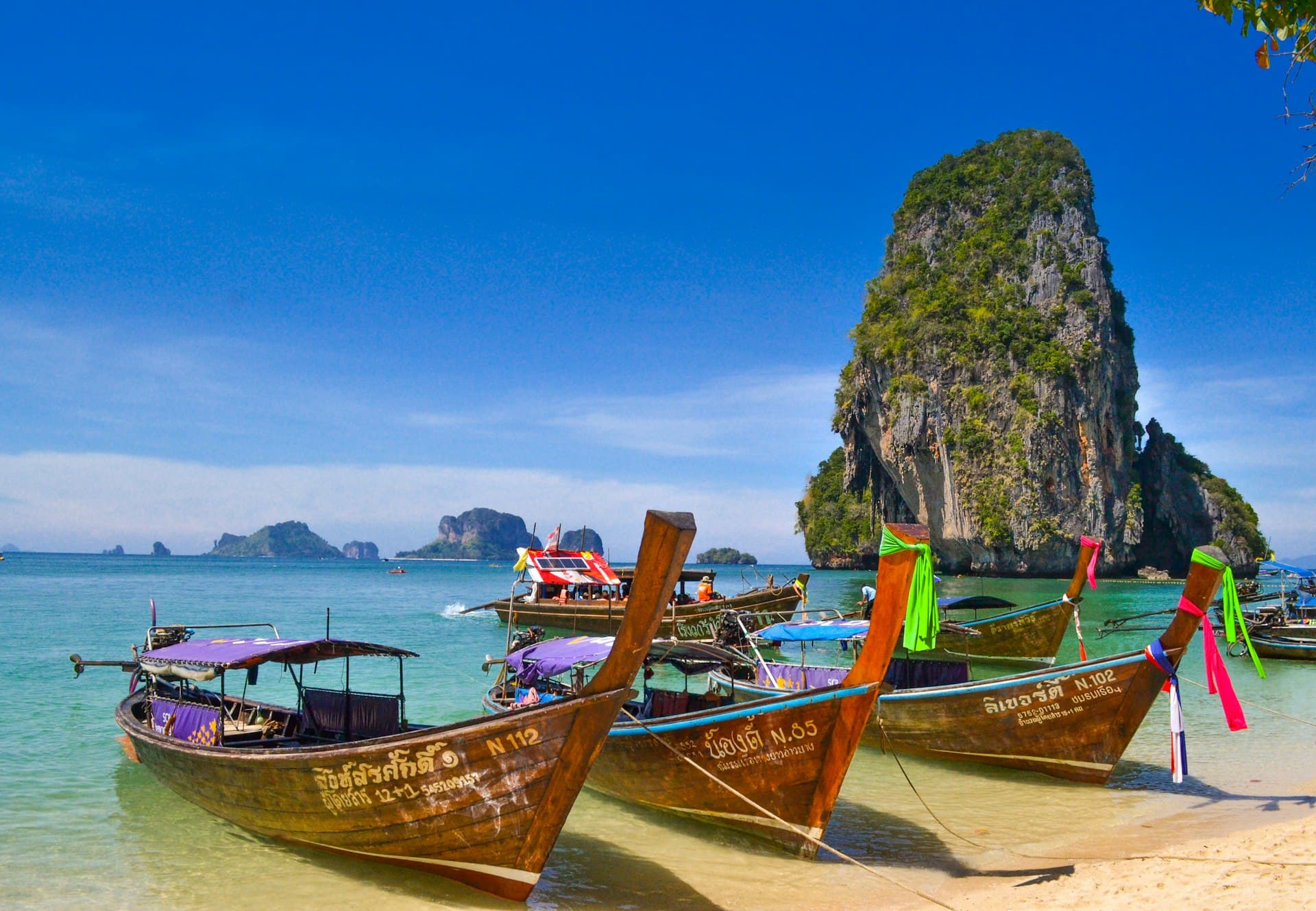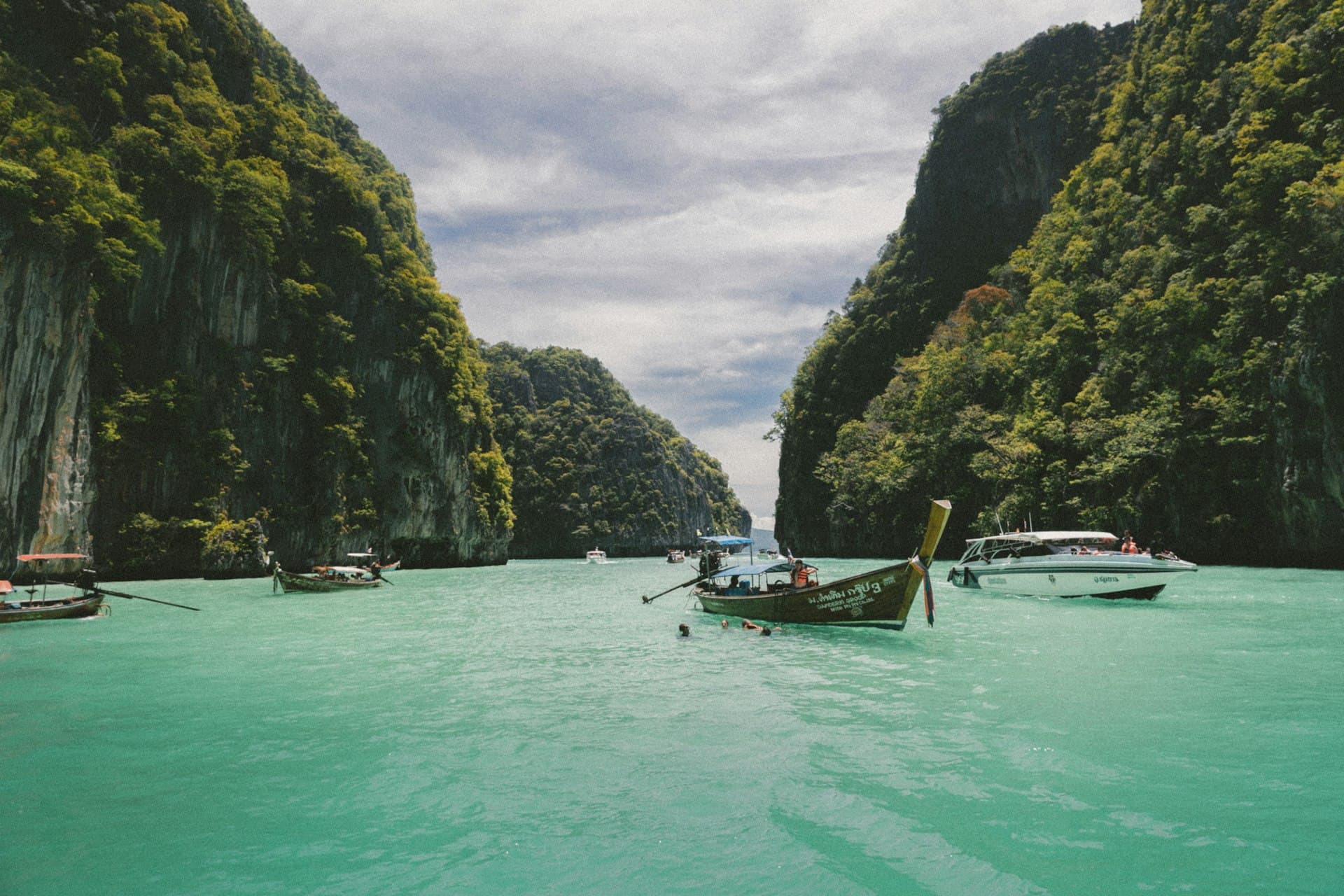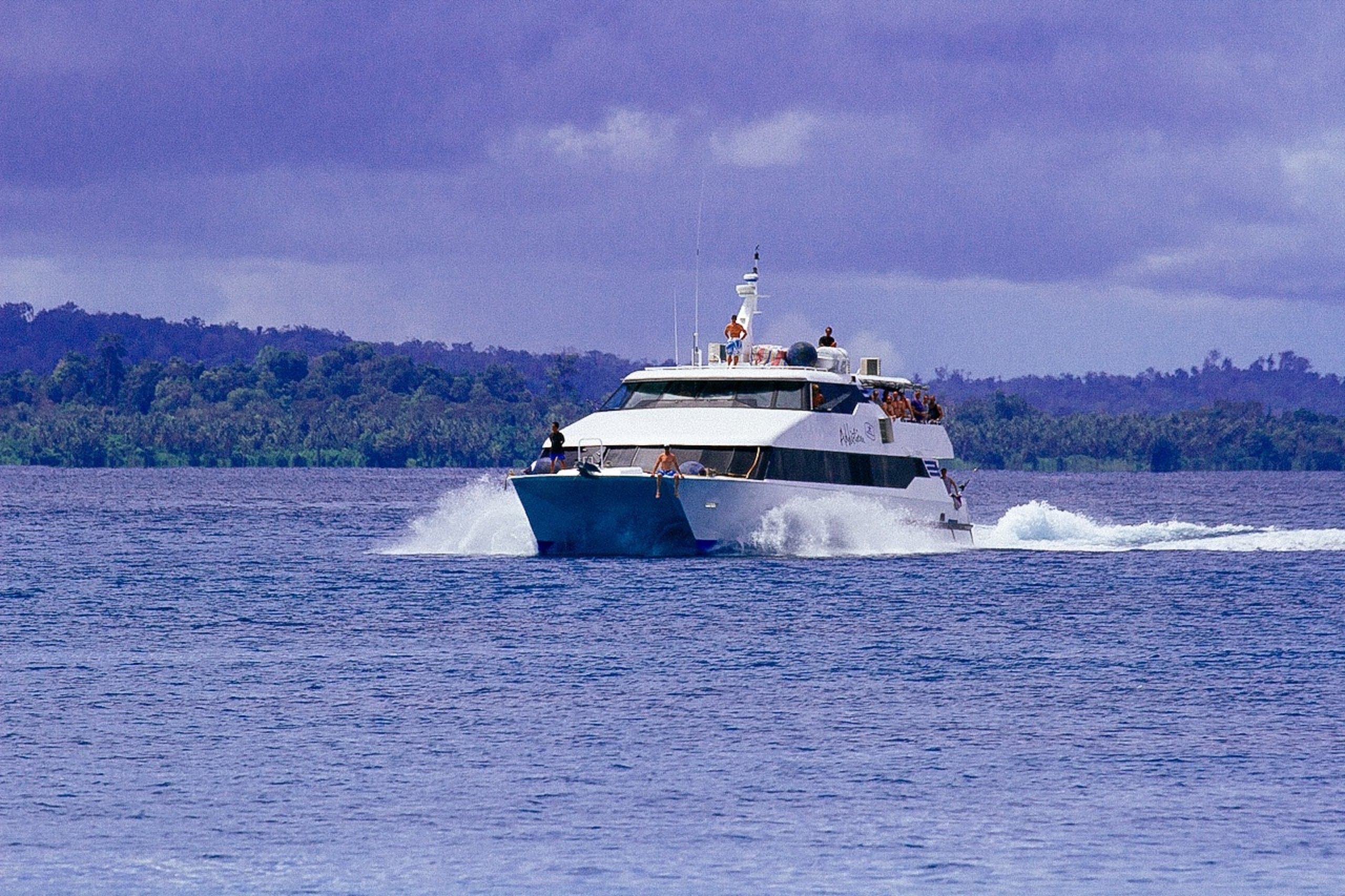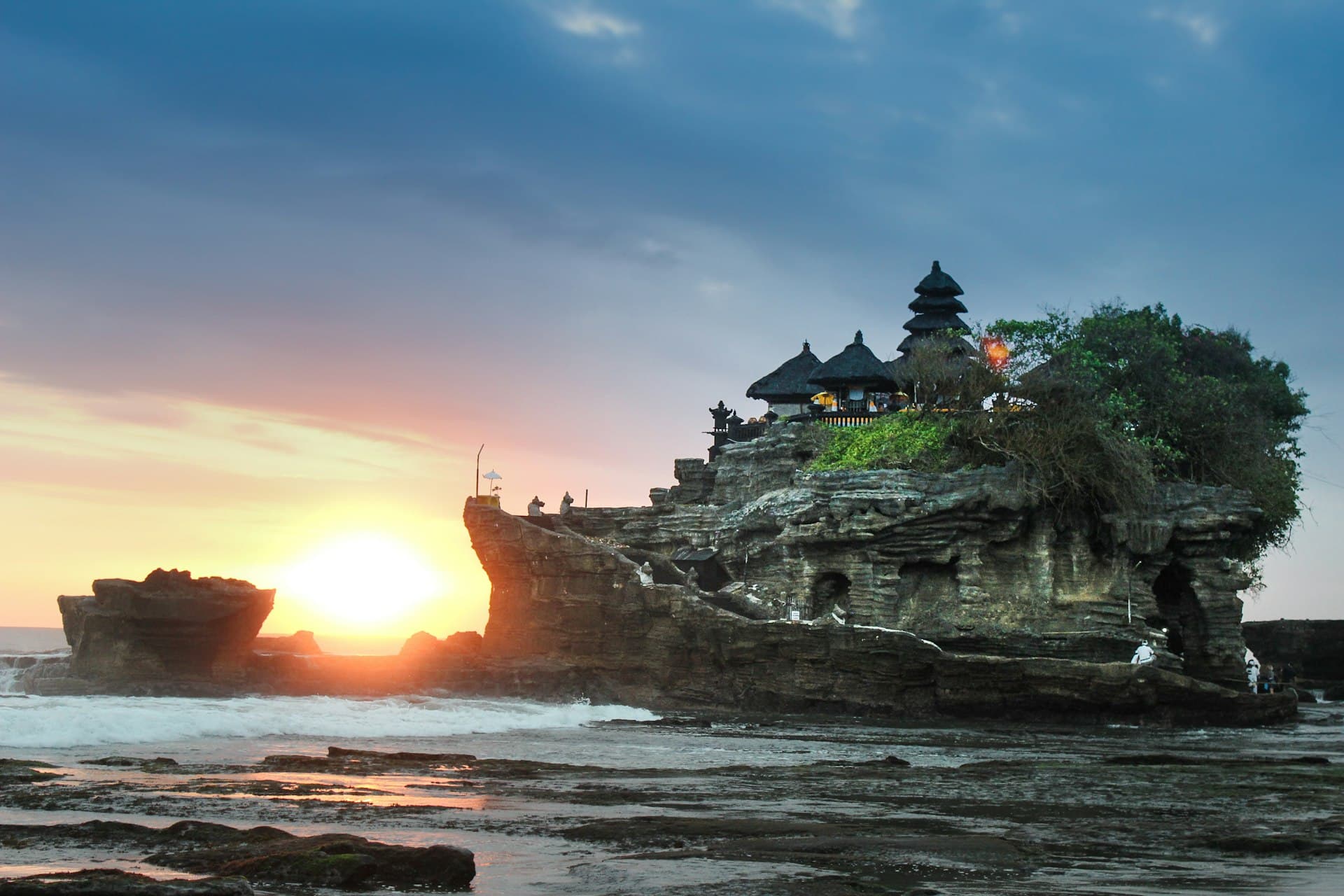
Raja Ampat translates from the Papuan as ‘Four Kings’, for the four large islands — Waigeo, Batanta, Salawati and Misool — that anchor the archipelago. The islands themselves are spectacular: limestone karst rising from the Ceram Sea, covered in dense jungle, their bases undercut into mushroom formations at the waterline. But it is what is beneath the water that brings the Indonesia superyacht charter to Raja Ampat specifically: the Coral Triangle, of which Raja Ampat is the epicentre, contains more species of coral and fish than any other marine environment on earth.
The diving in Raja Ampat is variable in the way that any 1,500-island archipelago is variable, but the best sites are genuinely exceptional. Misool, the southernmost of the four kings, has a network of sea caves and underwater lagoons in its limestone karst that harbour schooling fish in densities that make the water seem opaque: baitfish balls so thick that the light fails to penetrate, attended by trevally, barracuda and the occasional sailfish. Cape Kri, near Sorong, holds the world record for fish species diversity counted on a single dive: 374 species in one 80-minute survey.
The passage to Raja Ampat from Bali — the conventional starting point for an Indonesia superyacht charter — covers roughly 1,500 nautical miles and takes four to seven days depending on the vessel. The sensible approach is to break the passage at Komodo National Park, which is both a destination in its own right and a logical waypoint on the route east.
Komodo’s combination of exceptional diving and the Komodo dragon encounters ashore is what makes it compelling. The diving — Batu Bolong, Crystal Rock, Manta Point — runs on nutrient-rich currents upwelling from the deep Sape Strait and produces the kind of fish biomass that serious divers travel specifically for. Ashore, the Komodo and Rinca islands support around 5,700 dragons — the world’s largest lizard — in a landscape of dry savanna that looks more like the Australian outback than tropical Indonesia. They are genuinely large (up to 3 metres), genuinely fast over short distances, and entirely self-interested; the rangers who accompany landings carry forked sticks for a reason.
- Raja Ampat — the epicentre of the Coral Triangle and the world's richest reef ecosystem
- Komodo National Park — diving with manta rays and encountering Komodo dragons ashore
- Pink beach at Komodo Island, one of only seven pink-sand beaches in the world
- Bali's Nusa Penida island — mola mola (sunfish) encounters and crystal-clear waters
The Indonesia superyacht charter season in the eastern archipelago — Komodo, Raja Ampat — aligns with the southeast monsoon from approximately April through October. During this period the seas between Bali and West Papua are manageable for offshore passages, the diving visibility in Komodo is at its best (the upwelling currents are strongest, bringing nutrients and excellent visibility), and the manta rays at Manta Point are reliably present. November through March brings the northwest monsoon: seas in the Banda and Ceram can be rough, and the Komodo mantas depart for deeper water. Bali itself — Nusa Penida, Nusa Lembongan — is a year-round Indonesia superyacht charter destination, with the mola mola (ocean sunfish) sightings at Nusa Penida concentrated between July and October.