Charter in Mallorca: What to Expect
Mallorca operates at two speeds. Palma is a functioning capital with a Gothic cathedral, serious restaurants, and the kind of deep-water marina infrastructure that makes it a year-round superyacht hub: Club de Mar handles yachts up to 170 metres, Port Adriano (Philippe Starck's redesign) takes vessels to 100 metres, and Puerto Portals — the original millionaires' marina — accommodates up to 60 metres. STP Shipyard is Europe's premier open-model refit yard, with the continent's only 1,000-tonne Travel Lift, 130,000 square metres of capacity, and over 600 contractors on site.
Then you leave Palma. Within an hour's passage north, the coastline transforms into the Serra de Tramuntana — a mountain range rising to 1,445 metres that drops as sheer cliffs directly into the sea. The coves below — Cala Deià, Port de Sóller, Formentor — are among the most beautiful in the Mediterranean, and several are accessible only by sea. A week here moves between the city's restaurants and galleries and the mountains' isolation without ever feeling like a compromise.
Anchorages & Highlights
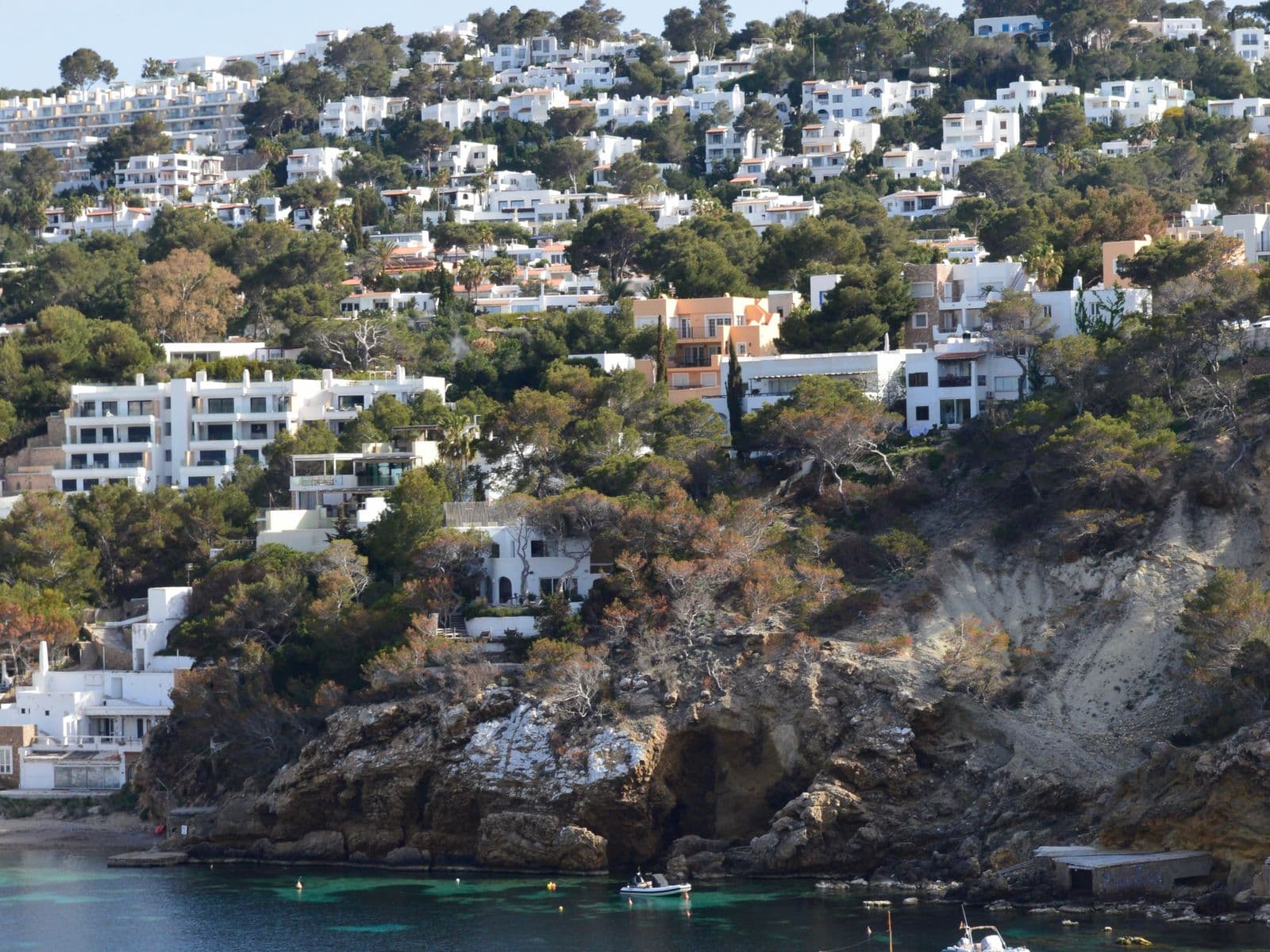
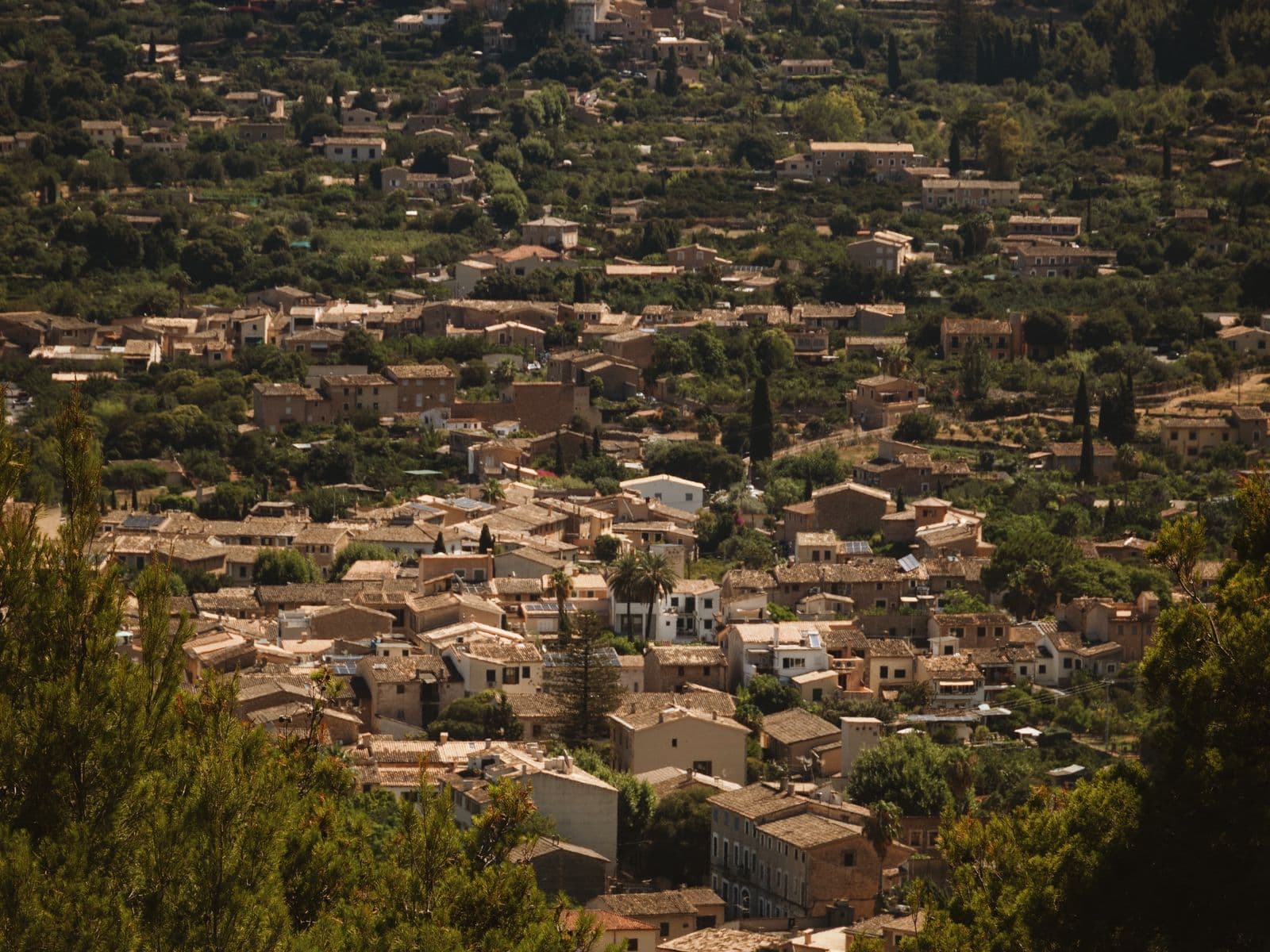
Cala Deià sits below the artist village of Deià (once home to Robert Graves) — anchor off in a sandy patch and tender to the pebbly cove. Port de Sóller is a mountain-ringed working port connected to Sóller town by a historic tram, surrounded by orange groves. Formentor, on the island's northern tip, offers dramatic cliff-face anchorage where the Tramuntana meets the sea. On the south coast, Es Trenc is a long white-sand beach with shallow, crystal-clear water over sandy bottom.
Cabrera National Park, eleven nautical miles off the south coast, is the crown jewel — but also the most regulated anchorage in the Balearics. Free anchoring is prohibited; only designated mooring buoys may be used. Permits must be applied for 3–20 days in advance, a maximum of 50 yachts are allowed simultaneously, and vessels over 35 metres require special authorisation. High-season permits are limited to a single day. The effort is justified: Cabrera's water clarity and marine life are on another level entirely.
The Balearic Posidonia regulations are the strictest in the Mediterranean. Anchoring on Posidonia oceanica seagrass is prohibited throughout the islands, enforced by 24 dedicated wardens on 18 patrol boats from May to October — over 50,000 inspections were logged last season. Use the Balearic Marine Cluster app (250+ coves mapped with Posidonia overlays) before every anchor drop.
Best Time to Charter in Mallorca
The season runs from April to October. September is widely considered the best month — warm seas (24–25°C), lighter crowds, excellent availability, and the embat (the gentle southerly sea breeze) at its most reliable. June is a close second. July and August deliver peak heat (~30°C) and peak demand. The Tramontana — the strong northerly that dominates Mallorca's north coast — is most dangerous in late season and winter but can arrive at any time; it creates challenging conditions on the Tramuntana coast (aptly named) while the south coast remains sheltered.
Getting There
Palma de Mallorca Airport (PMI) is one of the best-connected airports in the Mediterranean: 33 million passengers in 2024, 173 non-stop destinations across 36 countries, served by 58 airlines including a United Airlines transatlantic route from Newark. Barcelona connects with over 150 weekly flights. The airport is 15 minutes from Club de Mar and the Palma waterfront.
At Aris Drivas Yachting, we have clients who keep their vessels in Palma year-round for the refit access and the cruising, and clients who fly in for a week and never leave the water. Whether you want a coastal passage from Palma through the Tramuntana to Formentor, a family week split between Cabrera's marine park and Es Trenc's beaches, or a two-week itinerary combining Mallorca with Ibiza and Menorca, we will handle the permits, the berths, and the timing. Contact our charter team to begin planning your Mallorca charter.
Dining & Local Cuisine
Mallorca holds 11 Michelin stars across 10 restaurants in the 2026 guide — a density that reflects an island whose food culture has outgrown the all-inclusive reputation. Bens d'Avall, perched on a cliff between Deia and Port de Soller with one Michelin star, serves a seasonal tasting menu looking directly out to sea — accessible by tender to the cove below, then a short walk up. Ensaimada — the coiled, lard-enriched pastry dusted with powdered sugar — is Mallorca's edible emblem, best eaten at a Palma bakery before 9am. Pa amb oli (bread with oil, tomato, and ham) is the island's daily bread, served in every harbour-side bar. The Binissalem wine region, inland from Palma, produces serious reds from the indigenous Manto Negro grape and whites from Prensal Blanc — both are under-known outside Spain and excellent value. The seafood markets at Palma's Mercat de l'Olivar and Port d'Alcudia are the best provisioning stops for a yacht galley in the Balearics.
- Anchor below Cala Deià and tender to the pebbly cove beneath Deià village — Robert Graves's artist colony in the Tramuntana mountains
- Book a mooring buoy in Cabrera National Park — the most pristine marine reserve in the western Mediterranean, permits required
- Walk from your berth at Club de Mar to Palma's Gothic cathedral and the old town — serious restaurants and galleries within five minutes
- Fly into PMI from 173 destinations — one of the best-connected airports in the Med, 15 minutes from the marina
- Use the Balearic Marine Cluster app before every anchor drop — Posidonia enforcement is the strictest in the Mediterranean (50,000+ inspections/season)
- Sail the Serra de Tramuntana coast — UNESCO-listed limestone cliffs dropping 1,445 metres directly into turquoise water
The Mallorca yacht charter season runs from April to October, with September widely regarded as the finest month: sea temperatures of 24–25°C, the embat sea breeze at its most consistent, and significantly lighter crowds than July and August. June is a close second. July and August deliver peak heat (air temperatures around 30°C) and peak demand across all marinas — berths at Puerto Portals and Port Adriano fill early, and Cabrera National Park day-visit buoys require advance planning. The Tramontana wind, a strong northerly that dominates the north coast, is most frequent in winter but can arrive in any season; it reshapes the Tramuntana coast into rough water while the south coast remains sheltered. Shoulder seasons (April–May and October) offer excellent sailing conditions, lower rates, and easier access to the marinas that command waiting lists during peak weeks.