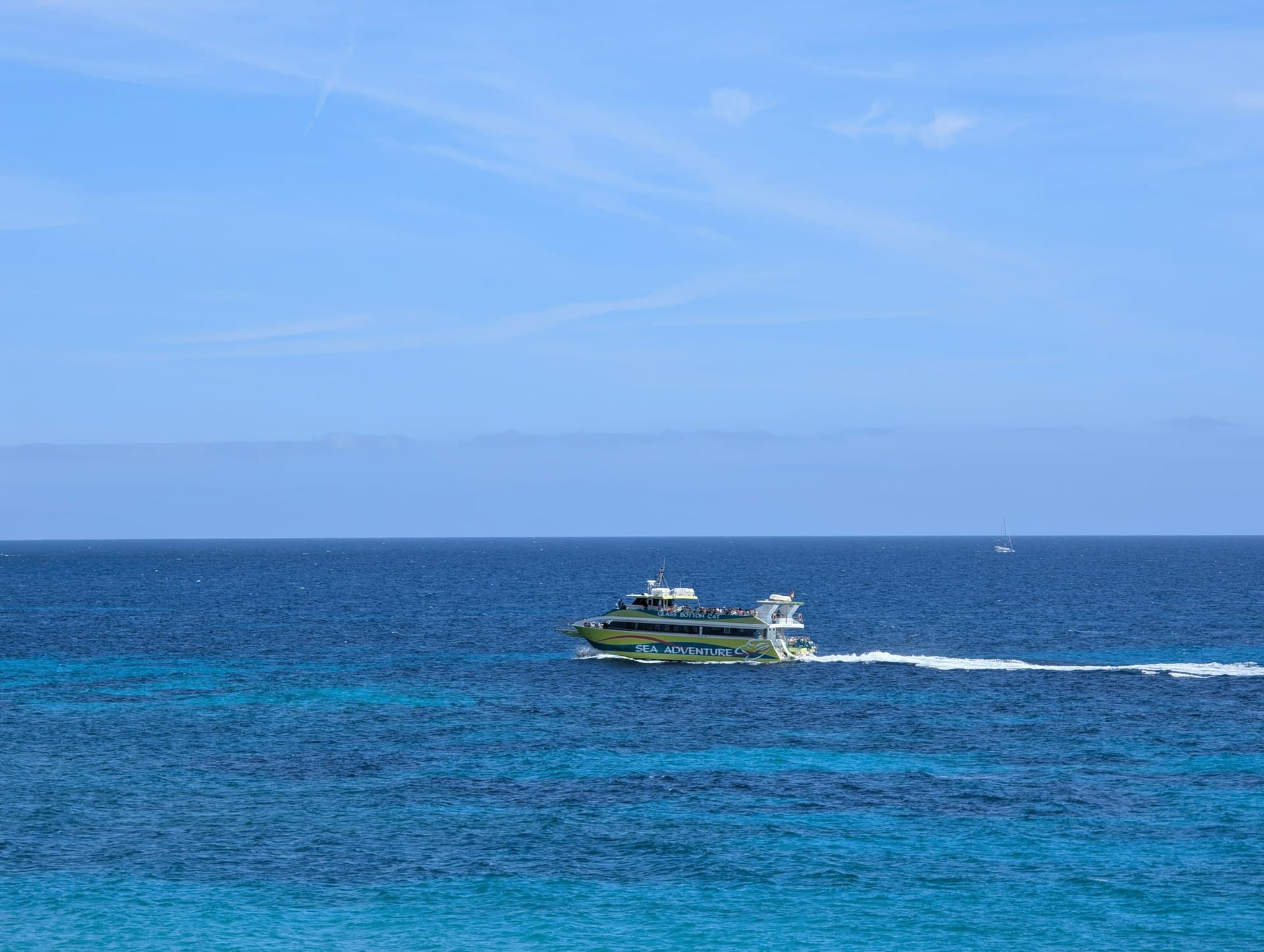
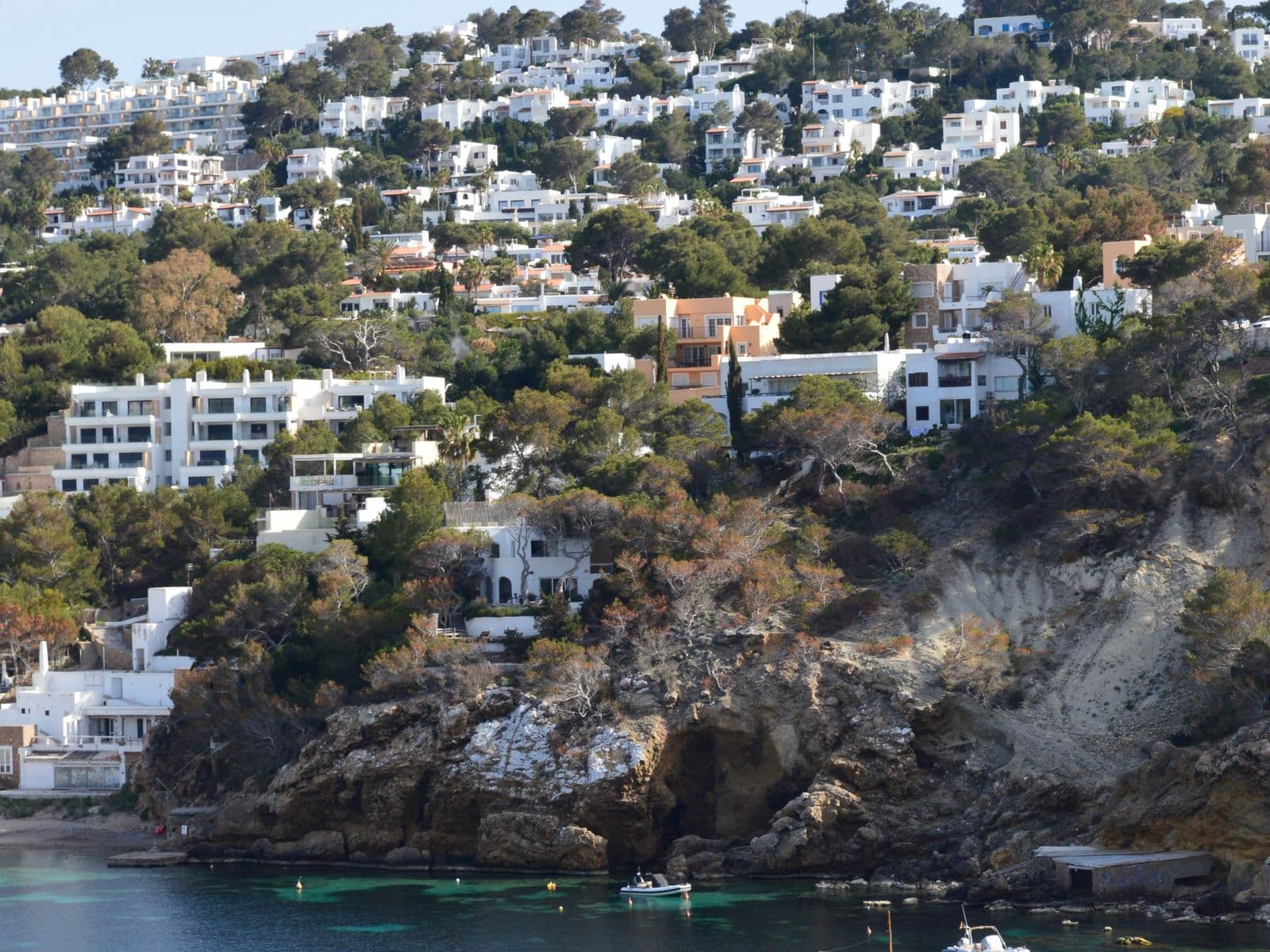
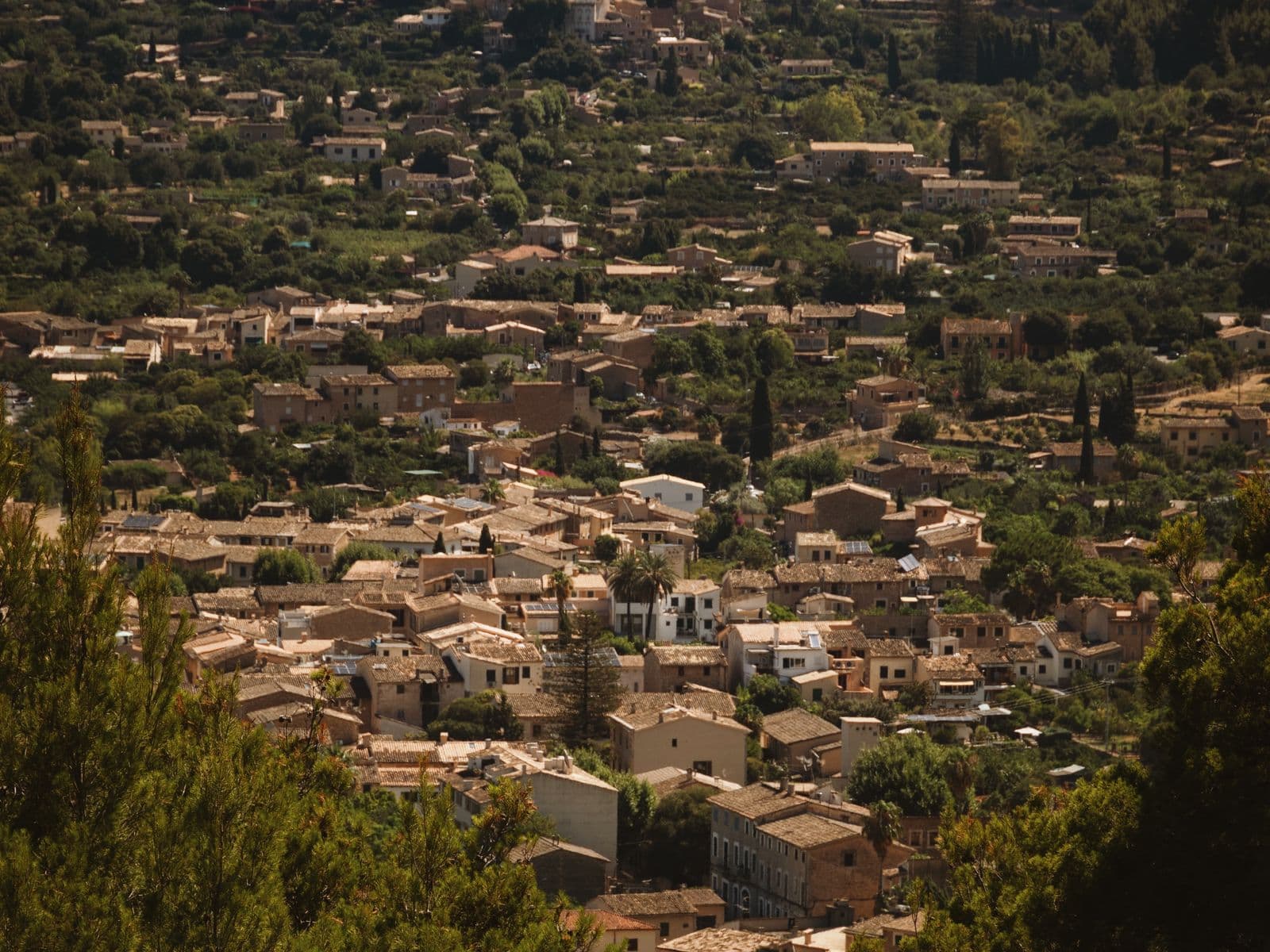
Spain’s Mediterranean charter ground centres on the Balearic Islands — four islands spread across 80 nautical miles of clear, warm water, each with a distinct temperament. On the mainland, Barcelona and the Costa Brava add urban architecture and rocky Catalan coves to any itinerary that begins or ends on the Spanish coast.
The Balearic Islands
The Balearics sit roughly 90 nautical miles off the Spanish mainland, an overnight crossing from Barcelona or a short hop from one island to the next. The archipelago’s appeal is in its contrasts: four islands, each within a few hours’ cruising of the others, each offering something the others do not.
Mallorca
Mallorca is the largest island and the most varied. Palma’s waterfront — dominated by the 14th-century cathedral rising directly from the harbour — provides a sophisticated base with yacht facilities to match any Mediterranean port. The Club de Mar and STP shipyard handle vessels up to 90 metres. North of Palma, the Serra de Tramuntana drops limestone cliffs into deep water along the island’s northwest coast. Anchorages here — Sa Calobra, Cala Tuent, Port de Sóller — are exposed to northwesterly swell but spectacular in settled conditions. The eastern coast offers more protection: Cala Mondragó, Porto Cristo, and the shallow bay at Es Trenc are reliable lunch stops in the prevailing summer winds.
Ibiza
Ibiza’s reputation precedes it, but the island’s coastline tells a more nuanced story. The western shore — Cala Comte, Cala Bassa, Cala Tarida — faces the sunset and offers anchoring over sand in 4 to 8 metres. Ibiza Town’s harbour, Marina Botafoch, and the adjacent Talamanca Bay provide the island’s social centre, with the fortified old town (Dalt Vila, a UNESCO site) visible from every approach. The north of the island — Portinatx, Cala San Vicente, Benirràs — remains quieter and pine-forested, a different character entirely from the south.
Formentera
Formentera lies three nautical miles south of Ibiza, across a shallow strait where the water turns a translucent pale blue over Posidonia seagrass meadows — themselves a UNESCO-protected ecosystem. Ses Illetes, the island’s northern sandspit, is the most photographed anchorage in the Balearics for good reason: the water clarity rivals anything in the Caribbean. The island has no airport; arrival by yacht or ferry preserves a slower pace. Restaurants in Es Pujols and La Savina serve grilled fish and local wine without pretension.
Menorca
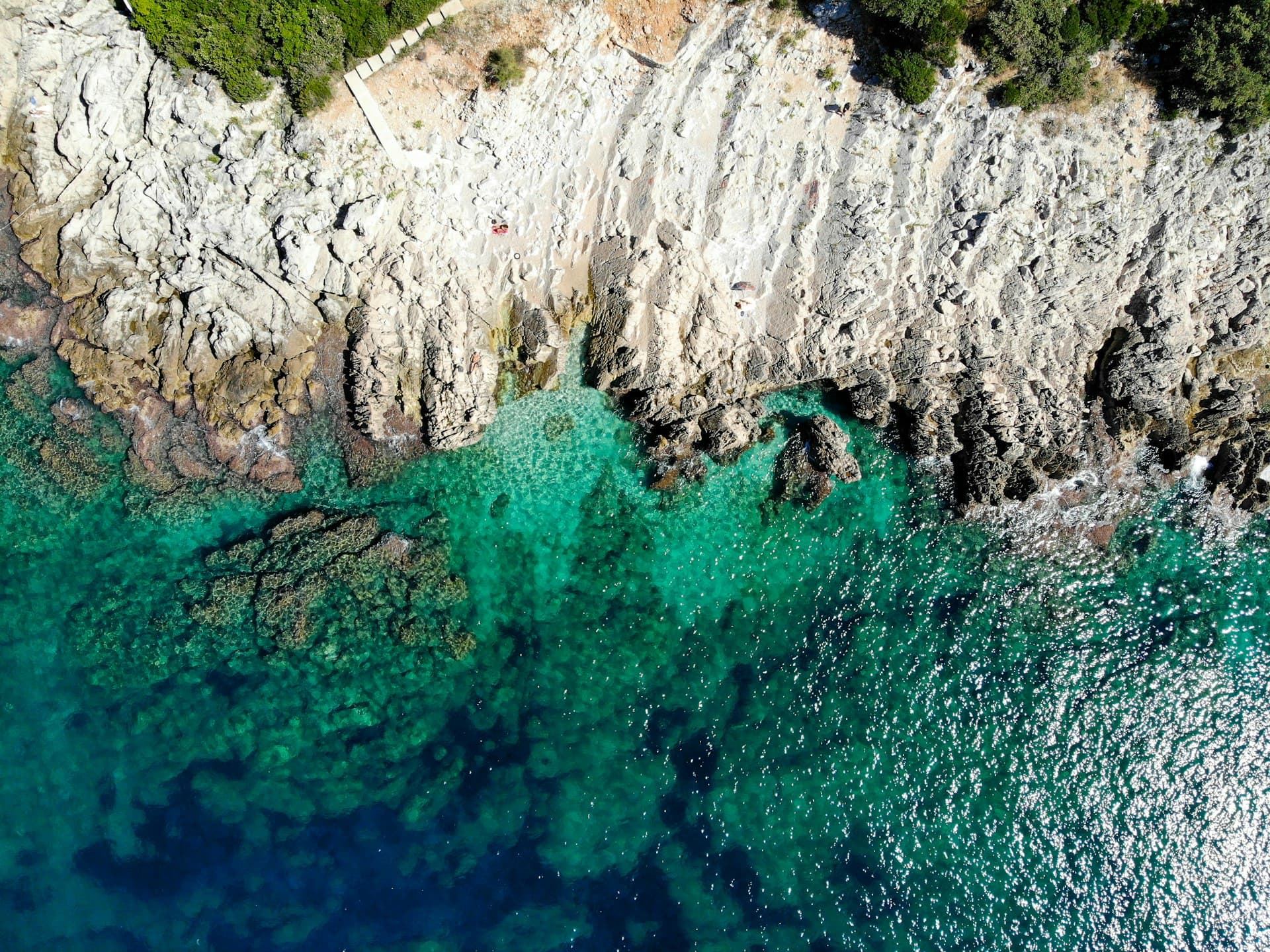
Menorca, the easternmost island, is the least developed and the most sheltered for cruising. Its southern coast is scalloped with narrow calas — Cala Macarella, Cala Turqueta, Cala Mitjana — each carved into white limestone and backed by Aleppo pines. Mahón (Maó) harbour, on the eastern tip, is a deep natural inlet stretching nearly three miles inland, one of the largest natural harbours in the Mediterranean. Ciutadella, on the west coast, offers a more intimate port with sandstone quays and harbourside dining. Menorca was designated a UNESCO Biosphere Reserve in 1993, and its coastline reflects that protection: no high-rise development, minimal light pollution, and an unhurried quality that contrasts sharply with Ibiza 35 miles to the west.
Four islands, four temperaments — connected by water so clear it renders the anchor chain visible at eight metres.
Barcelona and the Costa Brava
Barcelona’s Port Vell marina sits beneath the Gothic Quarter, offering a rare combination of major-city provisioning and direct waterfront access to Gaudí’s architecture, the Boquería market, and the restaurants of Barceloneta. North of the city, the Costa Brava — “wild coast” — runs 100 miles to the French border. The stretch between Tossa de Mar and Cadaqués is the most rewarding by yacht: rocky headlands, small coves, and the surrealist legacy of Dalí at Port Lligat. Anchorages are less protected than the Balearics and more exposed to the Tramontana wind from the north, but in settled weather the coast rewards exploration.
Season and Conditions
The Balearic season runs from May through October, with July and August commanding peak rates. Summer winds are typically southwesterly at 8 to 15 knots — comfortable for passage-making between islands. The Balearics are less affected by the Mistral than the French coast, though strong northerlies can develop in spring and autumn. September is widely considered the best month: warm seas, moderate winds, and a noticeably calmer pace ashore.
The Balearic Islands are the western Mediterranean's premier charter destination — four main islands, each with a distinct personality, all within easy sailing distance of each other and the Spanish mainland.
Ibiza combines world-famous nightlife with a surprisingly serene countryside of pine-covered hills, hidden coves (calas), and a UNESCO-listed old town (Dalt Vila). Formentera, a short hop south, is the anti-Ibiza: flat, quiet, with Caribbean-quality beaches at Ses Illetes and Playa de Migjorn.
Mallorca is the largest island and the most varied — the dramatic Serra de Tramuntana mountains on the northwest coast (a UNESCO World Heritage landscape), the sophisticated harbour of Palma with its Gothic cathedral, and the sheltered bays of the east coast. Menorca, the quietest Balearic, offers pristine coves, prehistoric stone monuments, and a pace of life that feels decades removed from its neighbours.
Most Balearic charters embark from Palma de Mallorca or Ibiza Town. A week covers two islands comfortably; two weeks allow the full circuit. The season runs from May to October, with July and August bringing peak crowds and the liveliest social scene.
Ibiza — Dalt Vila UNESCO old town and legendary nightlife
Formentera — Ses Illetes, the Mediterranean's best beach
Mallorca — Serra de Tramuntana UNESCO mountain coast
Cabrera National Park — pristine marine reserve
Menorca — prehistoric monuments and unspoiled coves
Palma's Gothic cathedral and waterfront dining