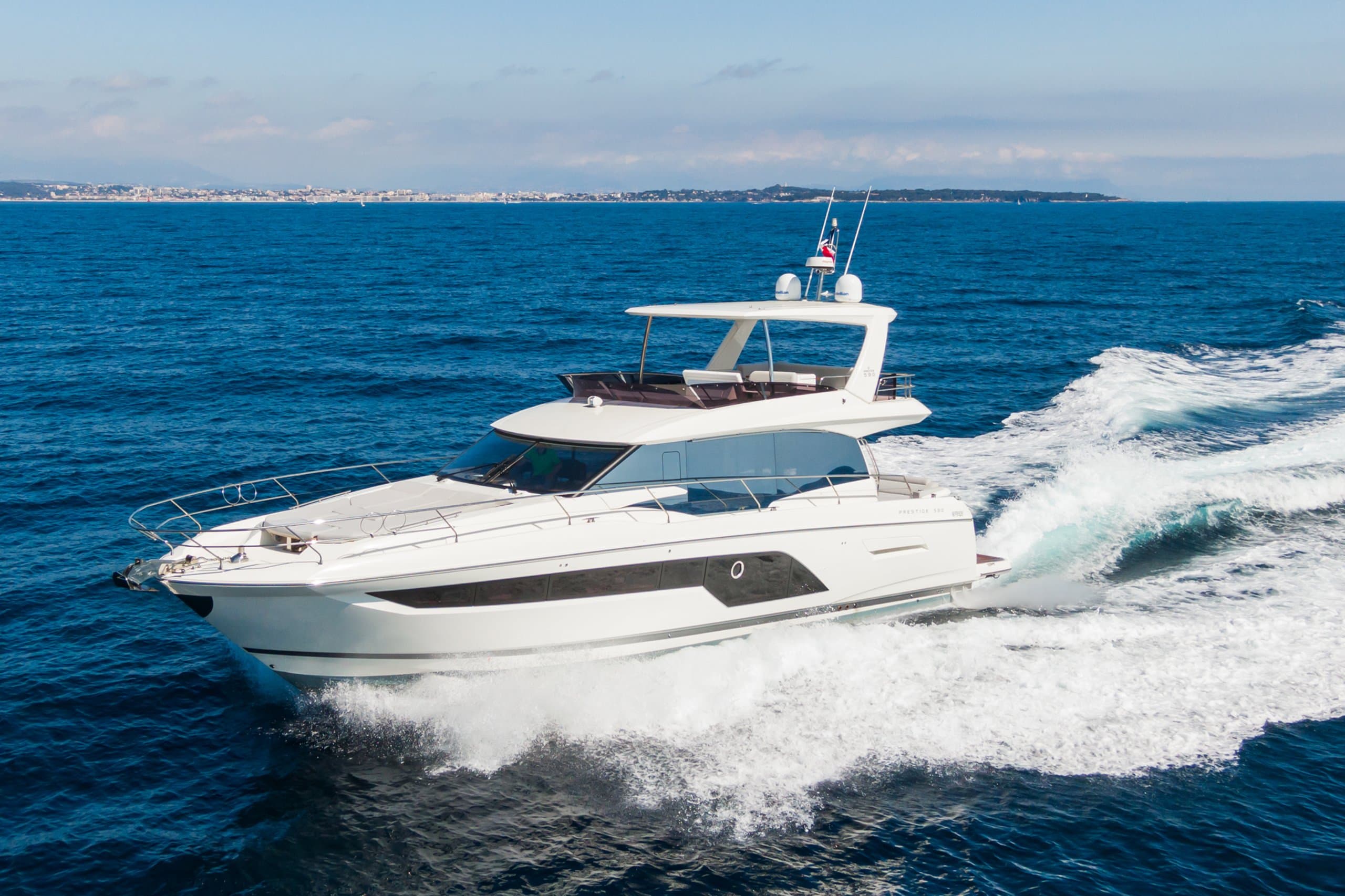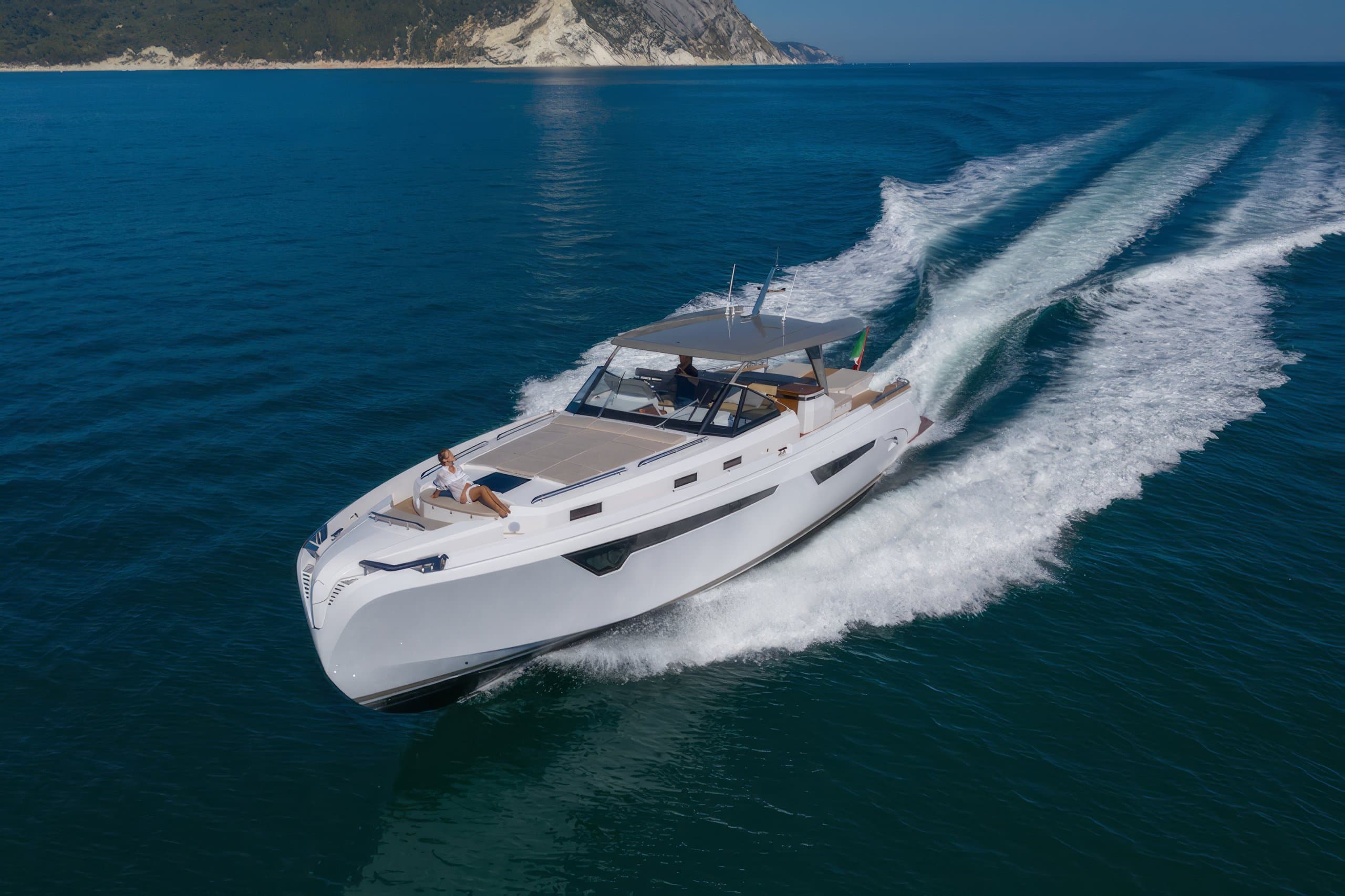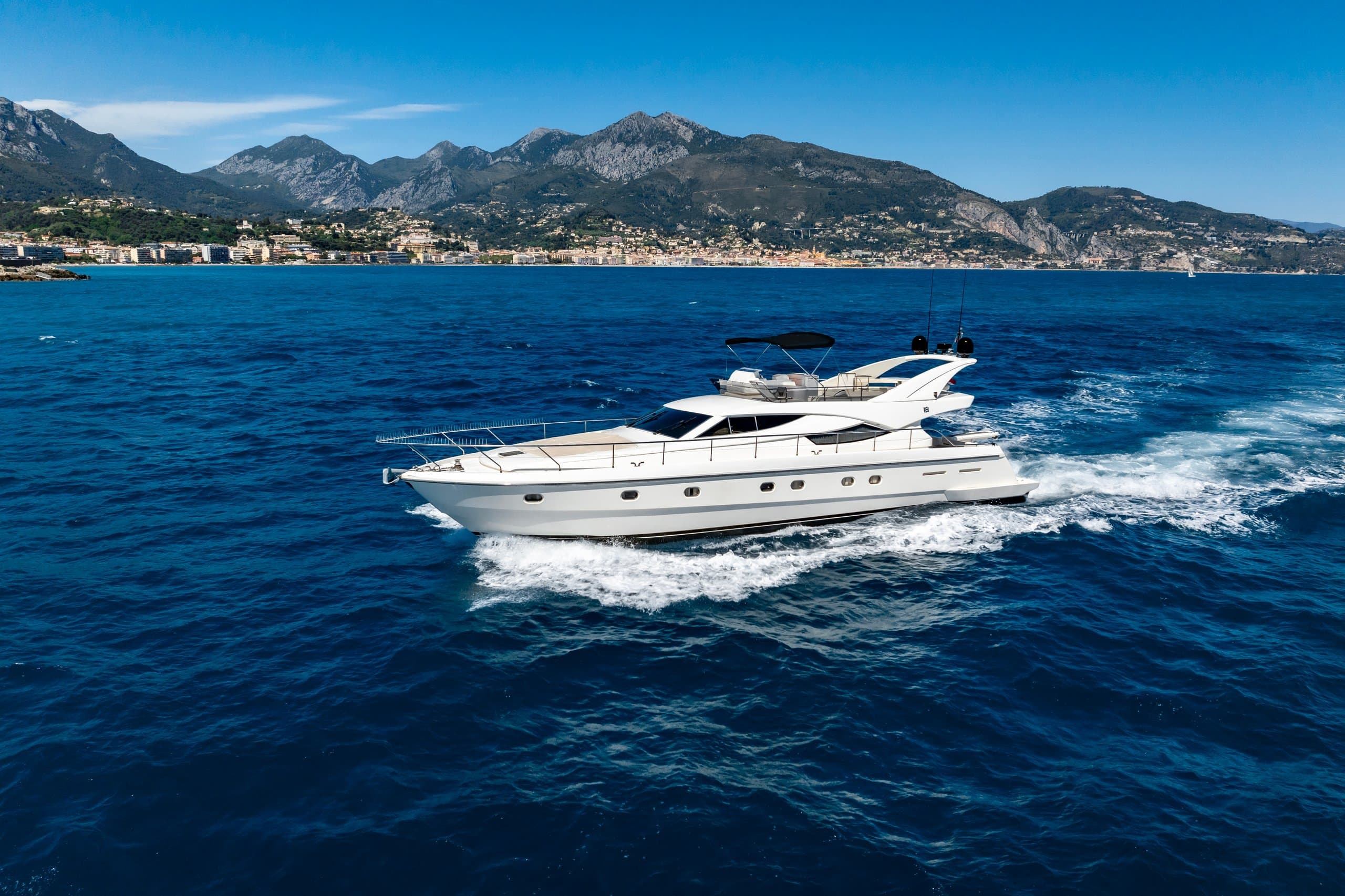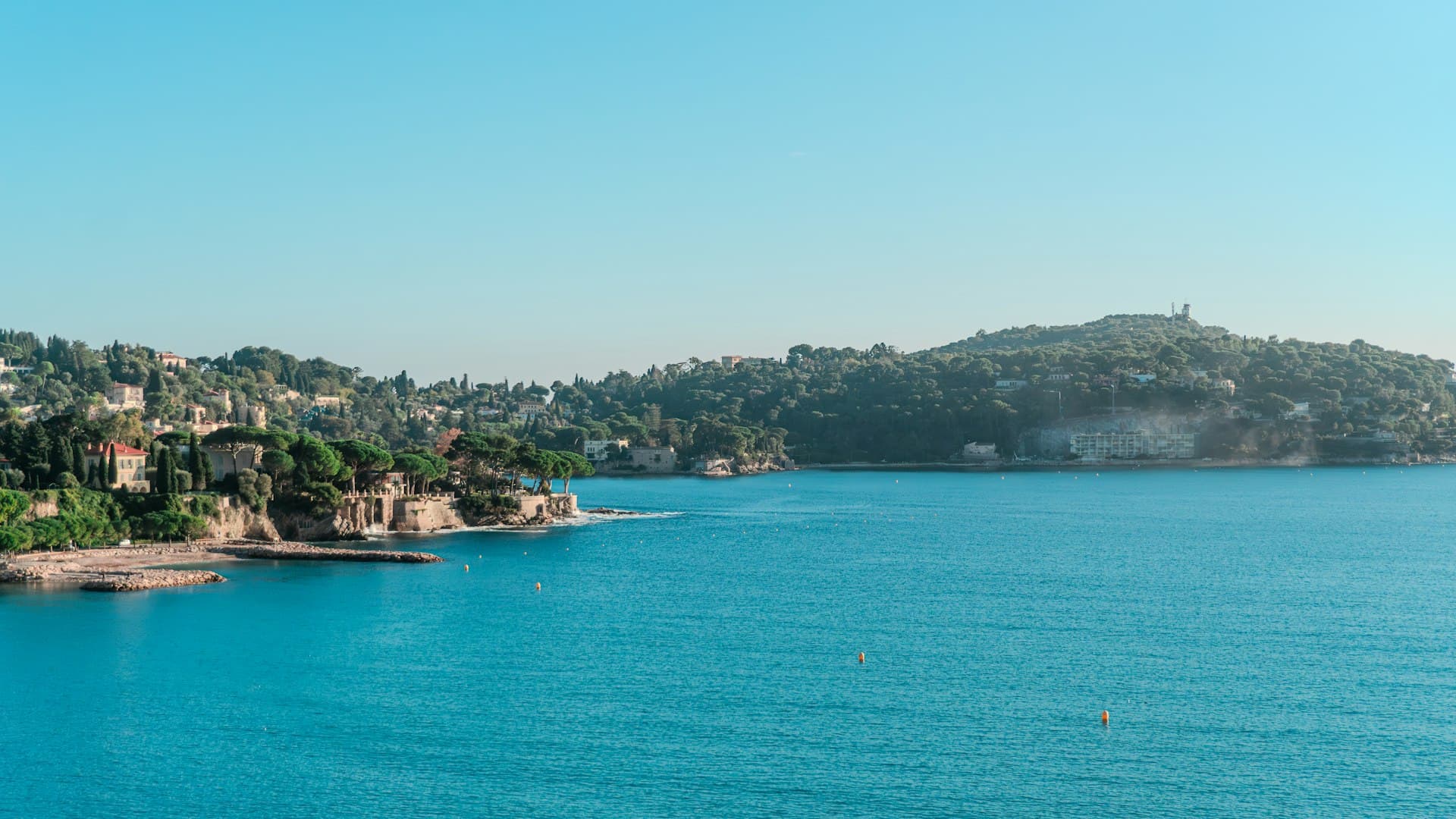
France’s Mediterranean coast divides neatly into two charter experiences: the cultivated glamour of the Riviera, where ports and restaurants set a standard others imitate, and the rugged autonomy of Corsica, where the mountains meet the sea with little concession to development. Together they offer a week — or a fortnight — that balances sophistication with genuine wildness.
The French Riviera
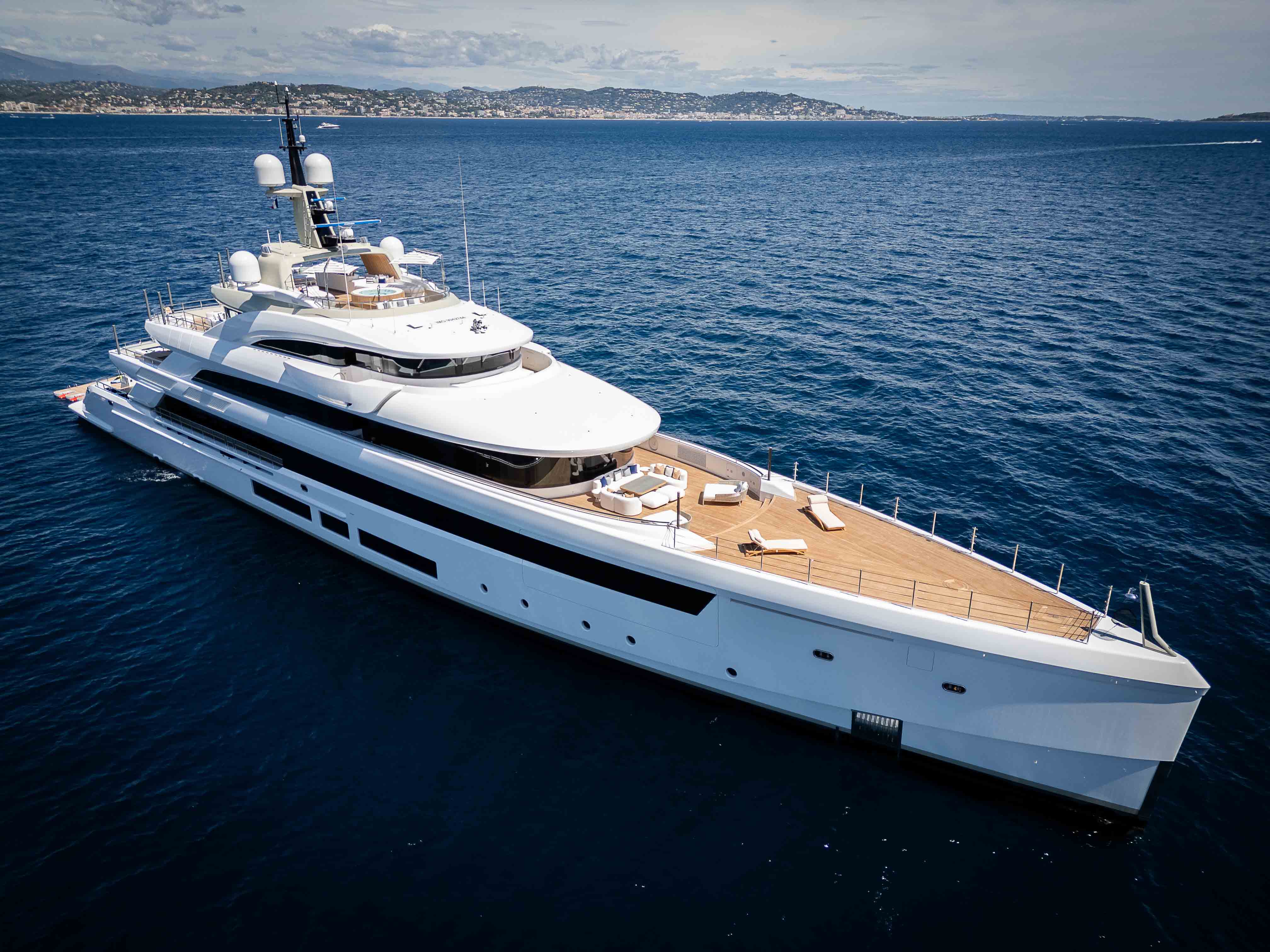
The 60-nautical-mile stretch from Marseille to the Italian border concentrates more yacht infrastructure per mile than anywhere else on earth. Antibes’ Port Vauban is the Mediterranean’s largest marina, with berths for yachts exceeding 100 metres and a refit yard that keeps many vessels here year-round. Cannes offers two main harbours — the Vieux Port beneath Le Suquet and Port Pierre Canto near the Croisette — both well positioned for provisioning and crew changes.
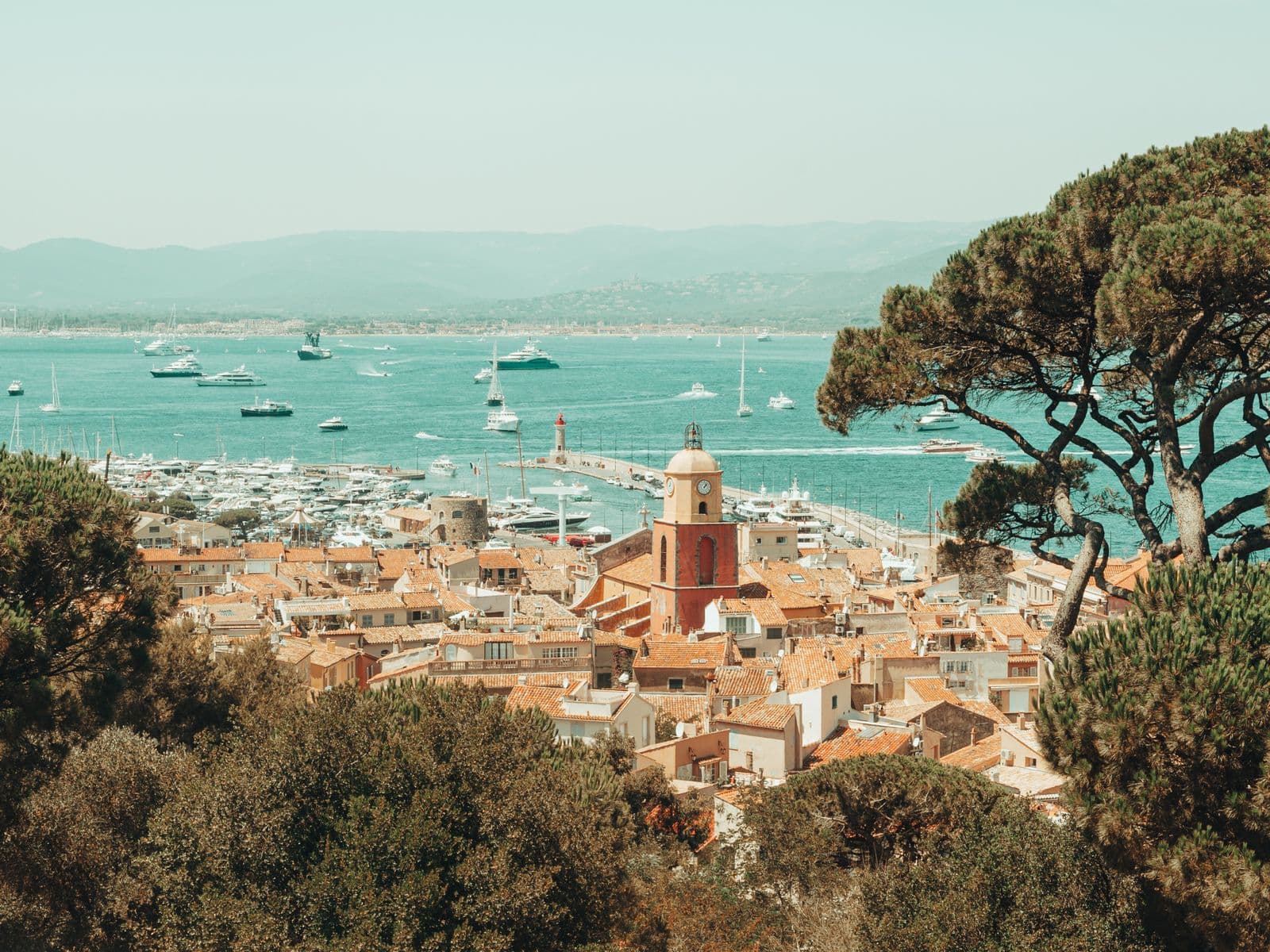
St Tropez remains the social anchor of any Riviera charter. The harbour fills stern-to along Quai Suffren, putting guests within steps of Sénéquier and the Place des Lices market (Tuesdays and Saturdays). Anchoring in the Baie de Pampelonne, a mile south, allows tender access to the beach clubs along Ramatuelle’s coastline. The town is most enjoyable in June or September, when berthing is possible without a three-day minimum stay requirement.
Monaco
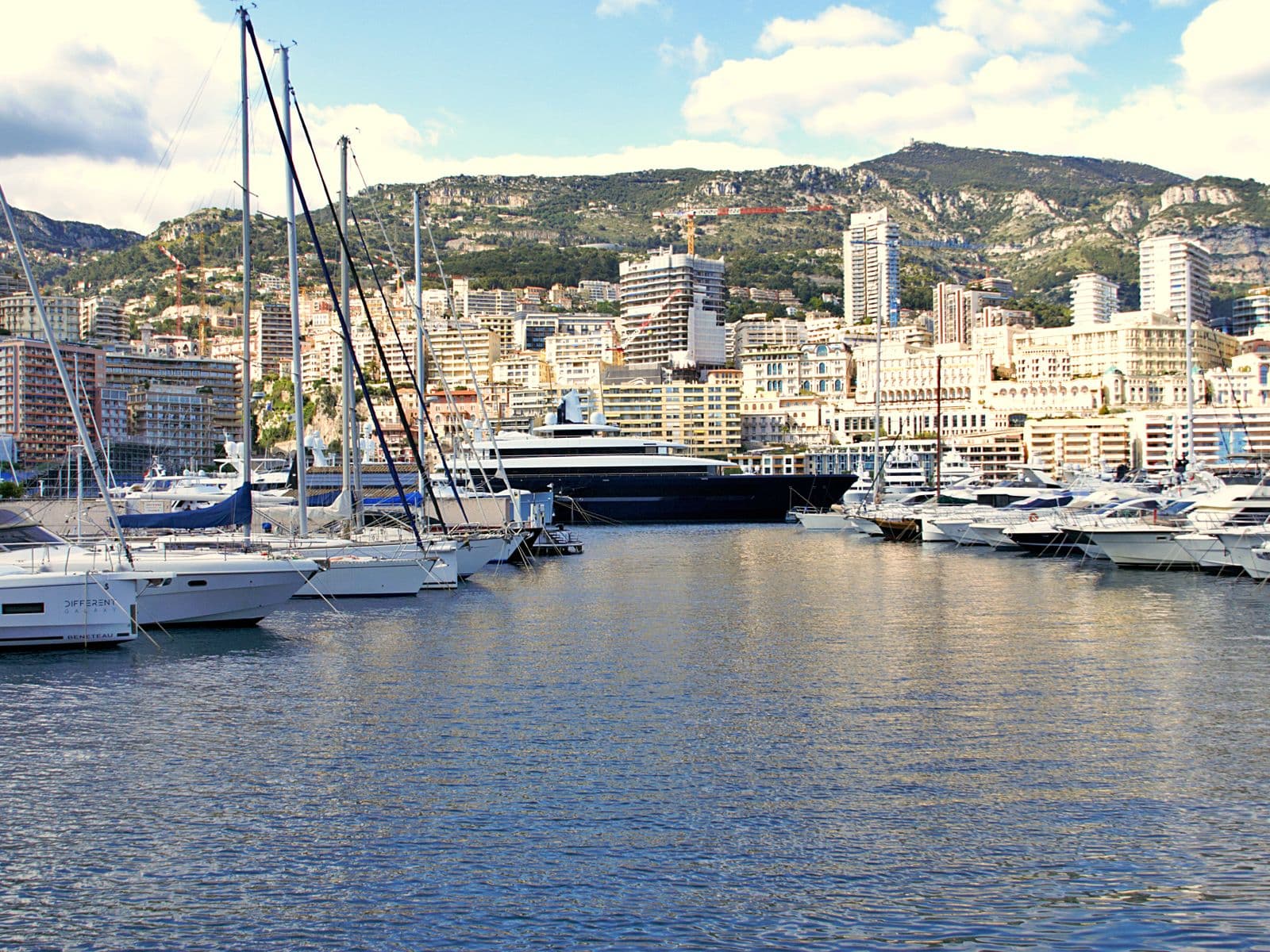
Monaco’s Port Hercule sits beneath the Casino terrace and the Prince’s Palace, offering alongside berths in one of the most photographed harbour settings in the Mediterranean. During the Grand Prix (late May) and the Monaco Yacht Show (late September), berths command a premium and should be reserved months ahead. Outside event weeks, Monaco functions as a well-serviced overnight stop with direct helicopter transfers to Nice airport, seven minutes away.
Corsica
Corsica is France’s geographic outlier — 100 nautical miles southeast of Nice, closer to Sardinia than to the mainland, and dramatically different in character. The island rises to 2,706 metres at Monte Cinto, and its coastline alternates between red granite cliffs, deep natural harbours, and maquis-covered hillsides that perfume the offshore breeze with rosemary and cistus.
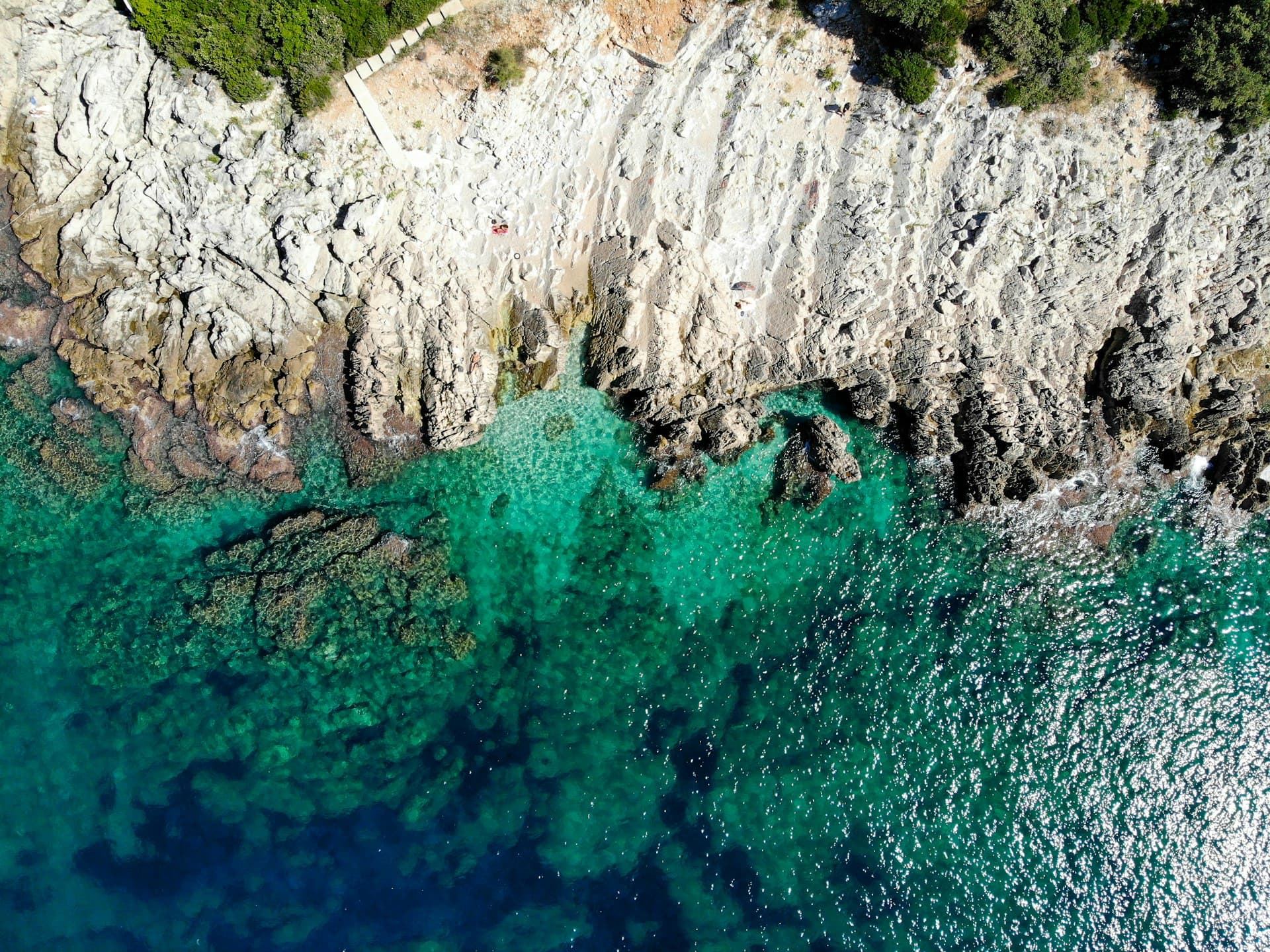
The west coast holds Corsica’s most protected cruising ground. The Gulf of Porto, flanked by the Calanques de Piana — eroded red granite formations — is a UNESCO World Heritage site and best explored by tender in early morning light. Further south, the Scandola Nature Reserve prohibits anchoring but permits slow-speed transit; the underwater visibility here reaches 30 metres. Bonifacio, at the island’s southern tip, is entered through a narrow limestone fjord — a dramatic approach that opens into a sheltered harbour beneath the medieval citadel. The 7-nautical-mile Strait of Bonifacio separates Corsica from Sardinia’s Maddalena Archipelago, making cross-border itineraries straightforward.
The east coast is flatter, less indented, and more exposed to prevailing winds — most charter itineraries concentrate on the west and south.
Stern-to in St Tropez by evening, anchored alone beneath Corsican granite by the following afternoon — sixty miles apart, a continent in contrast.
Season and Conditions
The Riviera season peaks in July and August, when harbour demand is highest and the Mistral — a strong northwesterly funnelling down the Rhône valley — can accelerate to 30 knots with little warning, particularly west of Toulon. The Mistral typically blows for three, six, or nine days and clears the sky to a hard blue. East of St Tropez, its effects diminish significantly. Corsica receives a gentler version, and its western anchorages provide natural shelter.
Late May, June, and September offer the most agreeable combination of settled weather, available berths, and restaurants operating at full capacity without reservation pressure. Water temperatures peak in August at around 25°C and remain comfortable for swimming through mid-October.
- Anchoring off Saint-Tropez's Pampelonne beach for lunch ashore
- Monaco Yacht Show and Grand Prix season berths
- Îles de Lérins — a tranquil antidote to Cannes' glamour
- Antibes' Cap d'Antibes headland — secluded and spectacular
May is the French Riviera superyacht charter's secret month: the Grand Prix brings crowds to Monaco but the rest of the coast is relatively open, the Îles de Lérins are accessible without the July crush and the coastal light has a quality it loses in the summer haze. June is nearly ideal — settled weather, warm sea, and the social season genuinely underway. July and August are full season: hot, glamorous and expensive, with anchorage space at a premium around Saint-Tropez and berths in Monaco booked many months in advance. September sees the Riviera exhale — the season is winding down but the weather and water remain warm, prices ease, and the best restaurants are no longer impossible without reservations.
A French Riviera charter is not primarily about distance; it is about control. Saint-Tropez, Cannes, Antibes, the Cap, Monaco, and the islands off the coast all sit within a compact stretch of water, but the experience changes completely depending on whether you are moving by road, by hotel transfer, or by yacht. Only the yacht makes the coastline behave as a single elegant circuit.
That matters because the Riviera is a place of timing. Lunch in Pampelonne works only if you do not need to spend the day in traffic to reach it. Cannes is far more enjoyable when it is one chapter of a moving programme rather than a fixed base. A yacht gives the guest the right degree of participation in the social scene without requiring submission to it.
For charters, the Riviera works especially well in late May, June, and September. It can still deliver in August, but the best Riviera weeks are usually the ones that combine high standards with a little distance from the noise.
Monaco to Saint-Tropez by yacht
Strong social and restaurant access
Quiet anchorages minutes from major ports
Ideal for event-led charters