Charter in St Tropez: What to Expect
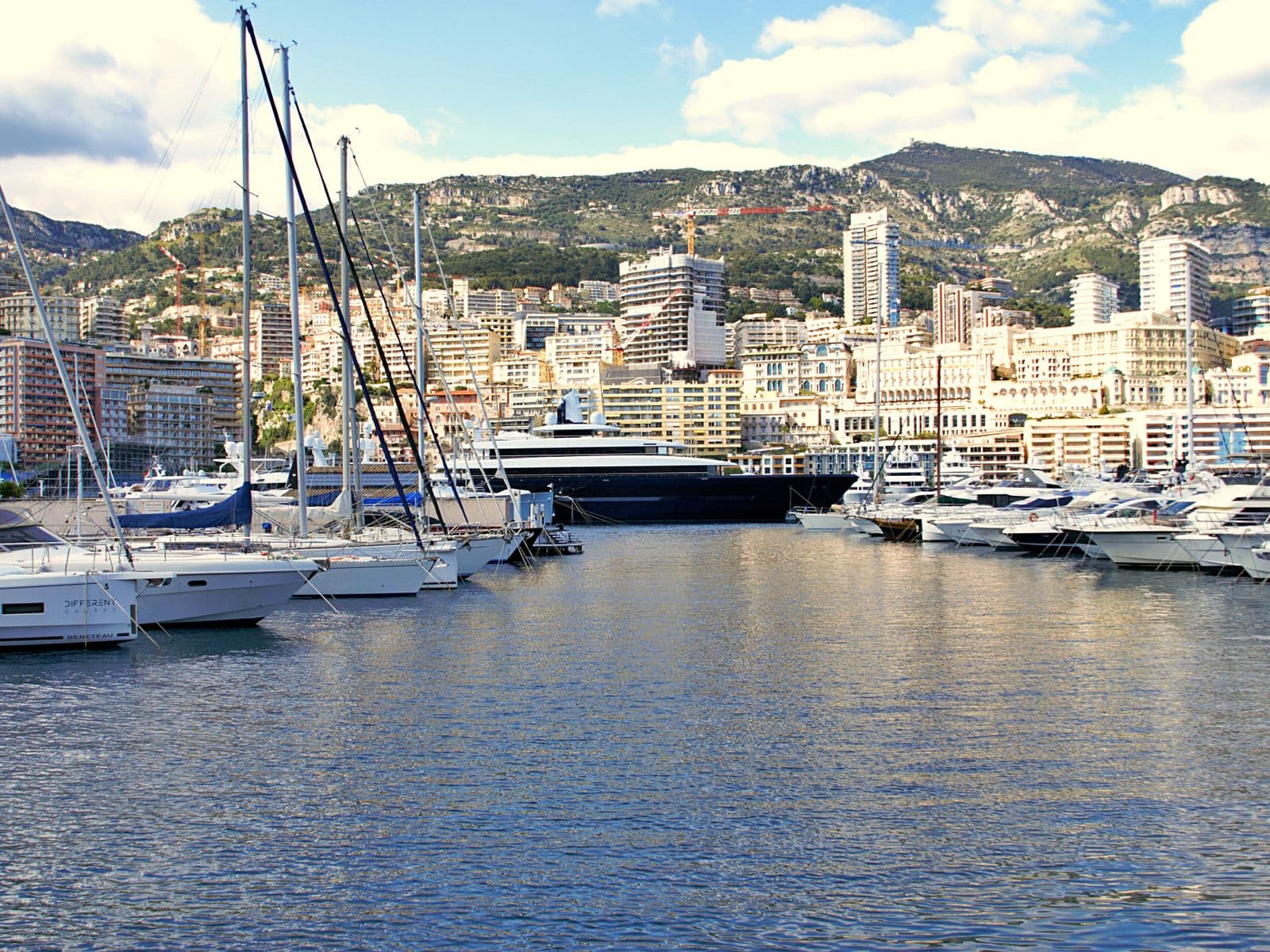
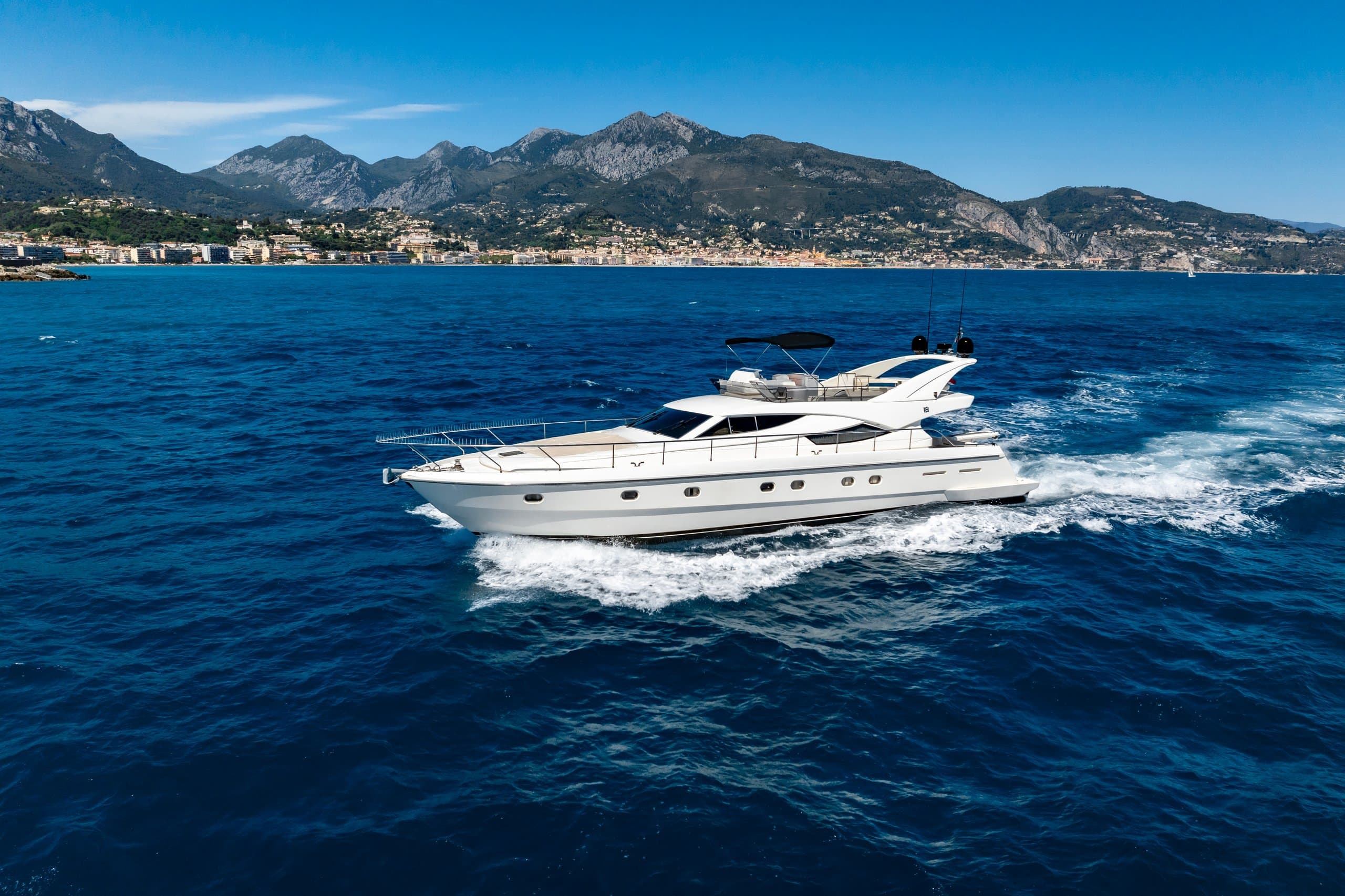
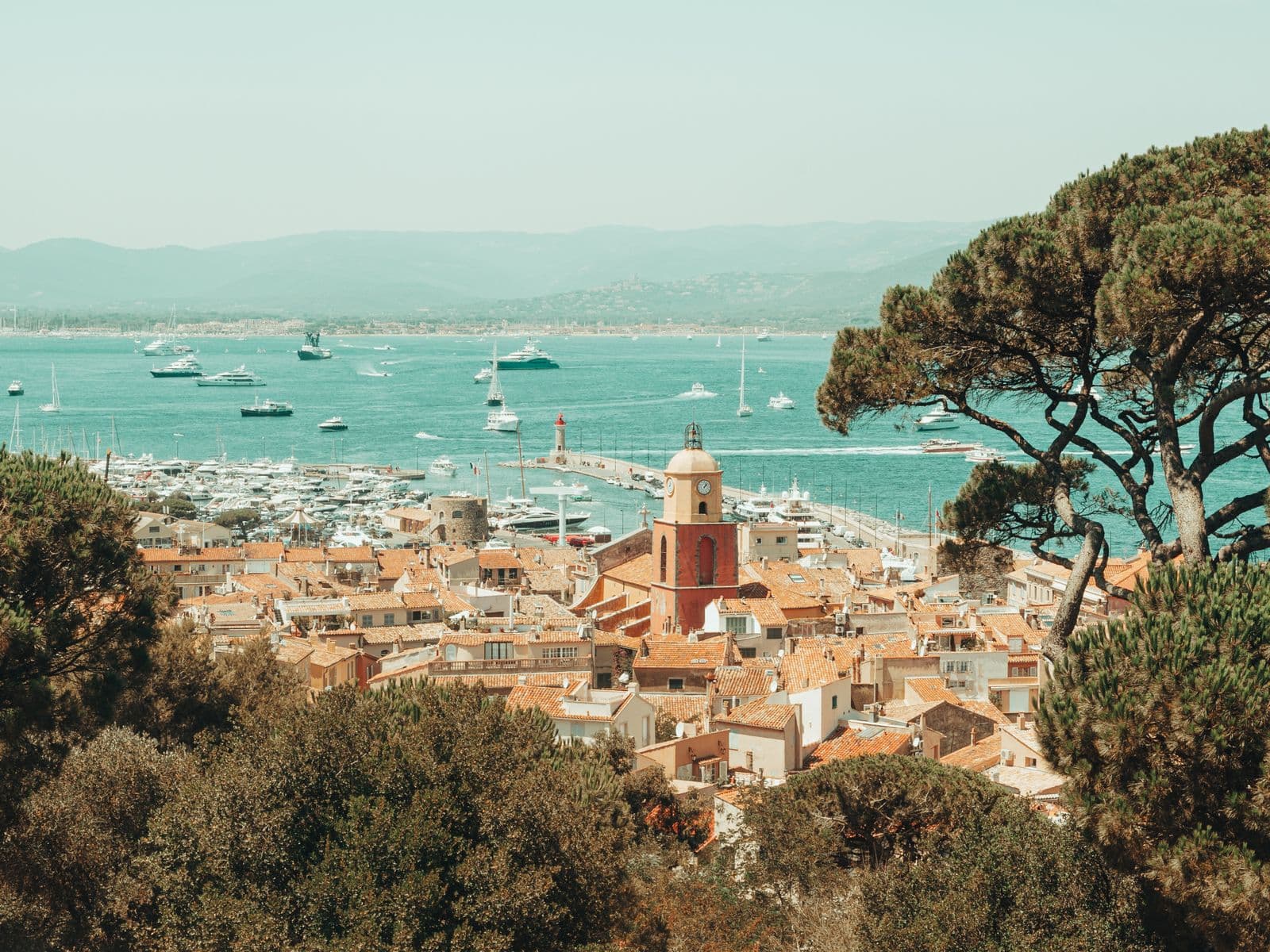
A St Tropez yacht charter is part accommodation, part social positioning. Berths on the Vieux Port quay are the most expensive and most contested in the western Mediterranean: a 40-metre yacht in peak July pays approximately €2,600 per night, and summer berths must be booked months in advance through the port's Magelan booking system. The reward is direct access to the old town — Senequier, Café de Paris, the Place des Lices market, and the old fishing village core are all within five minutes on foot from your passerelle. When the hotels are full or priced out, the yacht is the hotel.
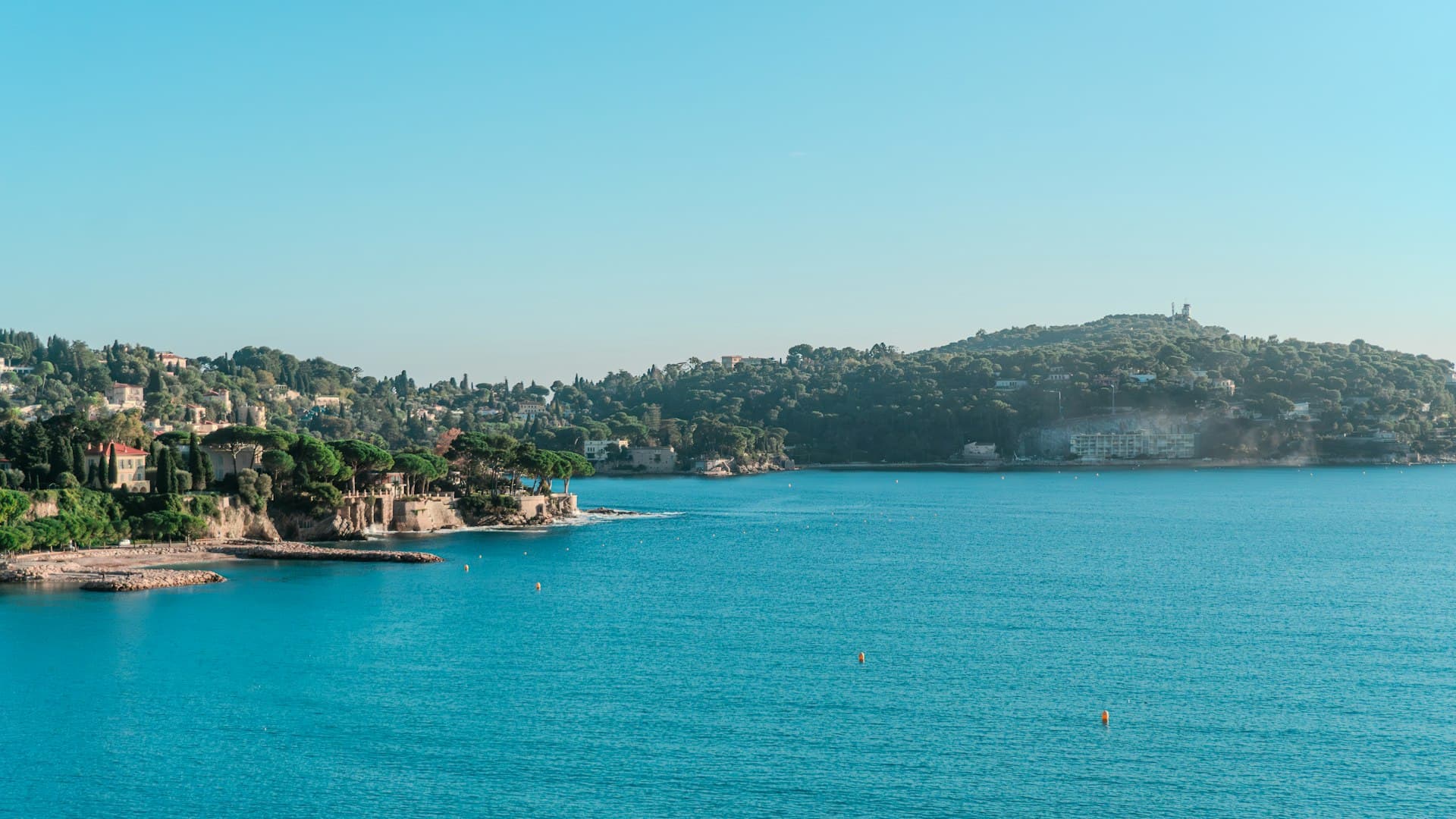
Outside the port, the Gulf of St Tropez offers a chain of day anchorages that range from the fully serviced to the deliberately wild. The passage from port to Pampelonne Beach is fifteen minutes; from Pampelonne to the rocky solitude of Cap Taillat is twenty more. An entire charter week can be structured around this short stretch of coast without repeating an anchorage.
Anchorages & Highlights
Pampelonne Beach is the defining St Tropez anchorage — an open roadstead with sandy bottom in the south (anchor there; the northern end sits over Posidonia). The beach clubs — Club 55, Nikki Beach, Moorea Plage — are accessible by tender, and Club 55 operates a dedicated jetty with a batelier reachable on VHF Channel 17 to coordinate arrivals. Reservations are mandatory in July and August; swimwear is not permitted in the restaurant.
Baie des Canoubiers at the southern end of the Gulf offers sandy-grassy bottom with reliable holding and views of the most exclusive private estates on the coast. Escalet and Cap Taillat further south are day anchorages for guests who want rocky coves, clear water, and no facilities — ecologically protected and beautiful.
French Decree 248/2020 bans yachts over 24 metres from anchoring on Posidonia seagrass anywhere on the French coast; St Tropez is specifically named. Fines reach €150,000. Use the free DONIA app to verify permitted anchorage zones before dropping the hook.
Best Time to Charter in St Tropez
The season runs from mid-June to late September. July and August are the social apex — peak sea temperatures of 25–26°C, the beach clubs at full capacity, and the town's nightlife and art scene running at maximum intensity. The Mistral — the powerful northwesterly that funnels through the Rhône valley — can arrive at any time of year, including summer, gusting to 60 knots and typically lasting three or six days. The Vieux Port is well protected; the outer anchorages are marginal in a full Mistral. September brings the Voiles de Saint-Tropez (26 September – 4 October in 2026), when classic racing yachts fill the Gulf and the port takes on a different, more elegant character.
Getting There
Nice Côte d'Azur (NCE) is the main international airport — two hours by road in low season, significantly longer in July and August. Helicopter transfer from Nice to La Môle (the closest airstrip, 15 km from St Tropez) takes 25 minutes and is the standard arrival for charter guests. La Môle handles light jets, turboprops, and helicopters (daylight operations only, single 1,180-metre runway). Toulon-Hyères (TLN) offers a one-hour road transfer with less congestion.
At Aris Drivas Yachting, our network extends across the western Mediterranean from the Aegean to the Côte d'Azur. Whether you want a week based in St Tropez with day trips along the Var coast, a passage combining St Tropez with Corsica and Sardinia, or a two-week itinerary from the French Riviera through to the Balearics, we will secure the berths, the beach club reservations, and the timing that makes a St Tropez charter work. Contact our charter team to begin planning.
Dining & Local Cuisine
St Tropez invented a cake and built a wine culture. The tarte tropezienne — a brioche filled with buttercream and custard — was created in 1955 at La Tarte Tropezienne bakery and is still the best pastry you will eat on the Var coast. Provence rose, served cold and in quantity, is the house wine of every quayside terrace from Senequier to Cafe de Paris; the serious bottles come from Domaines Ott, Chateau Minuty, and Miraval. Club 55 on Pampelonne has served simply grilled fish and crudites in the same style since 1955 — the food is not the point; the setting is. For Michelin-level dining, La Vague d'Or at the Residence de la Pinede holds three stars and serves refined Provencal cuisine with a Mediterranean tasting menu that rivals anything on the coast. The weekly Place des Lices market (Tuesday and Saturday mornings) is the best food market in the Var — olives, tapenade, socca, charcuterie, and local cheeses from the hillside farms behind the coast. Walk it early before the heat.
- Berth stern-to on the Quai Jean Jaurès — metres from Senequier and the Place des Lices, the most iconic quay in the Mediterranean
- Tender to Club 55 on Pampelonne via their private jetty — contact the batelier on VHF 17 to coordinate arrival
- Anchor off Cap Taillat's sandy isthmus for a swim stop in protected, wild coastline — no crowds, no facilities, no noise
- Attend the Voiles de Saint-Tropez in late September — classic racing yachts fill the Gulf and the port shifts from glamour to seamanship
- Helicopter from Nice NCE to La Môle in 25 minutes — bypass the A8 summer traffic entirely
- Use the DONIA app before every anchor drop — French law fines yachts over 24m up to €150,000 for anchoring on Posidonia
The St Tropez yacht charter season runs from mid-June through late September, with July and August forming the social and commercial peak. Sea temperatures reach 25–26°C and the beach clubs, restaurants, and galleries operate at full intensity. The Mistral — the region's dominant northwesterly wind — can arrive without warning in any month, gusting to 60 knots and lasting three to six days; the Vieux Port is well sheltered but outer anchorages become untenable. September offers a compelling alternative: the Voiles de Saint-Tropez regatta (late September into early October) transforms the Gulf into a racing ground for classic yachts, and the crowds thin enough that quay-side berths become accessible without months of advance booking. Late June is the quietest window of the high season — warm water, long evenings, and the town at its most elegant before the August rush.