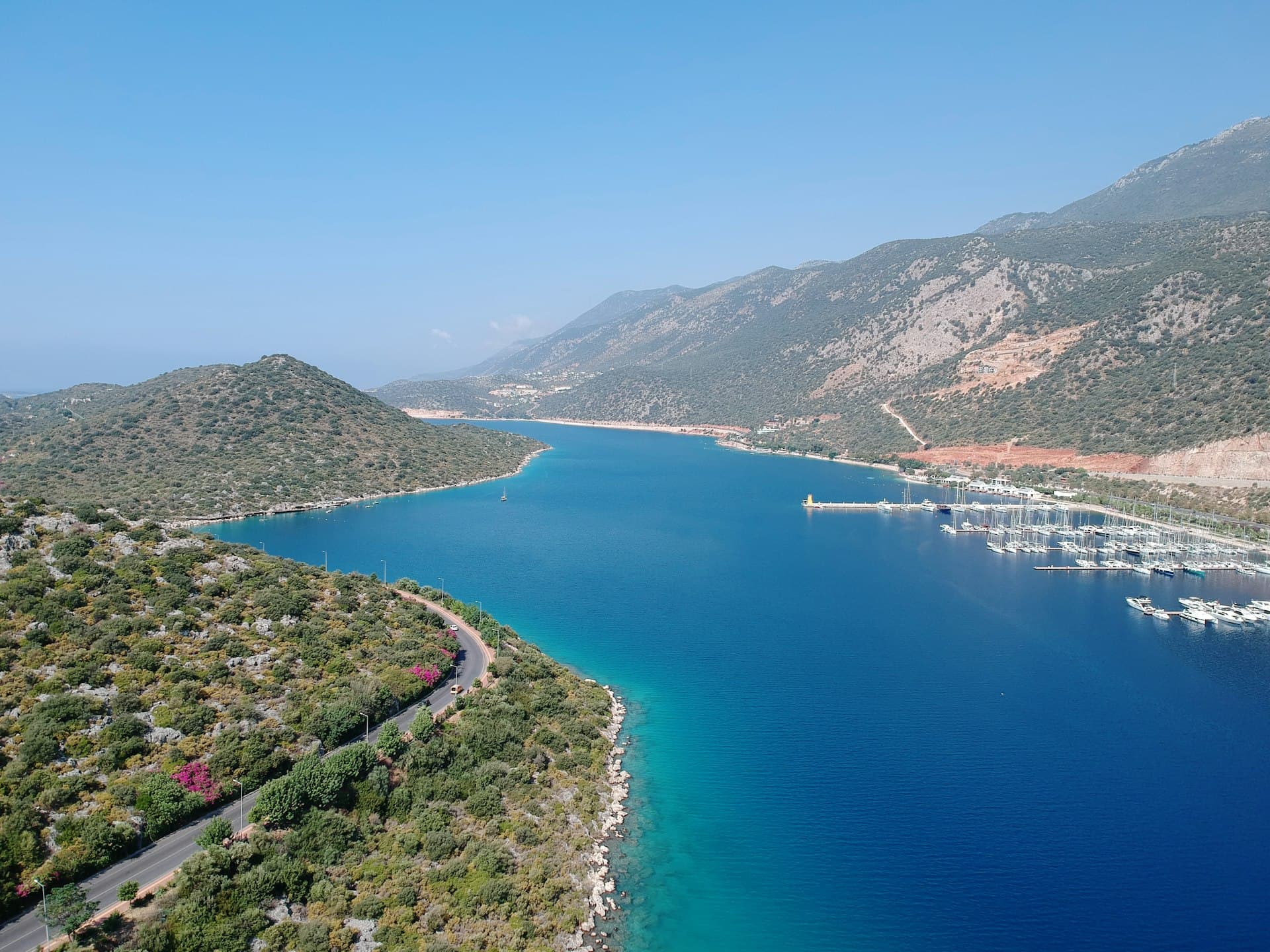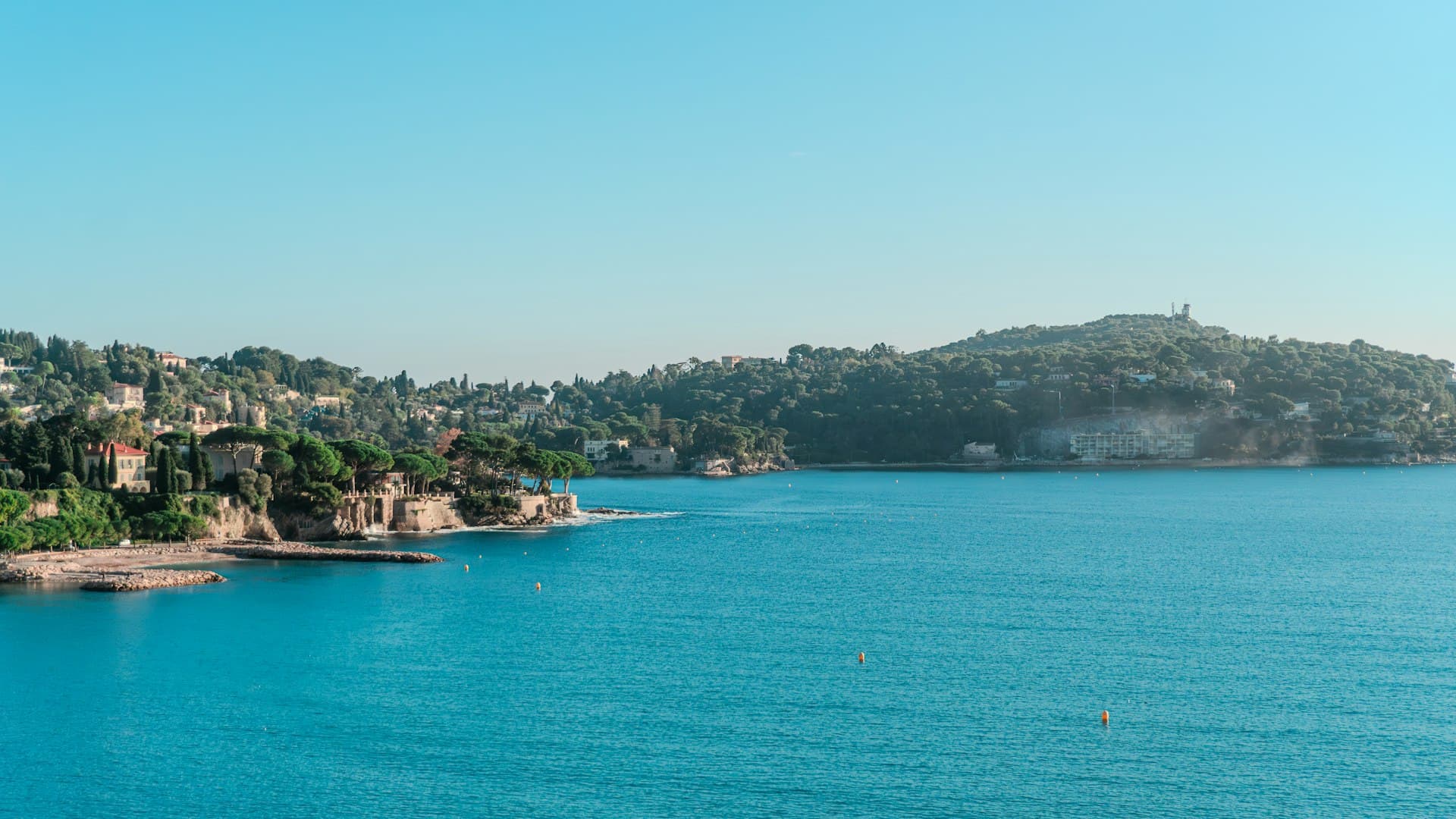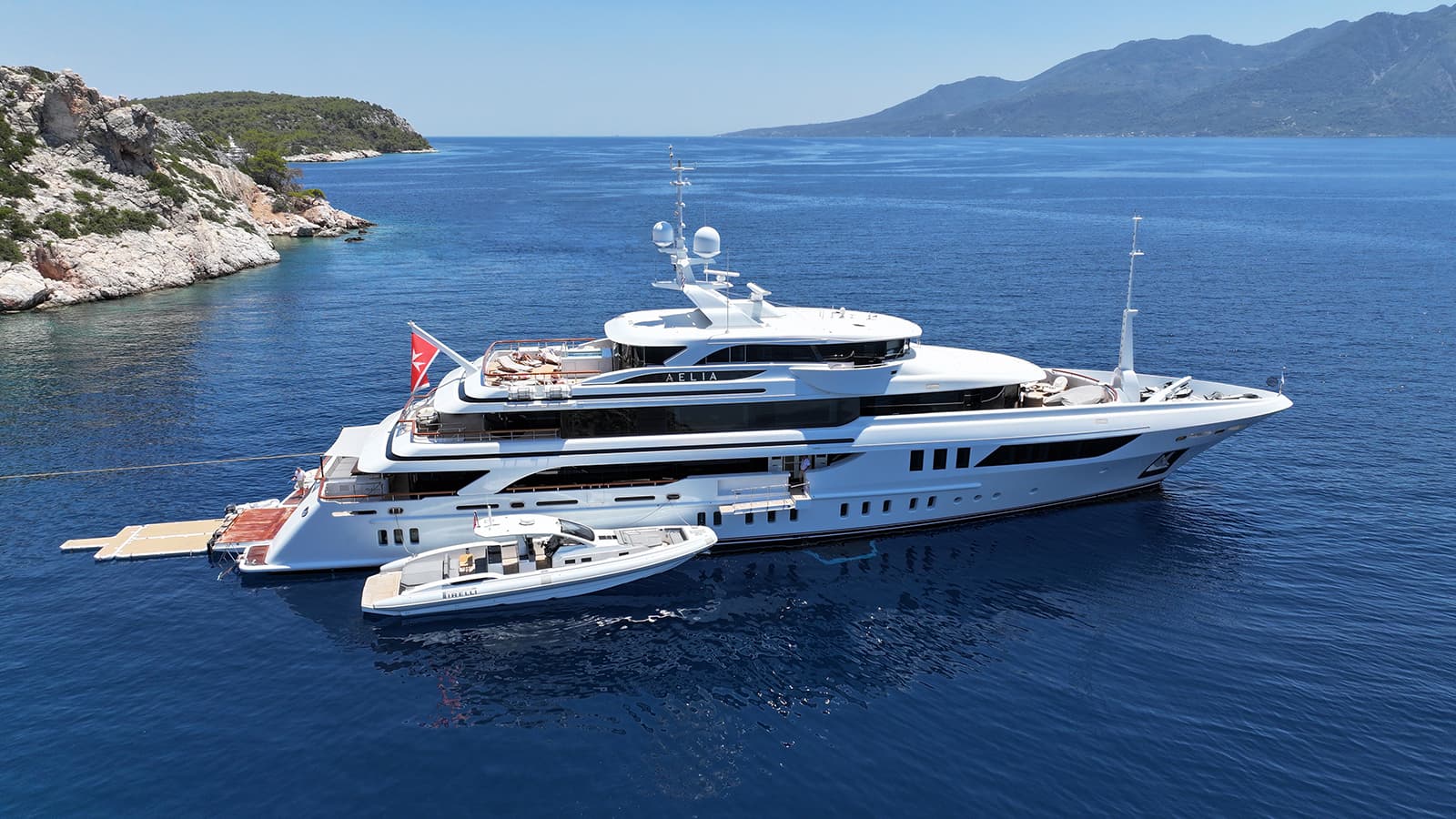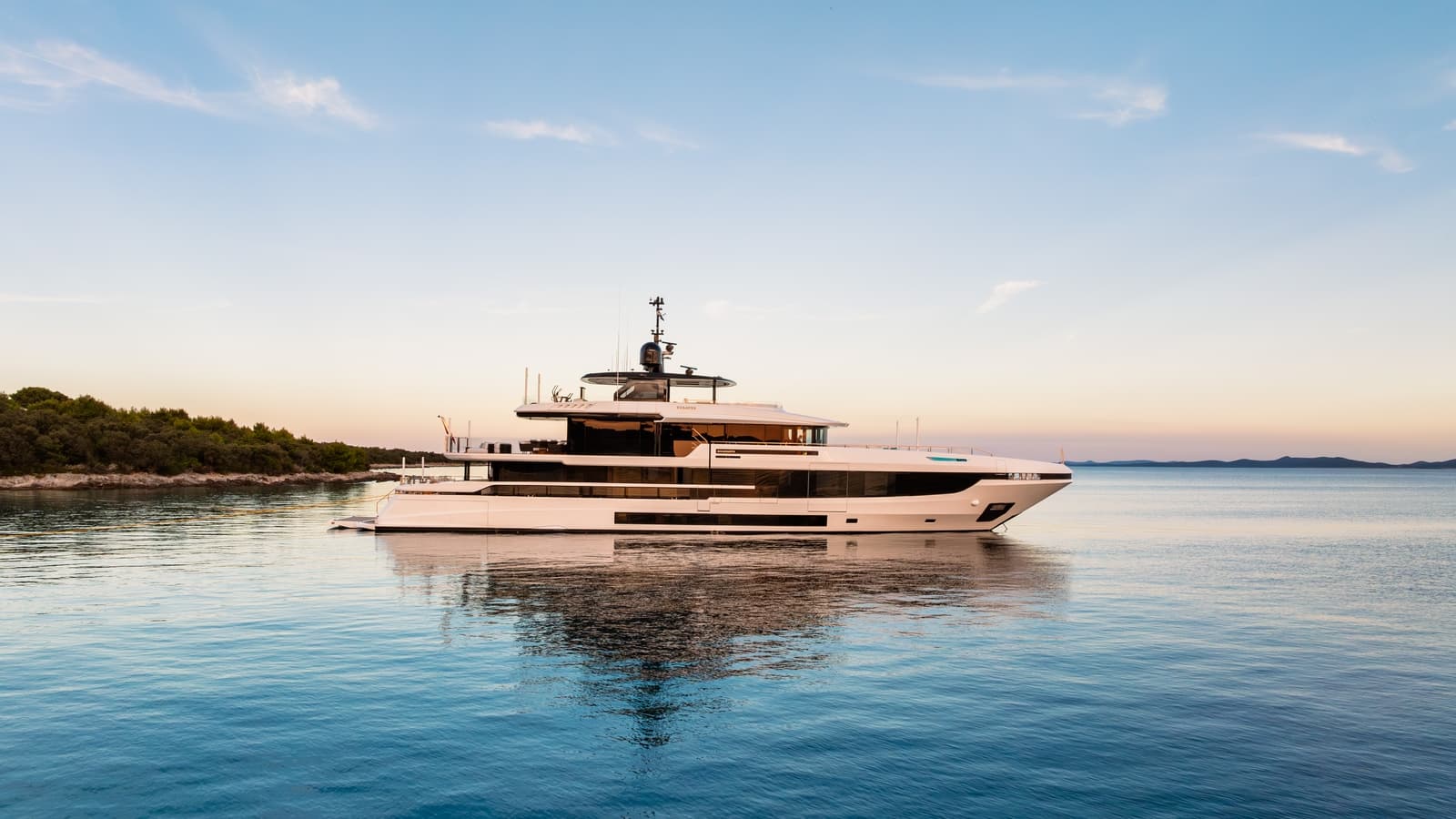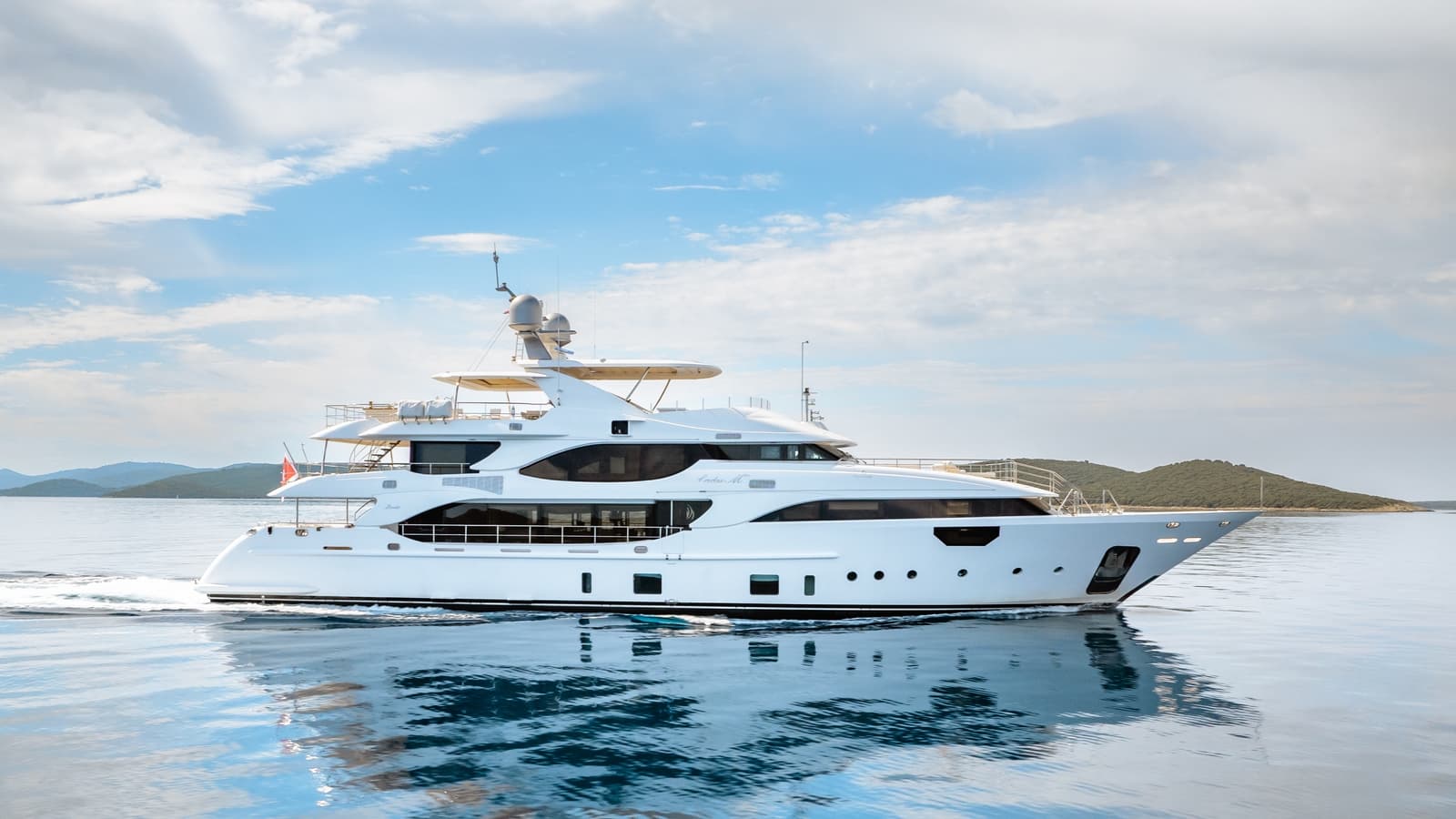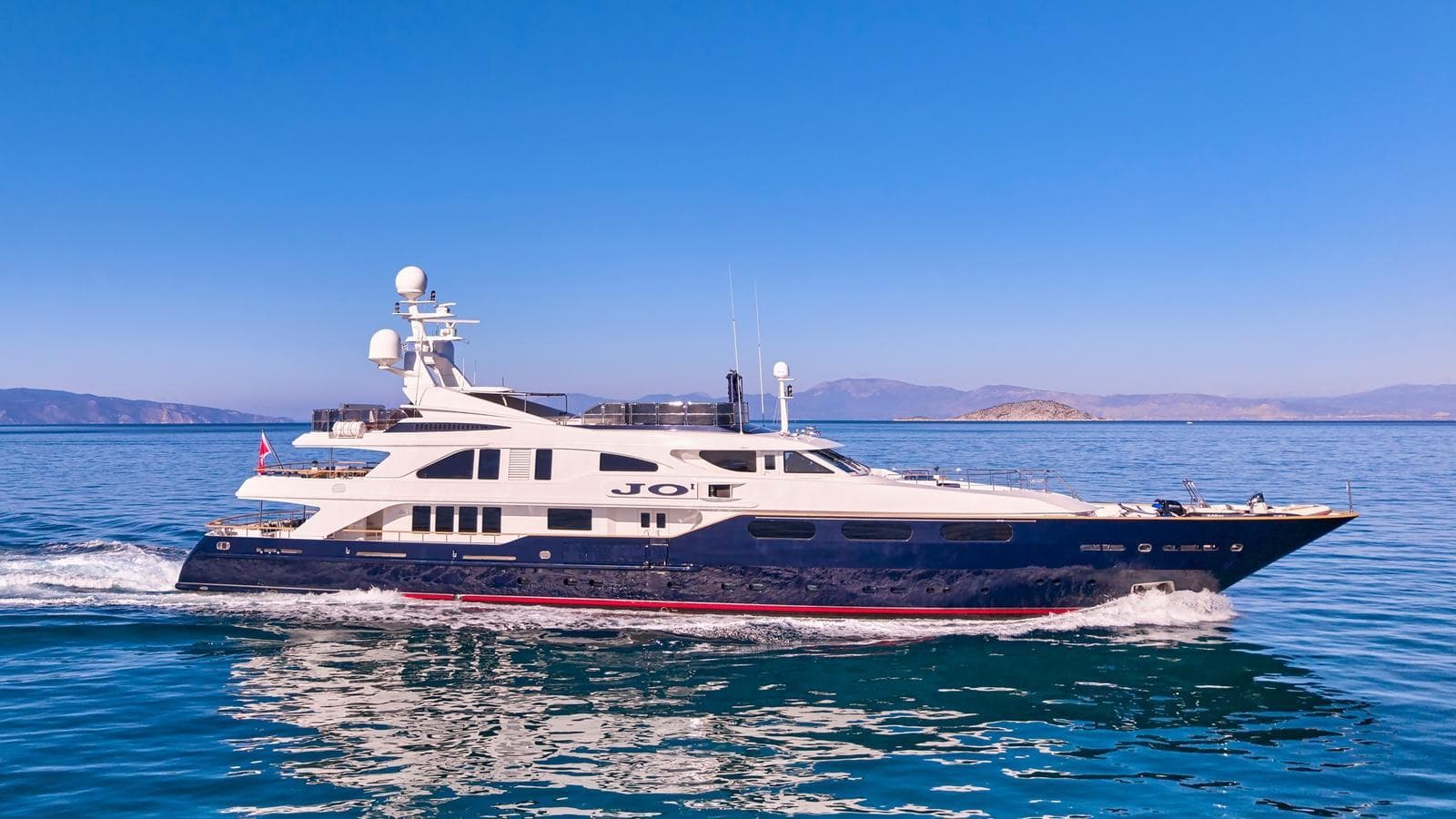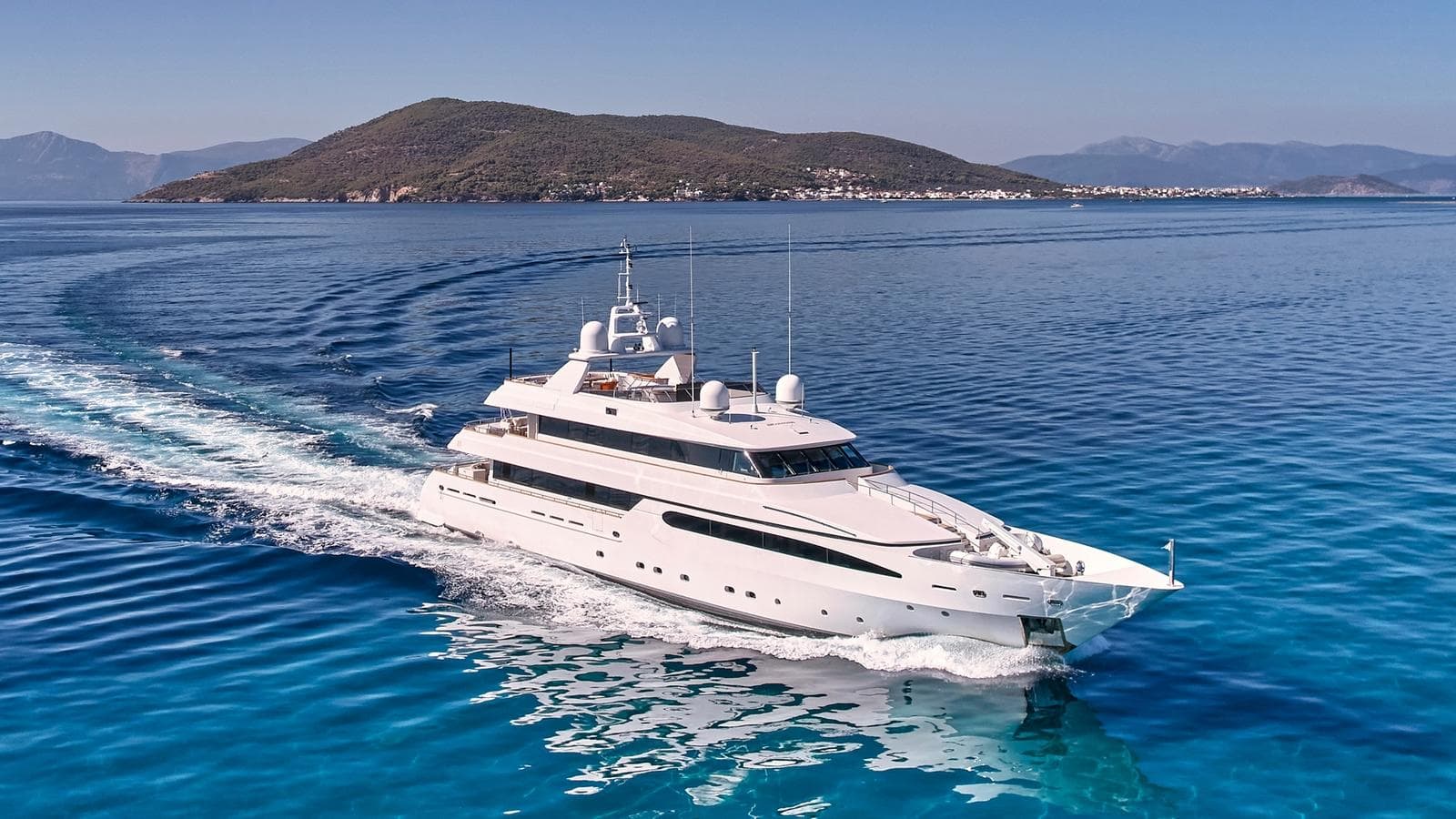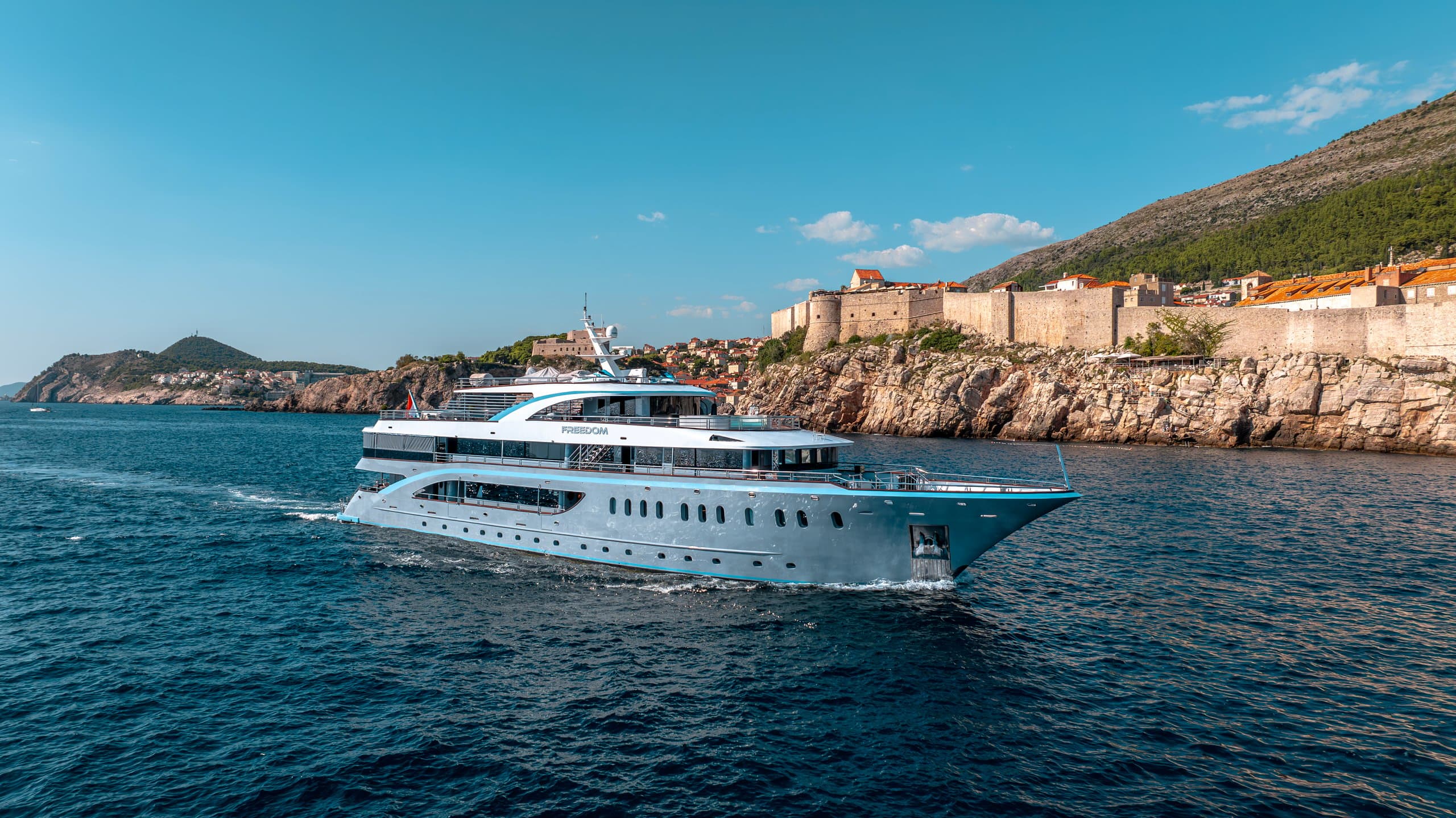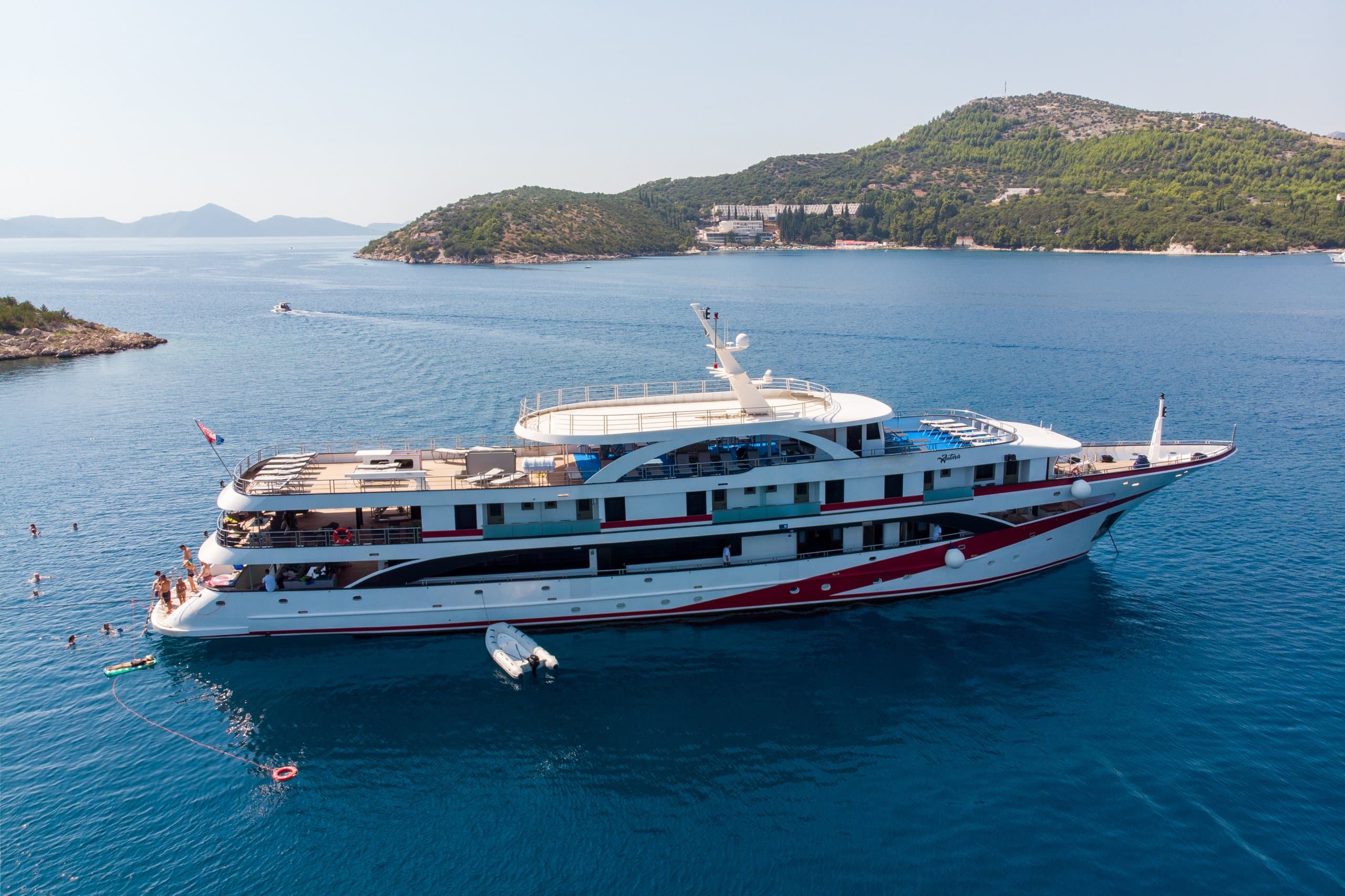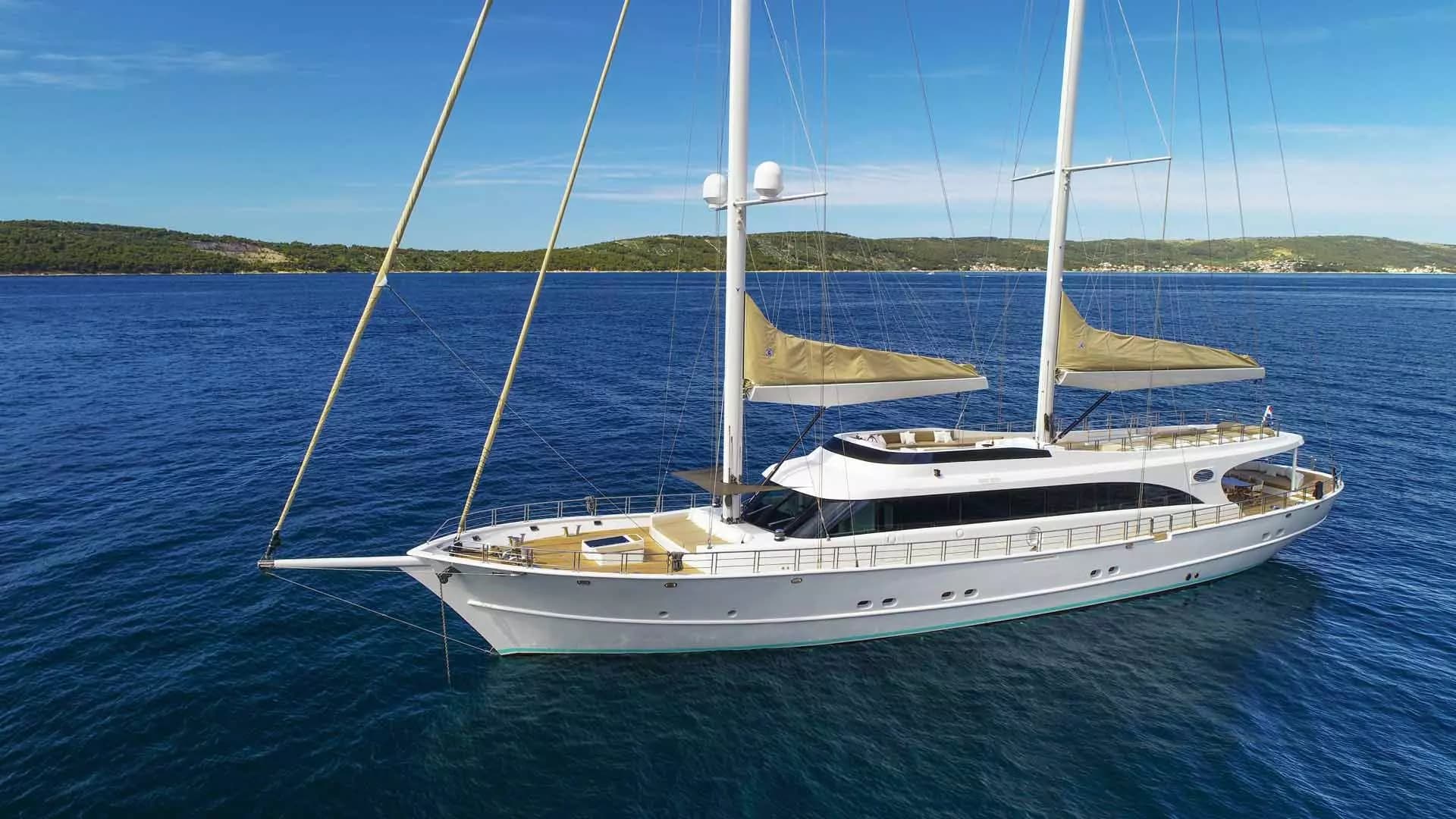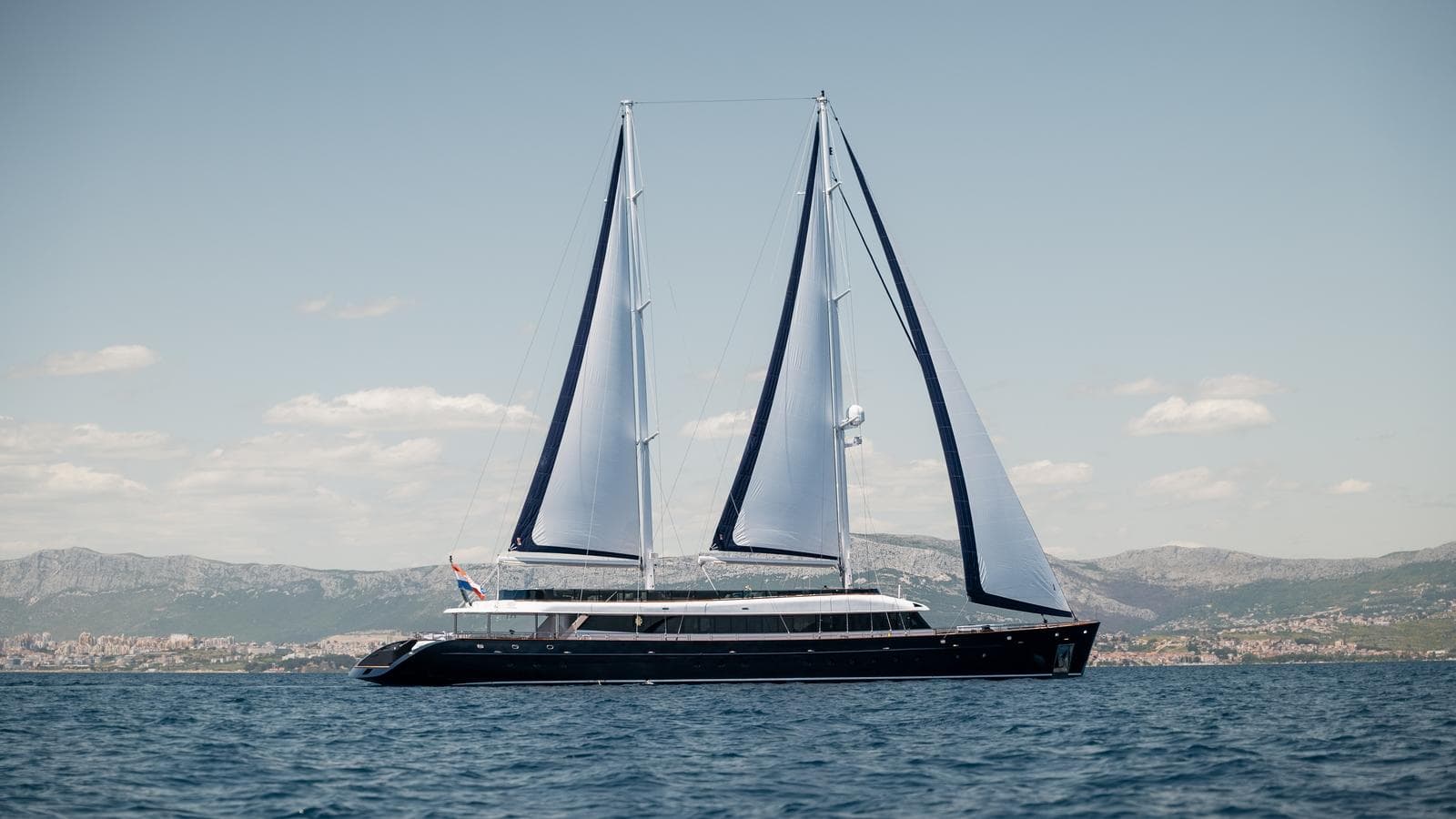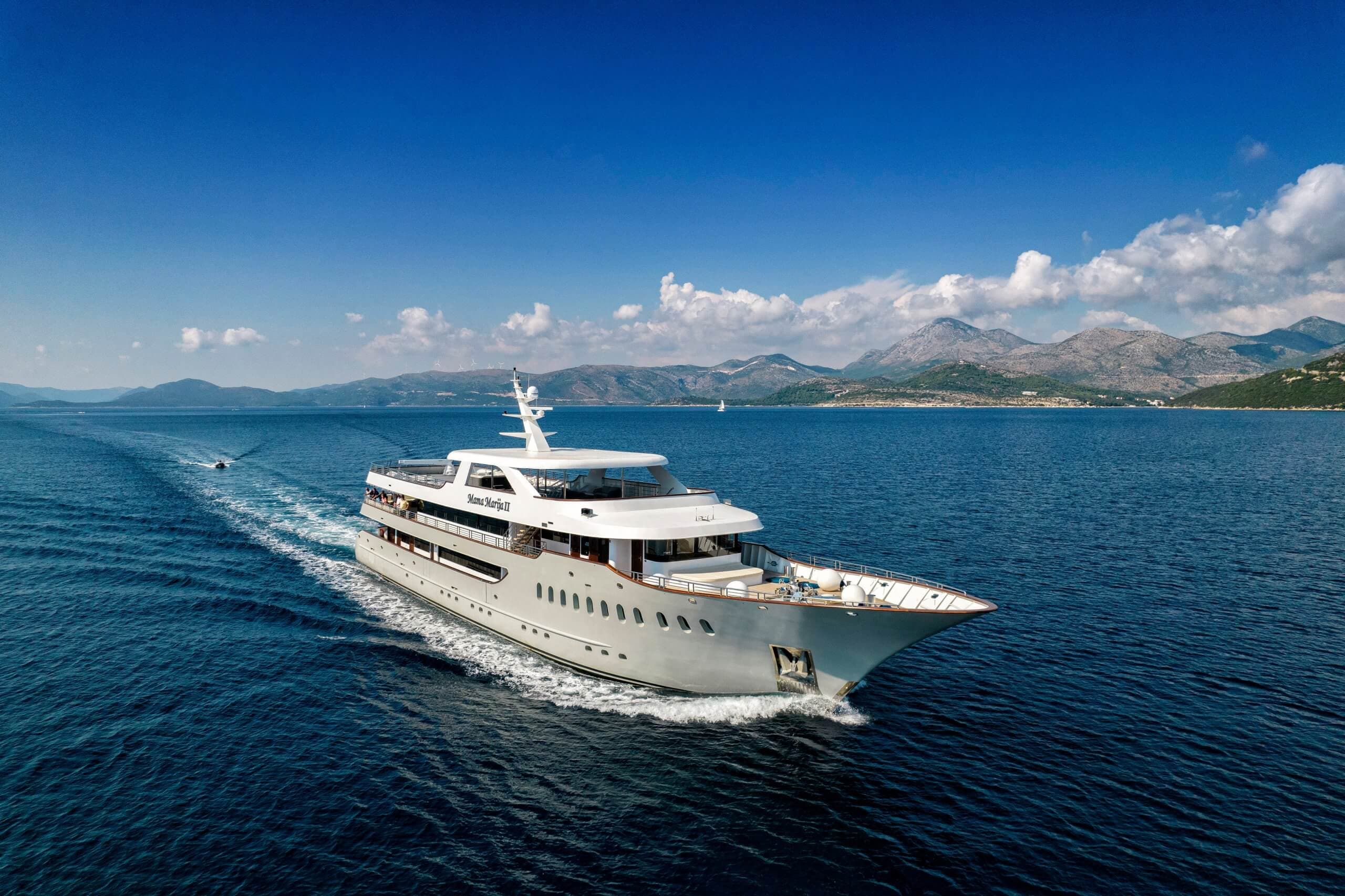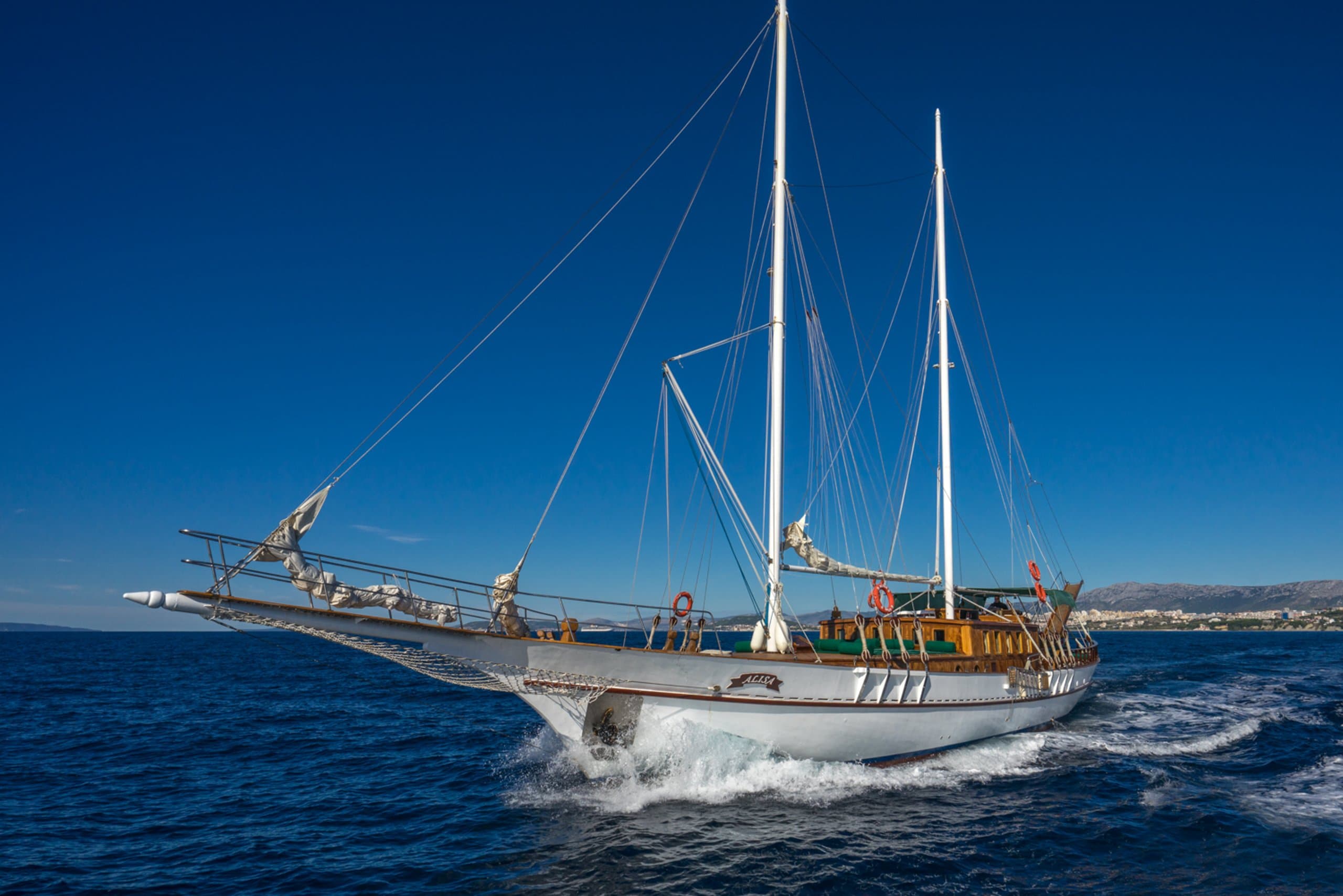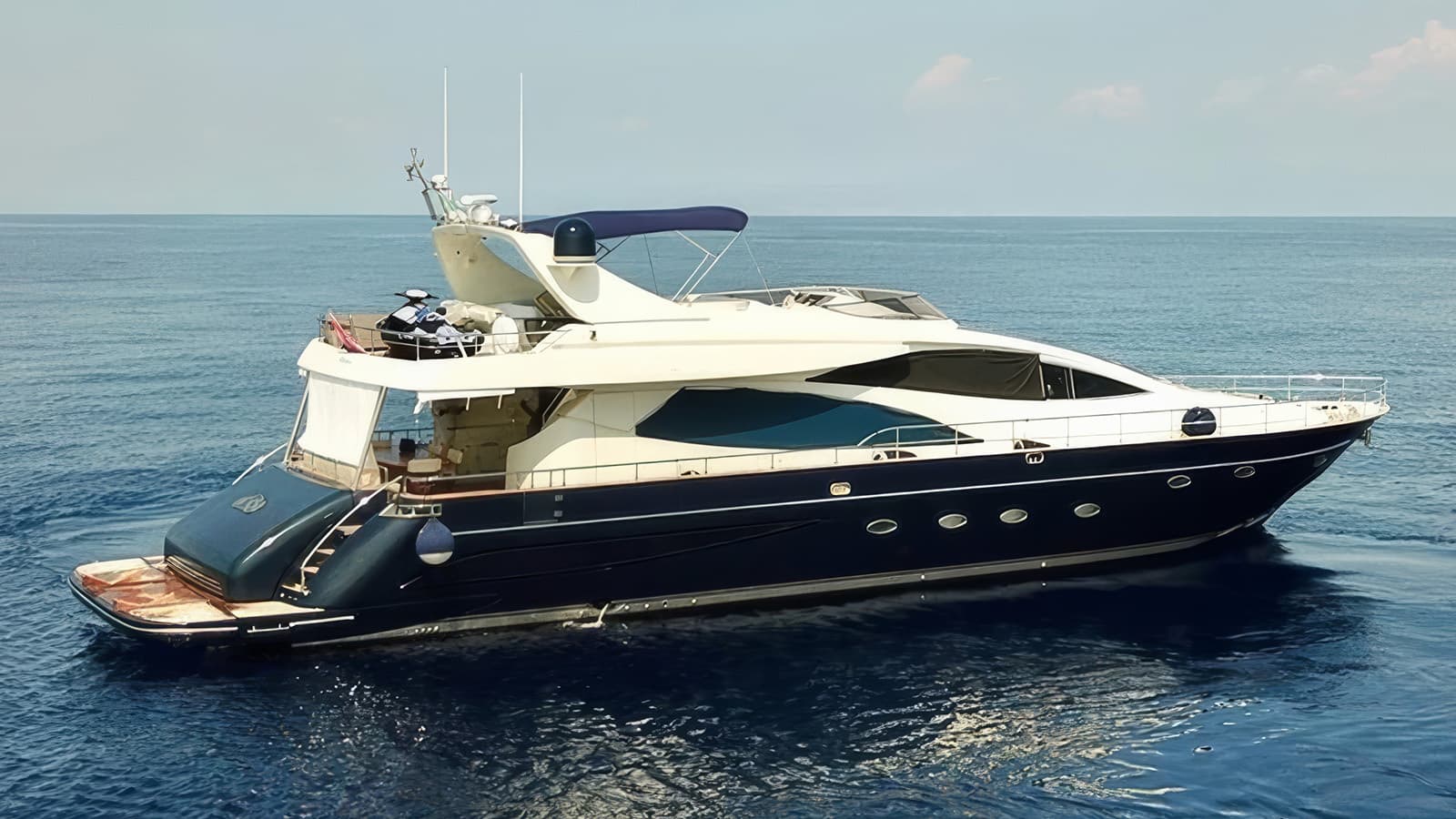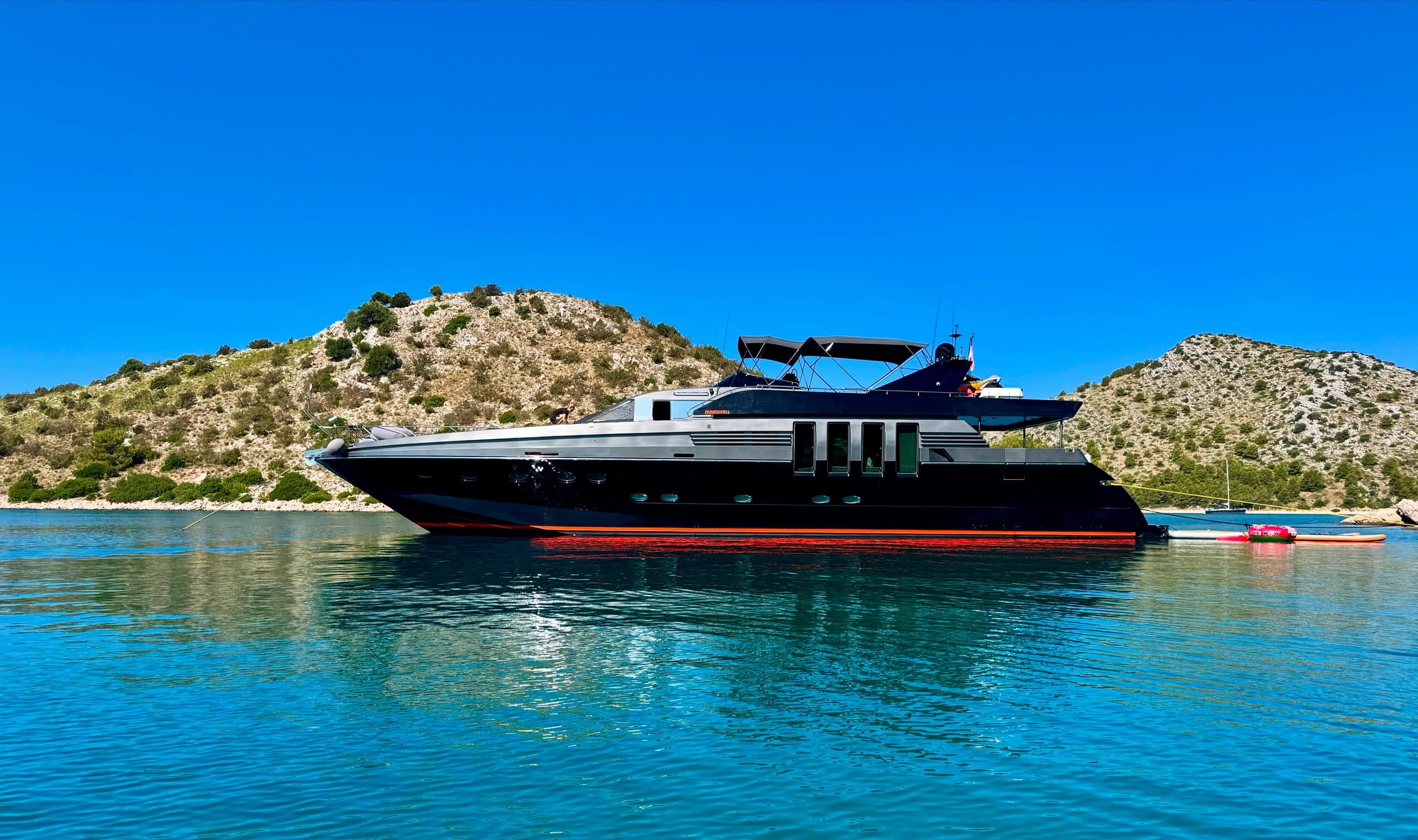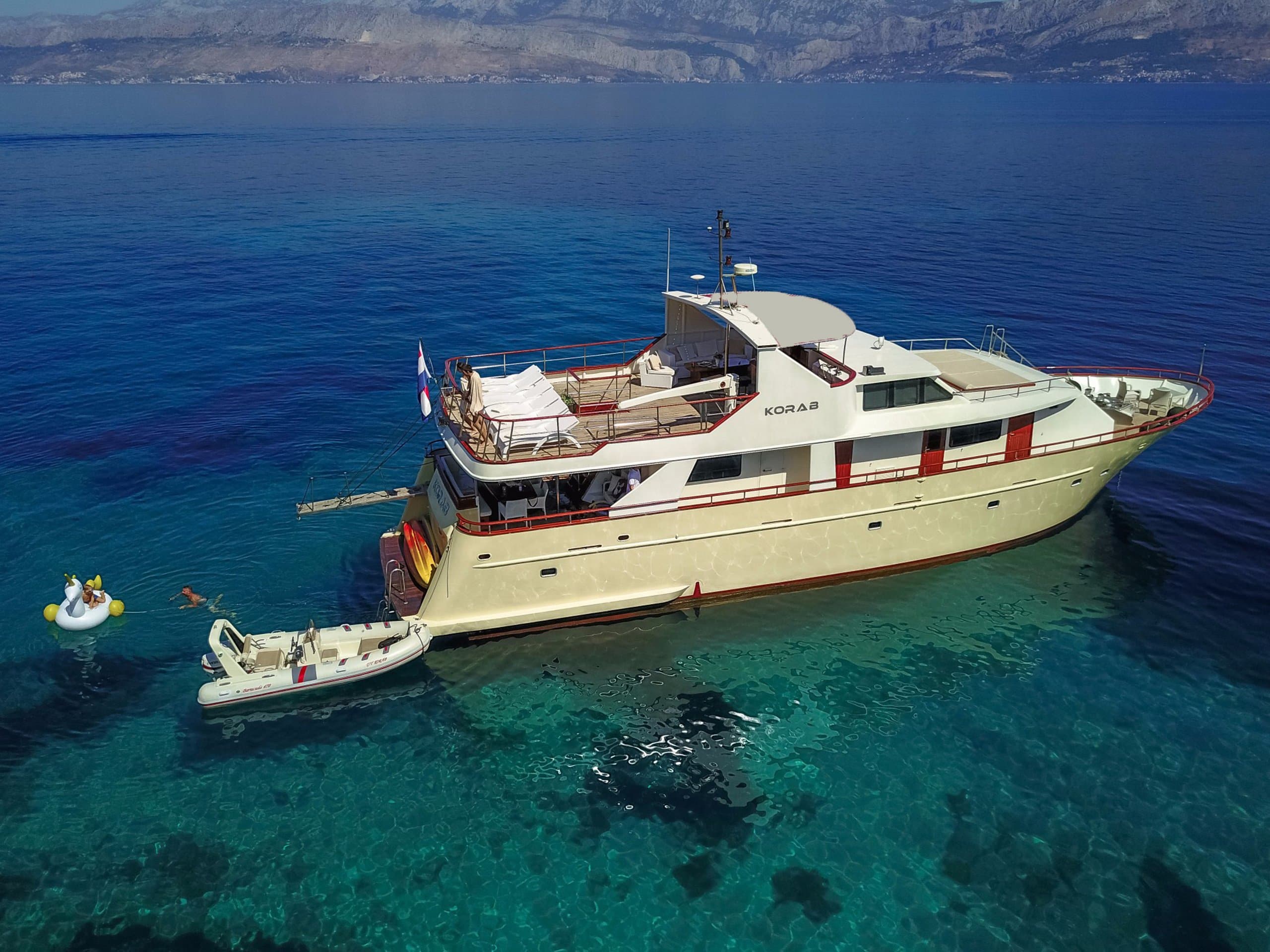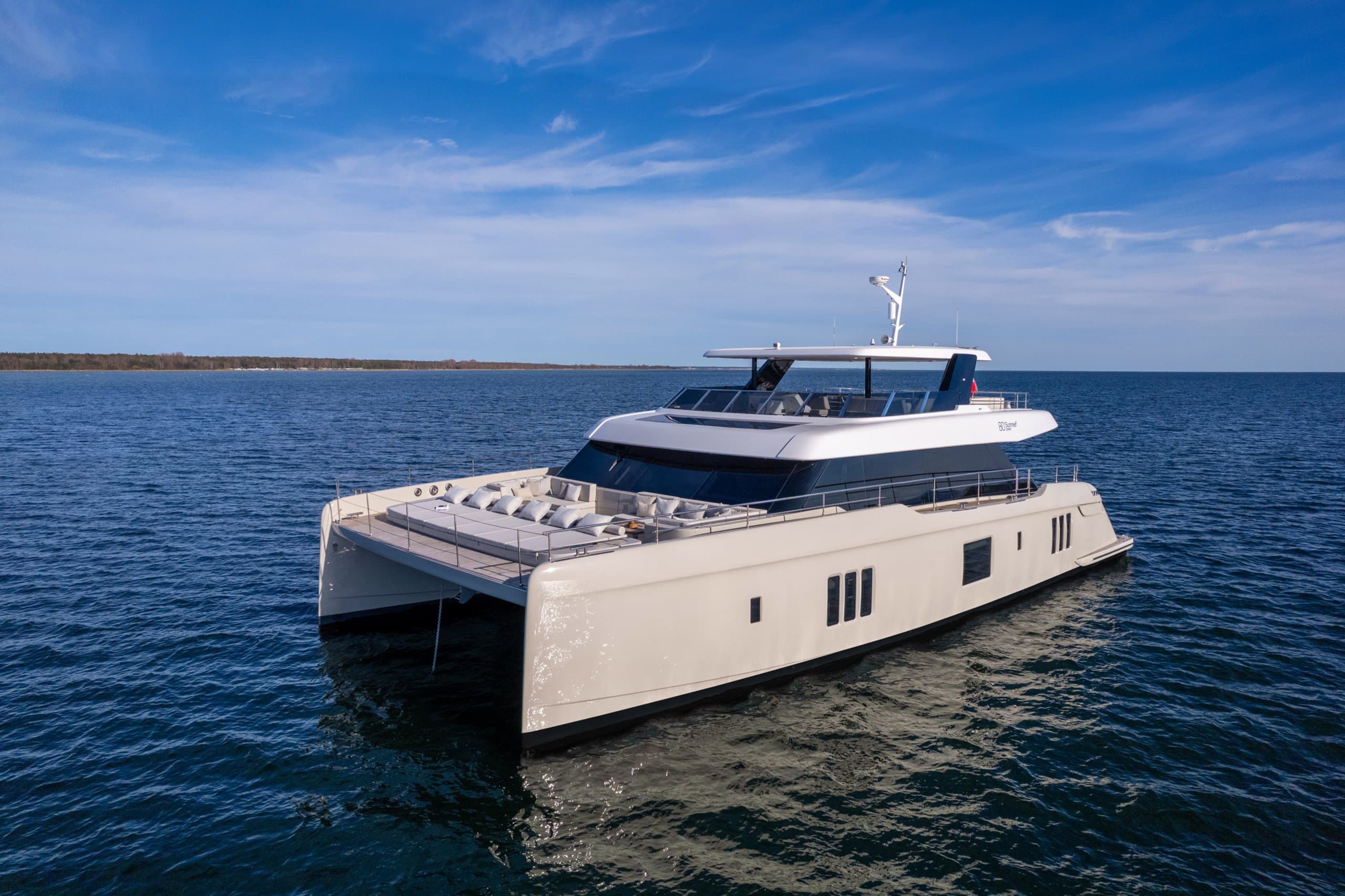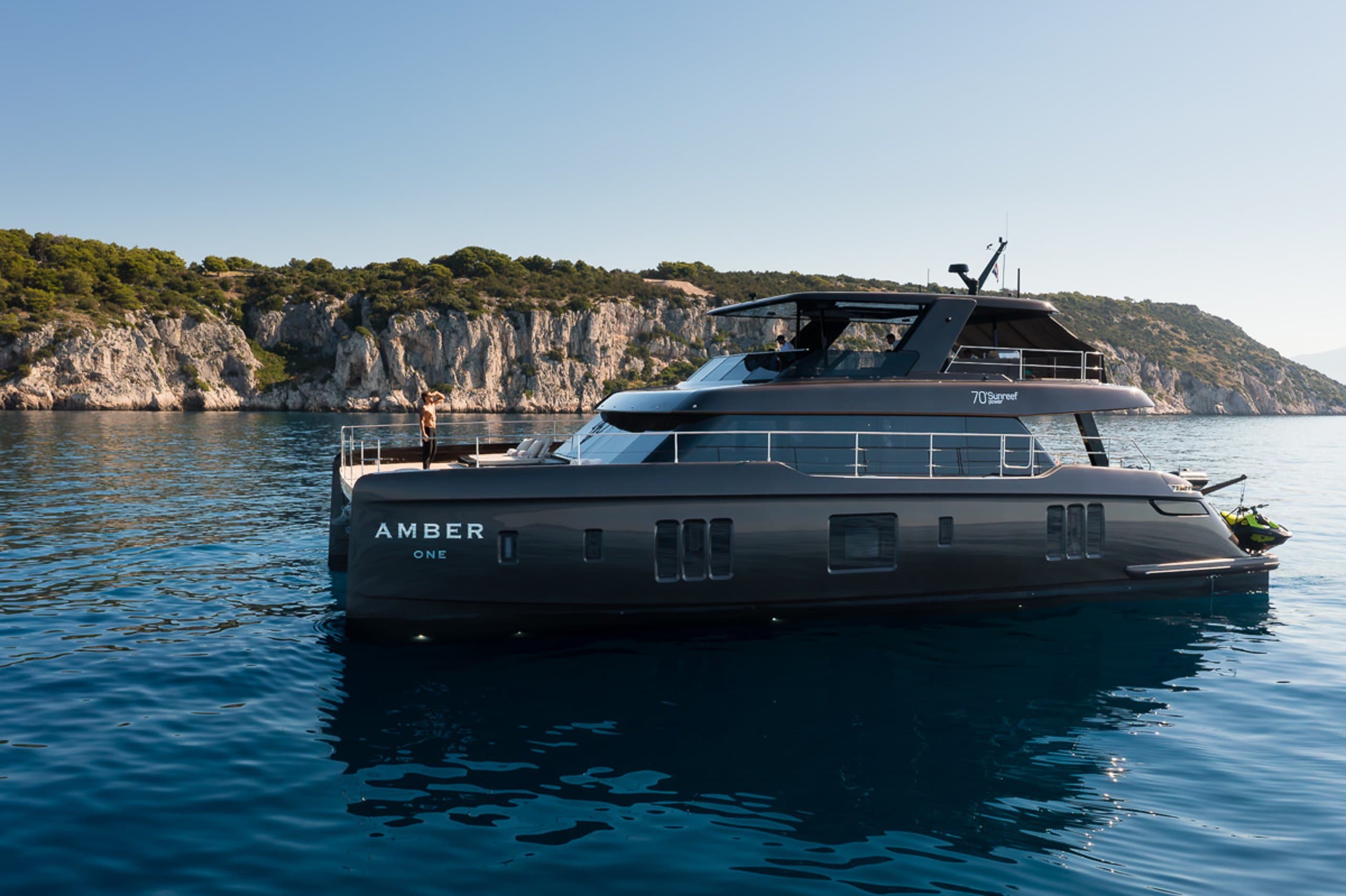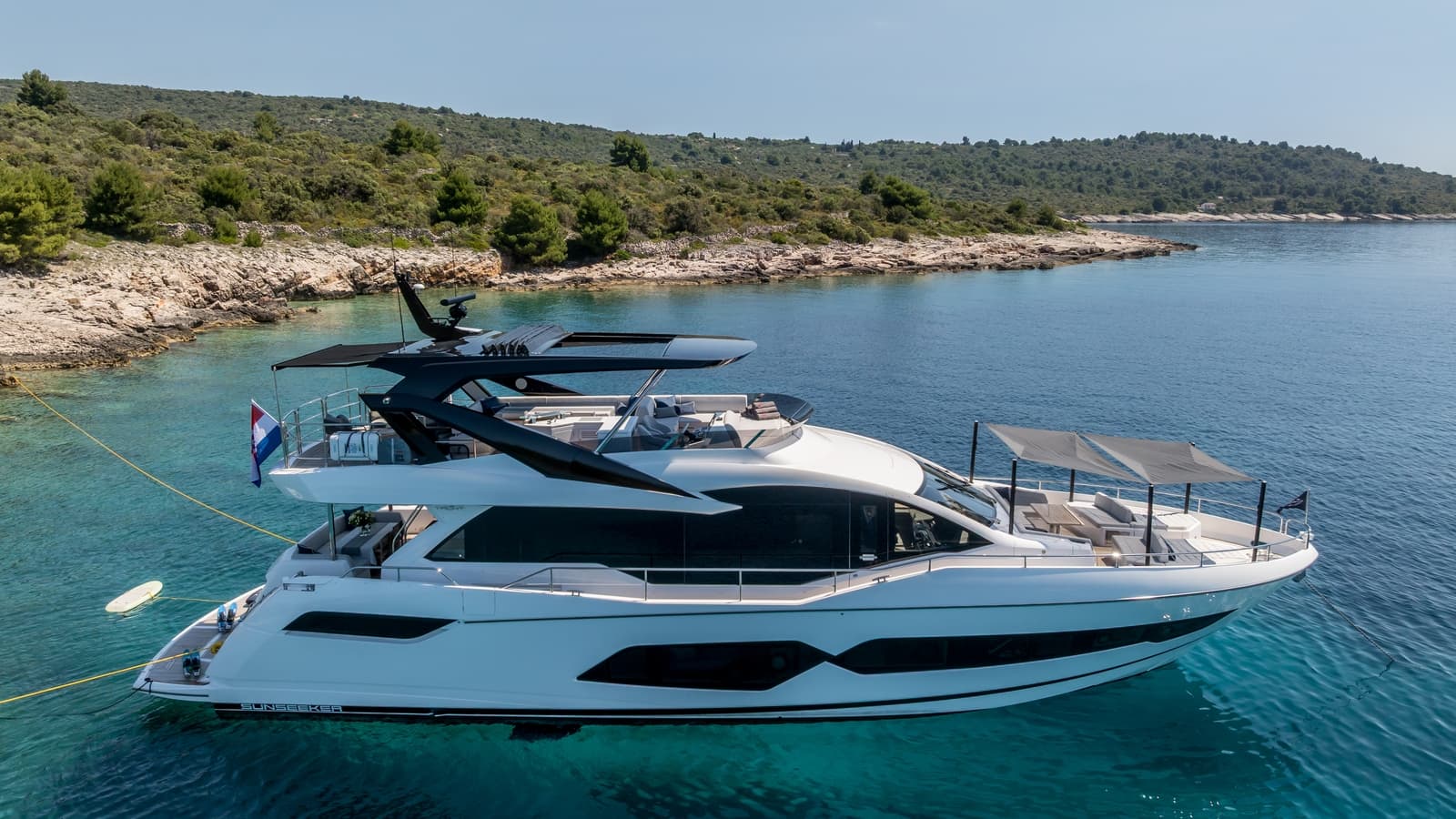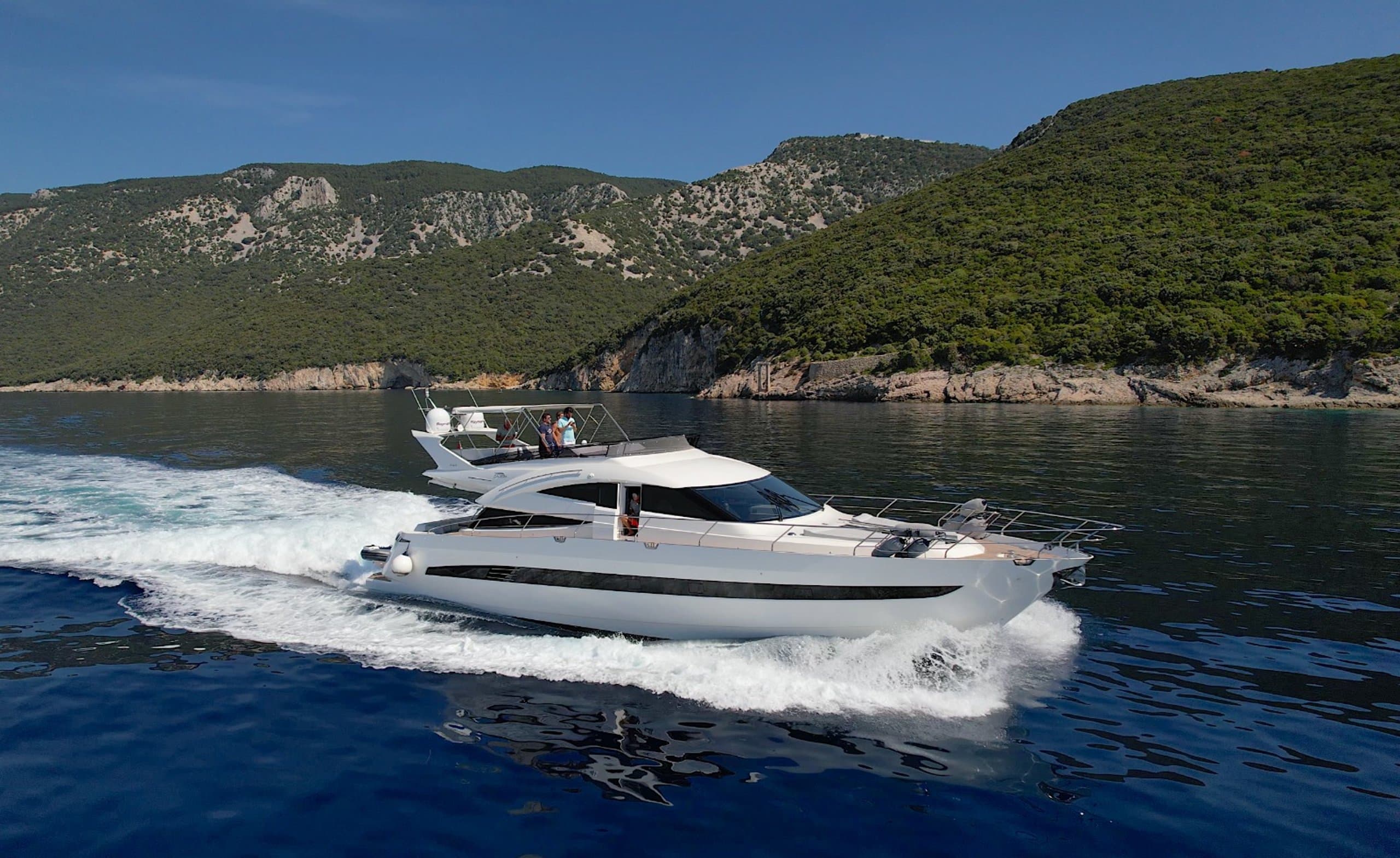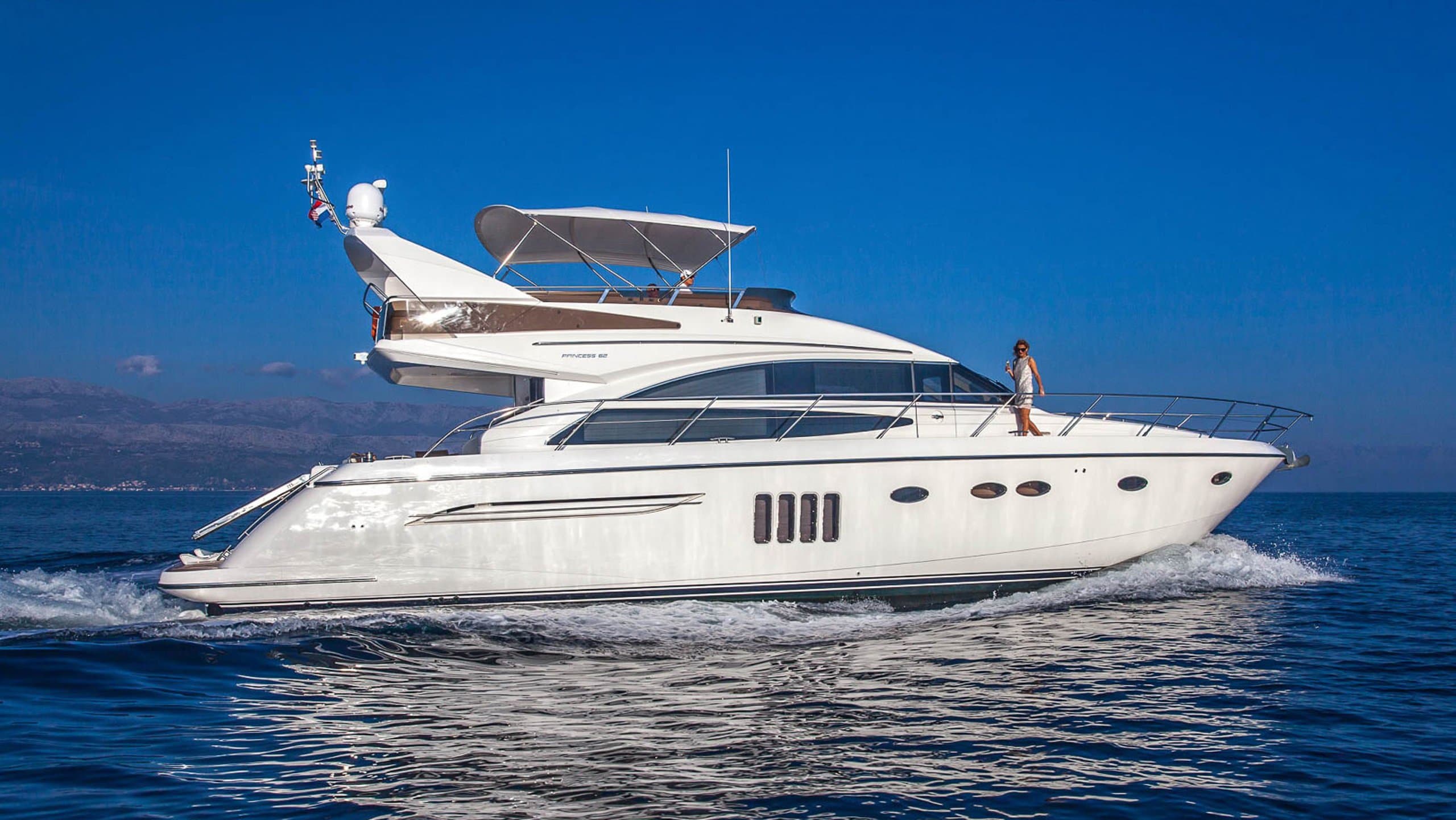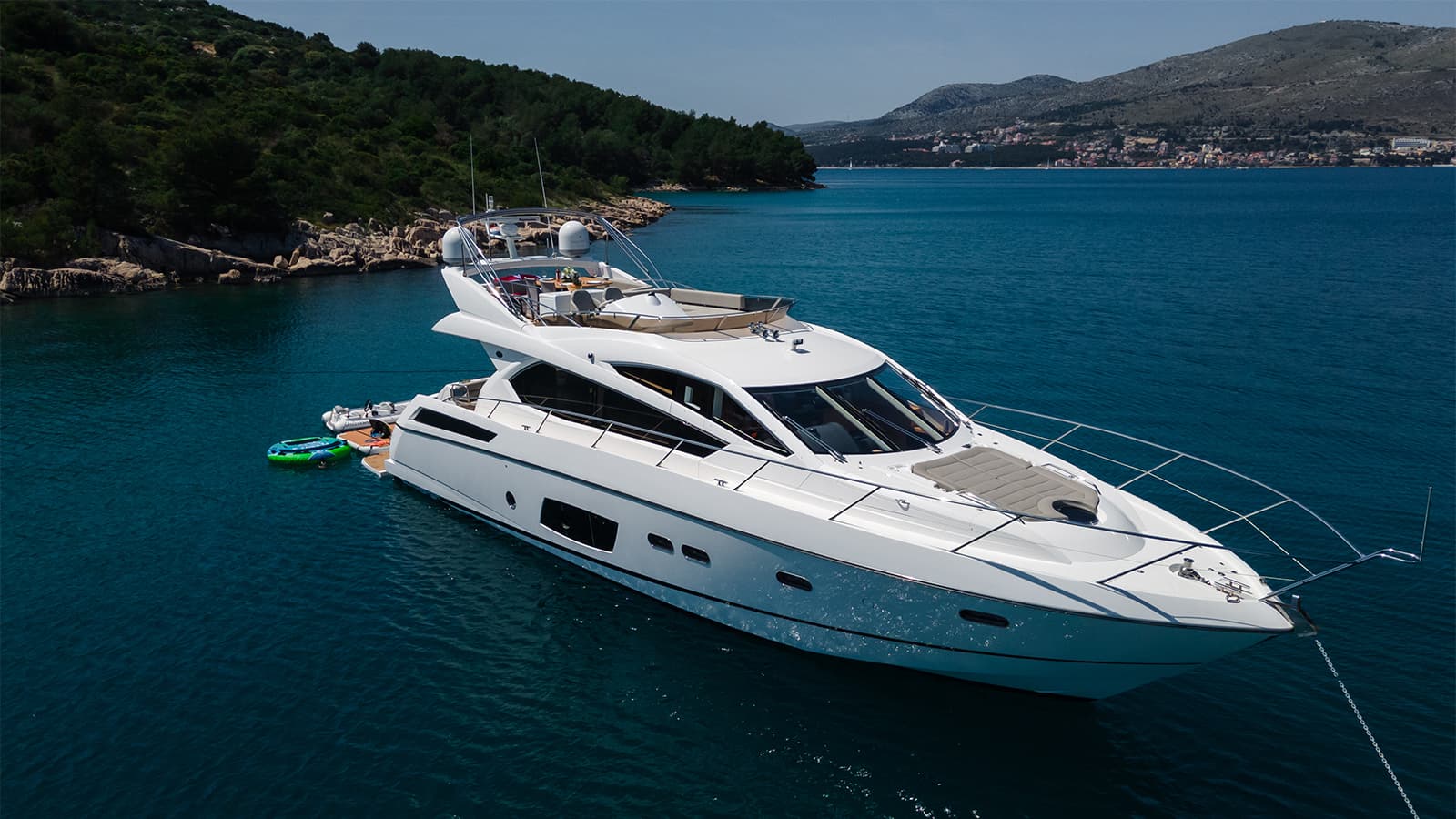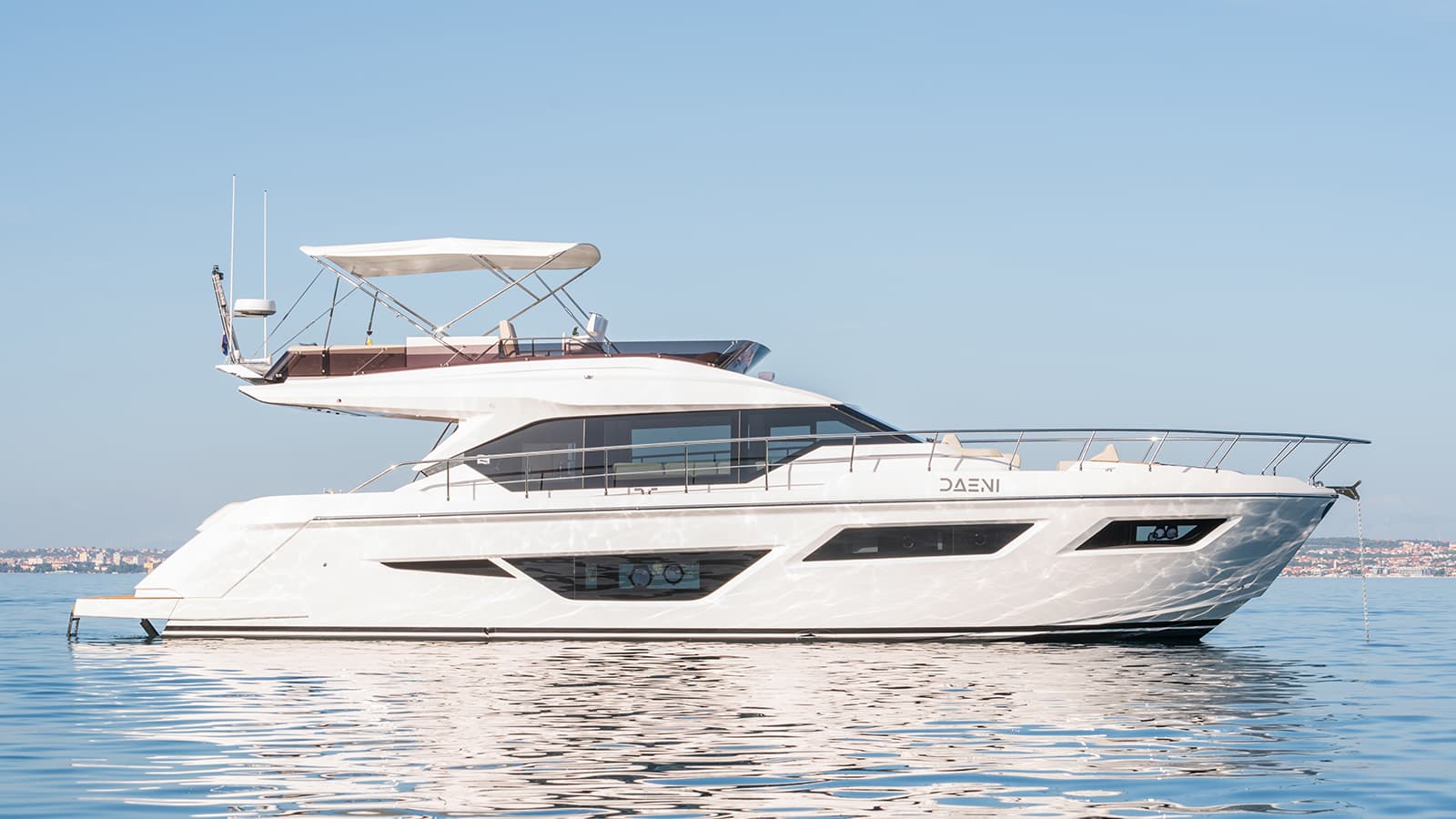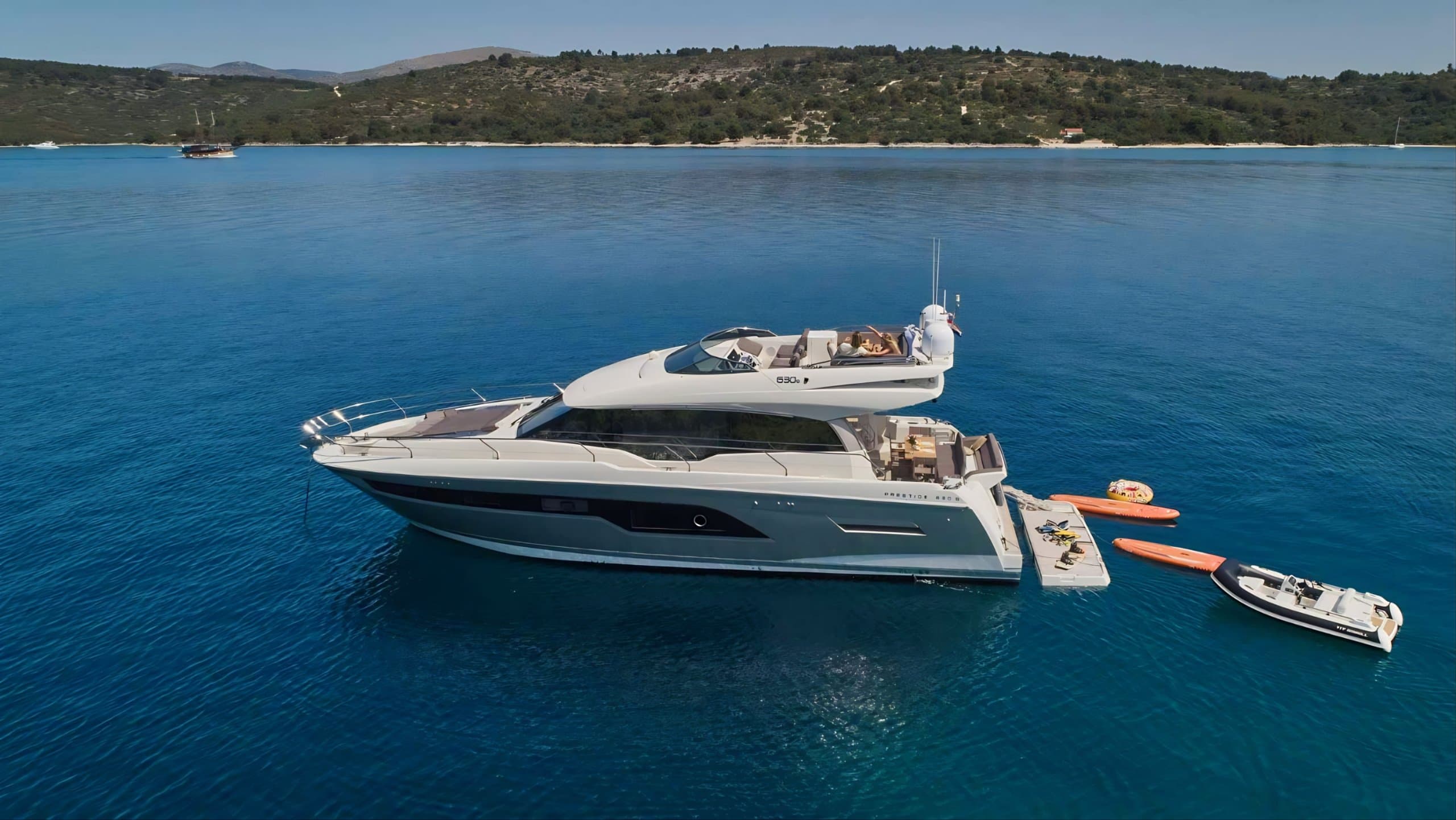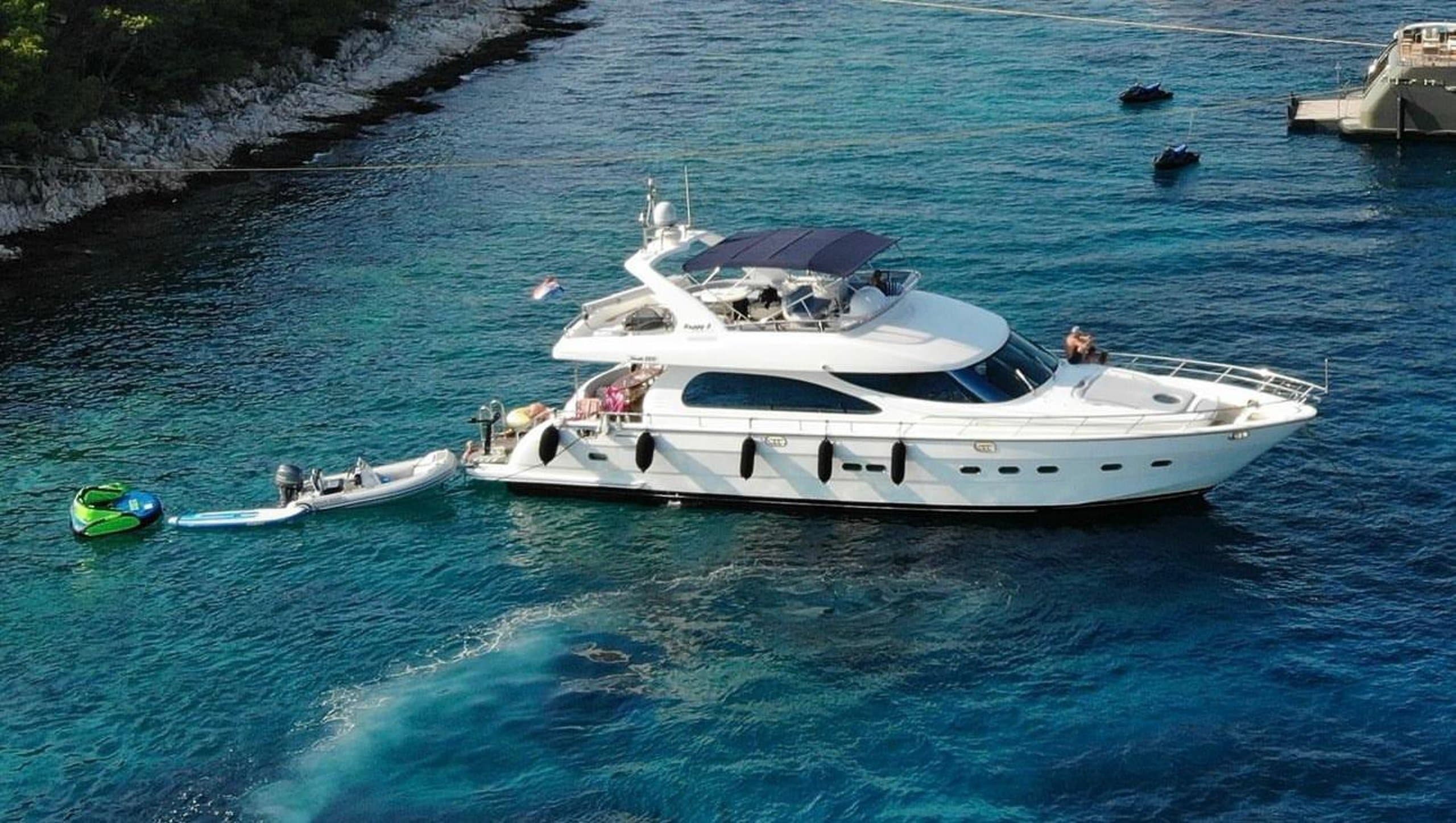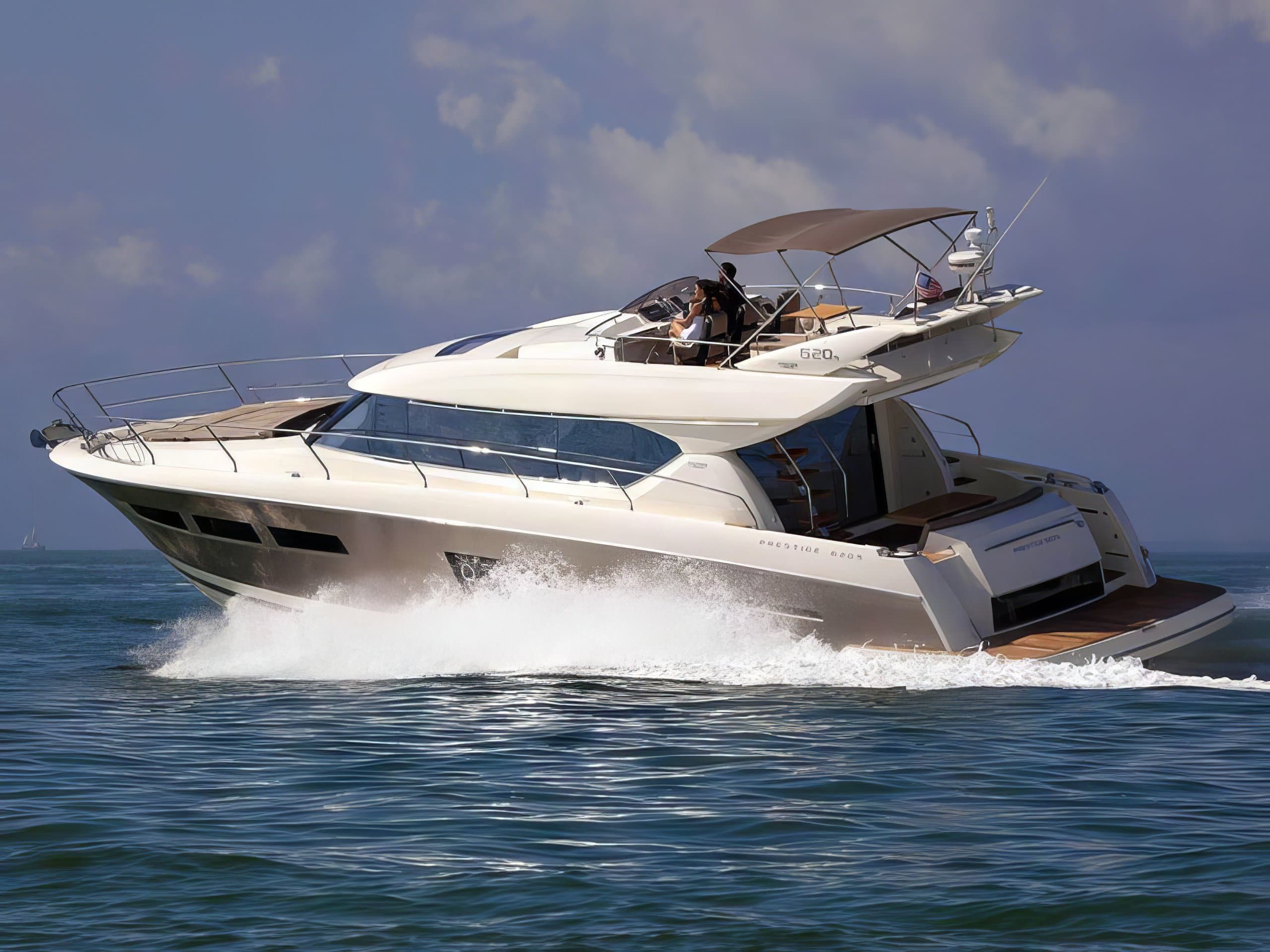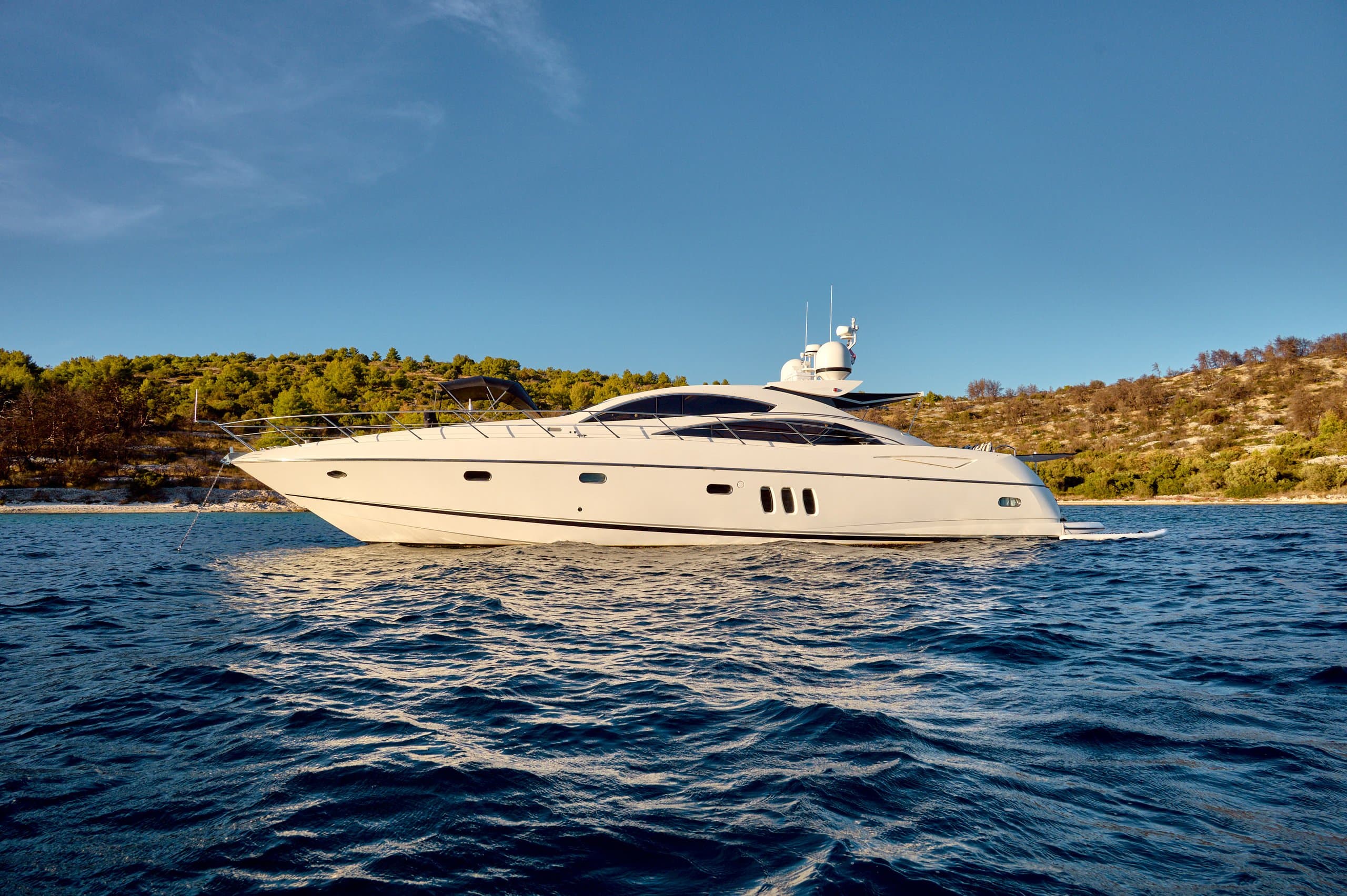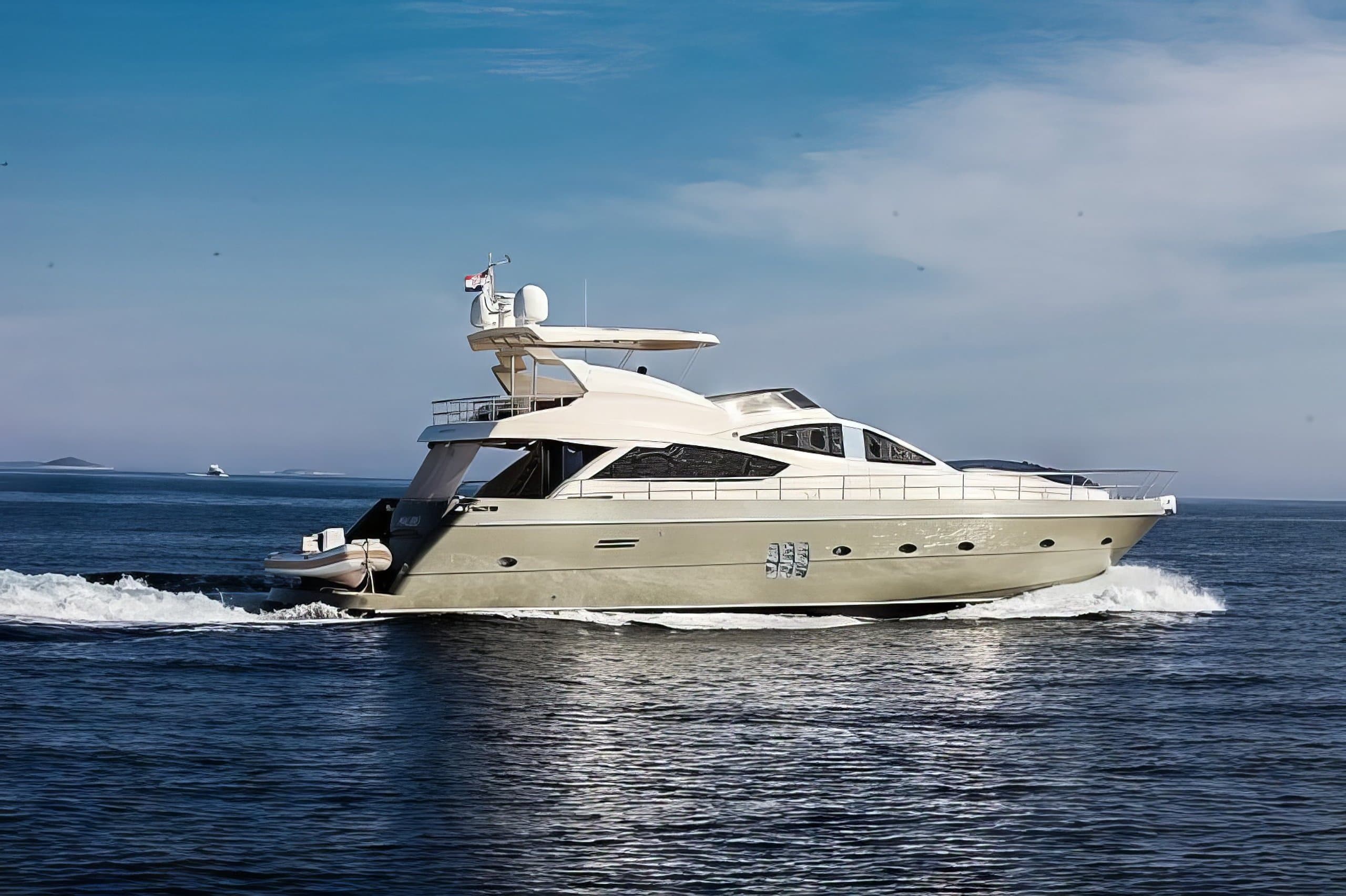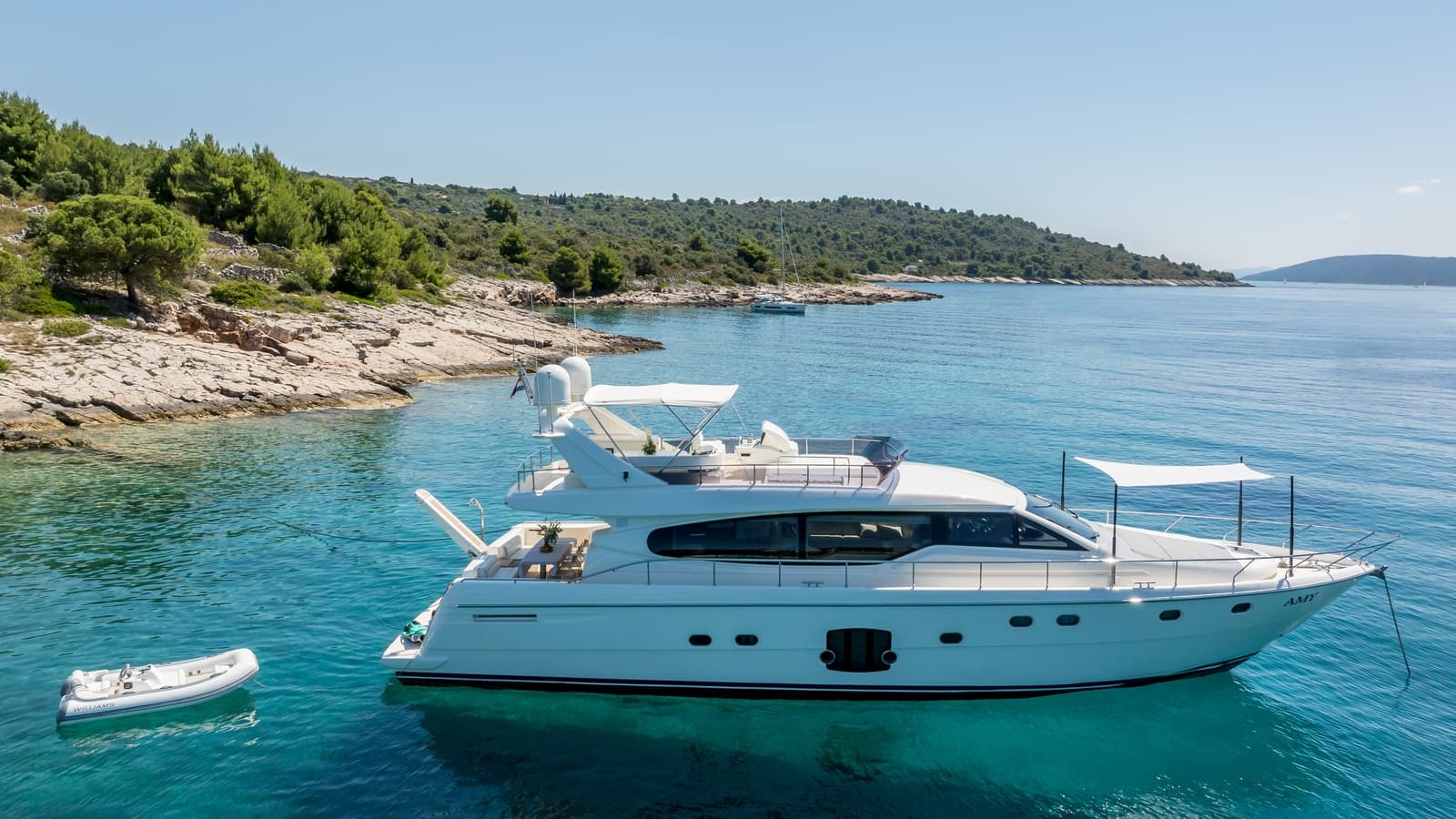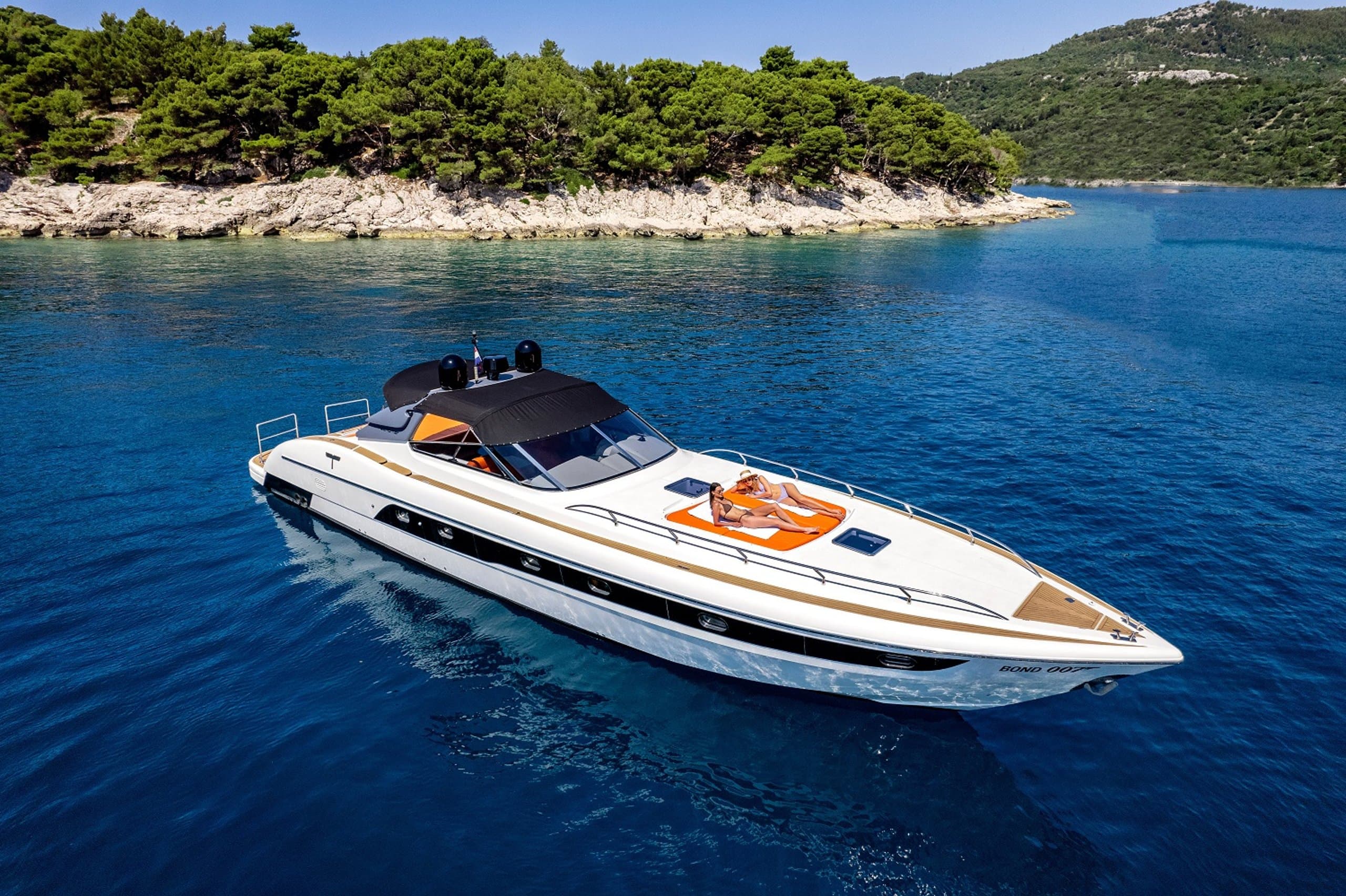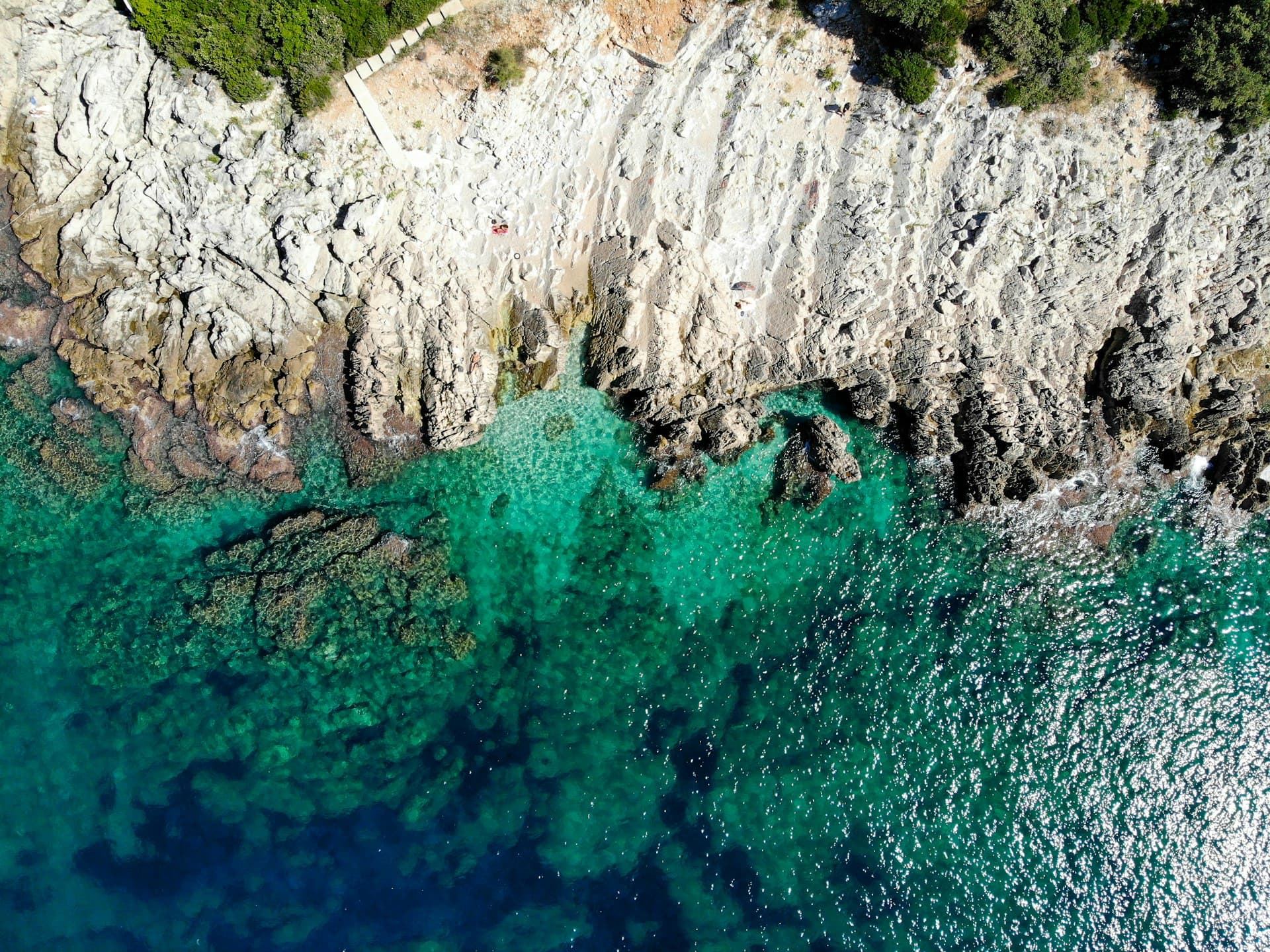
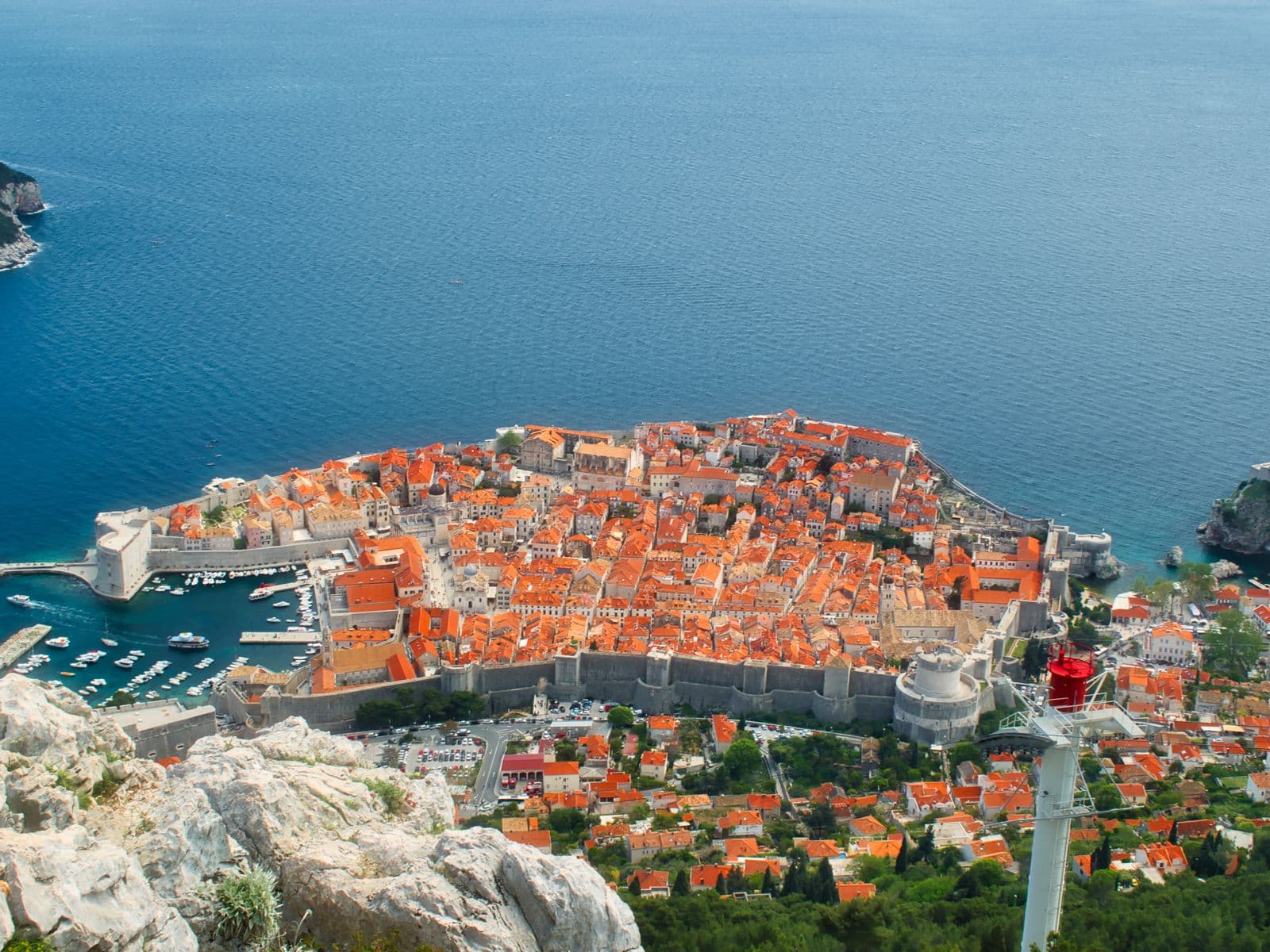
Croatia’s Adriatic coast runs 1,100 kilometres if you follow every inlet, yet the charter fleet concentrates on a 150-nautical-mile corridor between Dubrovnik and Split — and the thousand-odd islands that lie offshore. The water is deep, clean, and startlingly clear: 30-metre visibility is routine, not remarkable. The islands are limestone, white-rocked and pine-topped, their western shores baked by sun and their eastern sides tucked into calm, shadow-cooled anchorages.
A thousand islands, and still the hardest choice is where to stop for lunch.
The Cruising Ground
The Dalmatian coast divides naturally into three zones. The southern section, anchored by Dubrovnik, runs north through the Elafiti islands and the Peljesac peninsula to Korcula. The central section covers the islands of Hvar, Brac, and Vis, with Split as the mainland hub. Further north, the Kornati archipelago — 89 islands and reefs spread across 35 km — offers the most remote sailing in the Adriatic.
Most one-week charters work either the southern or central zone. A two-week itinerary comfortably links Dubrovnik to Split with time to explore properly, or extends north from Split into Kornati and the Sibenik channel.
Key Destinations
Season and Conditions
The charter season spans May to October. July and August bring peak temperatures (30-33°C), warm seas (24-26°C), and the strongest Maestral — the afternoon northwesterly that typically fills in around 13:00 and blows 10-18 knots until sunset. It is a reliable and pleasant sailing breeze. The Bora, a cold northeast wind, is a winter phenomenon but can make brief, sharp appearances in spring and autumn — forecasts give adequate warning.
June and September are the preferred months for experienced charterers: quieter harbours, softer light, sea temperatures still comfortable for swimming (22-25°C), and marina berths available without advance booking.
A Typical Charter Week
From Split, a week heading south: Day 1, motor to Stari Grad on Hvar’s north coast — one of the oldest towns in Europe, set at the head of a long, protected inlet. Day 2, round to Hvar Town for an afternoon ashore and dinner, then anchor in the Pakleni islands overnight. Day 3, cross to Vis; lunch in Komiza, afternoon at Stiniva cove (a beach enclosed by towering cliffs, accessible only by sea). Day 4, morning visit to the Blue Cave at Bisevo, then sail south to Korcula. Day 5, explore Korcula old town, afternoon wine tasting on the Peljesac peninsula by tender. Day 6, north through the Peljesac channel to Scedro island — an uninhabited anchorage with a ruined monastery. Day 7, return to Split via the south coast of Brac, with a final swim at Zlatni Rat — the distinctive gravel spit that shifts shape with the current.
Daily distances average 15-25 nm, with the Maestral providing reliable afternoon sailing on most days from June through September.
- Sunrise arrival into Dubrovnik's Old Town harbour before the crowds
- Anchoring off the remote Kornati archipelago national park
- Hvar's celebrated nightlife and hilltop fortress
- Korčula — the alleged birthplace of Marco Polo
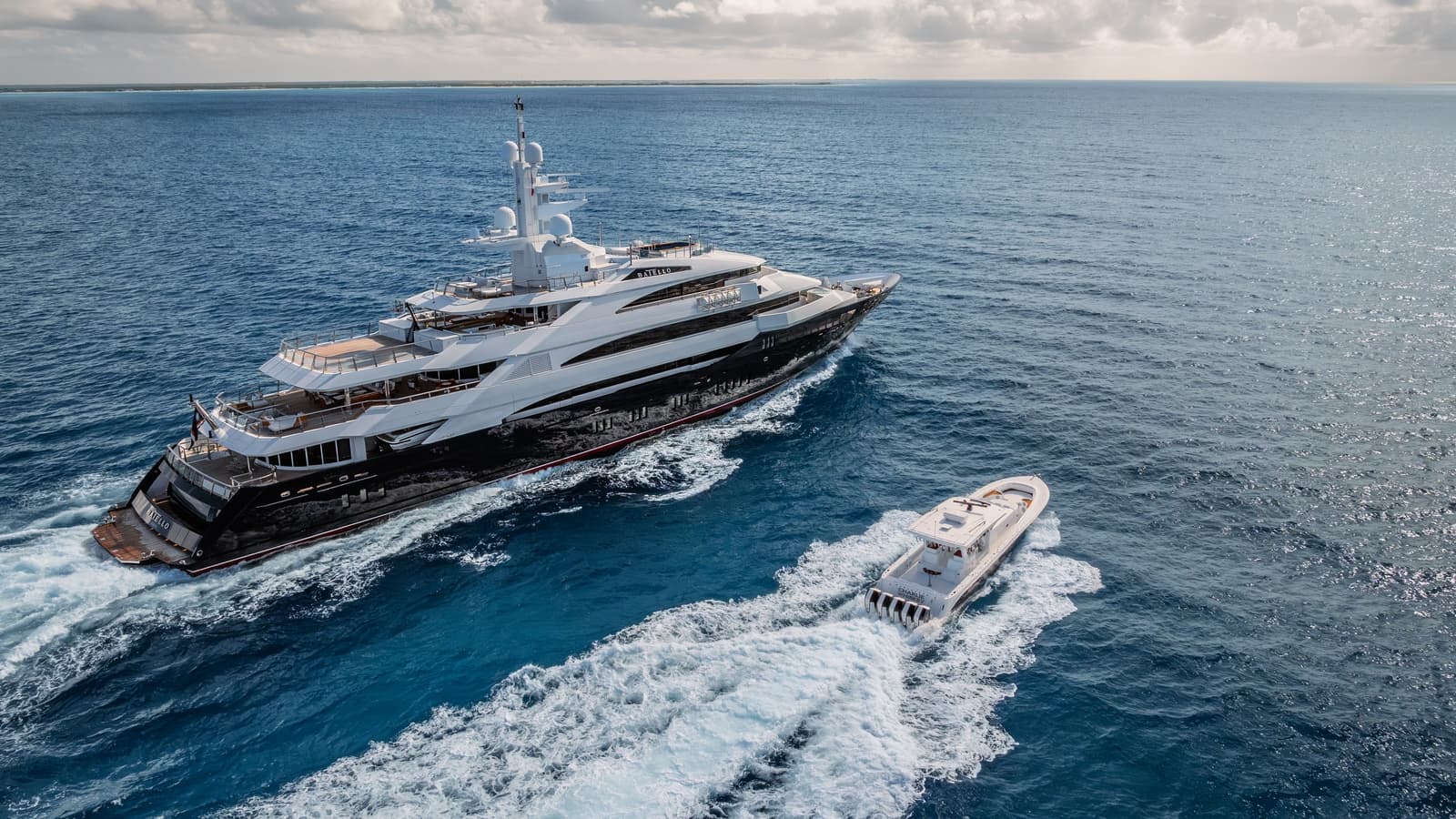
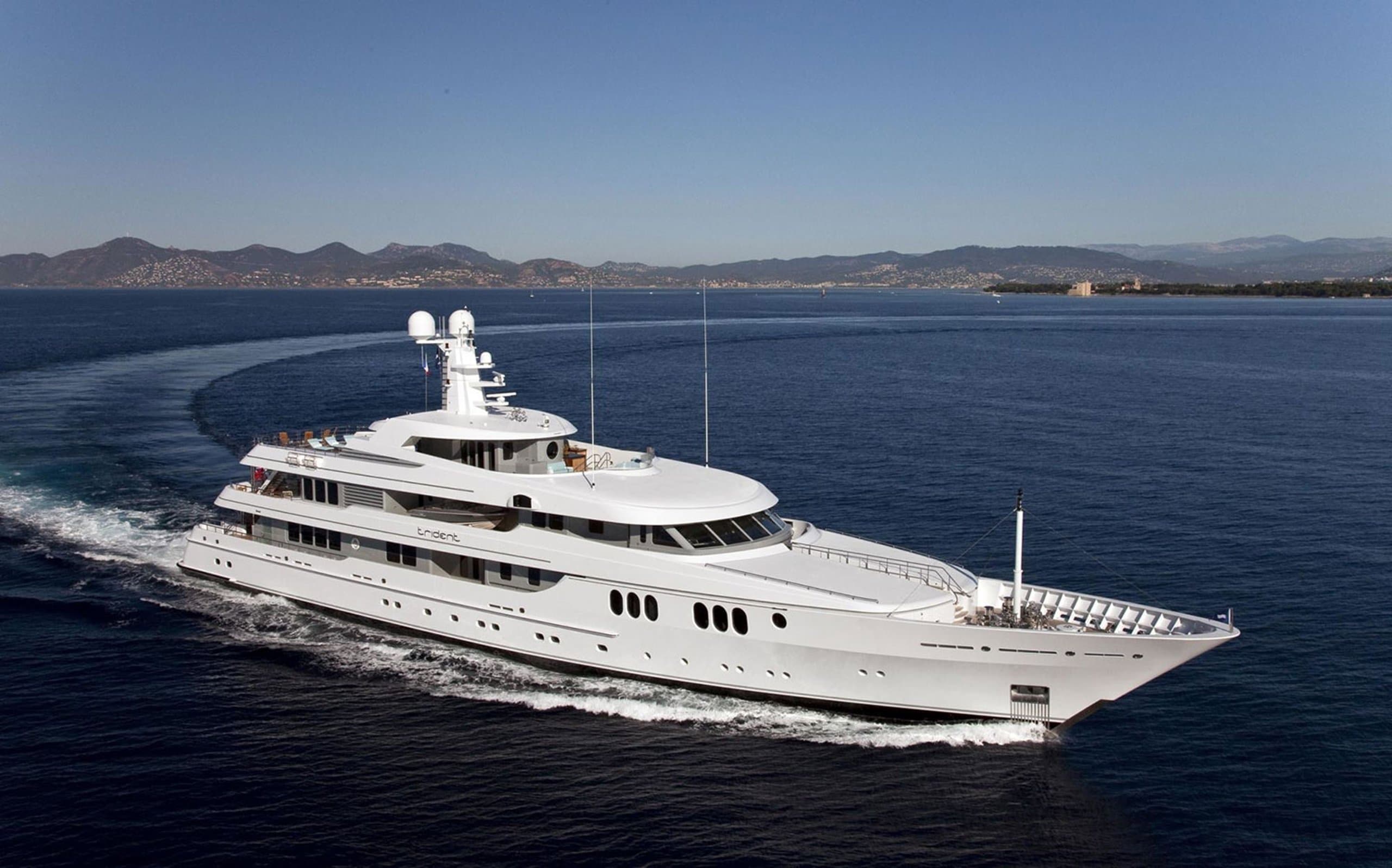
June is the sweet spot for a Croatia superyacht charter: reliable Maestral winds, water temperature already above 22°C, and anchorages that are busy but not yet overwhelmed. July and August are full season — the Adriatic is at its warmest and most social, but popular anchorages in Hvar and around Dubrovnik fill quickly. September is the month of easy sailing: cooler evenings, much better berth availability, water still warm enough for daily swimming. October sees the first Bora storms possible and restaurants beginning to close, but can still offer outstanding passages between islands in settled weather.
Croatia works exceptionally well as a yacht destination because the geography is naturally charter-friendly. Islands sit in sequence, harbours are frequent, and a week can feel broad without becoming exhausting. Add the Adriatic's walled towns, clear water, and generally manageable summer conditions, and the region's popularity becomes easy to understand.
The best Croatian charters use the coast's flexibility. You can choose a socially active port night, then sleep at anchor somewhere much quieter. You can focus on a central Dalmatian run or stretch farther south toward Montenegro. Either way the yacht allows the route to remain elegant rather than logistically heavy.
For guests who want a classic Mediterranean week with reliable distances and strong old-town atmosphere, Croatia remains one of the best answers.
Easy Adriatic one-week routing
Historic harbour towns
Comfortable island mileage
Strong extension toward Montenegro