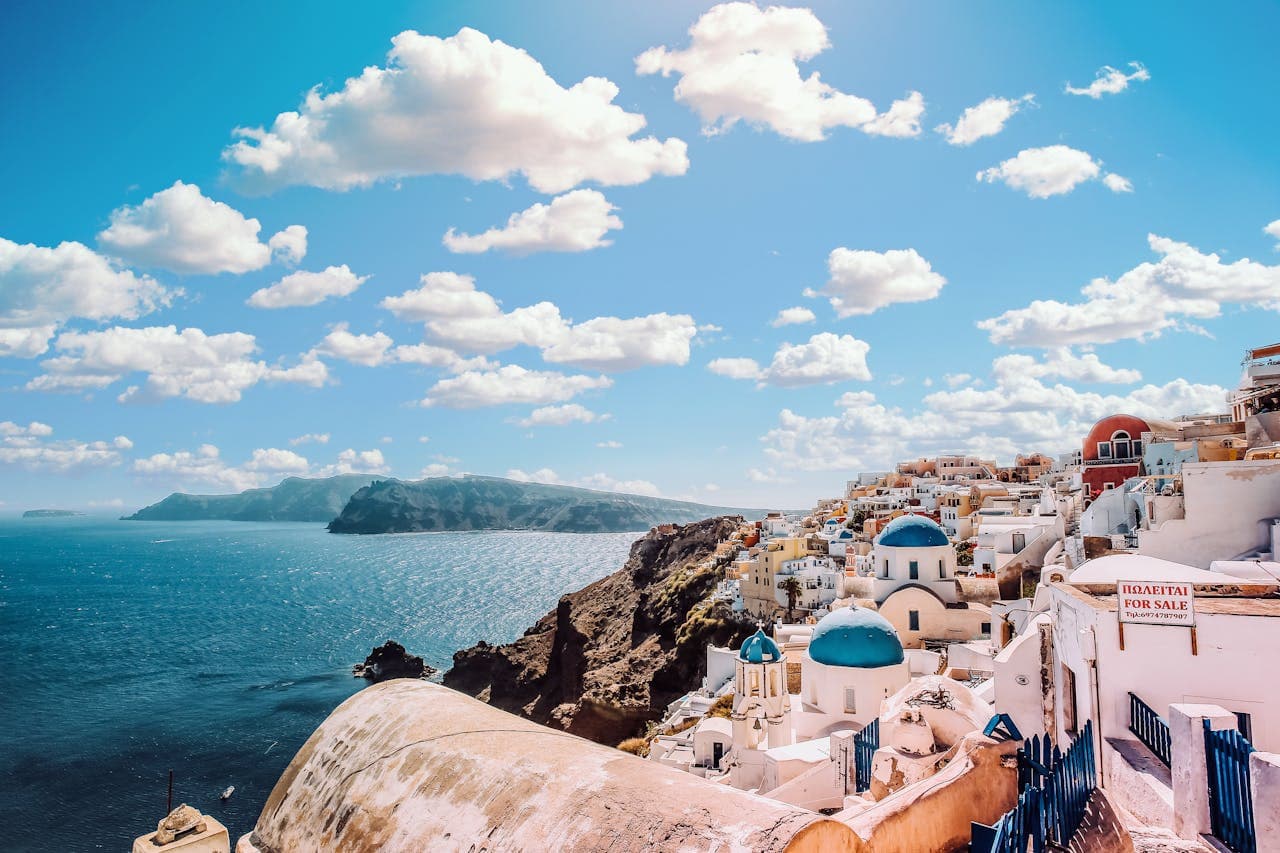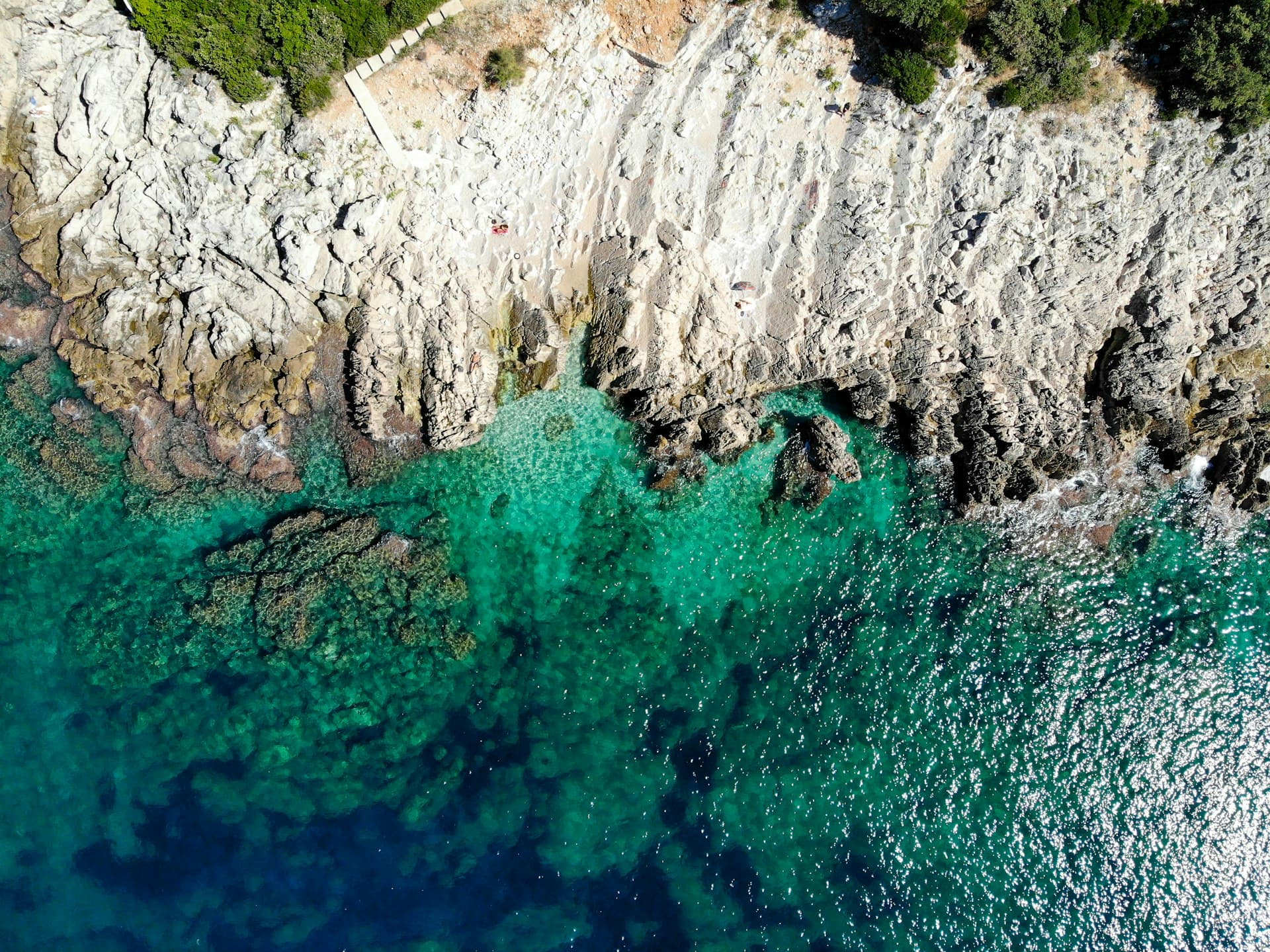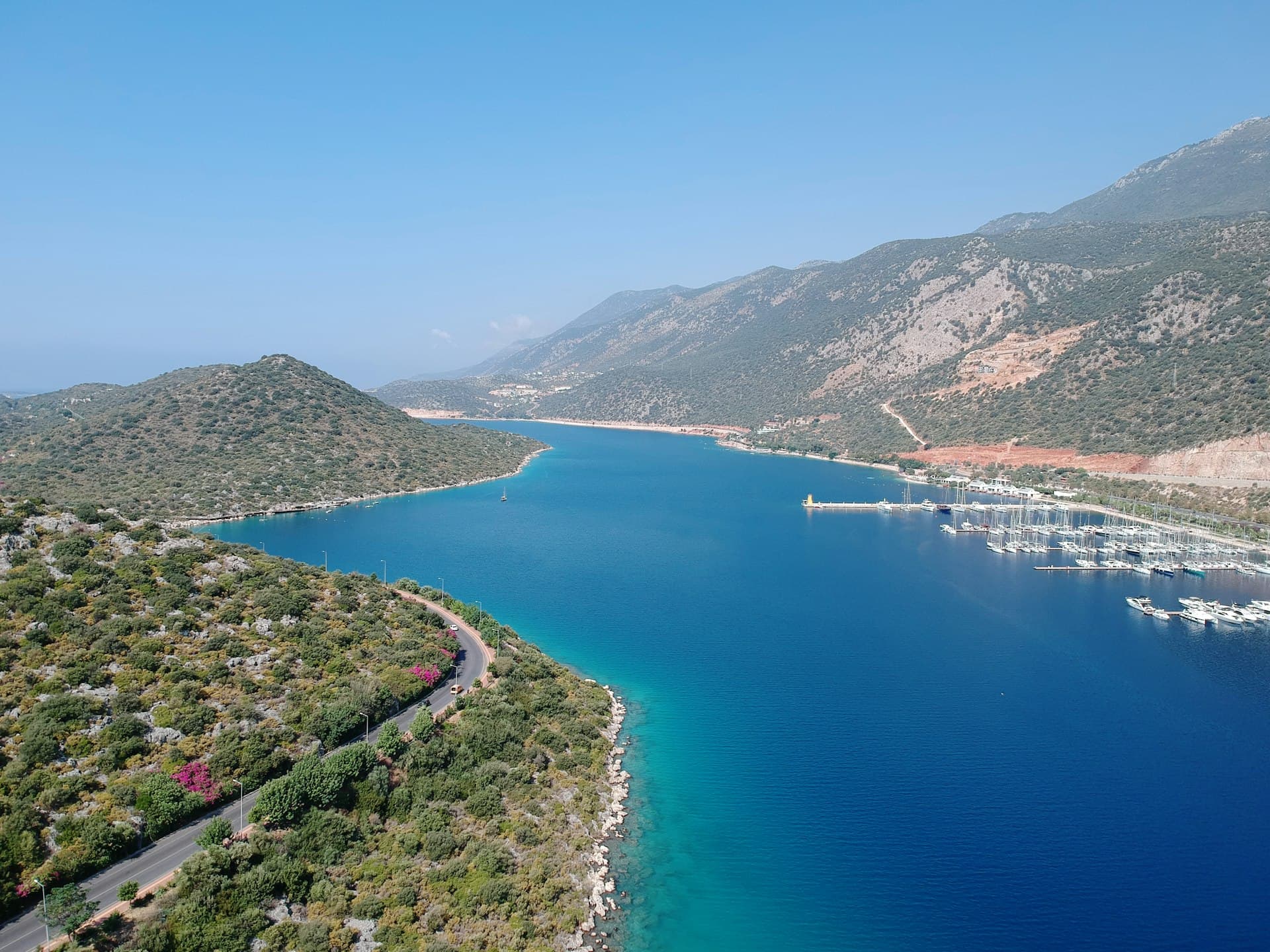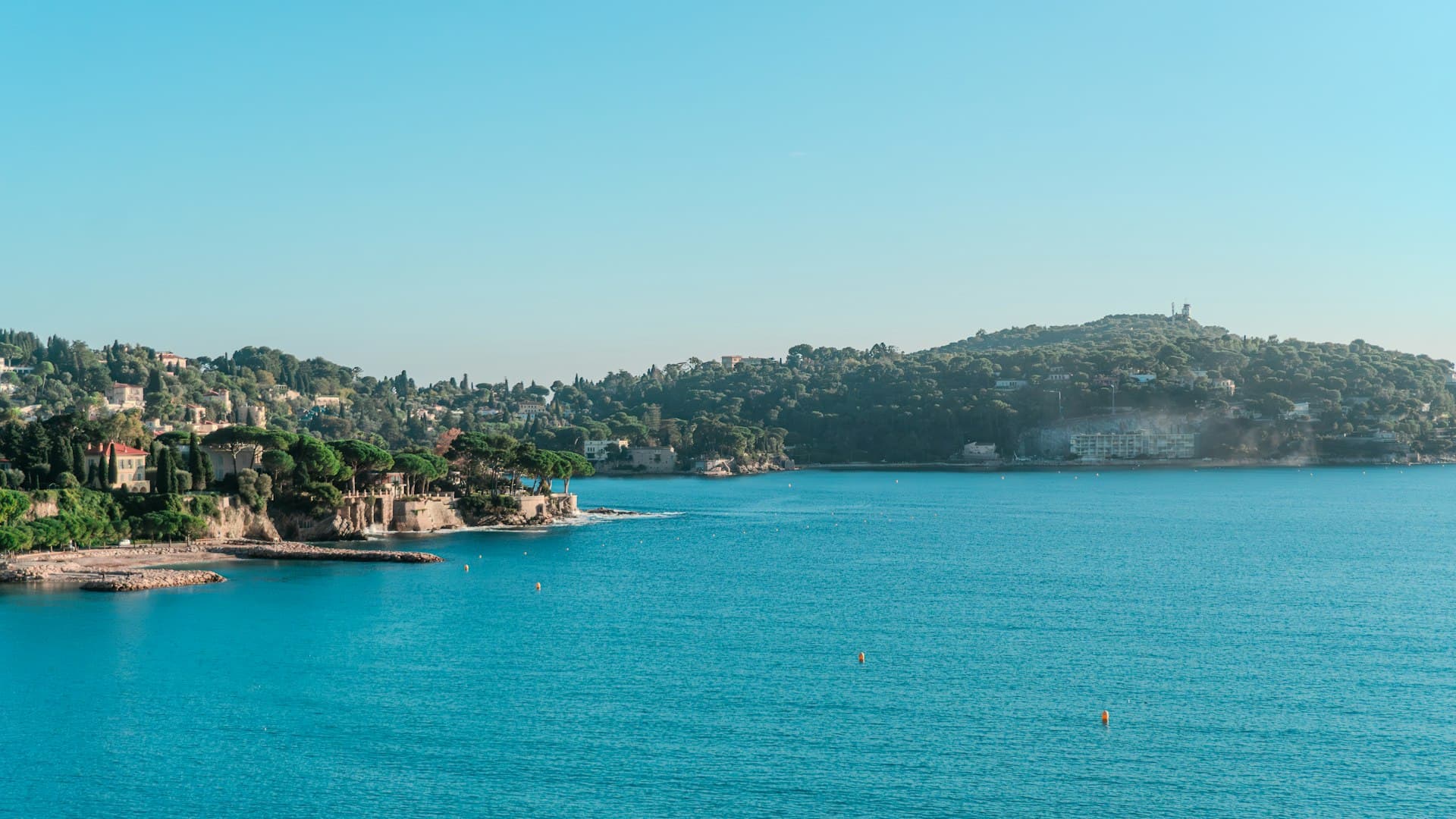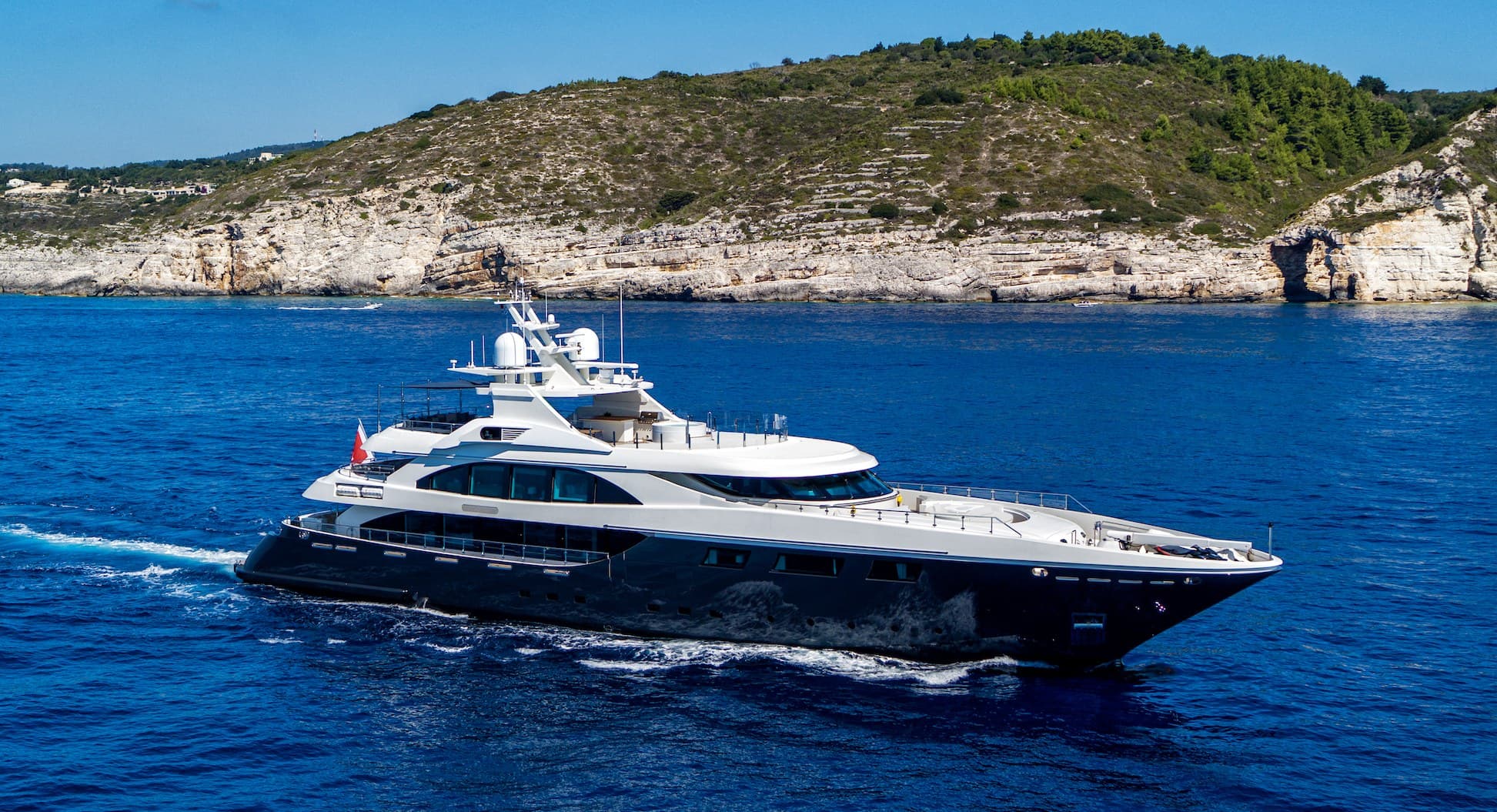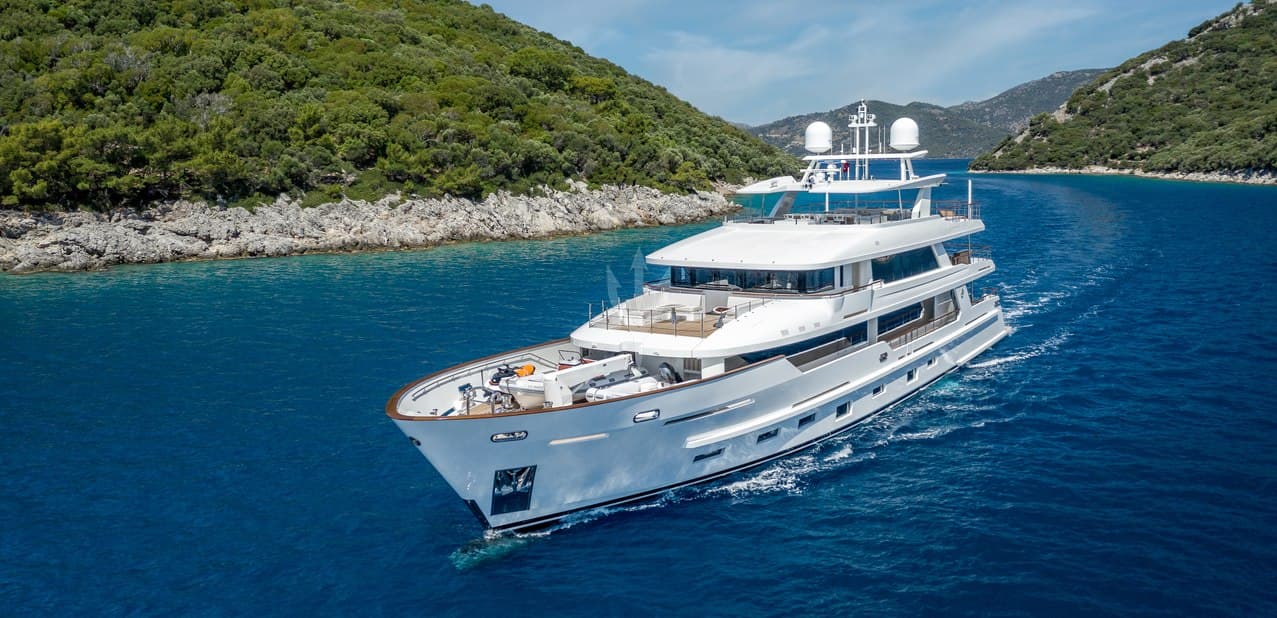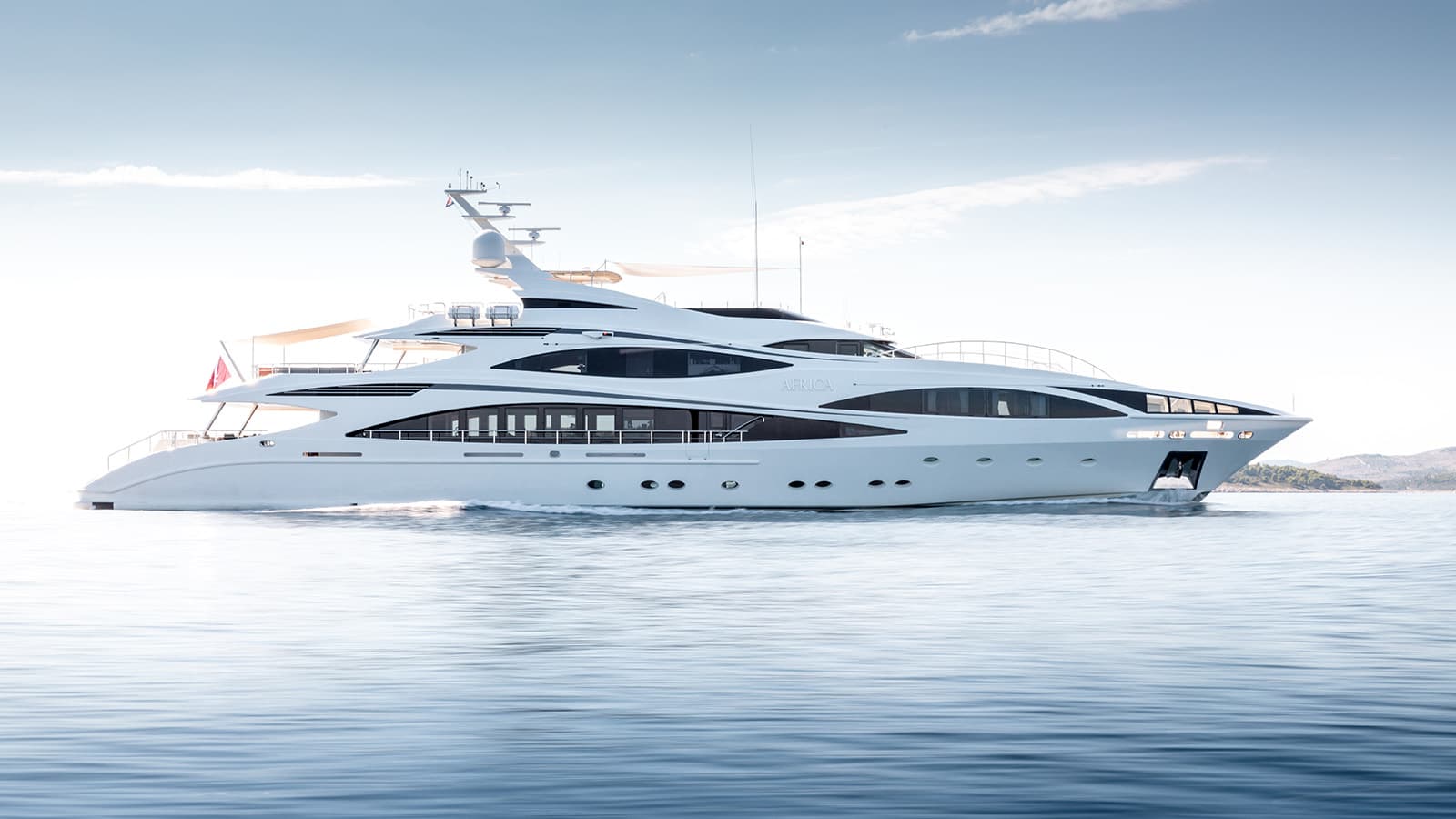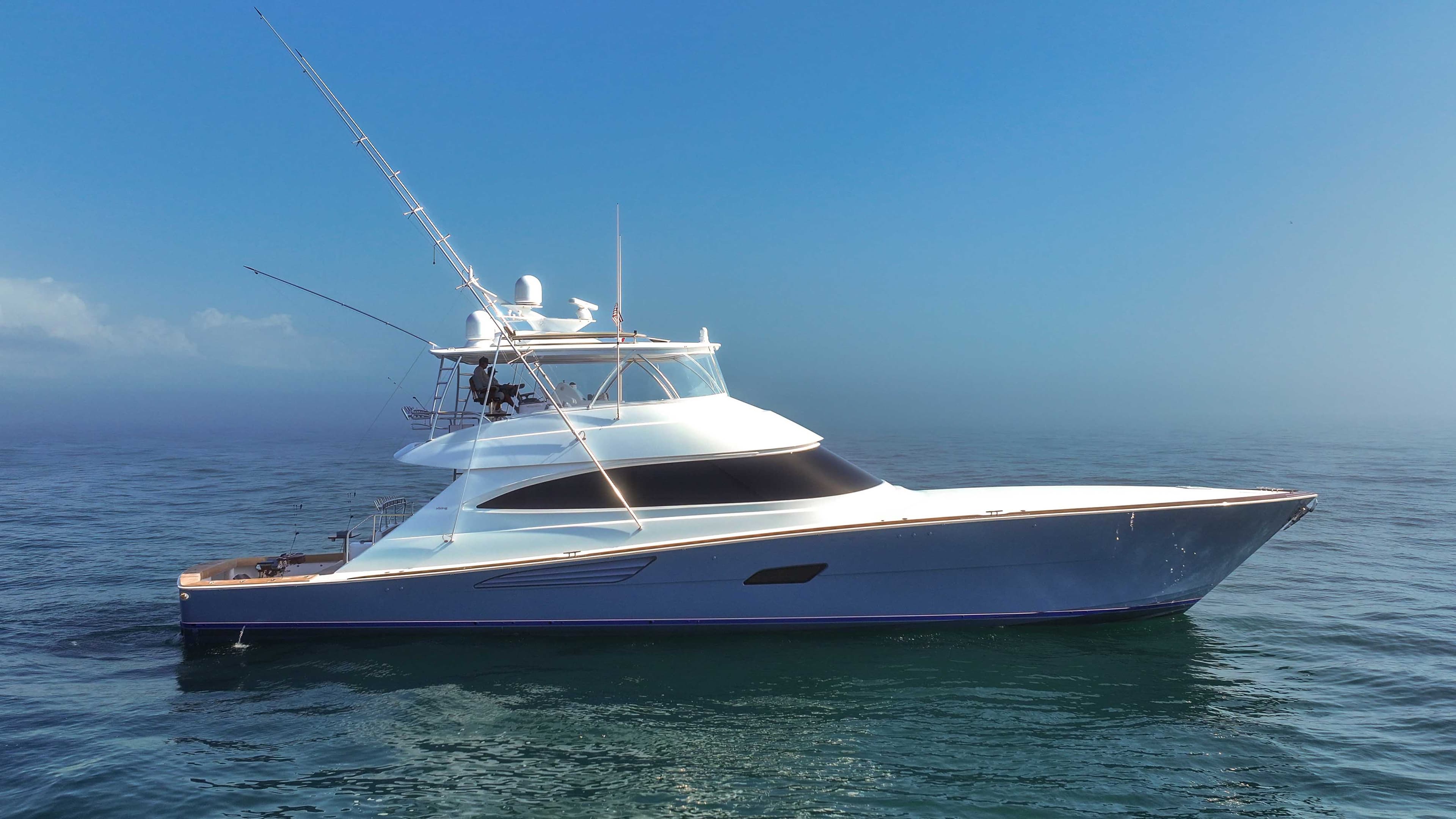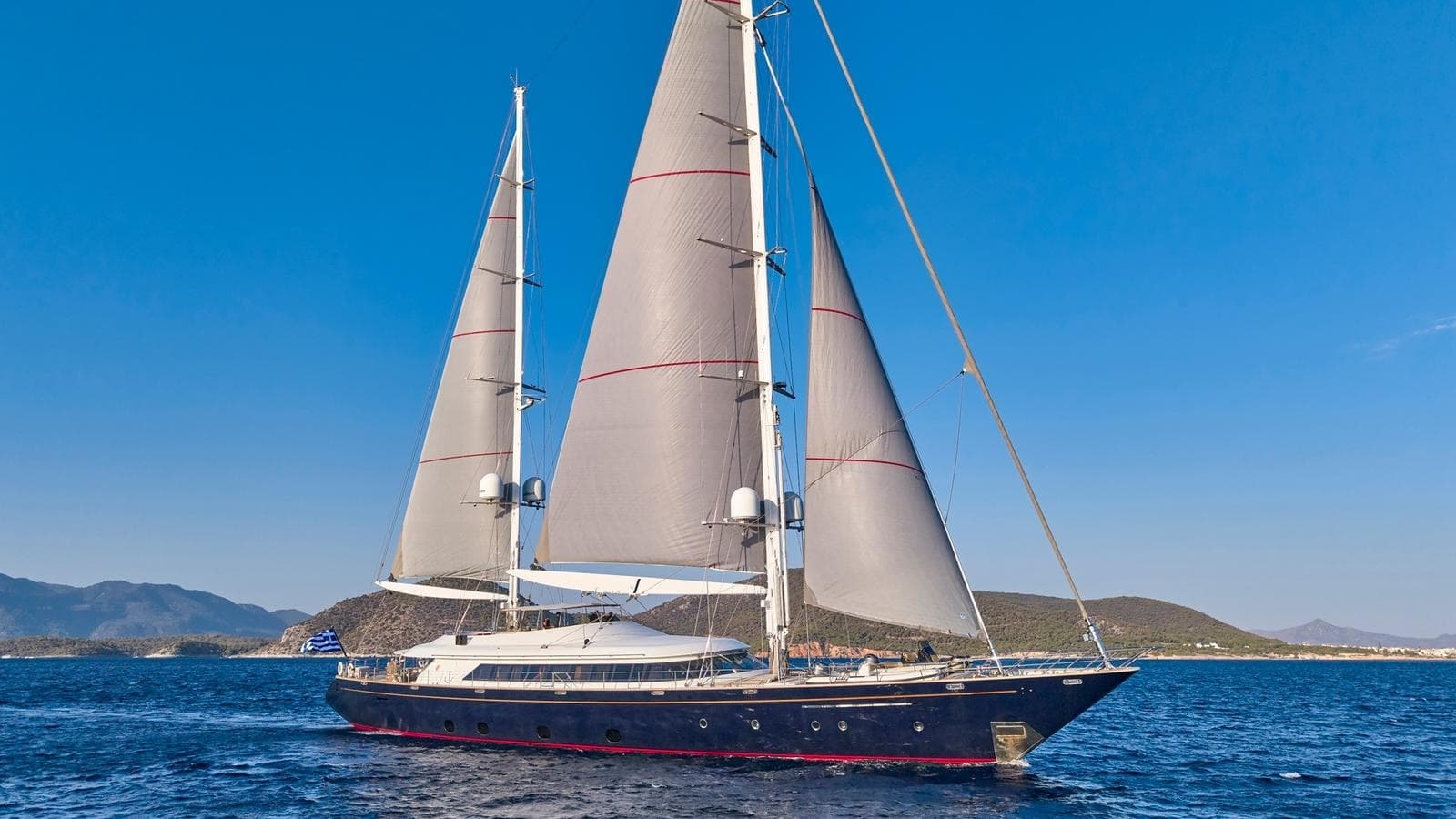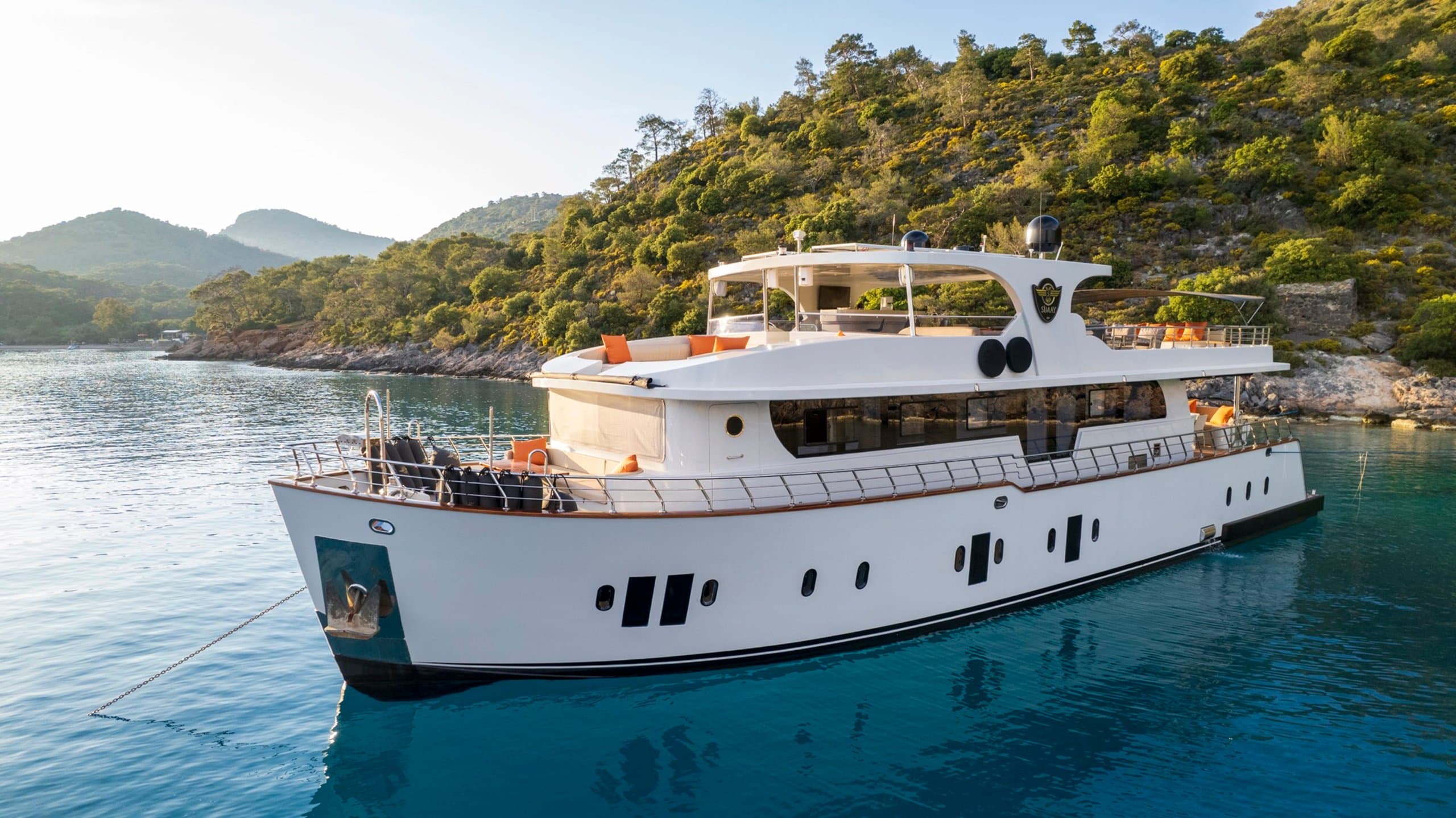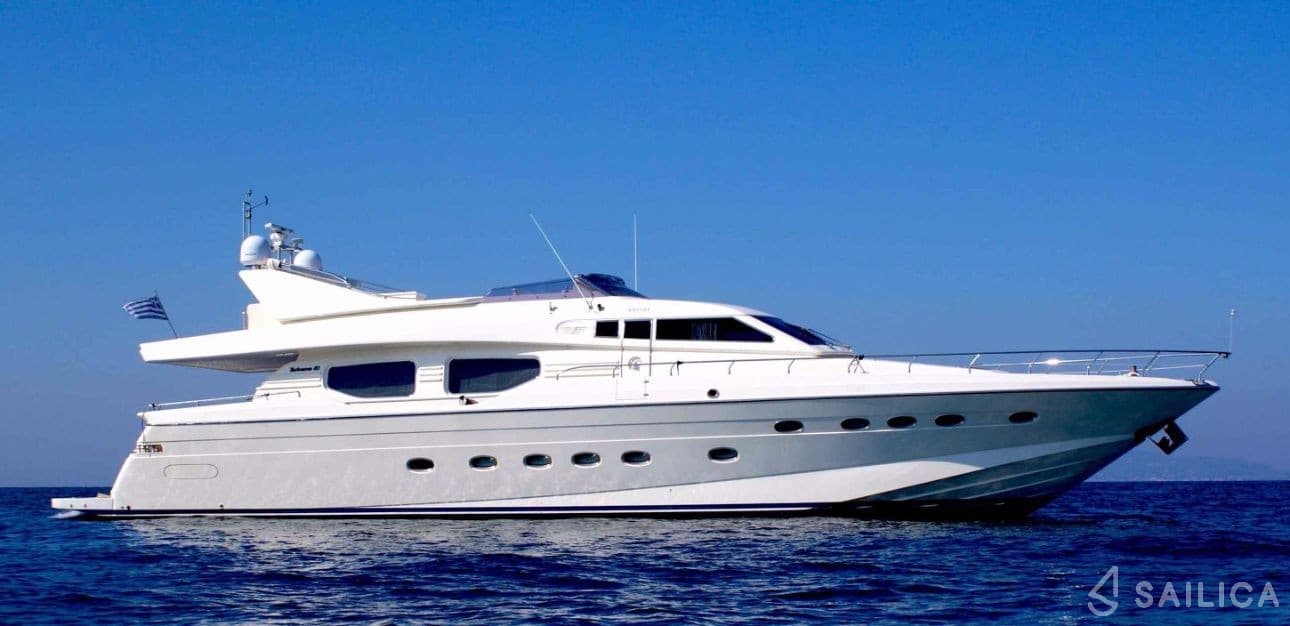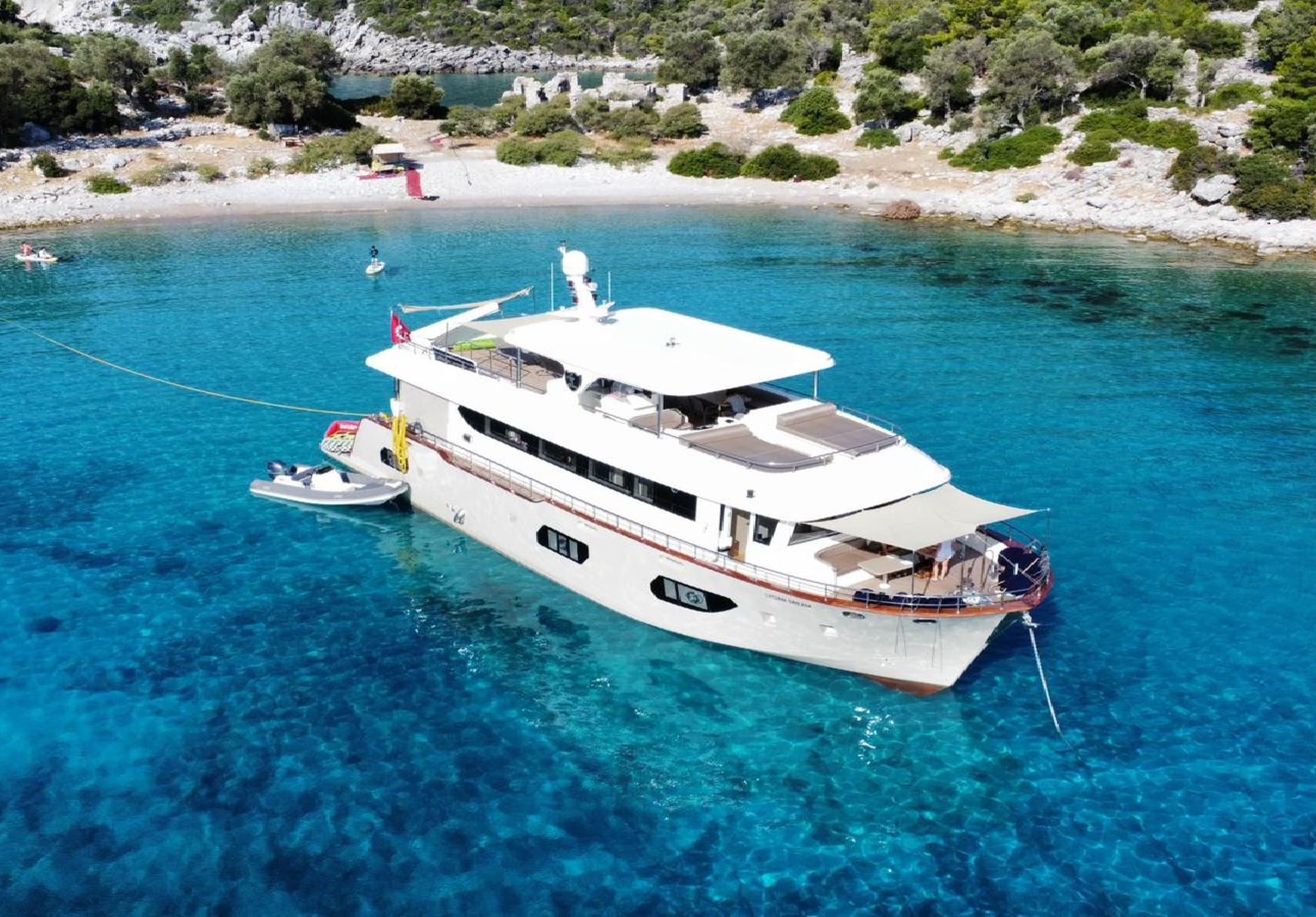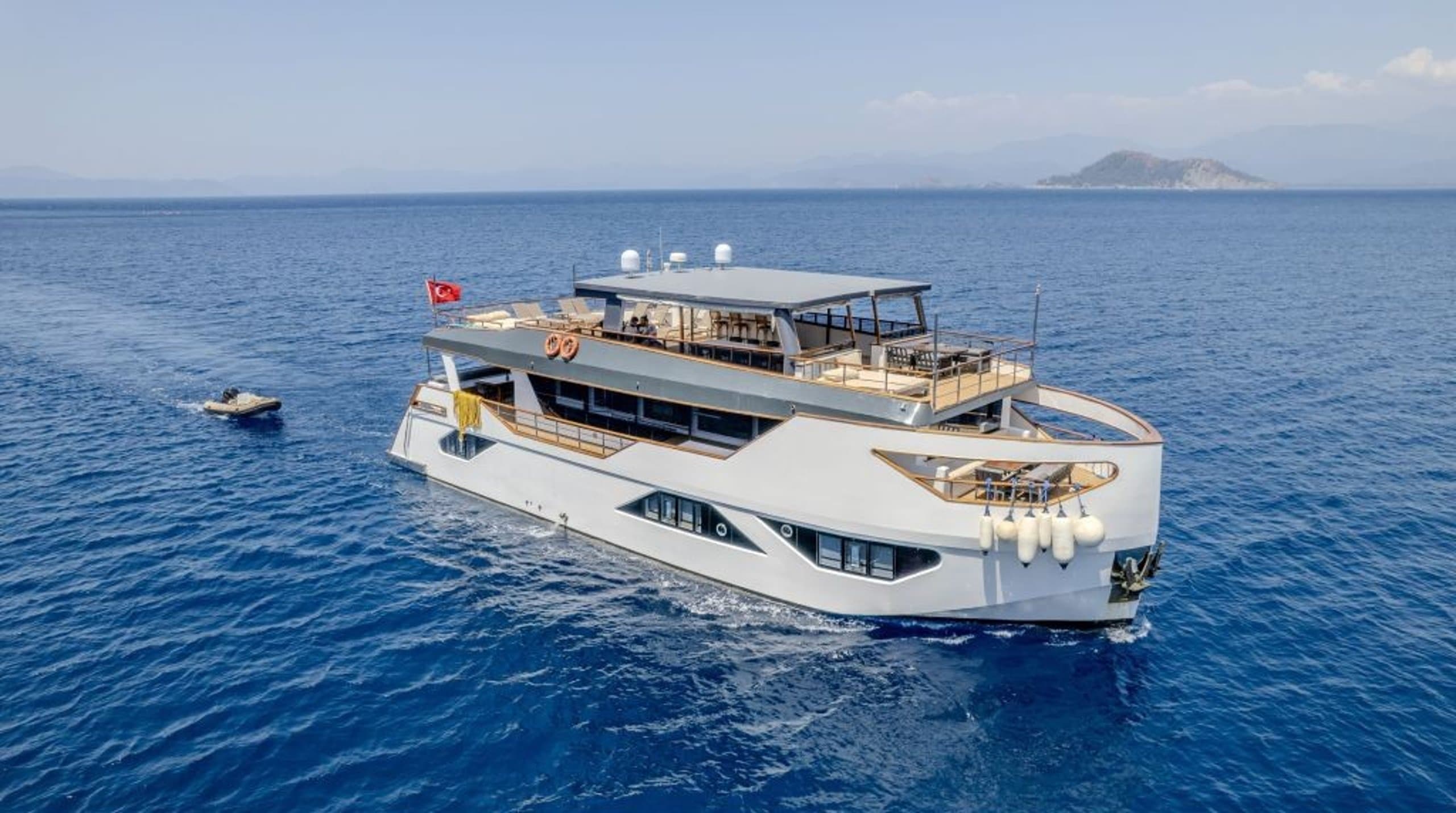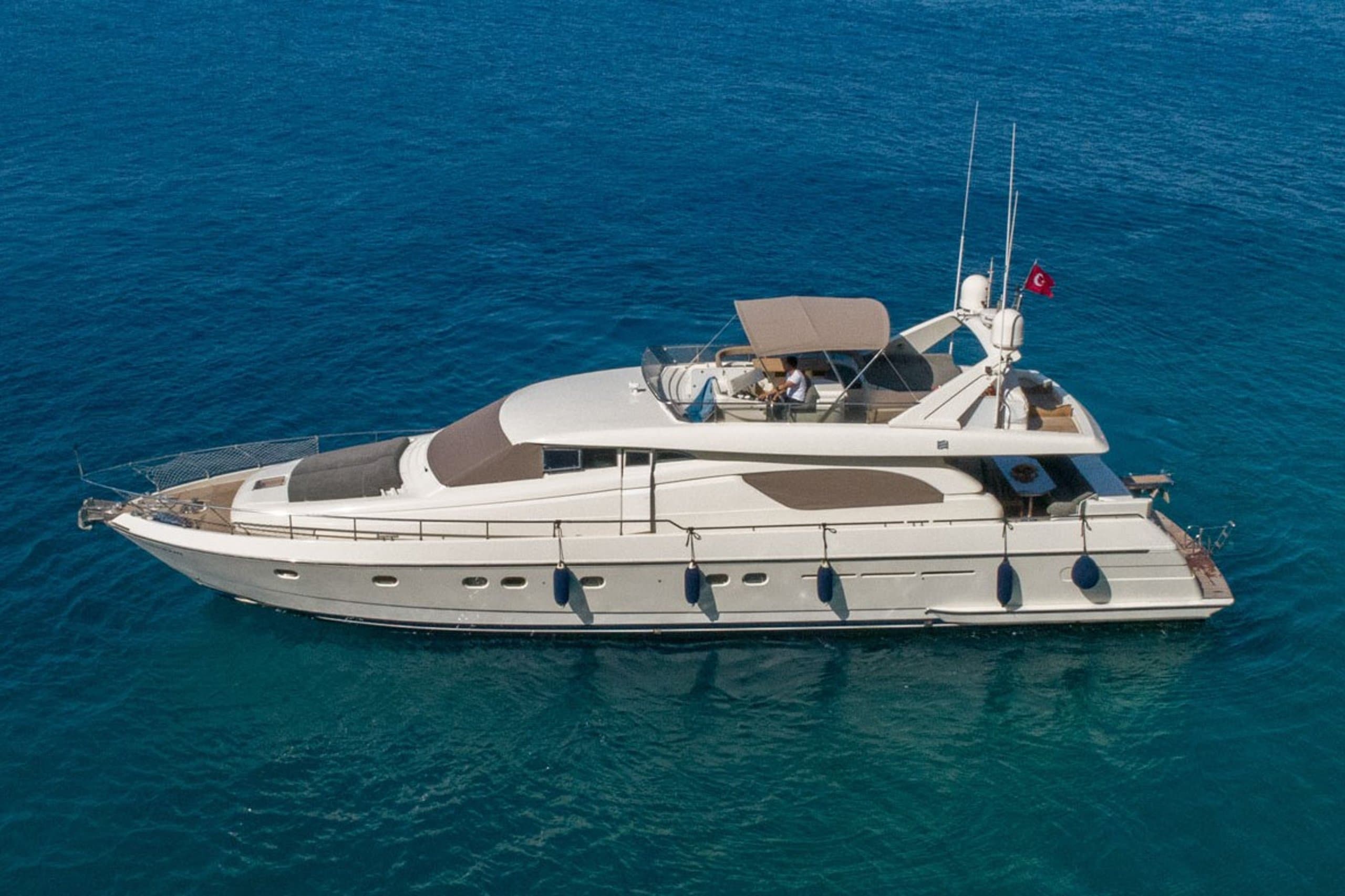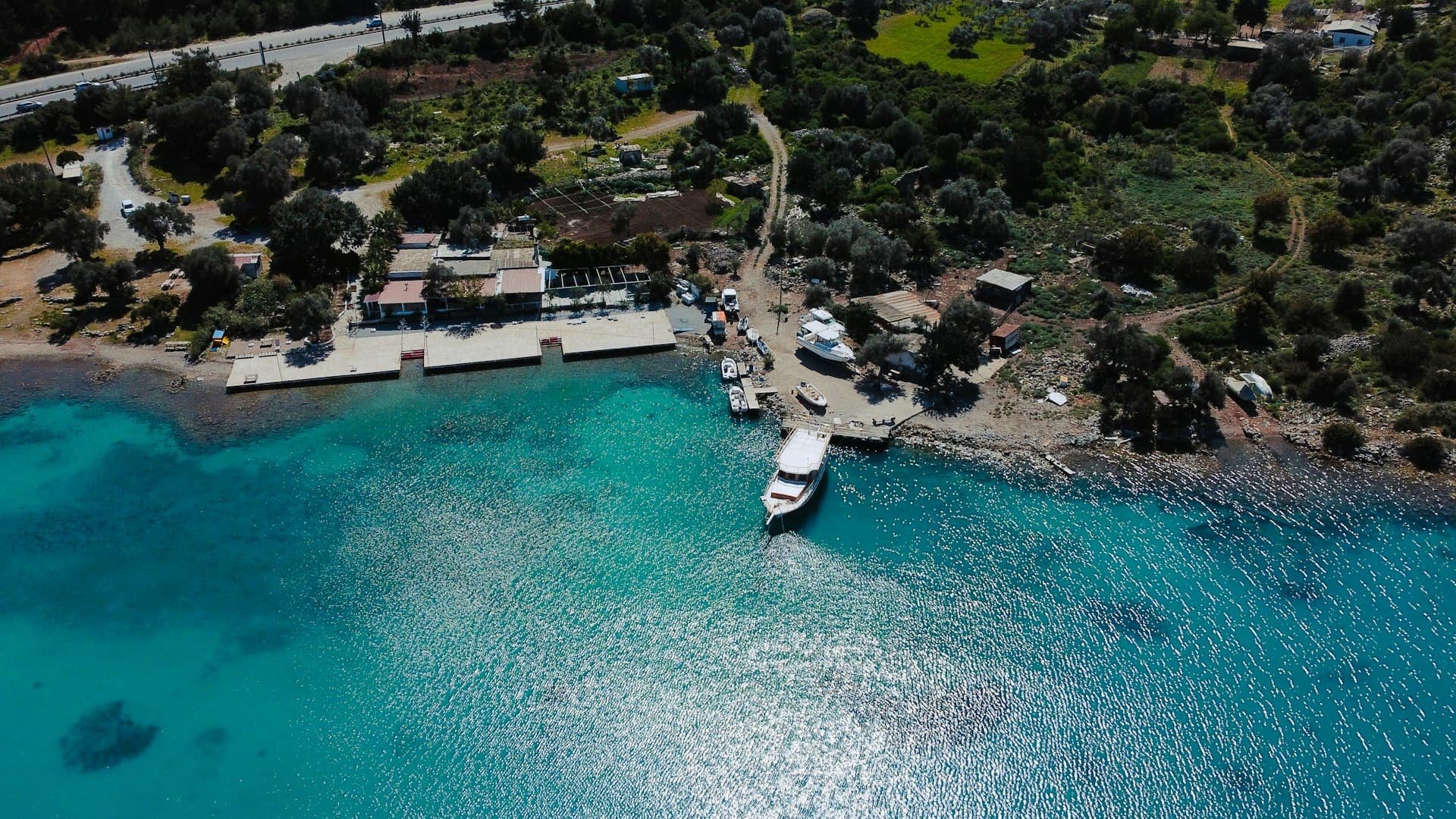
Turkey’s southwest coast between Bodrum and Antalya is where the gulet was born — and where, half a century later, it remains the most natural way to travel. The water here runs from cerulean to deep indigo over white sand. Pine forests push down to the shoreline. Ancient cities sit half-submerged at the waterline, their stone quays still serviceable after two thousand years.
A coastline where the pine forests meet the sea, and every bay holds the ruins of someone else’s civilisation.
The Cruising Ground
The Turkish charter coast stretches roughly 200 nautical miles from Bodrum in the northwest to Kekova in the southeast, with the major hubs at Bodrum, Marmaris, Gocek, and Fethiye. Most charters work a section of this coastline rather than attempting the full run — a week comfortably covers 60-80 nm of exploration with time to swim, eat well, and go ashore.
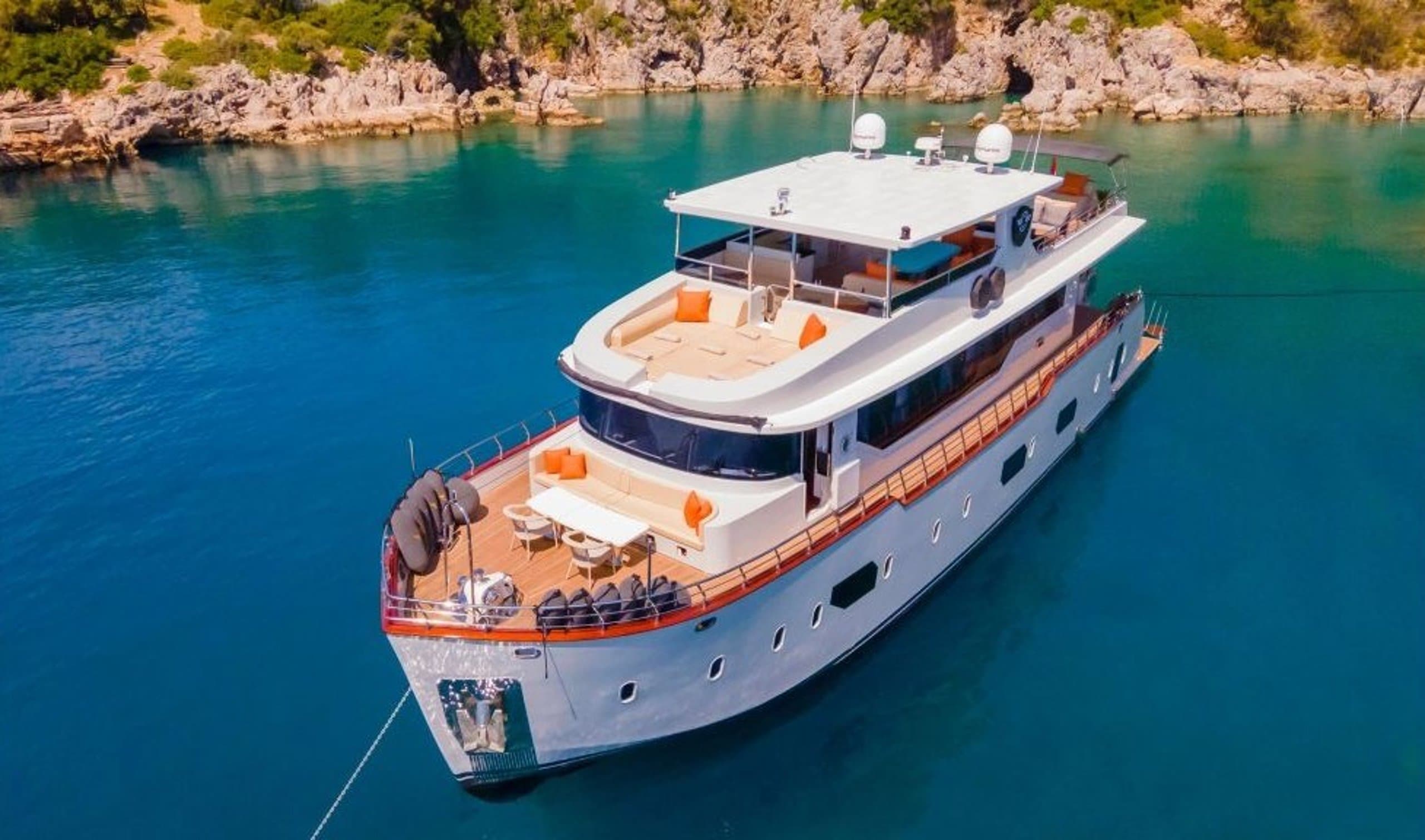
The Lycian coast, between Fethiye and Kas, is the centrepiece. Here the Taurus mountains drop steeply to the sea, creating deep-water anchorages backed by sheer rock and forest. Kekova Roads — the long, sheltered channel behind Kekova Island — offers flat-calm water over the submerged ruins of Simena, where you can snorkel above Lycian tombs in three metres of visibility.
Key Ports and Anchorages
Gulet Heritage
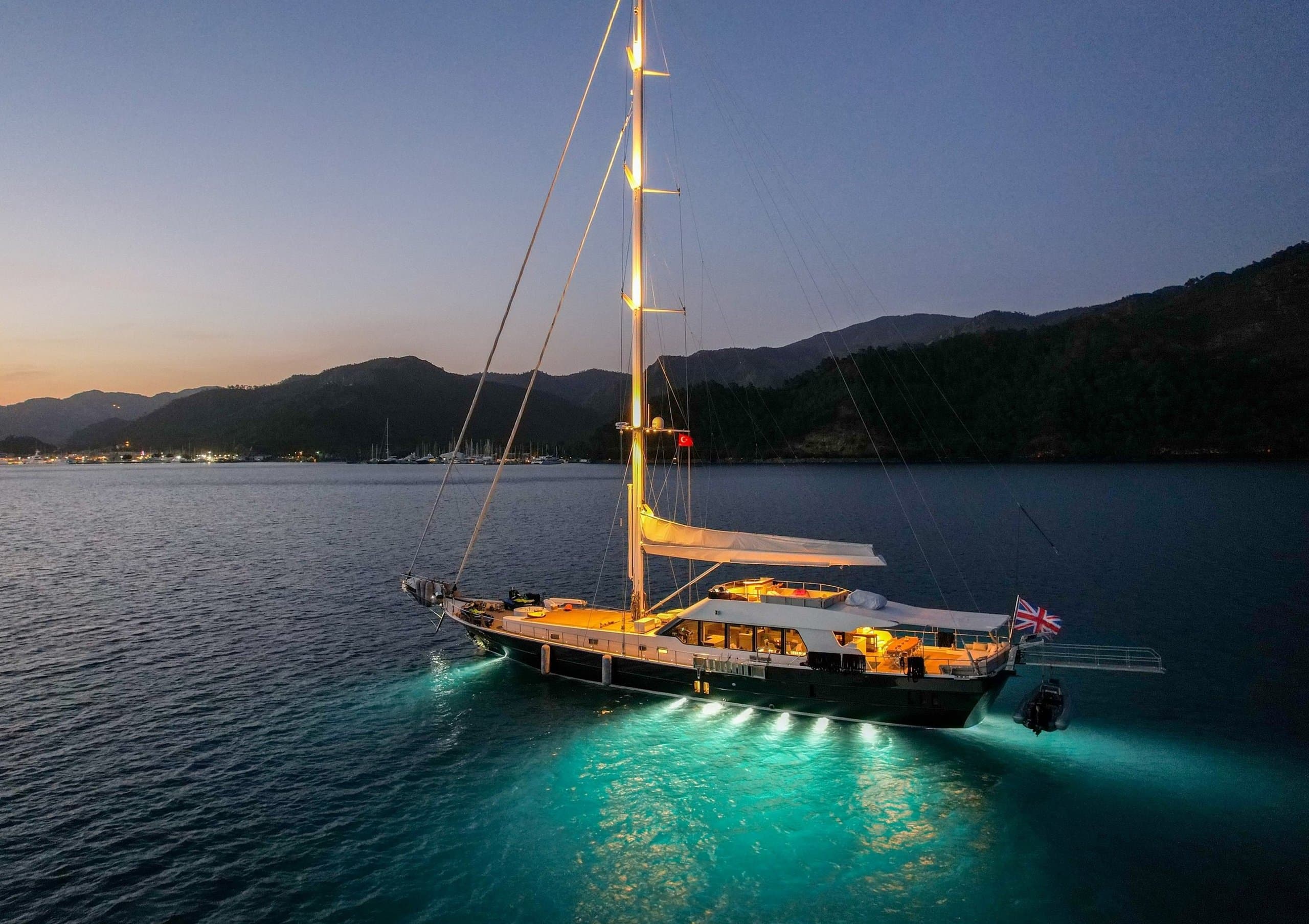
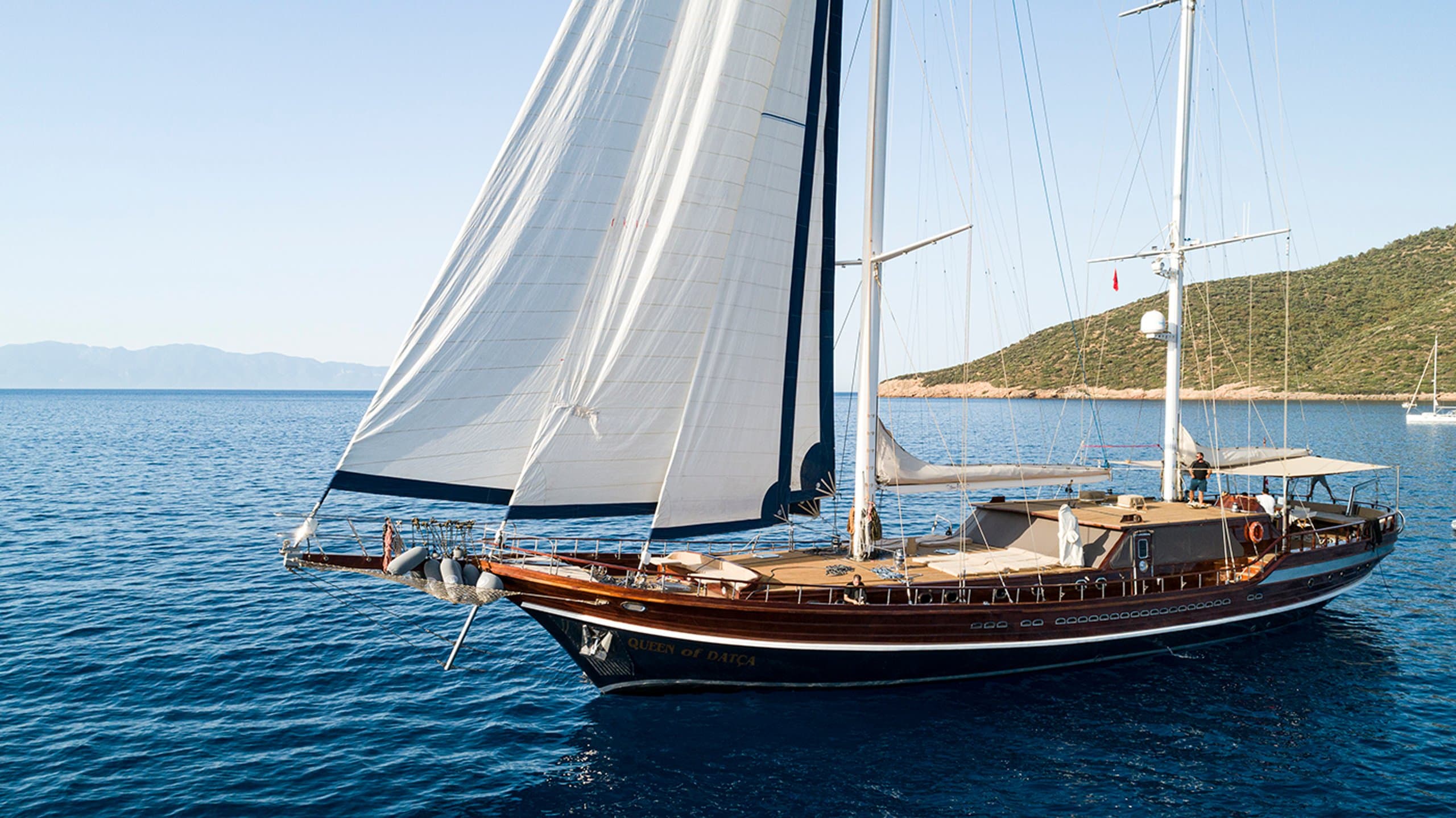
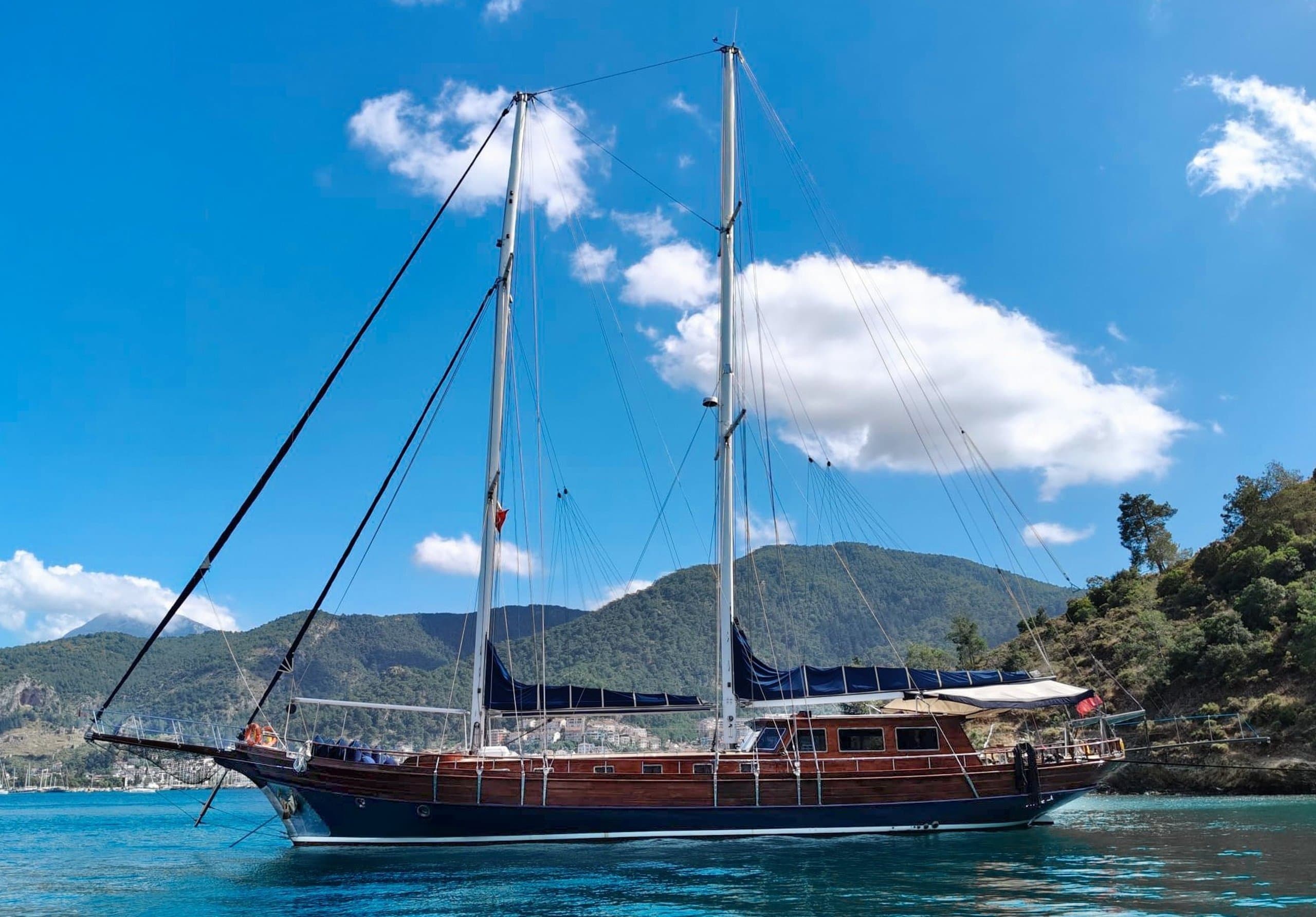
Turkey is the only charter destination where traditional wooden motorsailers remain a mainstream option rather than a novelty. Modern gulets range from 20 to 50 metres, built in Bodrum and Bozburun boatyards using techniques refined over generations. A well-maintained gulet offers something no fibreglass yacht can replicate: the creak of timber, the smell of varnish, wide aft decks built for communal dining, and a draught shallow enough to nose into bays that deeper hulls cannot reach.
A typical gulet charter carries 8-12 guests with a crew of 4-6, including a cook. Meals aboard a good gulet — grilled fish, meze, fresh bread baked each morning — are often the highlight of the trip.
Season and Conditions
The charter season runs May through October. The Meltemi wind, which disrupts the Aegean from July to September, loses much of its force south of Bodrum; the Lycian coast from Gocek to Kas is largely protected by the mountains. Expect daytime temperatures of 28-35°C in high summer, with sea temperatures reaching 27-28°C by August. Spring (May-June) and autumn (September-October) bring gentler heat, fewer boats, and slightly lower rates.
A Typical Charter Week
Departing Gocek, a week might unfold as follows: Day 1, lunch at Tersane Island’s ruined boatyard, overnight in Manastir Bay. Day 2, south through the islands to Gemiler (St Nicholas Island) with its Byzantine church ruins. Day 3, round the headland to Oludeniz and Butterfly Valley — a steep gorge accessible only from the sea. Day 4, into Kalkan for a harbourside dinner. Day 5, Kas for provisions and a morning in town. Day 6, east to Kekova Roads, snorkelling over the sunken city. Day 7, a quiet bay for a final swim before the return to Gocek.
The distances are short — rarely more than 12-15 nm between stops — leaving time for the swimming, the long lunches, and the unhurried pace that defines chartering on this coast.
- Blue voyaging (Mavi Yolculuk) through secluded Göcek bays
- Sunken ruins of the ancient Lycian city of Kekova
- Bodrum's white-washed old quarter and castle of St Peter
- Fresh seafood mezze served aboard at anchor
May on the Turkish coast is close to ideal: the maquis is in flower, the bays are almost empty, and the water is already warm enough to swim. June is the last month before the serious heat; temperatures are in the low 30s and the marinas have availability. July and August push temperatures above 35°C in Bodrum and see the popular bays fill by early afternoon — but the evenings are magnificent and the Turkish hospitality does not diminish with the crowds. September is the return to sense: the heat softens, the bays empty out, and September sailing on the Turquoise Coast is among the best in the Mediterranean. October is feasible but the first northerly Tramontane can appear.
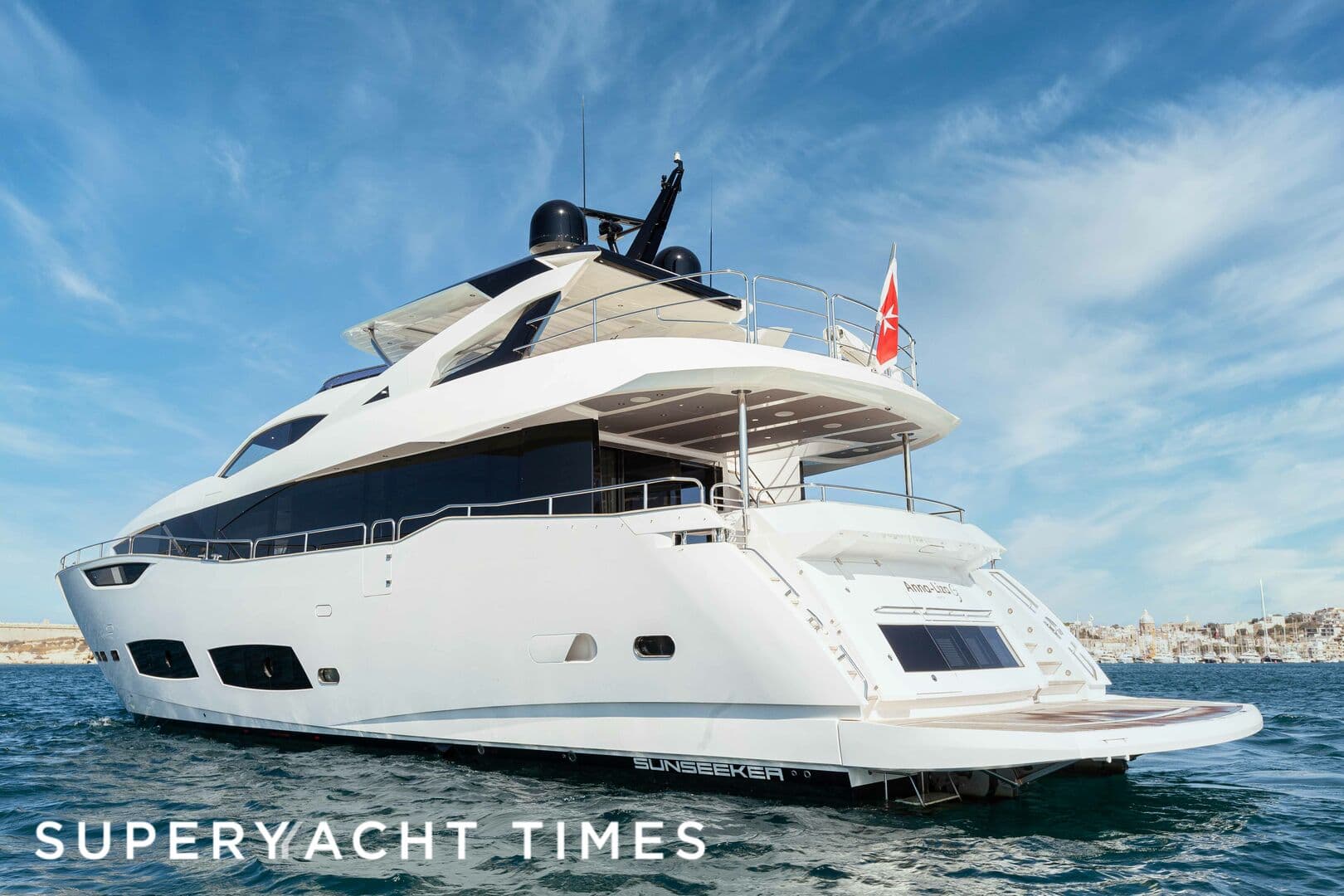
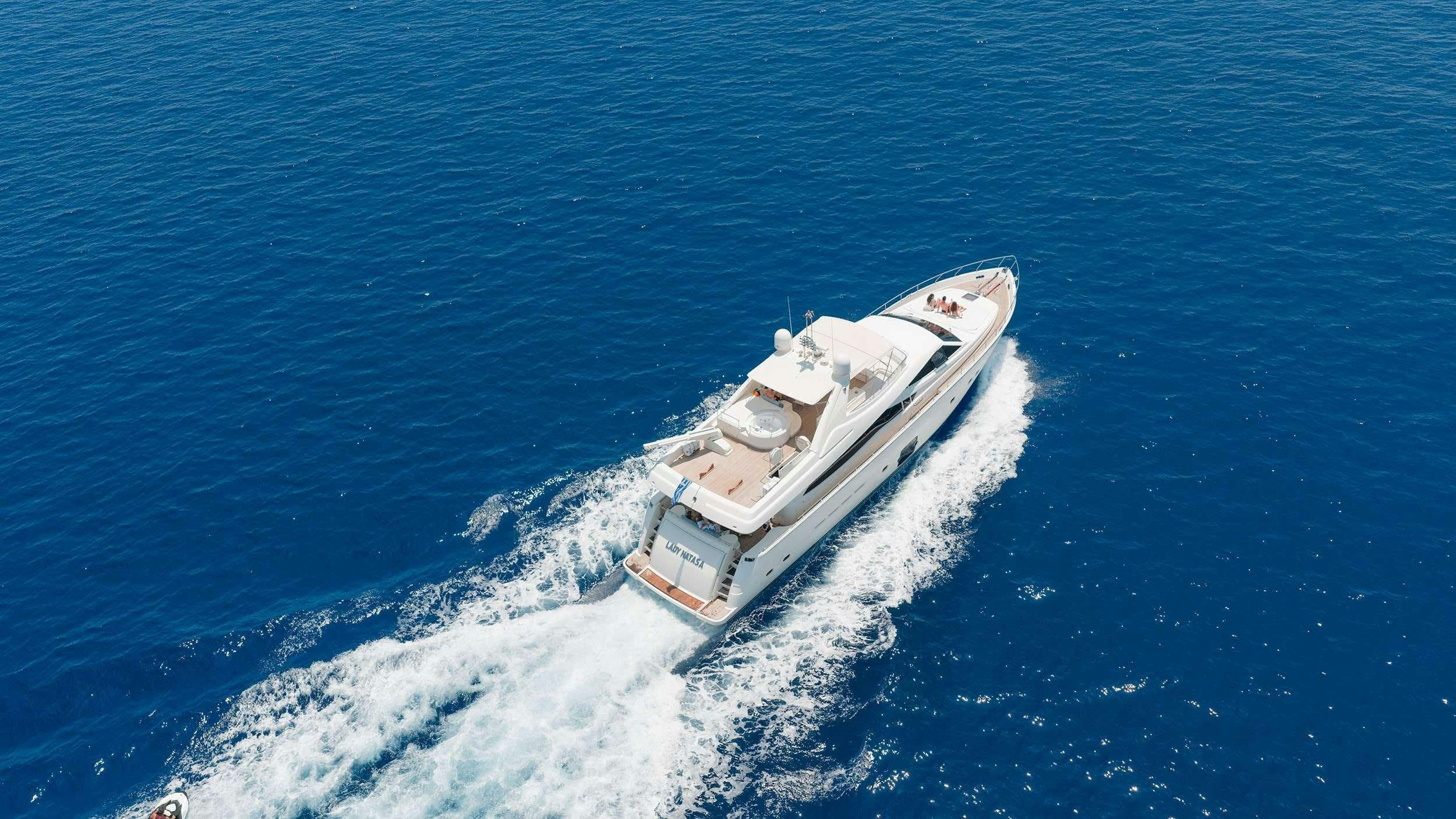
The Turkish Coast remains one of the Mediterranean's most structurally rewarding charter regions. The coastline folds into gulfs, peninsulas, and quiet anchorages with a generosity that makes route planning feel easy rather than forced. Distances are workable, the water is warm, and the quality of lunches ashore remains one of the great pleasures of the area.
For guests used to Greece, Turkey often feels both familiar and more spacious. The cultural mix is different, the ports have a distinct atmosphere, and the cruising grounds tend to absorb traffic more comfortably. Bodrum, Göcek, Marmaris, and the nearby islands each support a slightly different style of week, from polished harbour programmes to quieter blue-cruise rhythms.
The best Turkish charters combine coastal mileage with a willingness to slow down. A yacht is still the right format because so much of the coastline's value lies in places you would never reach attractively by road.
Warm-water shoulder season
Outstanding coastline for yachts
Strong food ashore
Easy pairing with Rhodes and the Dodecanese