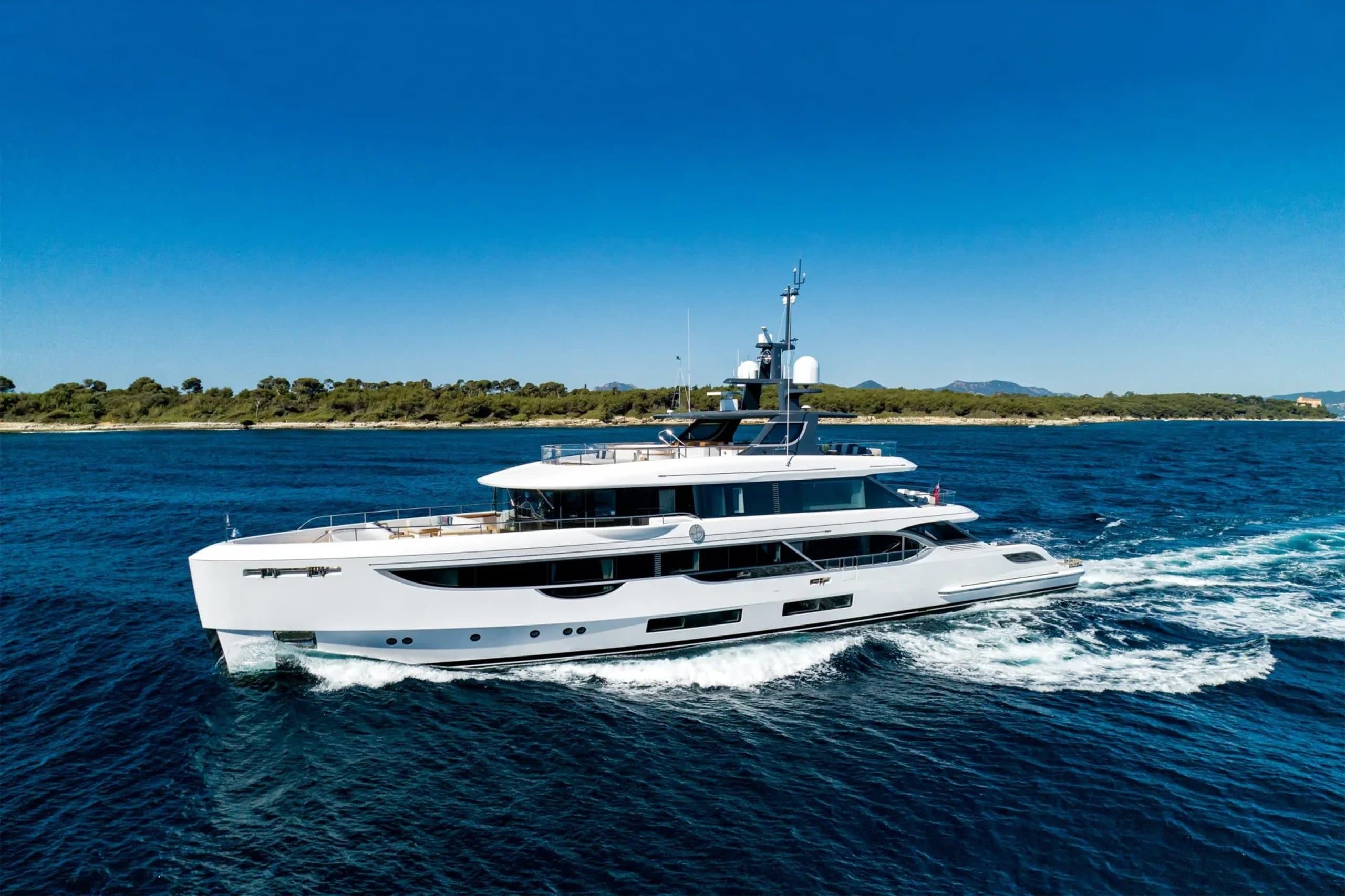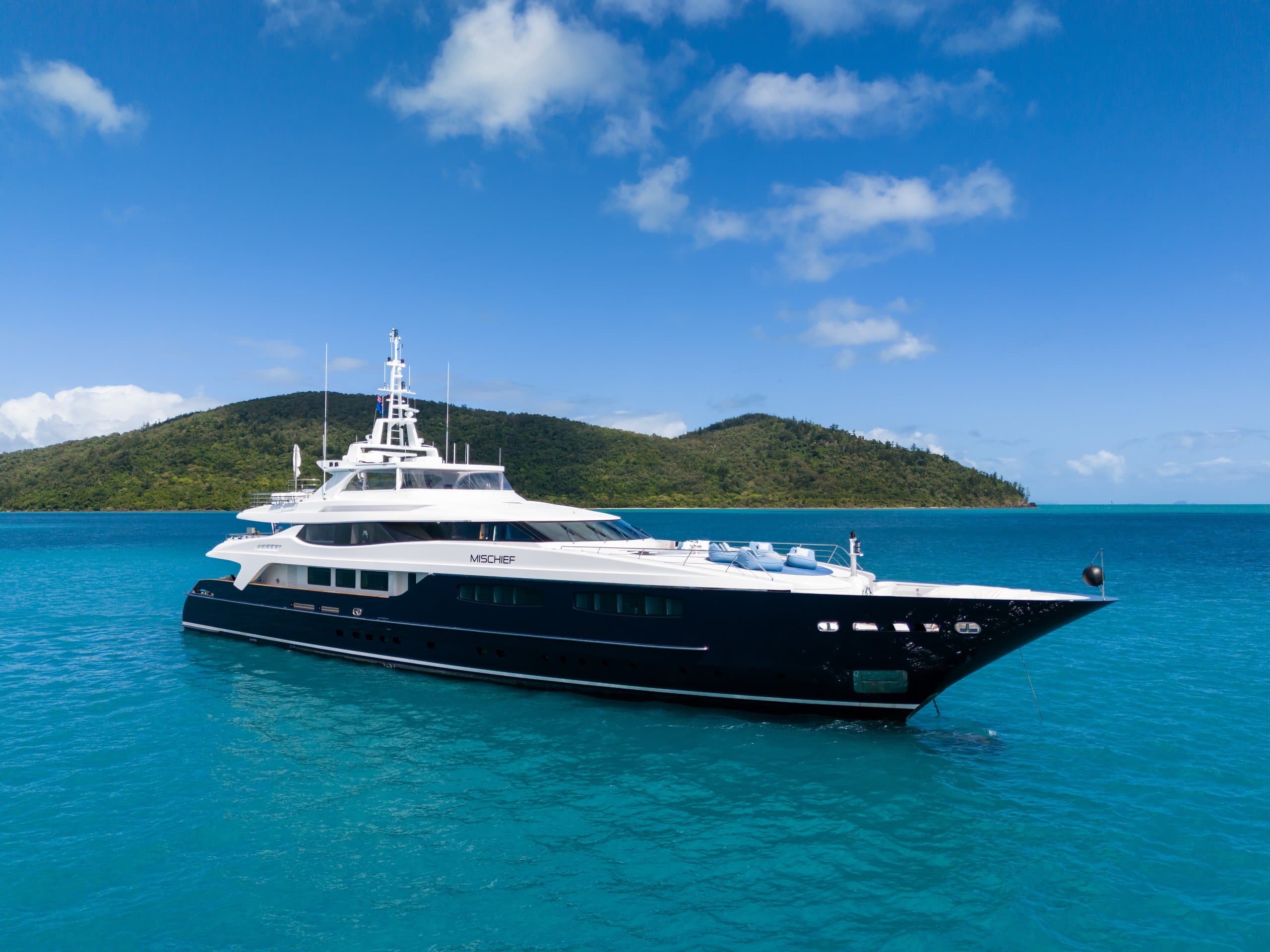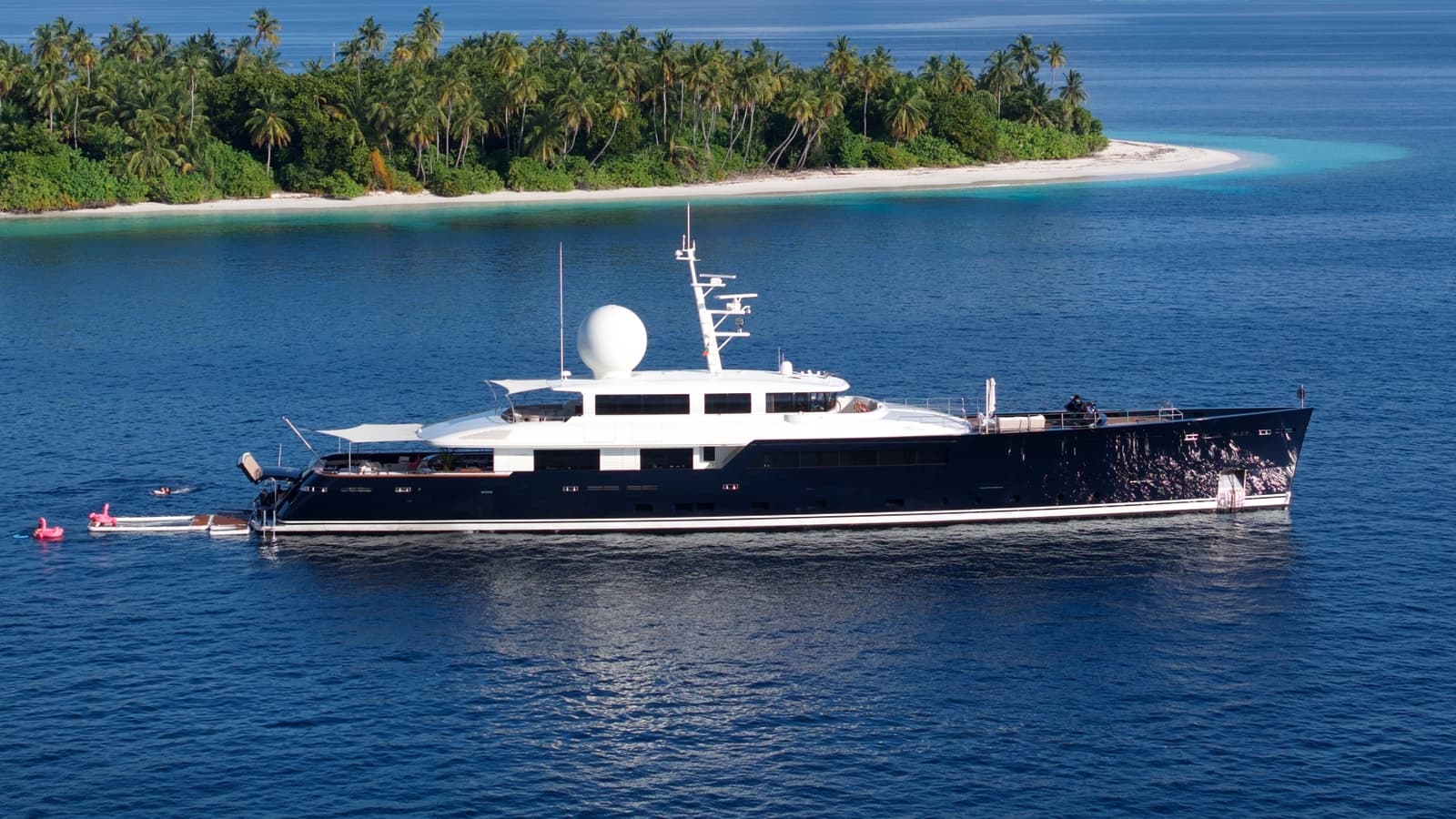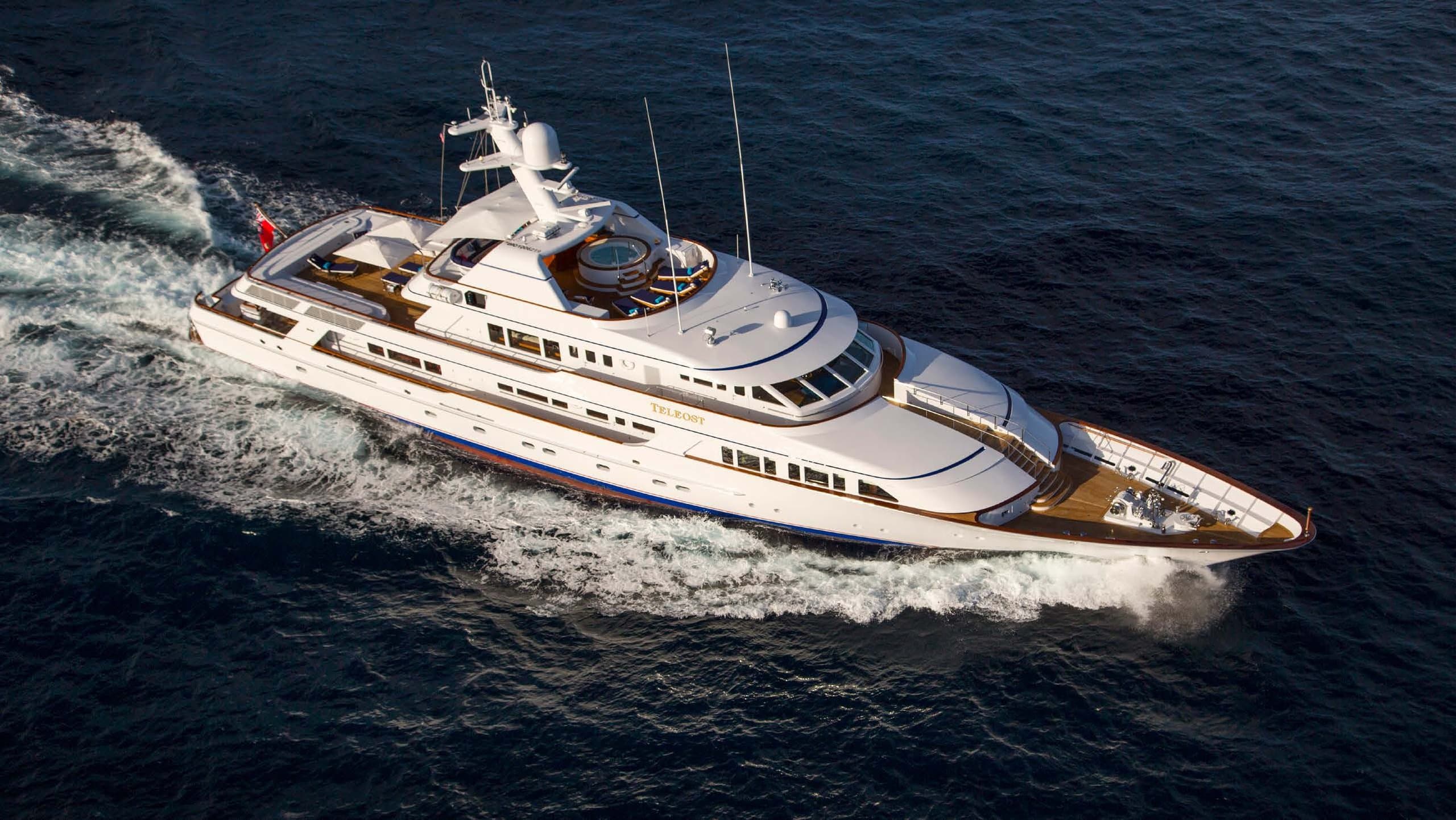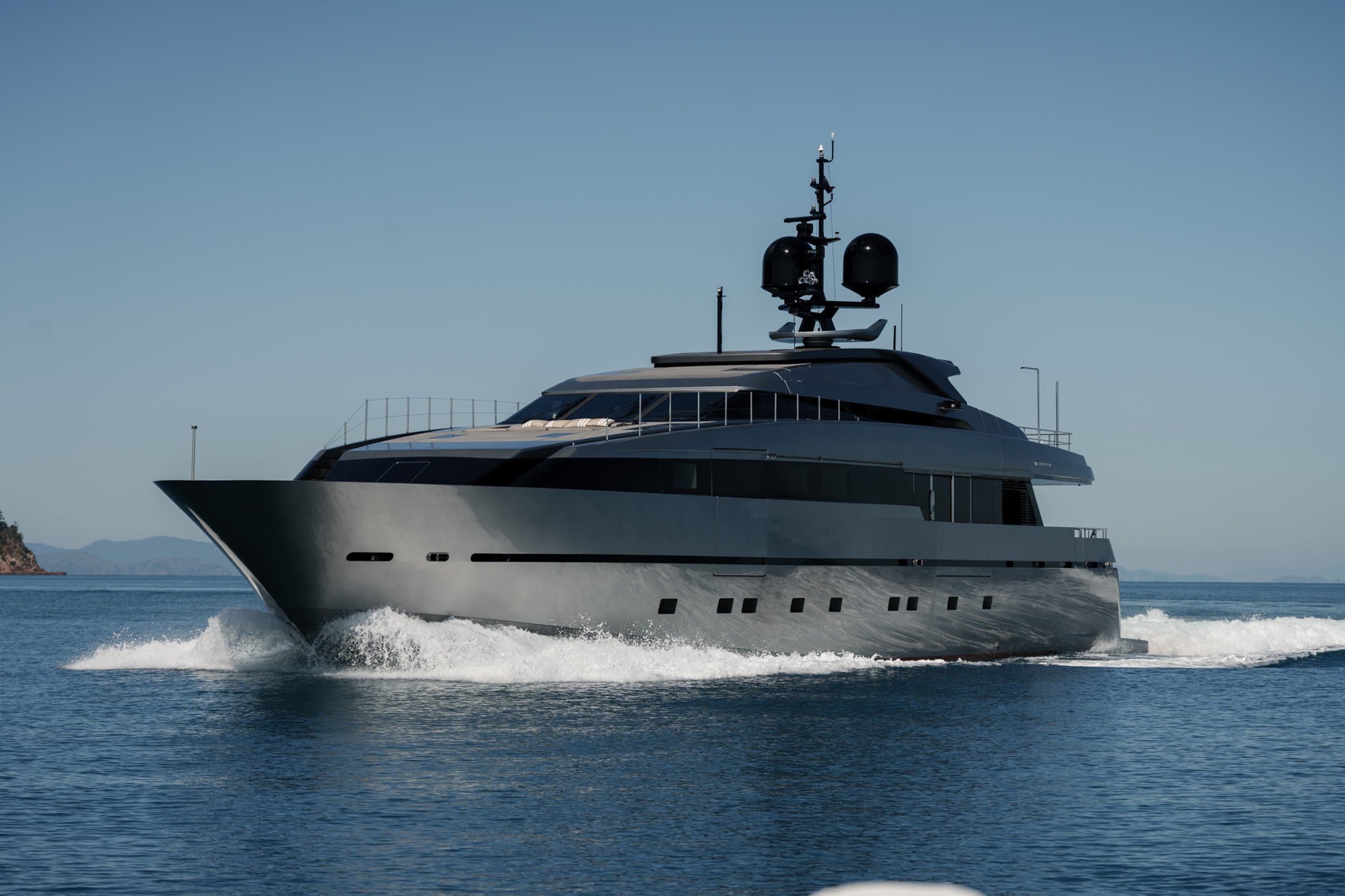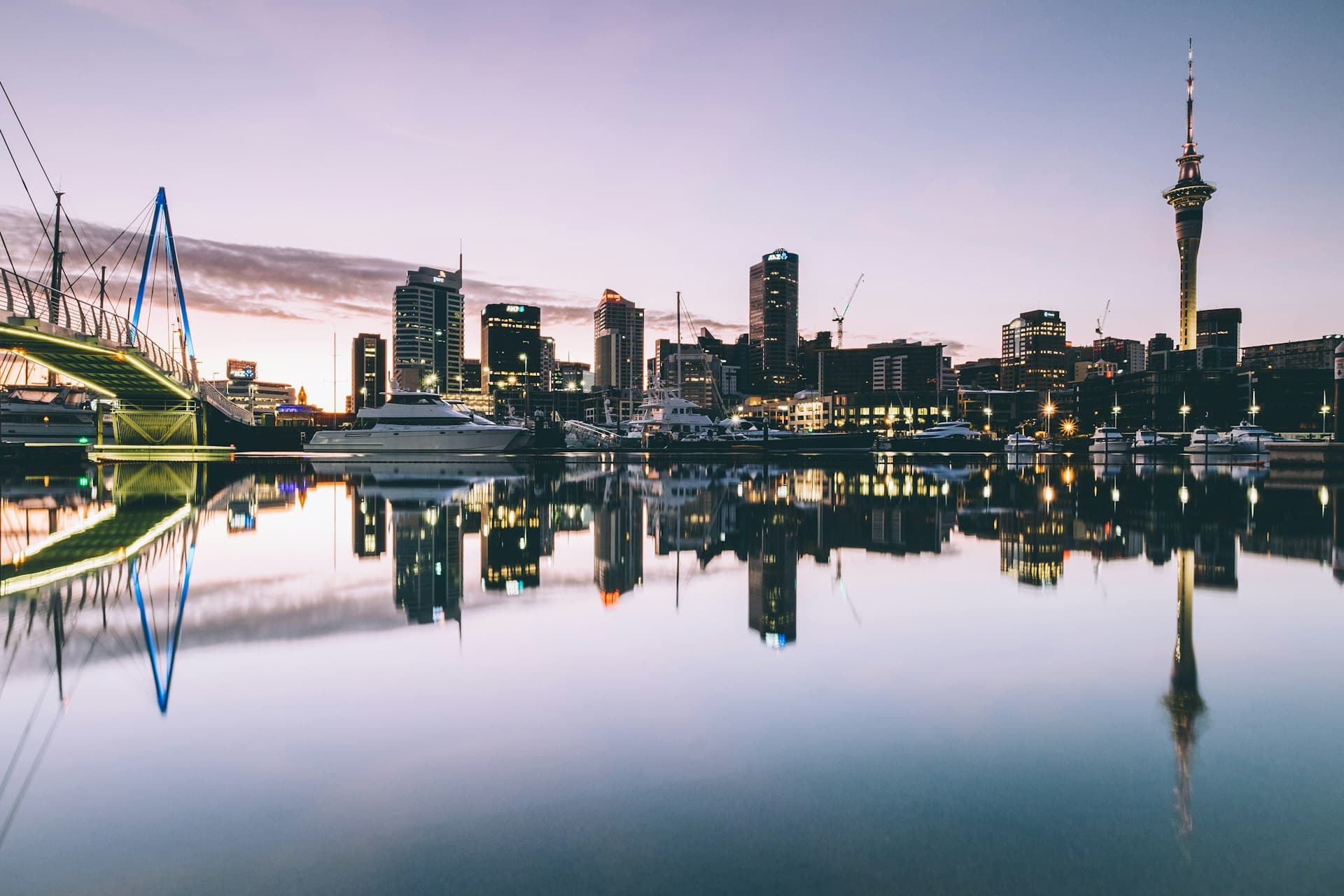
The Marlborough Sounds are what you arrive into after a Pacific crossing — a labyrinth of drowned valleys in the north of New Zealand’s South Island, where the water runs deep and green and the hills on either side are covered in native bush. The charter here is gentle and restorative: a vineyard at the waterline, a mussel farm producing what may be the world’s best mussels, a secluded bay where the anchor goes down at five o’clock and doesn’t come up until nine the next morning.
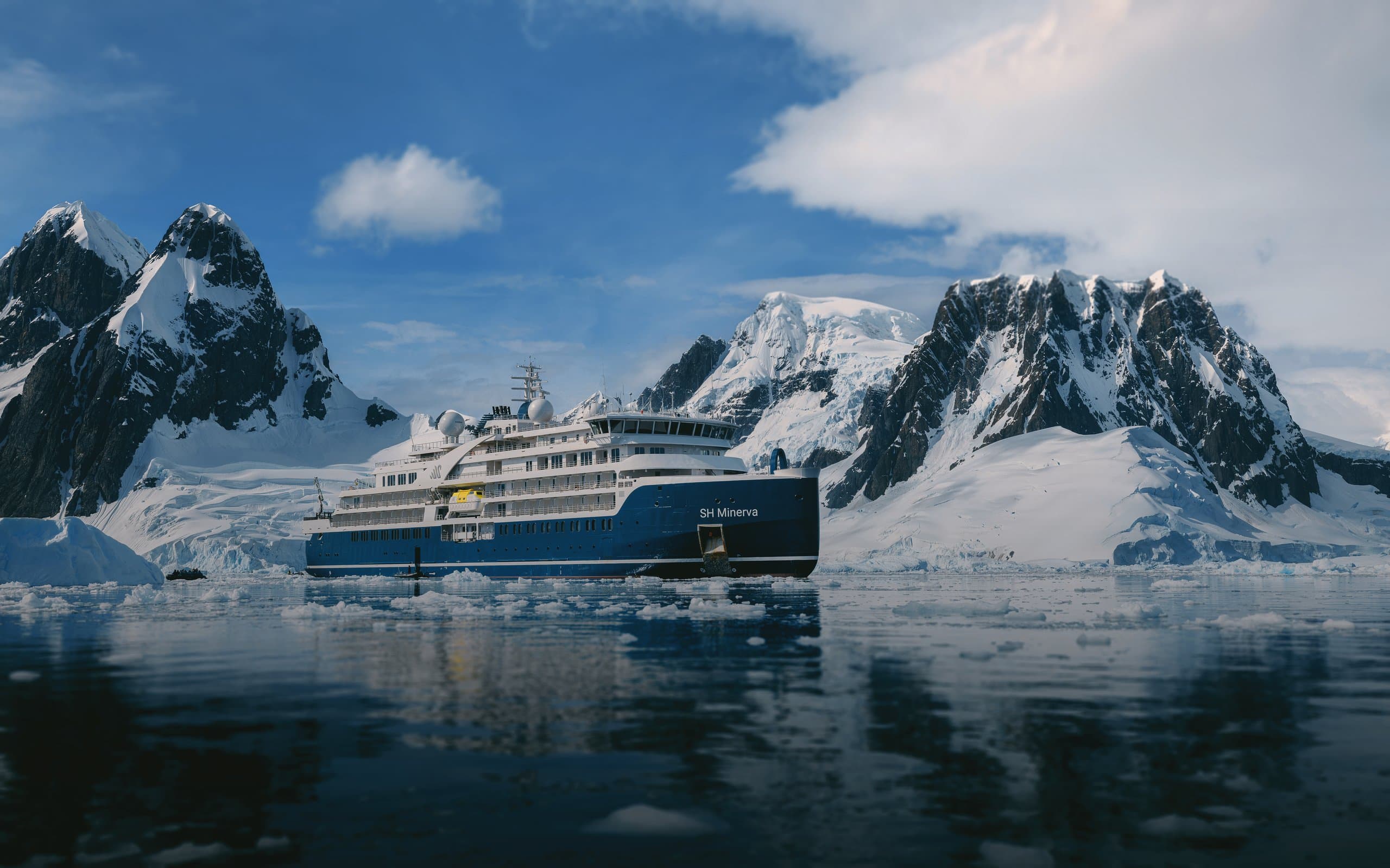
Fiordland is a different proposition entirely. Milford Sound is the most famous — too famous, by some measures, with helicopters and cruise ships competing for the same fjord entrance — but Doubtful Sound and Dusky Sound, further south, receive a fraction of the visitors and are larger, wilder and more demanding to navigate. Doubtful Sound is three times the length of Milford; Dusky Sound, the most remote, was where Captain Cook spent five weeks refitting the Resolution in 1773 and wrote in his journal that ‘the serenity of the climate and the fertility of the country exceeded what we had conceived’.
The wildlife is constant company: bottlenose and dusky dolphins that ride the bow wave, fur seals sleeping on the rocks, Fiordland penguins on the lower ledges. Above the waterline, the fjord walls carry rainforest from the water’s edge to the snowfields at 1,500 metres.
- Doubtful Sound — remote, navigable by superyacht, almost no other vessel traffic
- Marlborough Sounds wine estates accessible directly by tender
- Fiordland wildlife — dolphins, fur seals, penguins, albatross
- Bay of Islands, Northland — subtropical cruising in New Zealand's warmest waters
New Zealand's summer (November–April) offers the warmest water and longest days. Fiordland can be visited year-round, but the shoulder months of November and March combine reasonable weather with fewer vessels. The Marlborough Sounds are at their best December–February. Fiordland receives significant rainfall year-round — this is part of what maintains the waterfalls that cascade down the fjord walls.