Chartering a superyacht for the first time can feel like stepping into an unfamiliar world. Here is a straightforward guide to how it works — from pricing and crew to packing and tipping.
Chartering a superyacht for the first time can feel like stepping into an unfamiliar world — one with its own customs, vocabulary, and expectations. The reality is more straightforward than it appears. Here is a practical guide to how it works, written for those who are considering their first charter and want clarity rather than marketing language.
How Pricing Works
Charter rates are quoted weekly, in euros or dollars, and cover the hire of the yacht and its crew. A typical range for a crewed motor yacht in Greece:
- 20 to 30 metres: €25,000 to €60,000 per week
- 30 to 45 metres: €60,000 to €150,000 per week
- 45 to 60 metres: €150,000 to €400,000 per week
- 60 metres and above: €400,000 and up
On top of the base rate, you will pay an APA (Advance Provisioning Allowance) — typically 25 to 35 per cent of the charter fee. This covers fuel, food, drinks, marina fees, and any additional expenses during the charter. The APA is settled at the end: if the actual costs are less than the advance, you receive a refund; if more, you pay the difference.
VAT applies in Greek waters: 24 per cent for charters of 24 hours or less, 13 per cent for multi-day charters that stay within Greek territorial waters, 6.5 per cent when the itinerary exits them at any point, and 5.2 per cent for yachts certified for unlimited navigation. Your broker confirms the exact rate before you sign.
The full cost breakdown — base rate, APA reconciliation, VAT bands, and a working estimator — is in our guide: Yacht Charter Costs.

The Crew
A crewed charter means exactly that. The captain, chef, stewardess, and deckhands are professionals who live aboard and whose job is to make your trip exceptional. The captain handles navigation, safety, and local knowledge. The chef will ask about dietary preferences before departure and provision accordingly. The stewardess manages housekeeping, service, and the flow of the day.
You do not need to know anything about boats. You do not need to help with anything. The crew is there to handle every aspect of the yacht's operation while you enjoy the experience.
What to Pack
Less than you think. Life aboard is casual. Bring:
- Swimwear and cover-ups
- Light layers for evenings (a breeze on the water makes evenings cooler than on shore)
- Soft-soled shoes or deck shoes (hard soles damage teak decks)
- Sun protection: hat, sunglasses, reef-safe sunscreen
- One smart-casual outfit if you plan to dine ashore at a nicer restaurant
Leave the formal wear at home. Even on the largest yachts, the dress code is relaxed.
The complete list, item by item: Charter Packing List.
Tipping
Tipping the crew is customary but not obligatory. The industry standard is 10 to 15 per cent of the base charter fee, given to the captain at the end of the charter for distribution to the crew. A tip of 10 per cent signals a good charter; 15 per cent signals an exceptional one.
The Itinerary
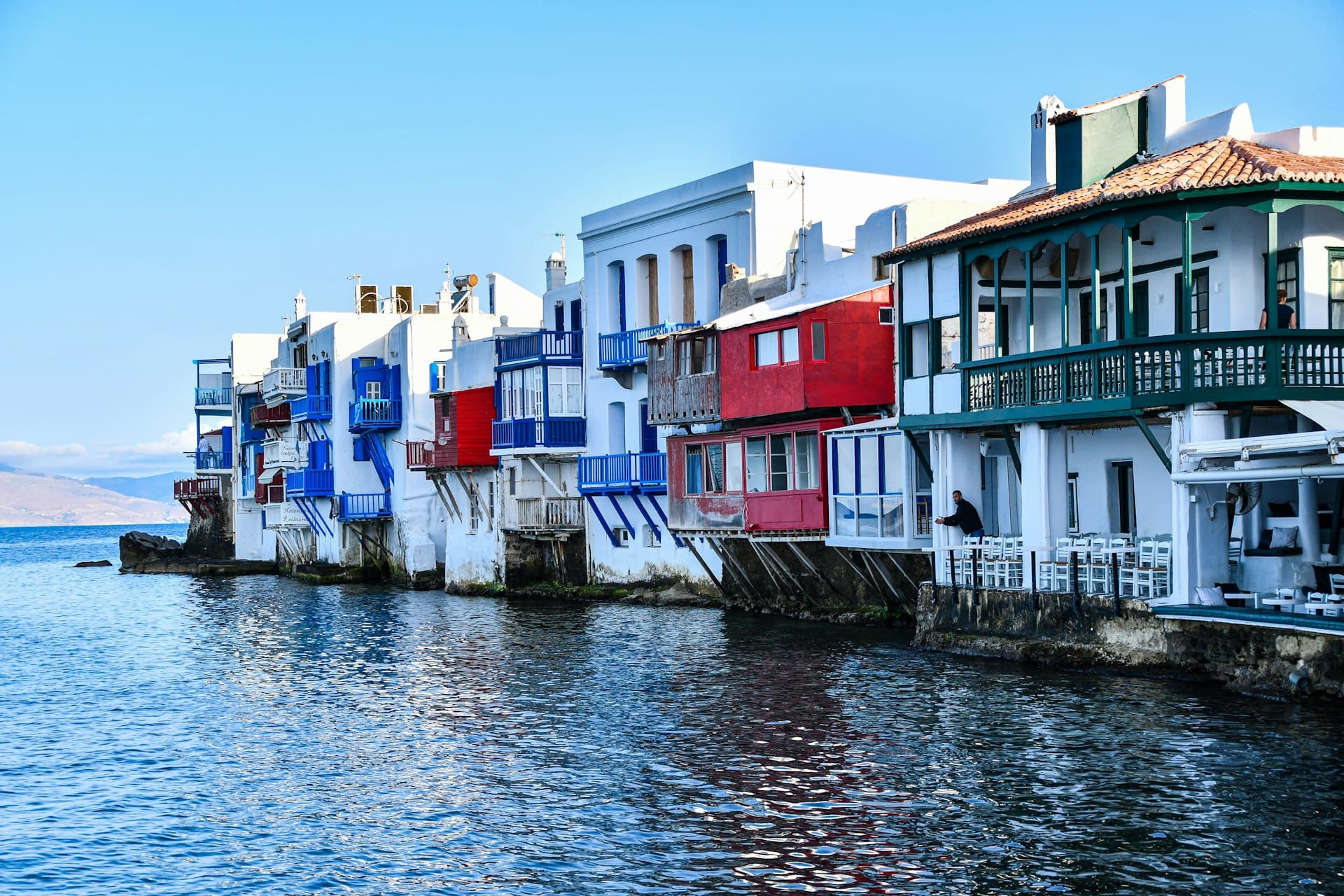
Your broker will work with the captain to plan a suggested itinerary based on your preferences: destinations, pace, activities, dining style. The itinerary is not fixed — it adapts to weather, mood, and discovery. If you find an anchorage you love, you stay. If the wind shifts, the captain adjusts. Flexibility is built into the format.
For where to go and when across the season, see Destinations & Seasons.
How to Book
Contact a charter broker — not the yacht directly. A broker works for you, not for the yacht owner. They know which yachts suit your group, which crews are strongest, and which itineraries work best for the season. There is no additional cost for using a broker; their commission is paid by the yacht.
ADY acts as both broker and central agent. We represent a managed fleet directly and have access to every charter yacht on the market through the MYBA network. One conversation is usually enough to narrow the field. The process from enquiry to embarkation, step by step: How Charter Works.
Hero photograph by Francisco Gomes on Unsplash.