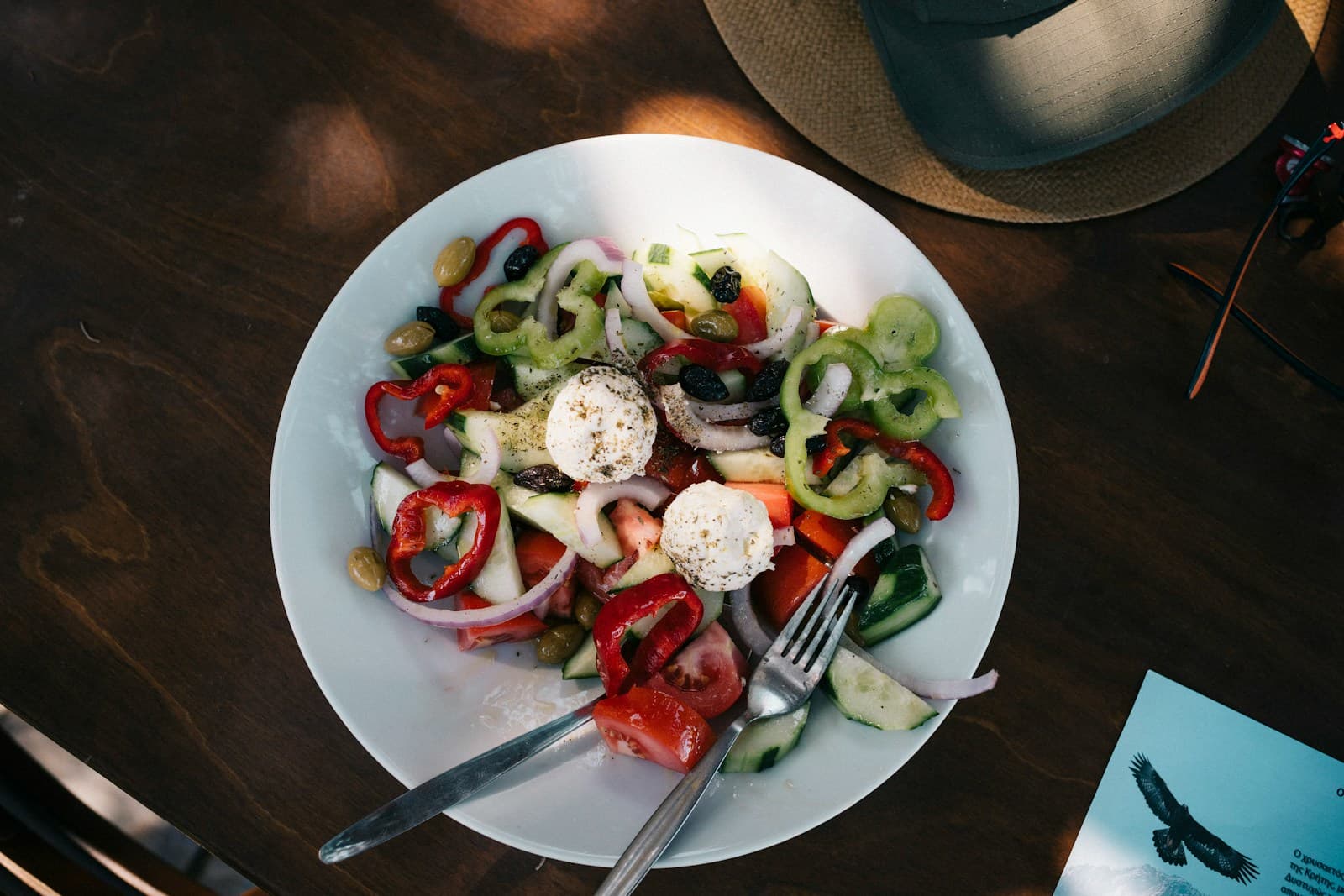
A week at sea through the Cyclades and beyond, where every anchorage carries its own food tradition and every meal is sourced from the island you woke up beside. The yacht is the platform. The food is the journey.
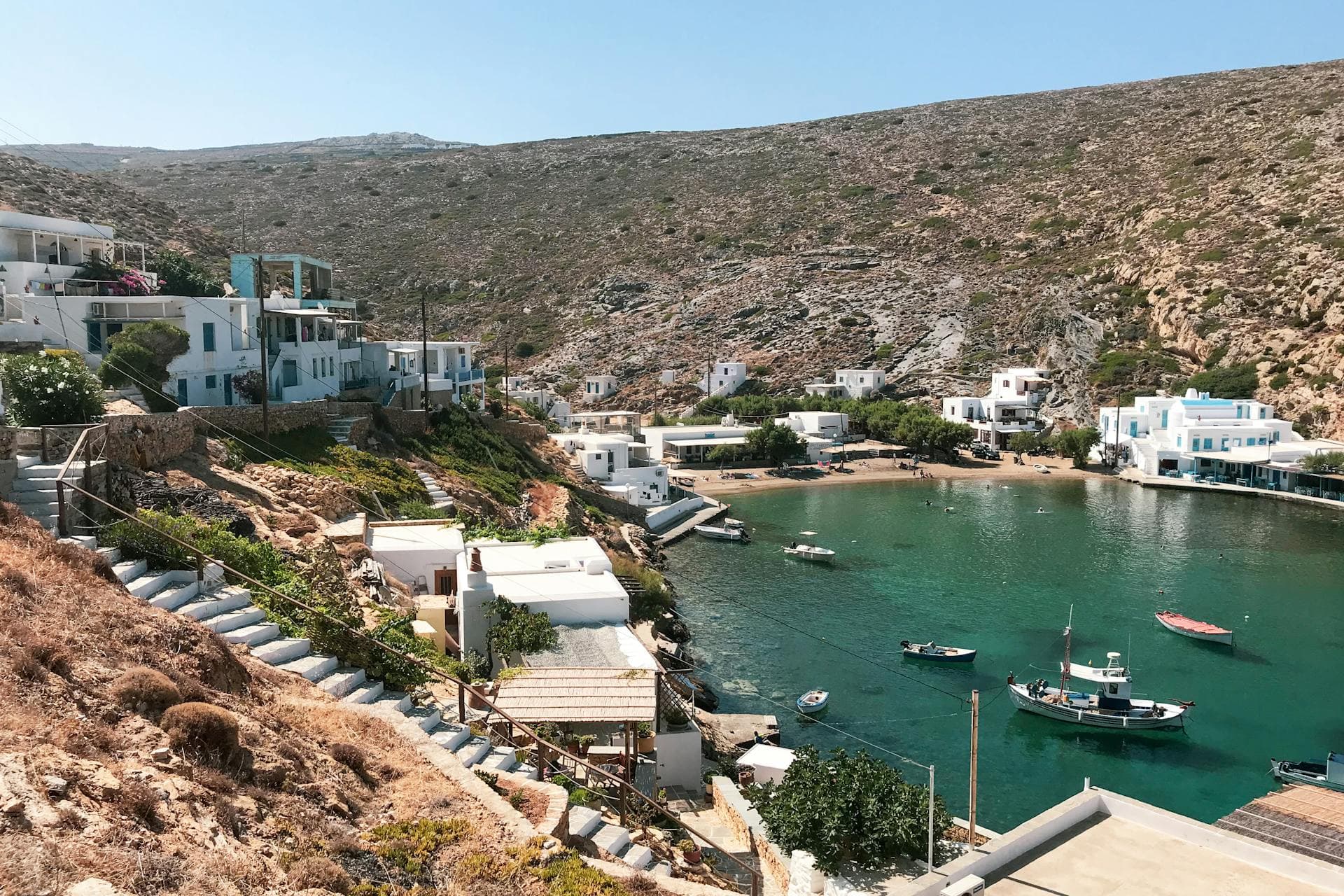
Sifnos: The Island That Invented Slow Cooking

Santorini: Volcanic Soil and Ancient Varieties
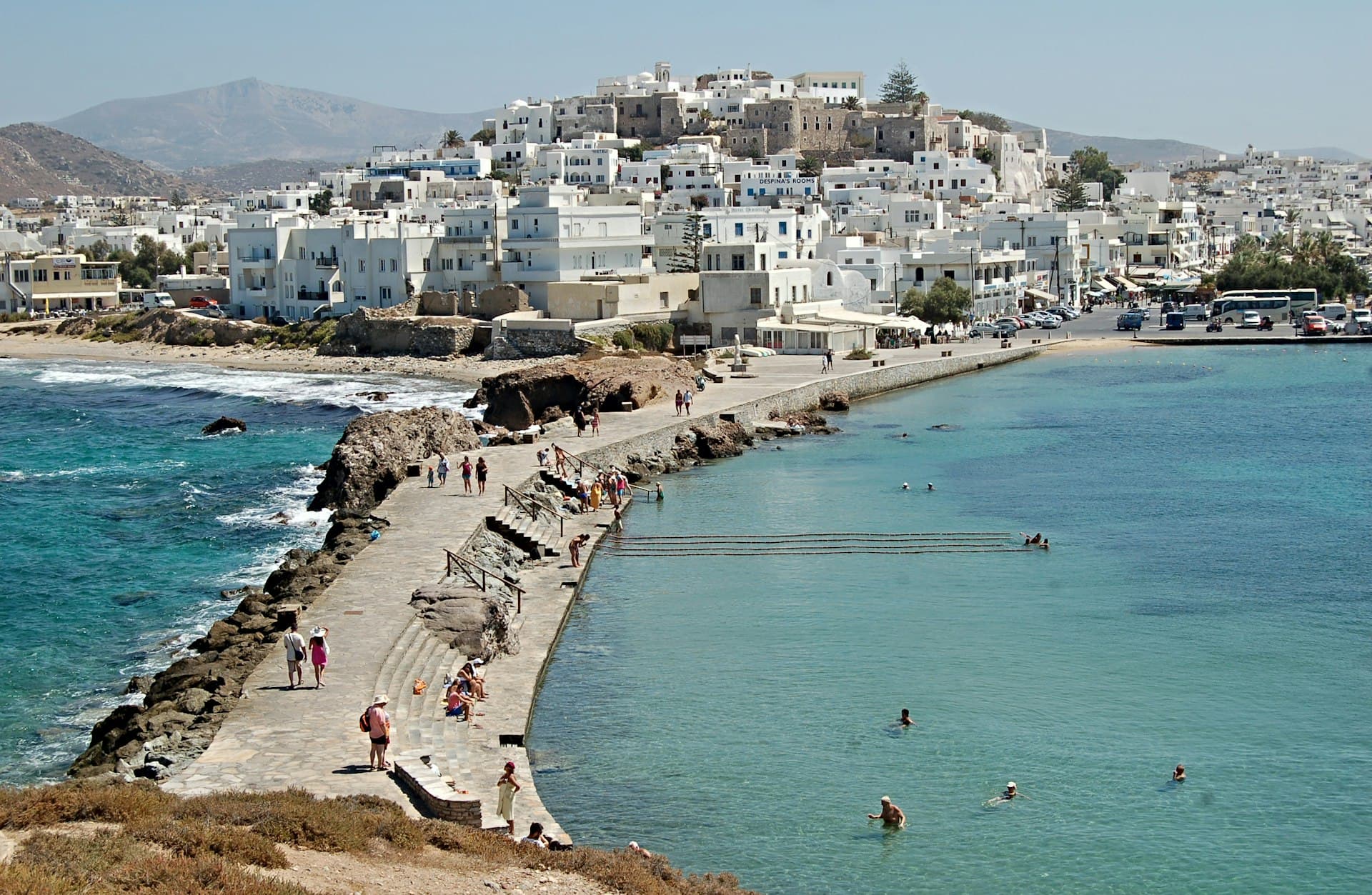
Naxos: The Largest Larder in the Cyclades
Lesvos: Where the Ouzo Comes From
Crete: The Depth of a Living Food Culture
The Yacht as Kitchen Infrastructure
Frequently asked questions
What is a gastronomy yacht charter in the Greek islands?+
It is a week at sea moving between distinct culinary territories, each island producing something specific to its soil, its water, and its people. The yacht allows movement between them without ferry schedules or hotel check-ins. The chef sources at each port of call, so what reaches the table each evening is the actual food of that island, prepared on board to order.
What food is Sifnos known for?+
Sifnos is known for slow cooking in ceramic pots, a craft its pottery workshops have supported since 3000 BC. Revithada is chickpeas, onion, bay leaf, and olive oil cooked overnight in a wood oven and served in the sealed pot, a Sunday tradition. Mastelo is lamb, red wine, and dill slow-cooked for six hours in the ceramic pot that gives it its name.
What makes Santorini fava different from other fava in Greece?+
Santorini fava holds EU Protected Designation of Origin status. The plant is lathyrus clymenum, not the fava bean, and has grown on the island for over 3,500 years. It is grown without irrigation in volcanic soil, dried in the sun, ground on stone mills, and stored in kanaves, the arched storerooms cut into the caldera rock. It is served as a smooth warm purée with olive oil and raw onion.
What is Graviera Naxou cheese?+
Graviera Naxou is a hard cow's milk cheese from Naxos with a thin dry skin, an elastic interior, scattered small holes, and a sweet aftertaste. It is produced by the Union of Agricultural Cooperatives of Naxos (EAS Naxos), founded in 1926, exclusively from the milk of animals raised on the island and following traditional methods the cooperative has maintained for a century.
Why is Lesvos known for ouzo?+
More than half of Greece's ouzo production originates on Lesvos. The distilleries in Mytilini and Plomari have PDO status and have exported since the 19th century, when Mytilini was a major transit hub for trade east to Istanbul. Ouzo is distilled from grape marc and flavoured with anise, mastic, and other botanicals, and is served with sardines from the Gulf of Kalloni as the primary meze.
What is stamnagathi and where do you eat it in Crete?+
Stamnagathi is a spiky-leaved, slightly bitter wild green specific to Crete, one of approximately 300 identified wild edible greens on the island. It appears in local markets and on restaurant menus as horta, boiled and served with olive oil and lemon. The eastern region around Sitia also produces olive oil of particular quality and Liatiko, a red grape with low tannin and high perfume.