Charter in Crete: What to Expect
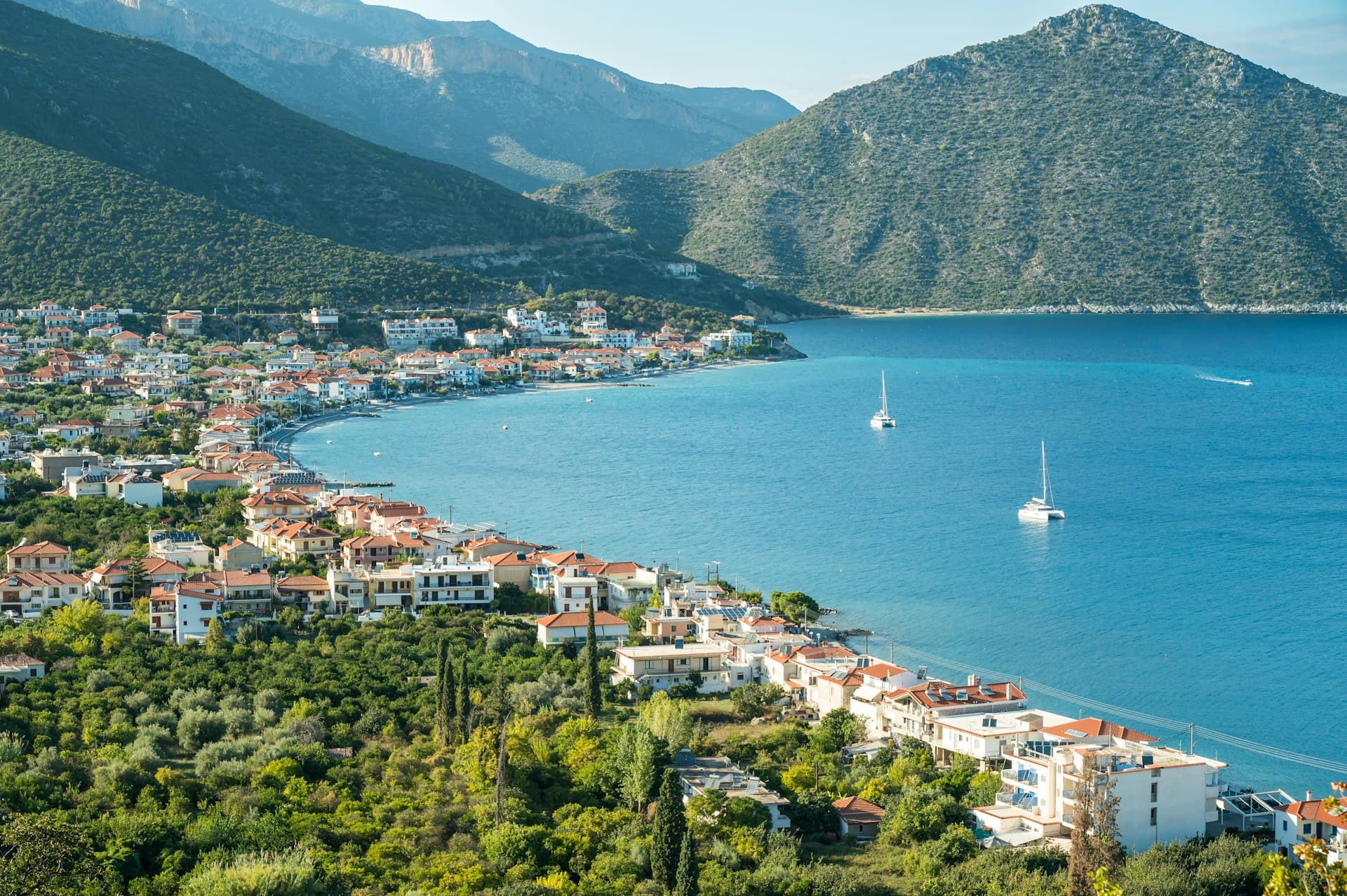
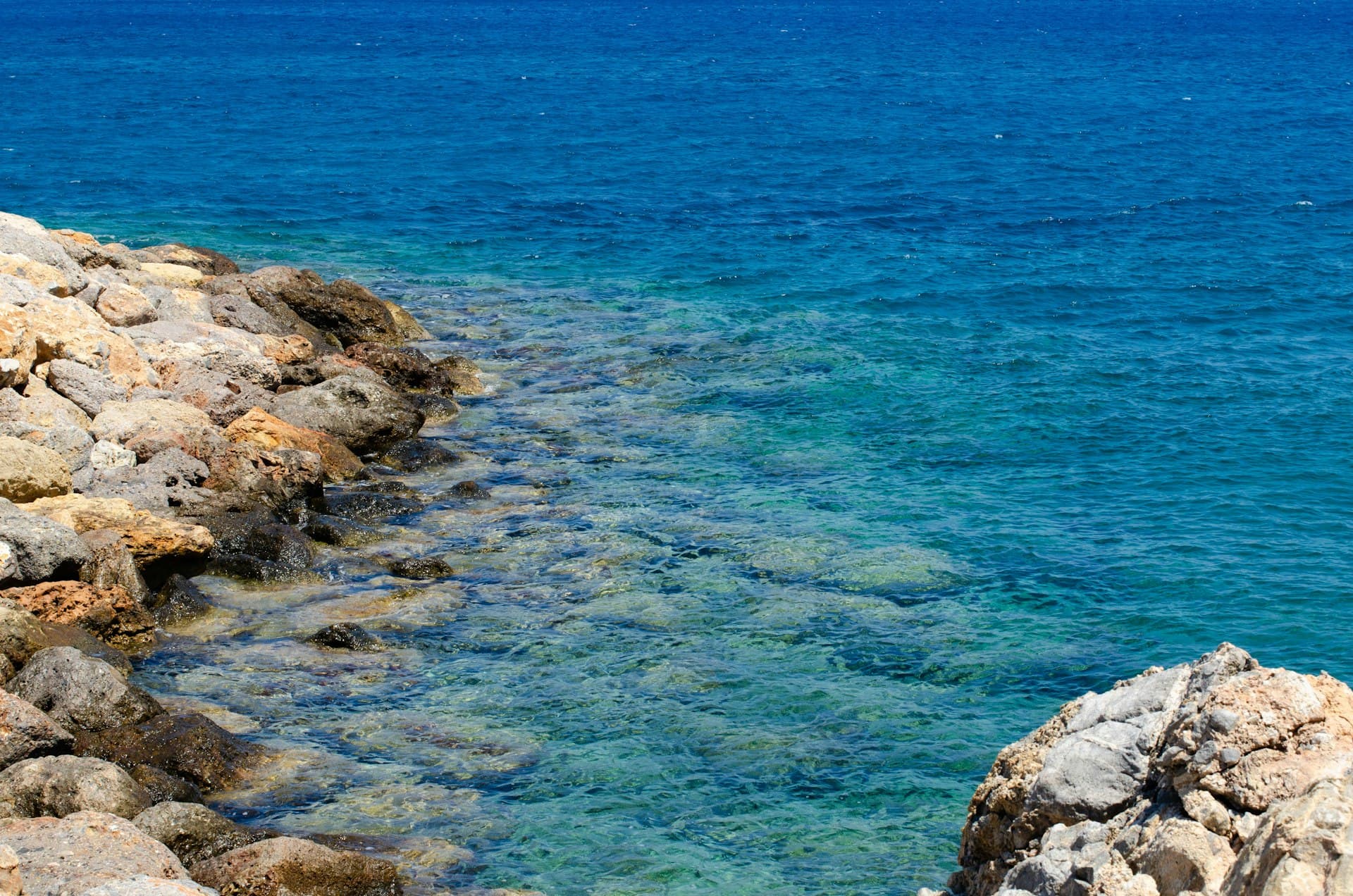
Crete is Greece's largest island and its most geographically varied — snow-capped mountains, deep gorges, and fertile plains behind a coastline of more than a thousand kilometres. The Minoan civilisation was here four thousand years ago, and the layers since — Venetian fortresses, Ottoman mosques, Byzantine monasteries — show up in every harbour town. A yacht charter reaches what the smaller island groups can't: the full length and range of the island, much of it open only from the water. The north coast provides sheltered cruising with marinas and well-provisioned towns; the south coast is wilder, more remote, and rewards those willing to venture beyond the standard itinerary.
Anchorages & Highlights
Chania, in the west, is one of the most beautiful harbour towns in the Mediterranean. Its Venetian-era waterfront, lighthouse, and covered market make it a natural starting or finishing point for any Crete yacht charter. Anchor in Souda Bay for the best holding, with tender access to the old town. Heading east, Rethymno offers a well-preserved old town with a Venetian fortress overlooking the harbour — good overnight protection in settled conditions. Heraklion provides access to Knossos, the great Minoan palace and Europe's oldest city, while the revitalised waterfront and archaeological museum make it worth a full day ashore.
Along the south coast, Loutro — accessible only by sea — is a cluster of whitewashed buildings in a protected cove below the White Mountains. The Samaria Gorge drops to the Libyan Sea at Agia Roumeli, where charter guests can pick up hikers who have walked the 16-kilometre descent. Further east, Elounda and the former leper colony of Spinalonga sit in a sheltered bay that offers some of the calmest anchorage on the island. The offshore islet of Dia, north of Heraklion, provides a wild lunch stop with excellent snorkelling and no development.
Sailing Connections
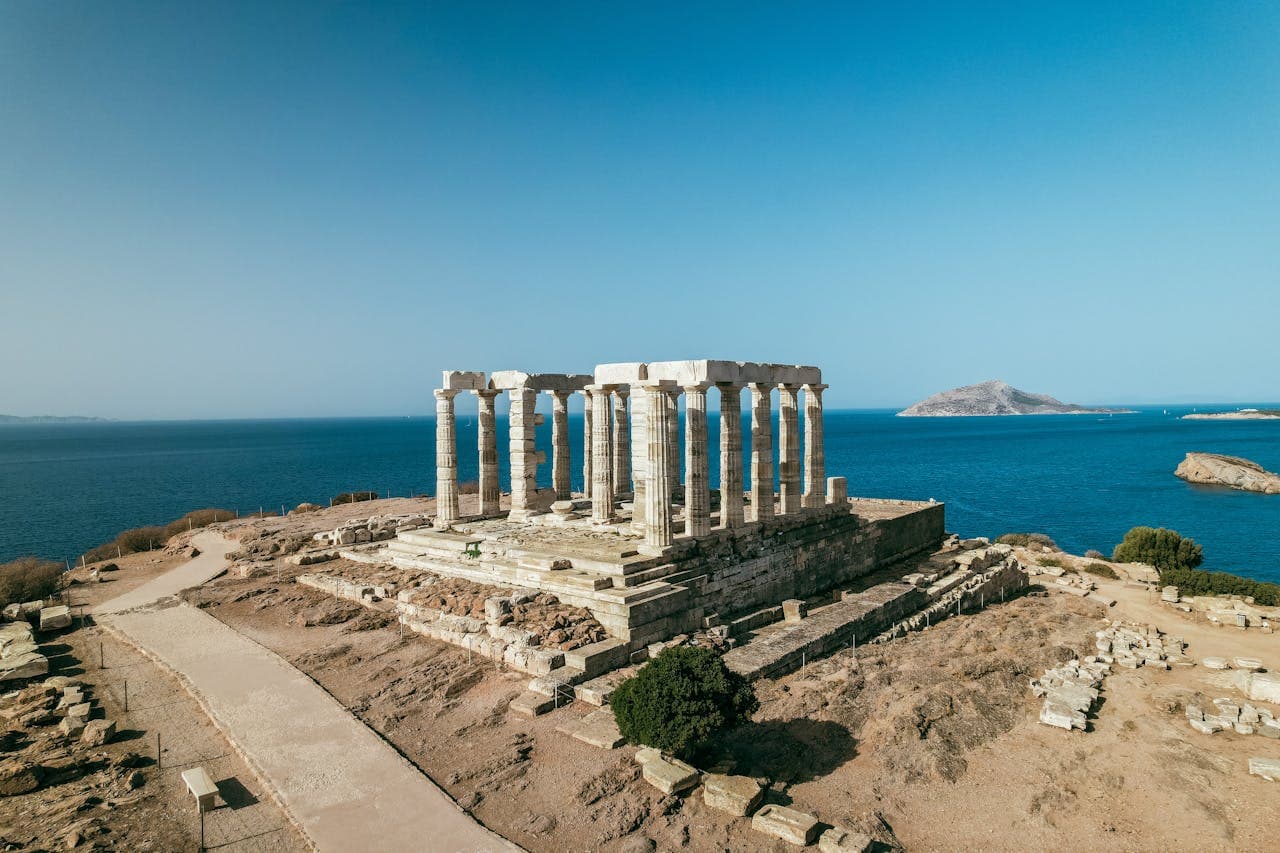
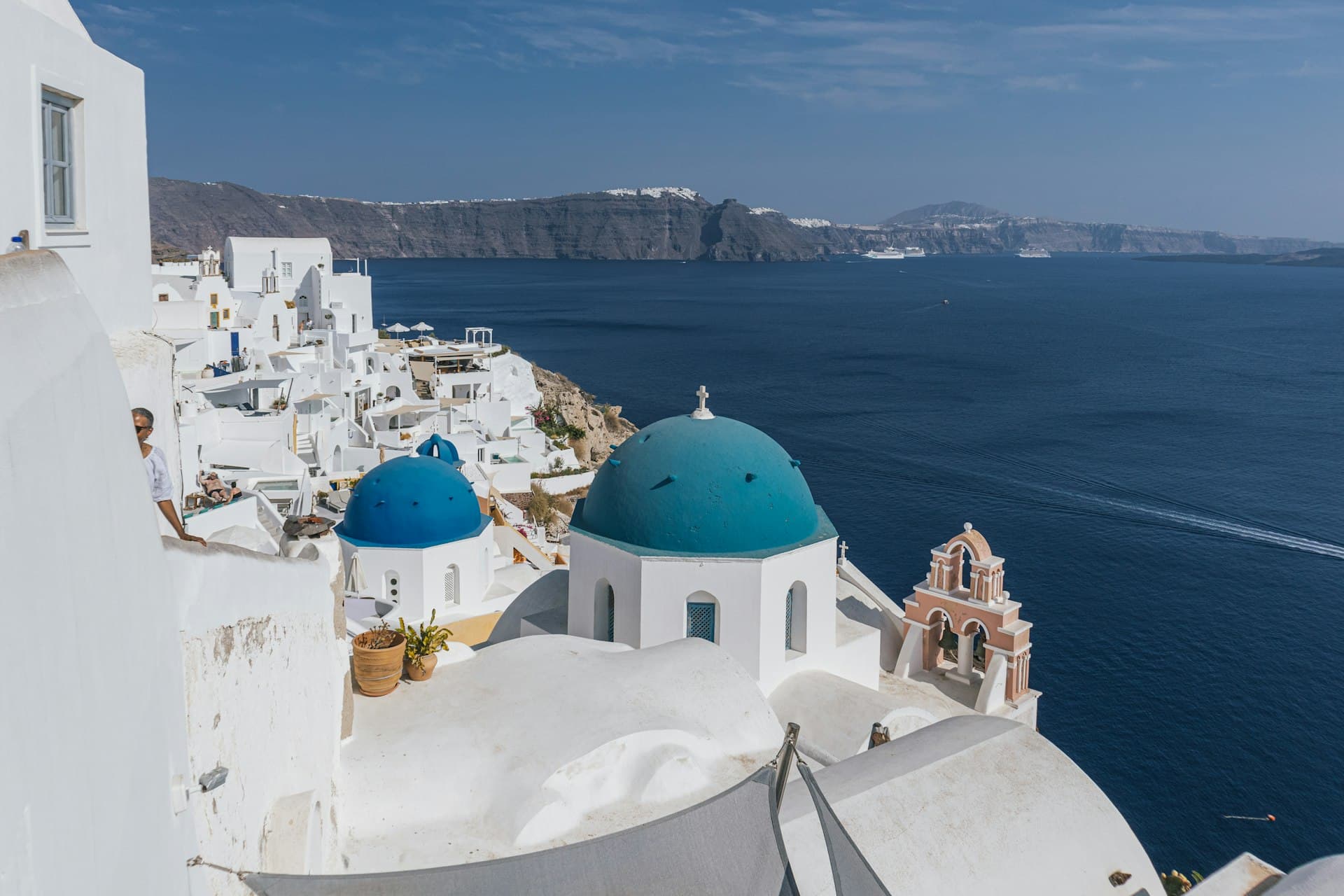
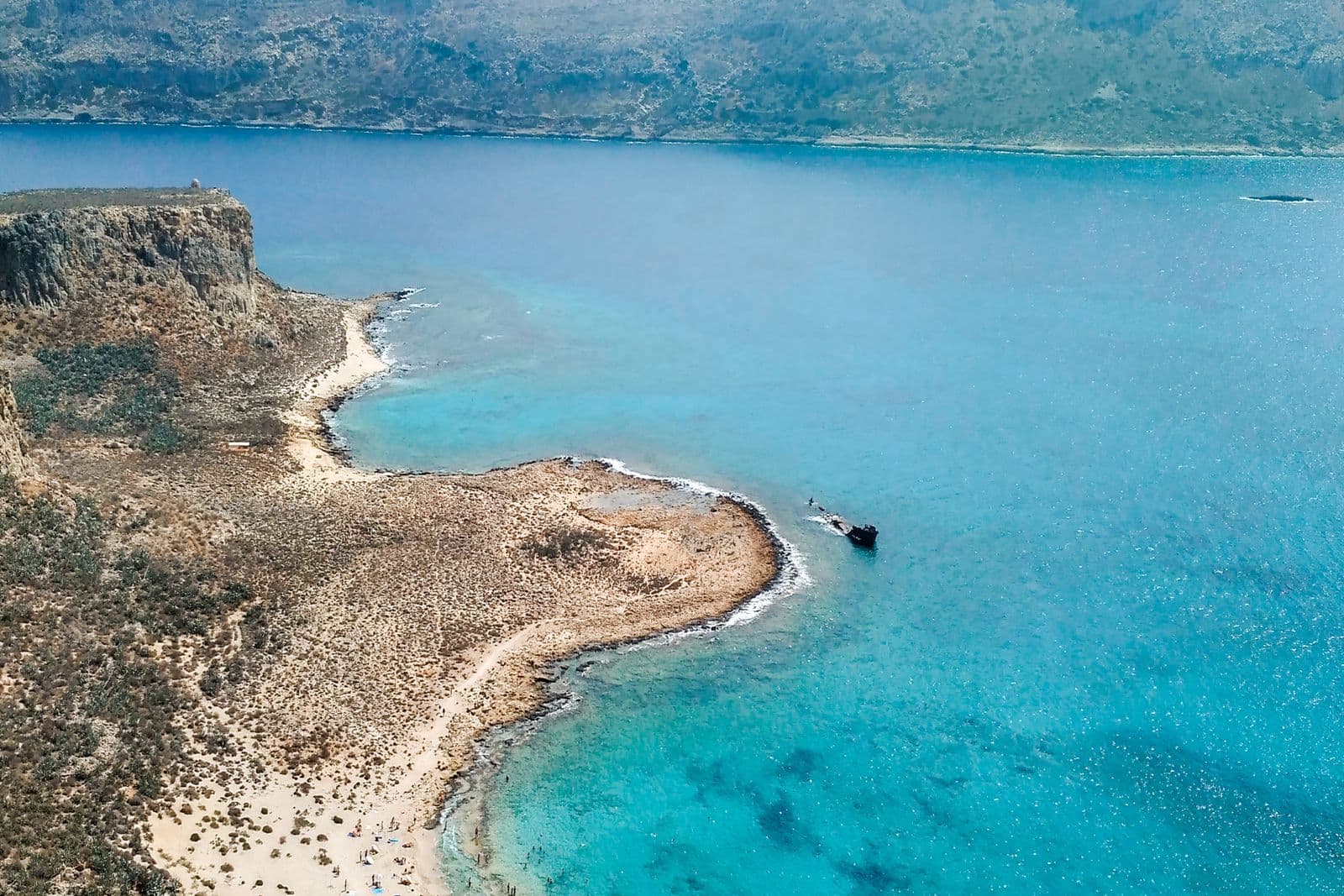
From Crete, yachts can island-hop north to the Cyclades — Santorini is roughly 60 nautical miles from Heraklion, making a combined Crete–Cyclades charter entirely practical for a 10-day or longer voyage. To the east, the Dodecanese (Rhodes, Karpathos) are within comfortable reach for motor yachts. South, the remote island of Gavdos — the southernmost point in Europe — offers a genuine expedition-feel day trip. These connections make Crete an exceptional charter base for clients who want to combine multiple Greek destinations in a single voyage.
Best Time to Charter in Crete
The sailing season is long, with reliable conditions from late April through October and sea temperatures that remain swimmable into November. May, June, and September–October are ideal: warm days, moderate meltemi, and fewer crowds at the key anchorages. July and August bring stronger northerly winds on the north coast — excellent for experienced sailors, but charter guests who prefer calmer conditions should consider the south coast, which is sheltered from the prevailing meltemi. Crete's southerly latitude means warmer water and milder conditions than the Cyclades throughout the season.
Getting There
Crete has two international airports — Heraklion (HER) and Chania (CHQ) — with direct flights from most European capitals. This makes embarkation straightforward: fly in, transfer to the yacht, and be underway within hours. Most charters start from Heraklion or Souda Bay (near Chania), both of which offer full marina services and yacht provisioning. Aris Drivas Yachting has been designing Cretan charter itineraries for over fifty years, and our team will build a routing that balances the island's cultural richness with its exceptional coastline — whether you prefer the civilised harbours of the north or the wild anchorages of the Libyan Sea.
For a charter in Crete, contact our team for a tailored itinerary and yacht recommendation.
- Chania's Venetian harbour and lighthouse, with overnight holding in Souda Bay and tender access to the old town
- Heraklion for Knossos — the great Minoan palace — and the archaeological museum, an easy full day ashore
- Loutro, a whitewashed cove below the White Mountains reachable only by sea, on the sheltered south coast
- The Samaria Gorge dropping to the Libyan Sea at Agia Roumeli, where you can collect guests off the 16 km descent
- Elounda and the islet of Spinalonga in a sheltered bay — some of the calmest anchorage on the island
- Santorini roughly 60 nautical miles from Heraklion, making a combined Crete–Cyclades voyage practical over ten days
Crete's season is long: reliable conditions from late April through October, with water warm enough to swim into November. May, June, and September–October are the pick — warm days, moderate meltemi, and fewer boats at the main anchorages. July and August bring stronger northerlies on the north coast, which experienced crews enjoy; guests who want calmer water can move to the south coast, sheltered from the prevailing meltemi. Sitting further south than the Cyclades, Crete holds warmer water and milder conditions across the whole season, which is part of why it extends a Greek charter at either end of the summer.
Crete rewards guests who think in terms of a real voyage rather than a sequence of identical island stops. It is larger, more self-contained, and more varied than most Greek charter destinations. The island's north and south coasts behave differently, its food culture is genuinely regional, and its historical depth far exceeds what a passing hotel stay usually reveals.
By yacht, Crete can be handled in several ways. Some guests prefer a focused programme along one coast with deeper exploration ashore. Others use Crete as the southern anchor of a route linking Santorini, Anafi, or the Dodecanese. The advantage in both cases is autonomy. The yacht lets you include places such as Elounda, Chania, Dia, or south-coast anchorages without turning the week into a patchwork of transfers.
Crete is not the obvious first choice for every charterer, which is part of its appeal. For guests who want a Greek island with more scale, more food, and a more grounded local identity, it can be outstanding.
Larger-scale island cruising
Outstanding regional food culture
Useful southern extension from the Cyclades
Historic sites integrated with serious sea time