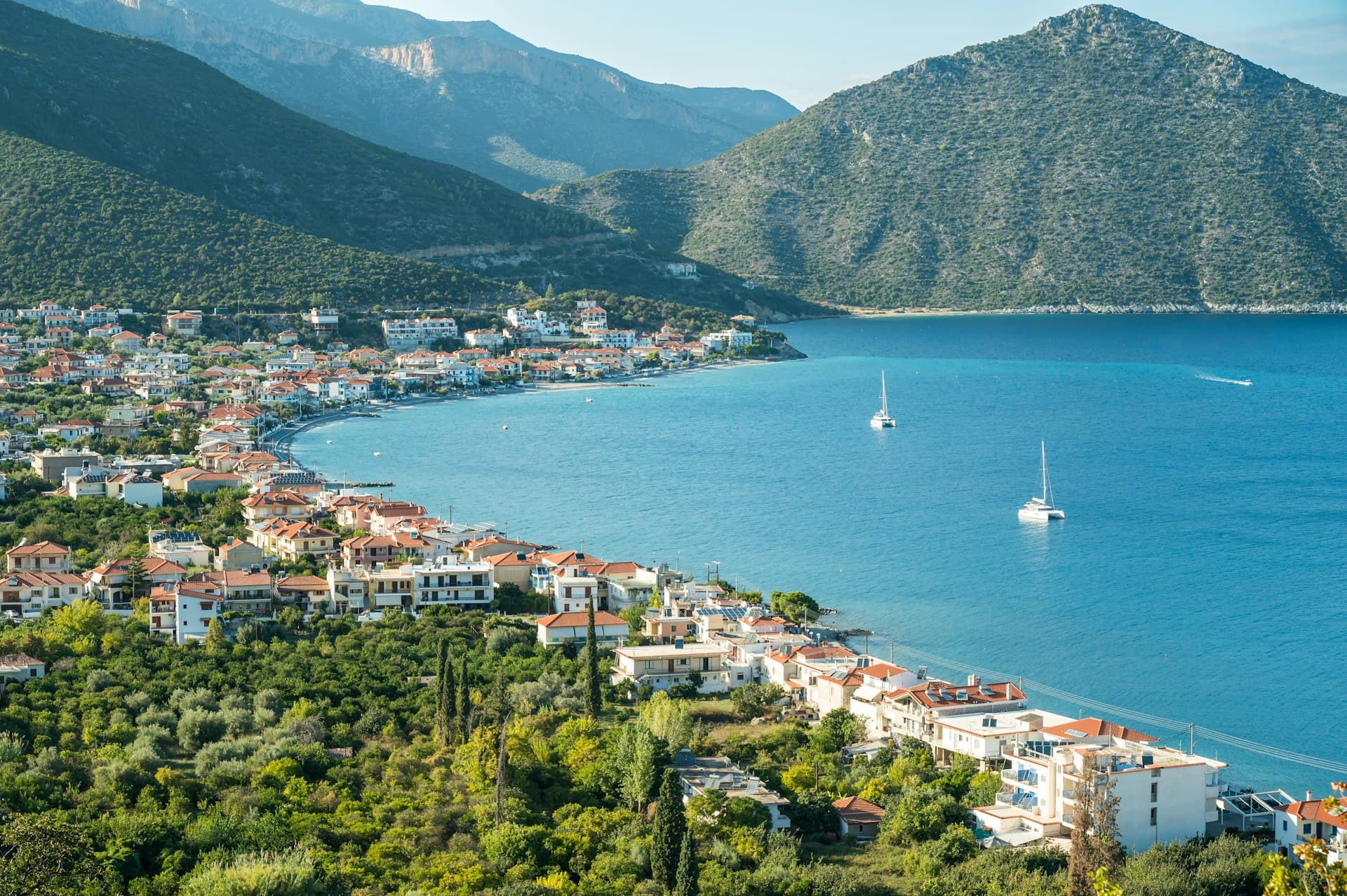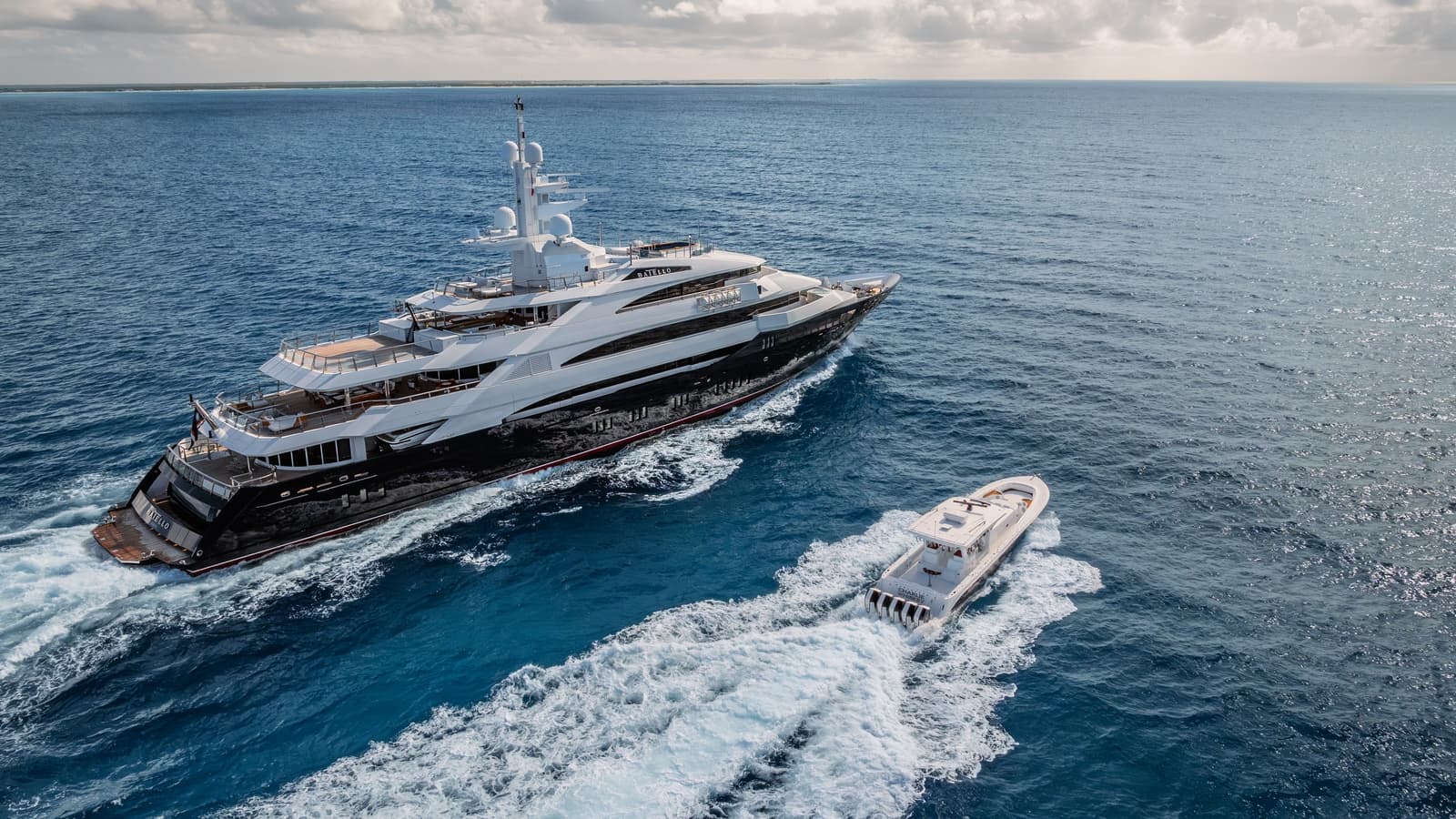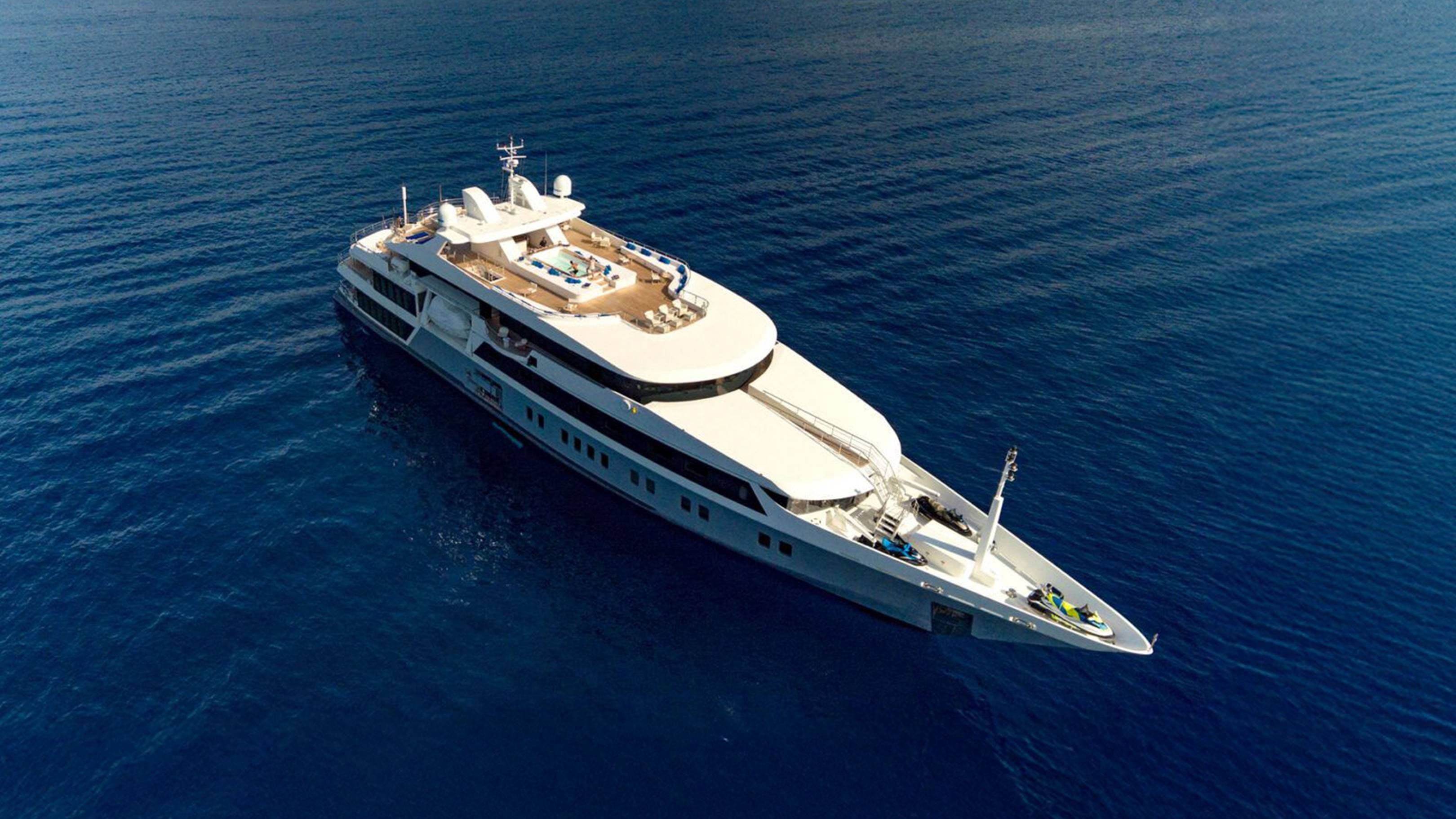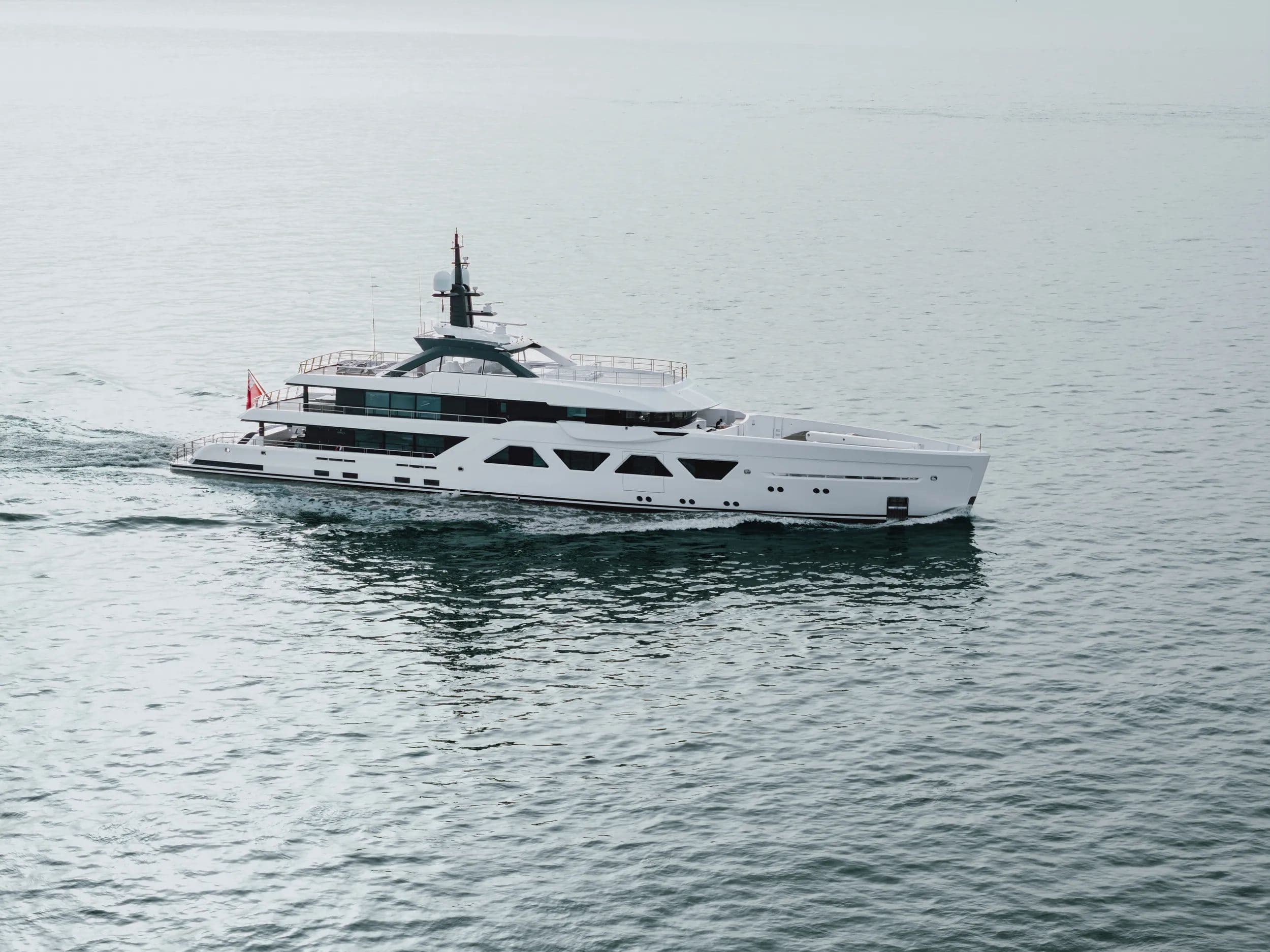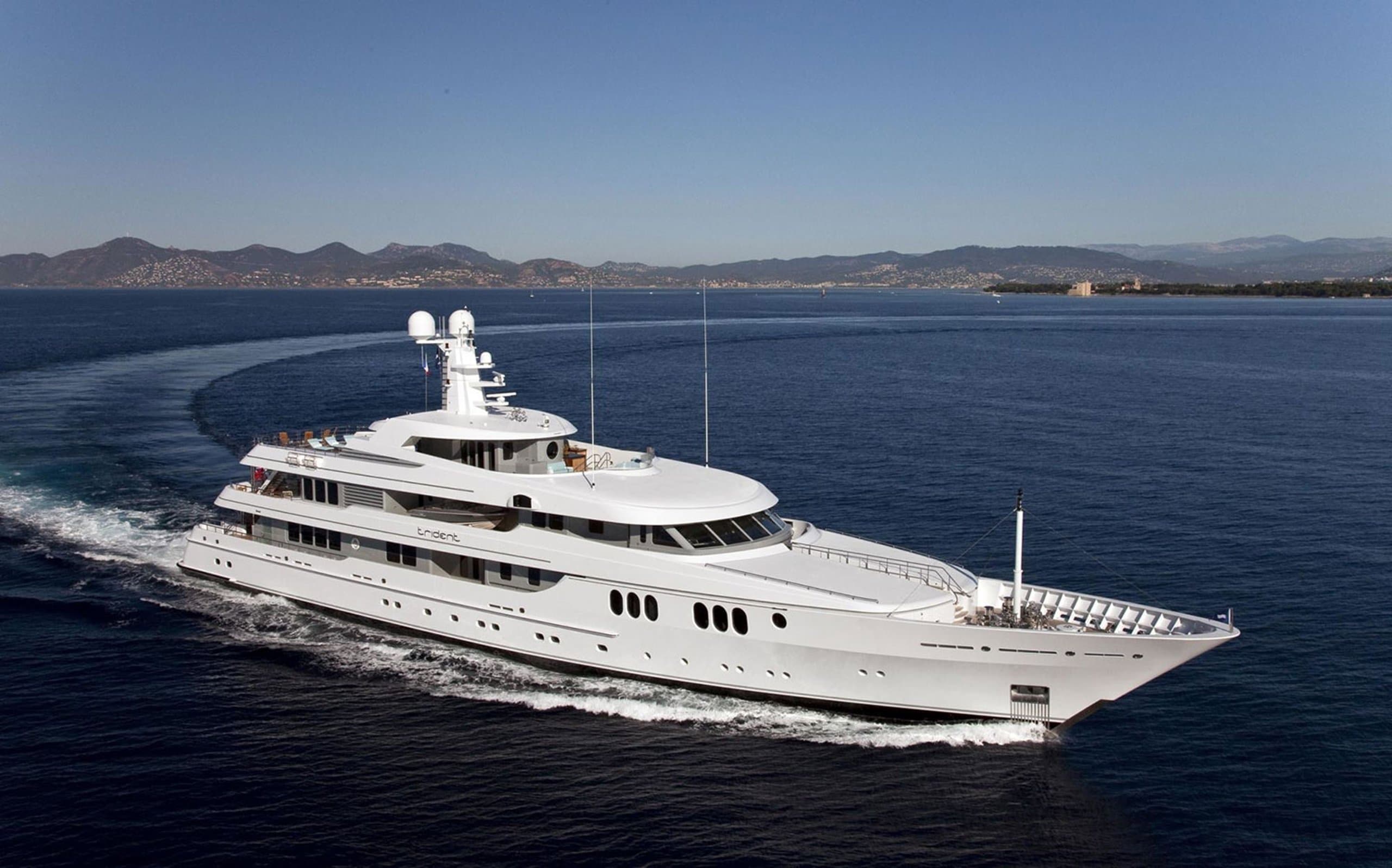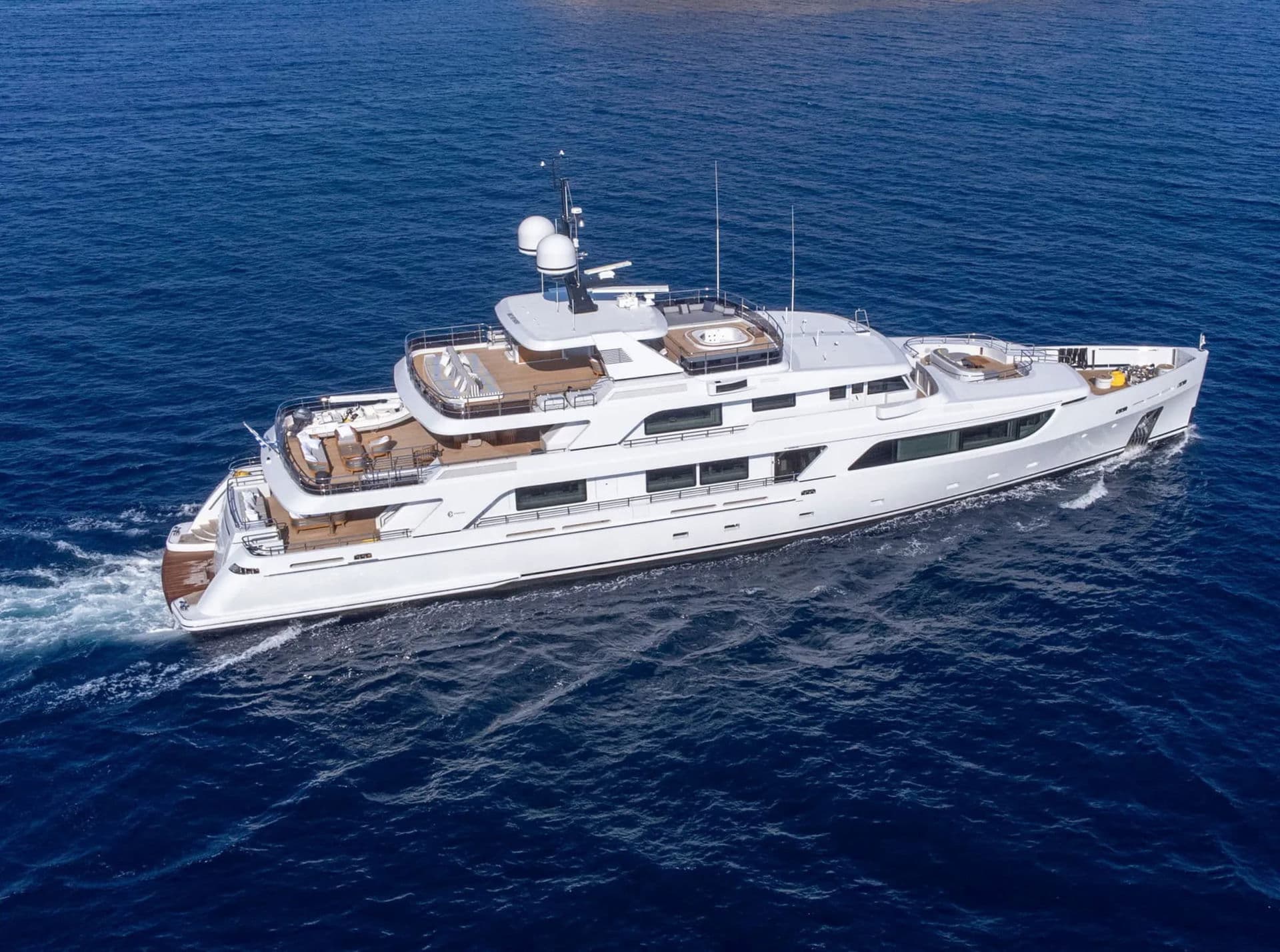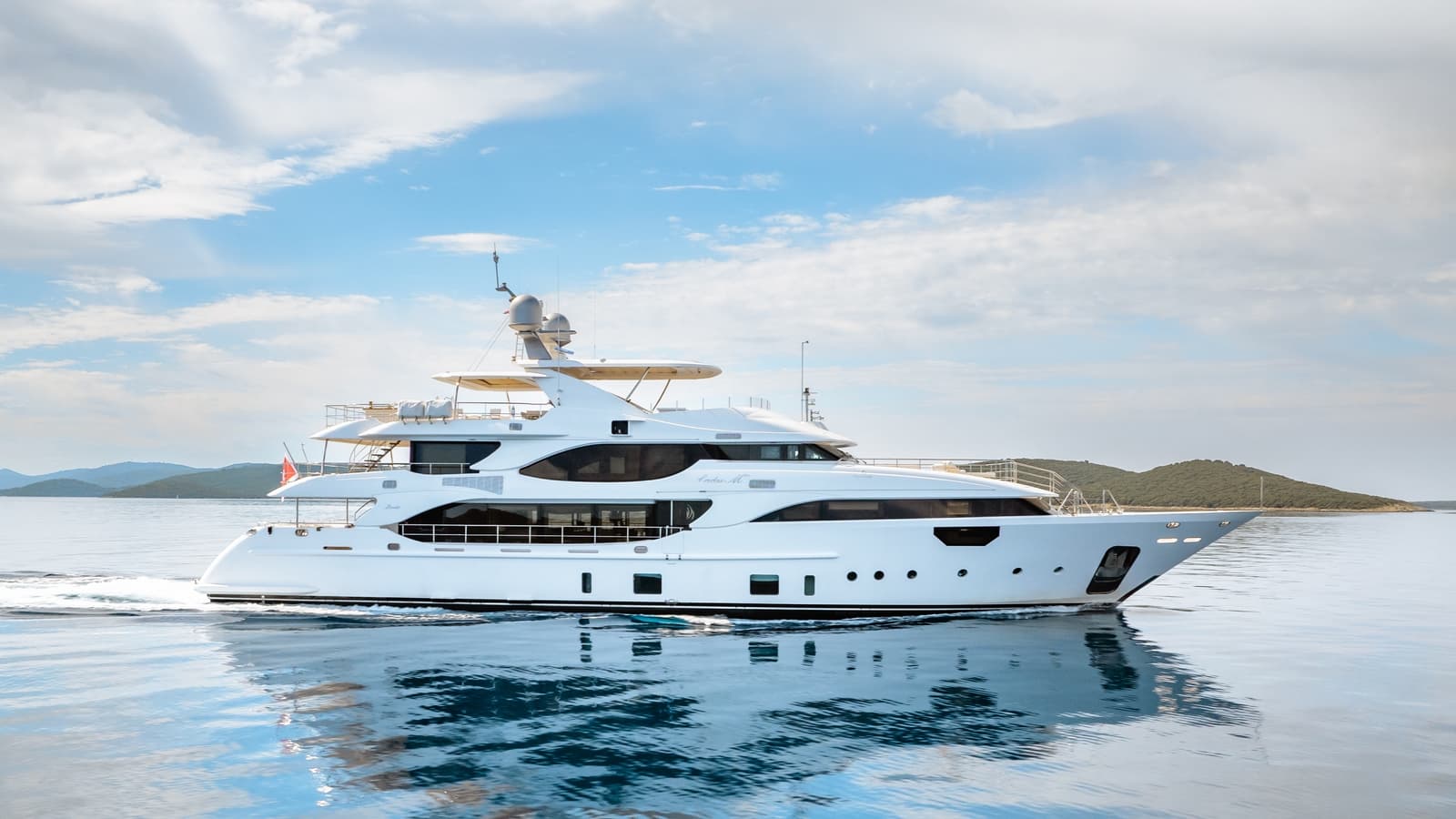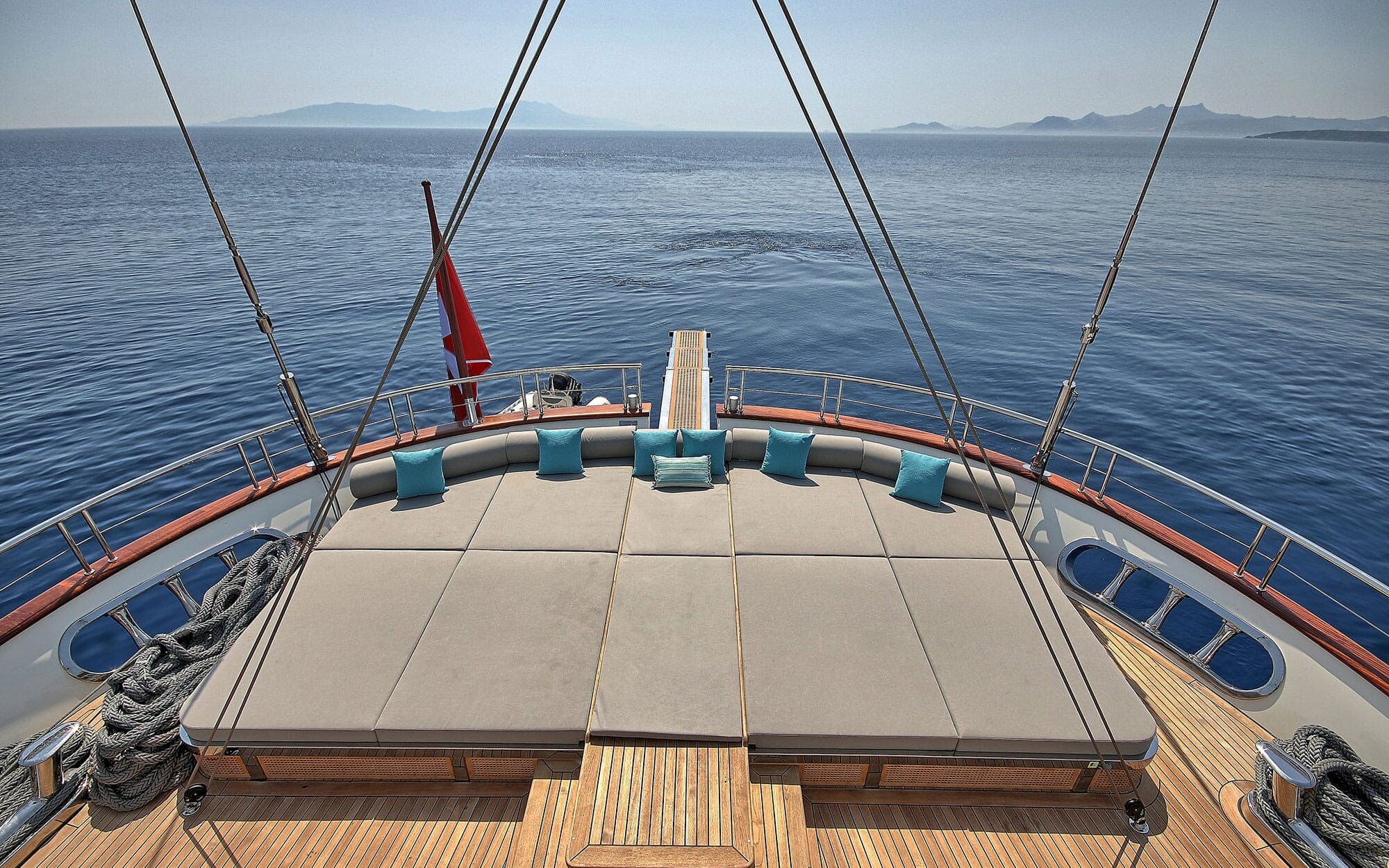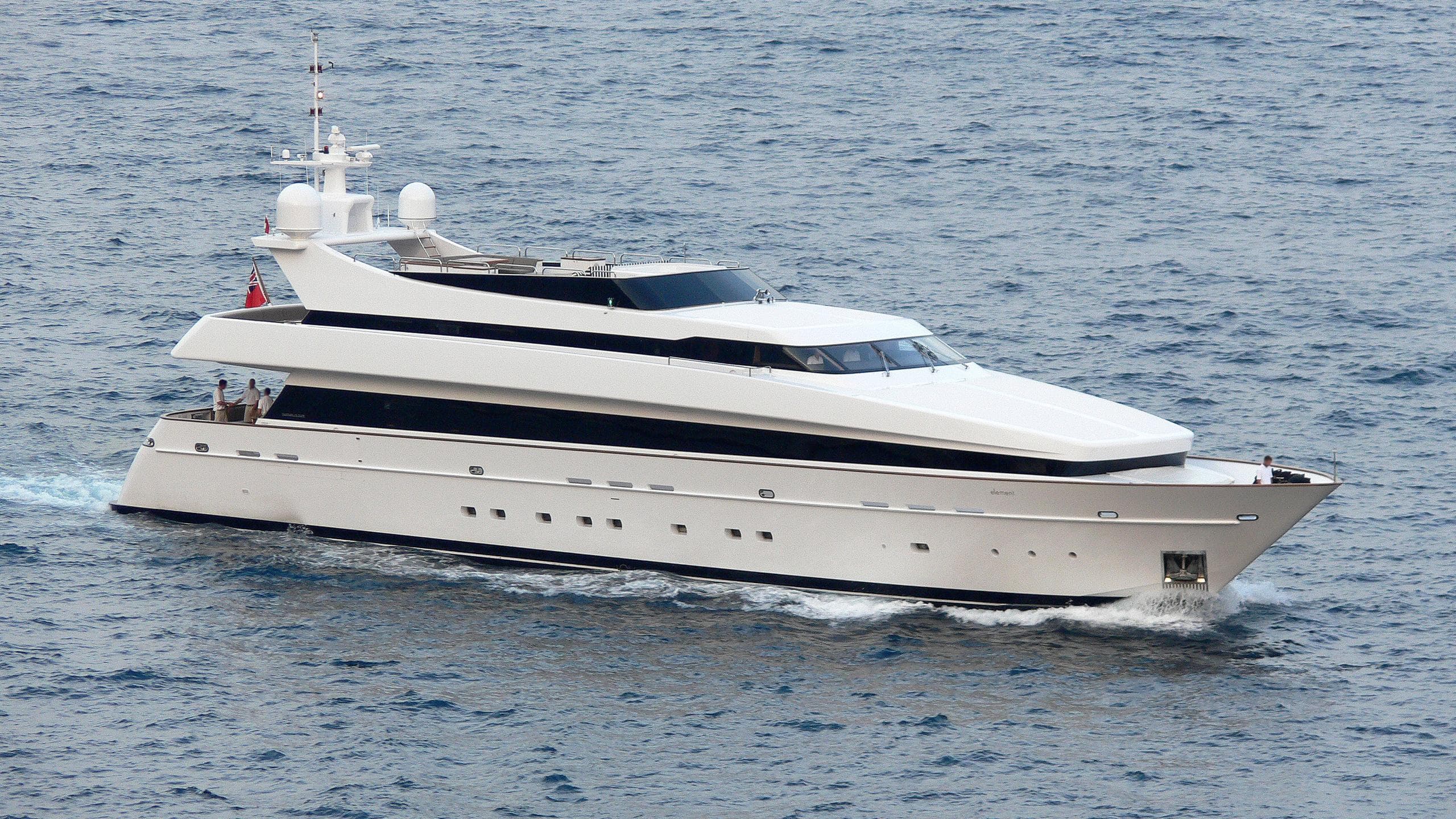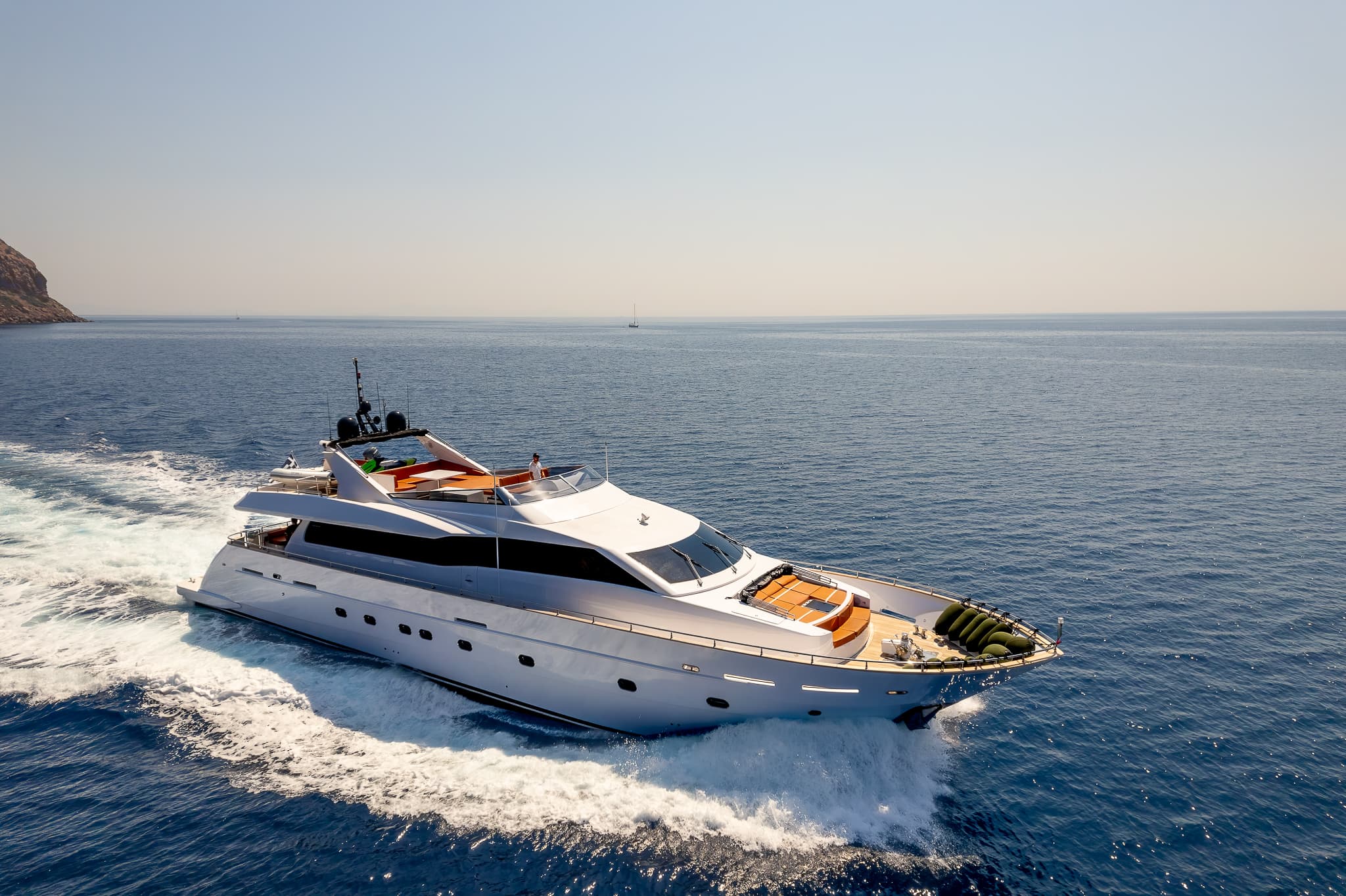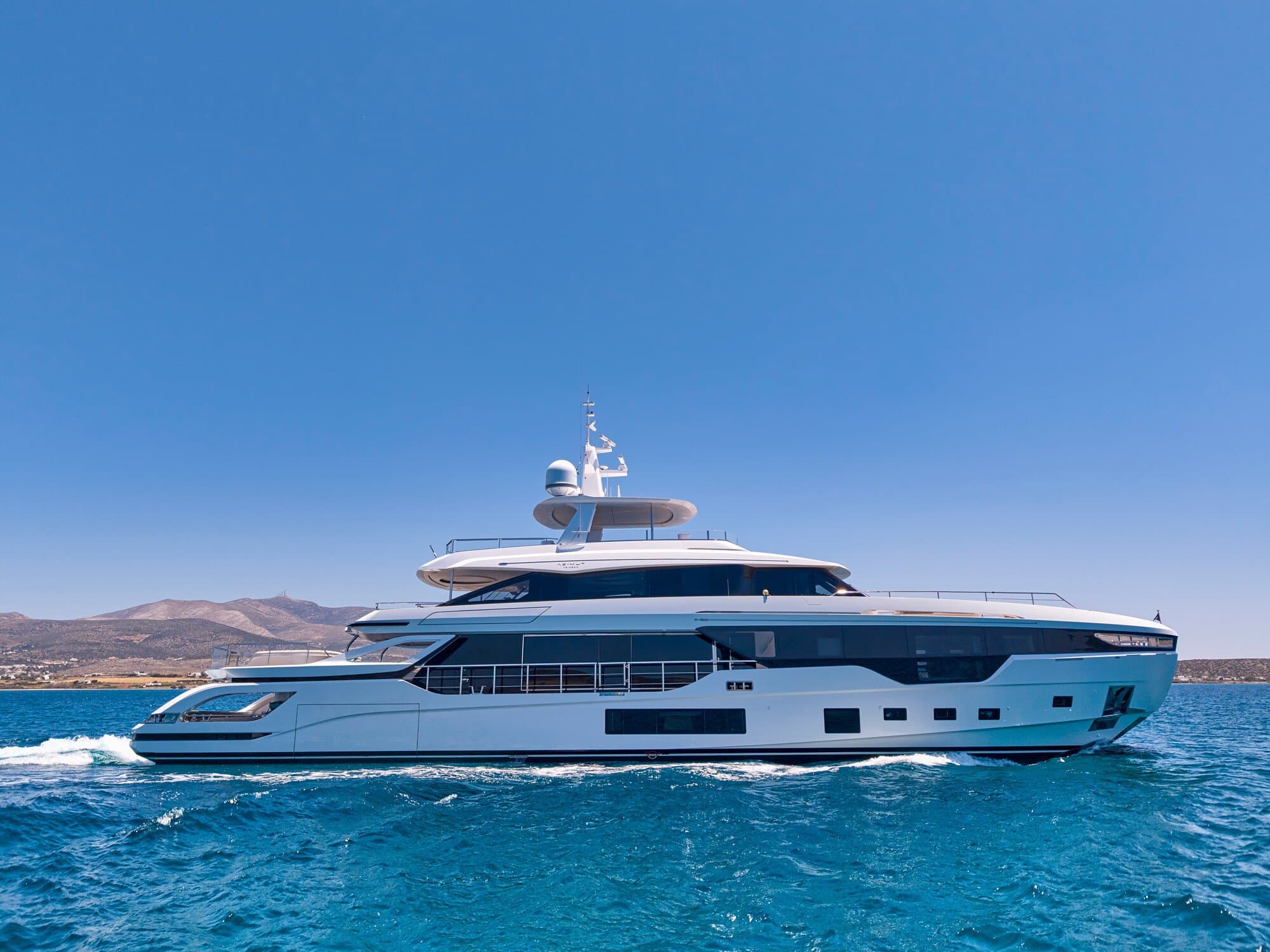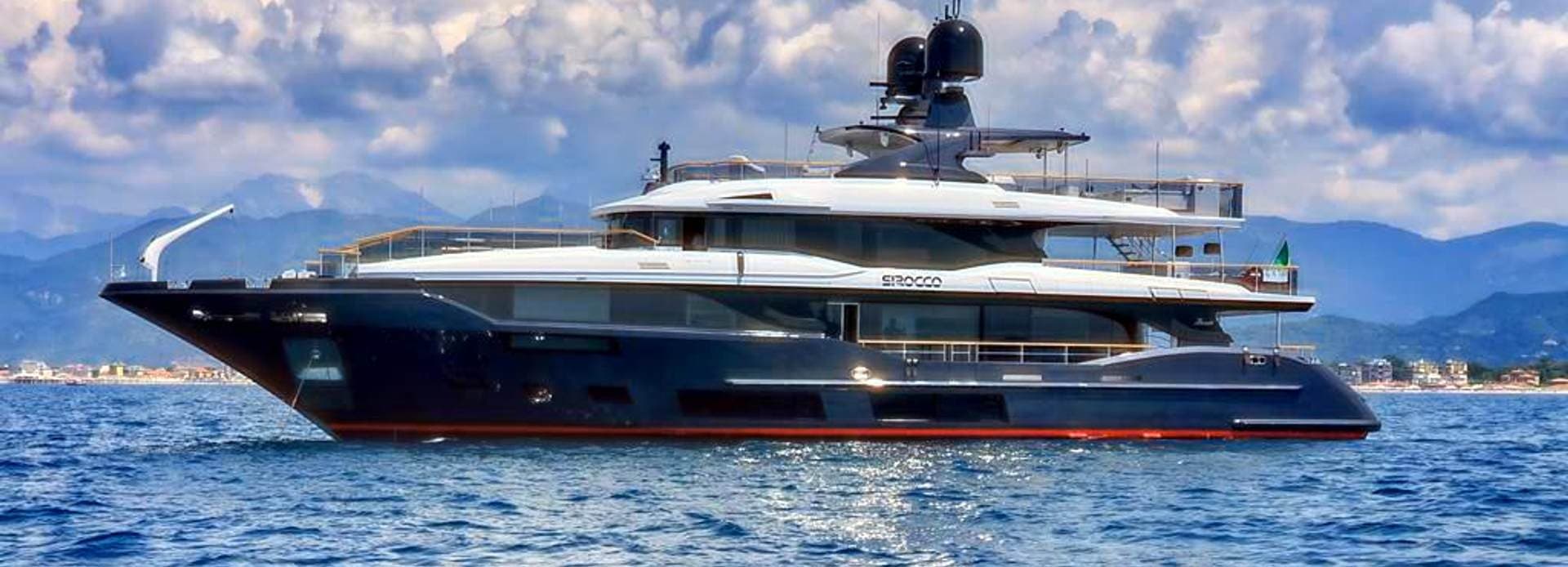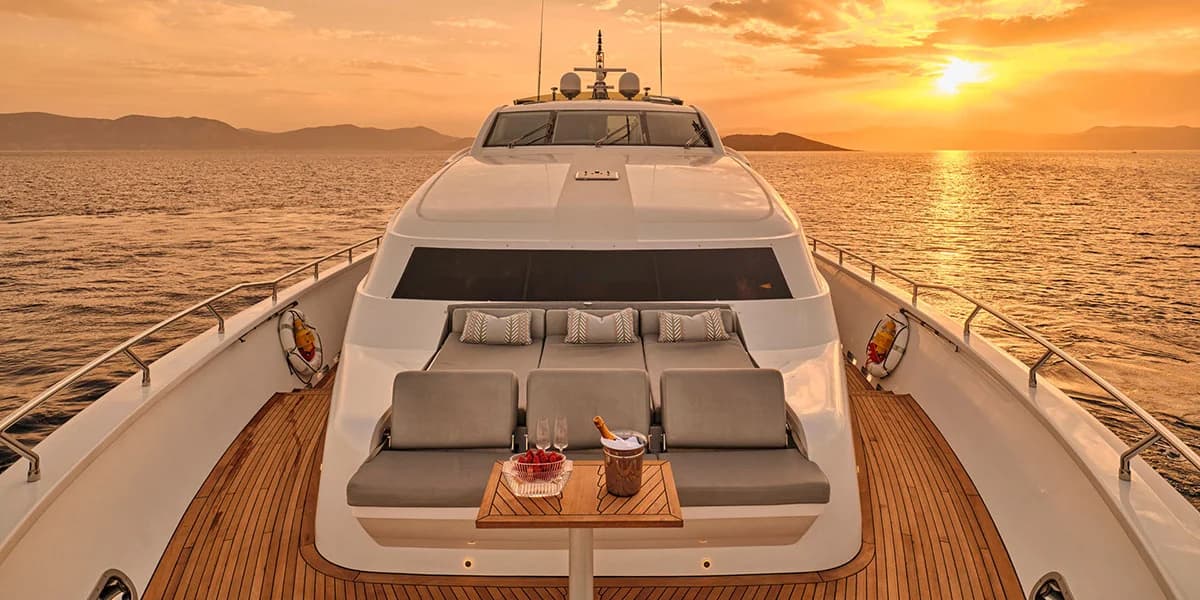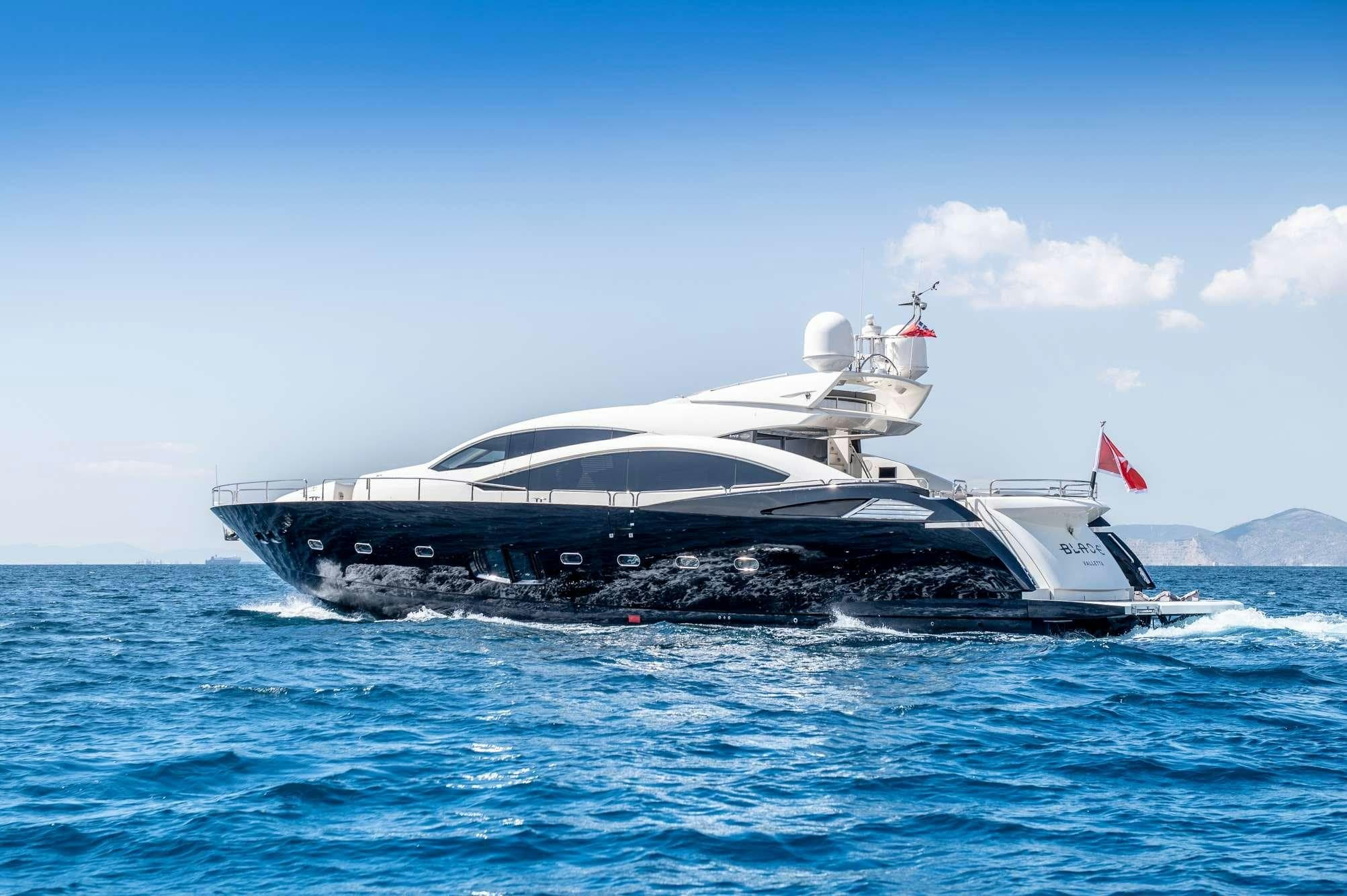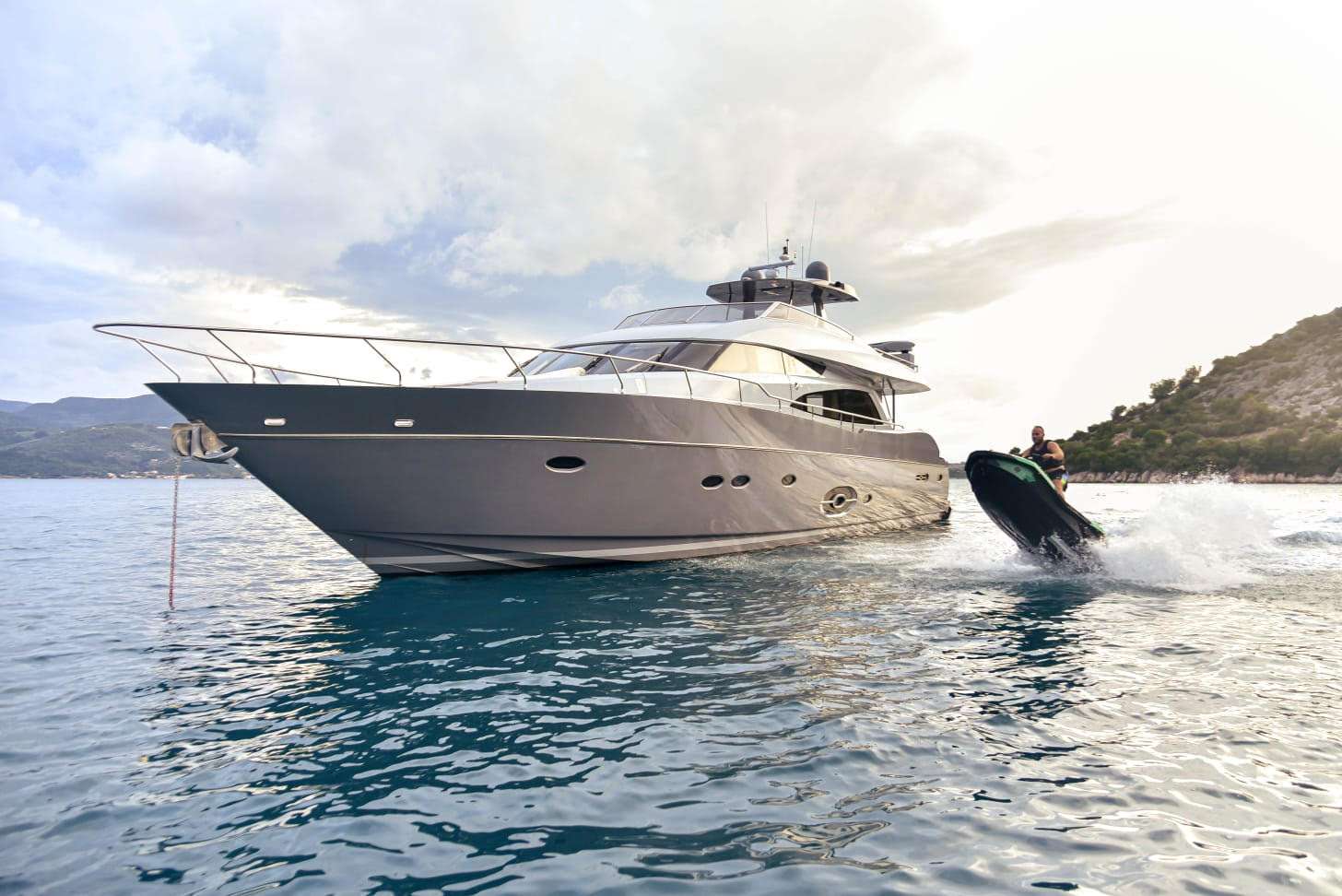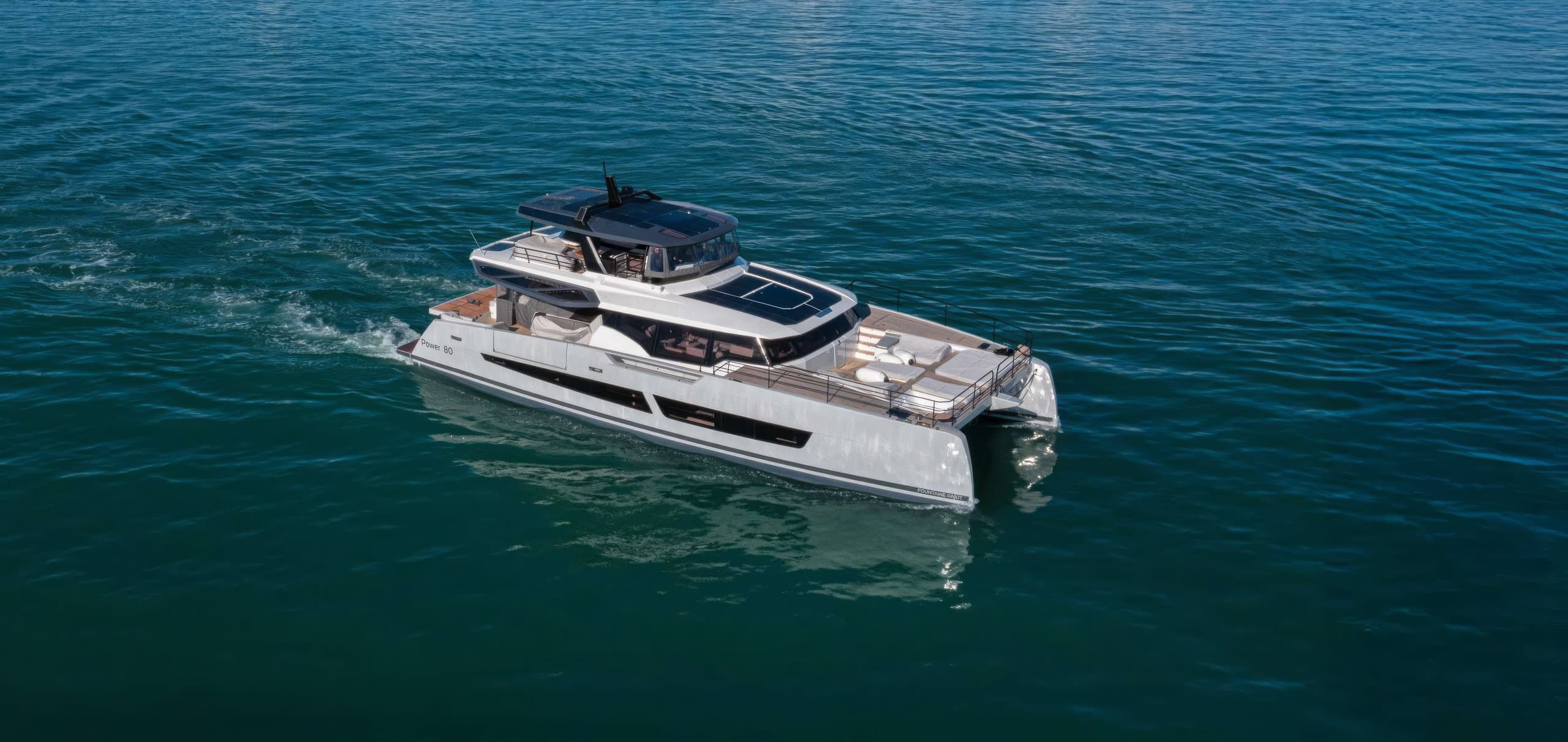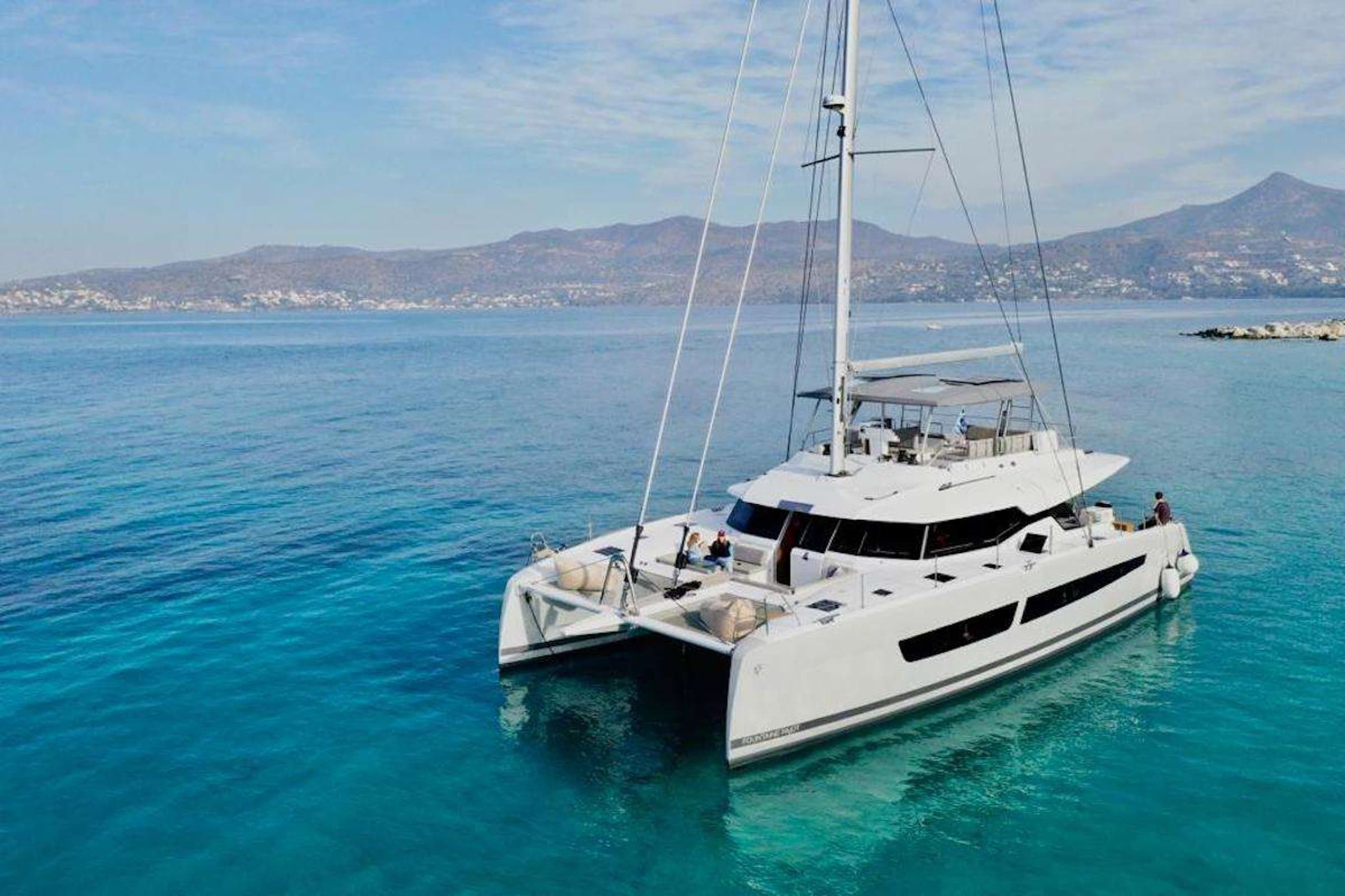
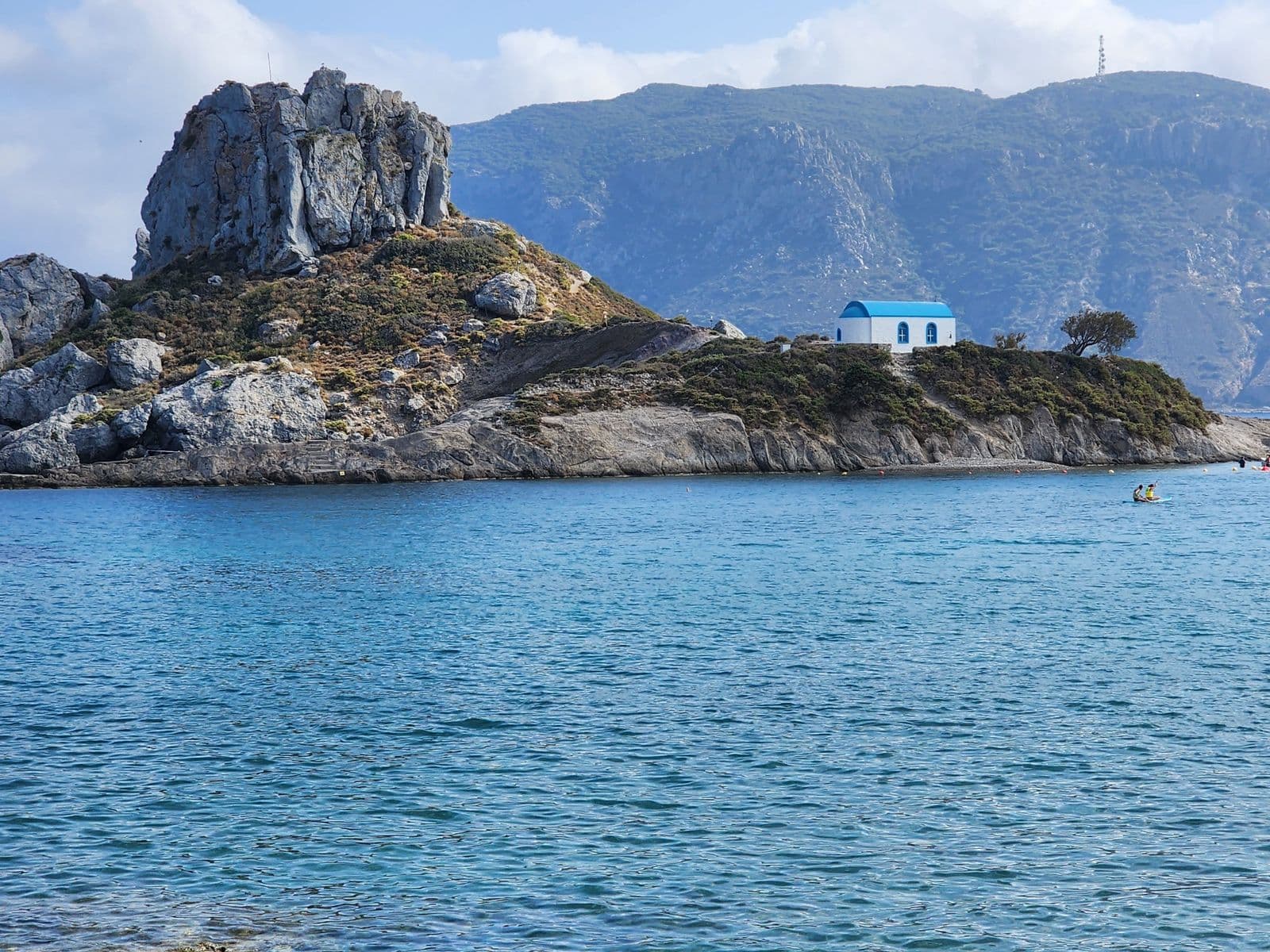
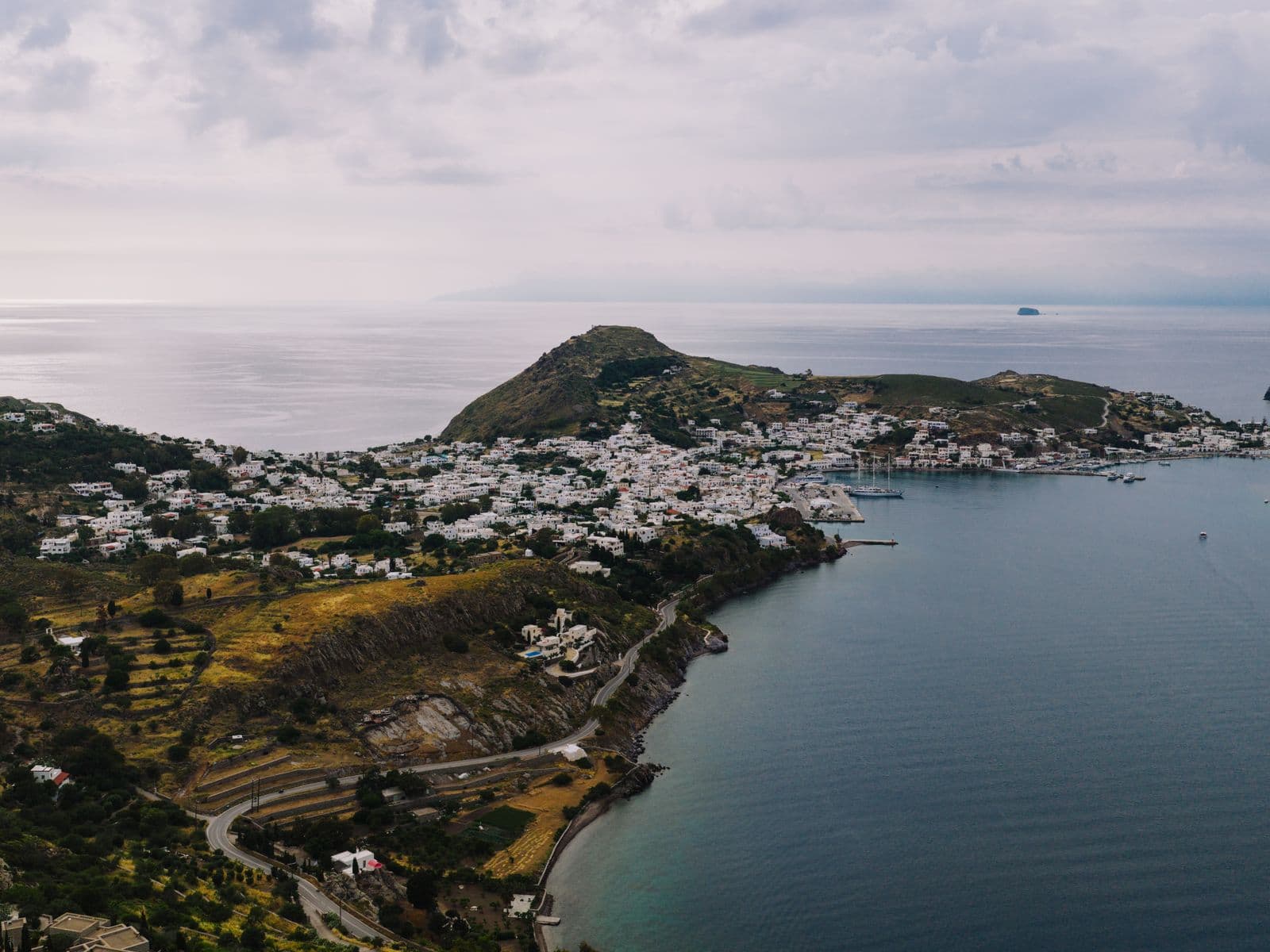
The Dodecanese stretch along Turkey’s Aegean coast in a chain of twelve major islands and dozens of smaller ones, from Patmos in the north to Rhodes at the southern tip. They are Greece’s most easterly islands — closer to Bodrum than to Athens — and they carry a layered history that no other Greek island group can match: Classical, Byzantine, Crusader, Ottoman, and Italian occupations have each left their mark in stone. The sailing here is varied, the waters are warm, and the crowds thin noticeably once you move beyond Rhodes and Kos.
The Dodecanese are where the Aegean meets the Levant — in the architecture, the light, and on the plate.
Geography and Sailing Conditions
The chain runs roughly 100 nautical miles north to south. Islands are well-spaced — 10 to 20 nautical miles between major stops — with the Turkish coast providing additional shelter and the option to clear in for a lunch stop at Bodrum or Datca (formalities permitting). The Meltemi reaches the Dodecanese but with less force than the central Cyclades; typical summer winds are 10–20 knots from the northwest. The sea between islands is generally less confused, and anchorages on the southeast sides of islands offer reliable shelter.
Key Islands
A Typical Charter Week
Starting from Rhodes or Kos, a week allows a thorough exploration of five to seven islands. A northbound route from Kos: Kalymnos, Leros, Patmos (two nights merited), Lipsi, return via Leros and Kos. A southern loop from Rhodes: Symi (overnight), Tilos, Nisyros, Kos, and back. Passages are moderate and the routing is flexible — the wind rarely forces major changes.
Season
The Dodecanese are not the first Greek islands most charterers consider, and that is part of their appeal. The history runs deeper, the harbours are less contested, and the eastern Aegean light — sharper, warmer — is something you notice from the first morning.
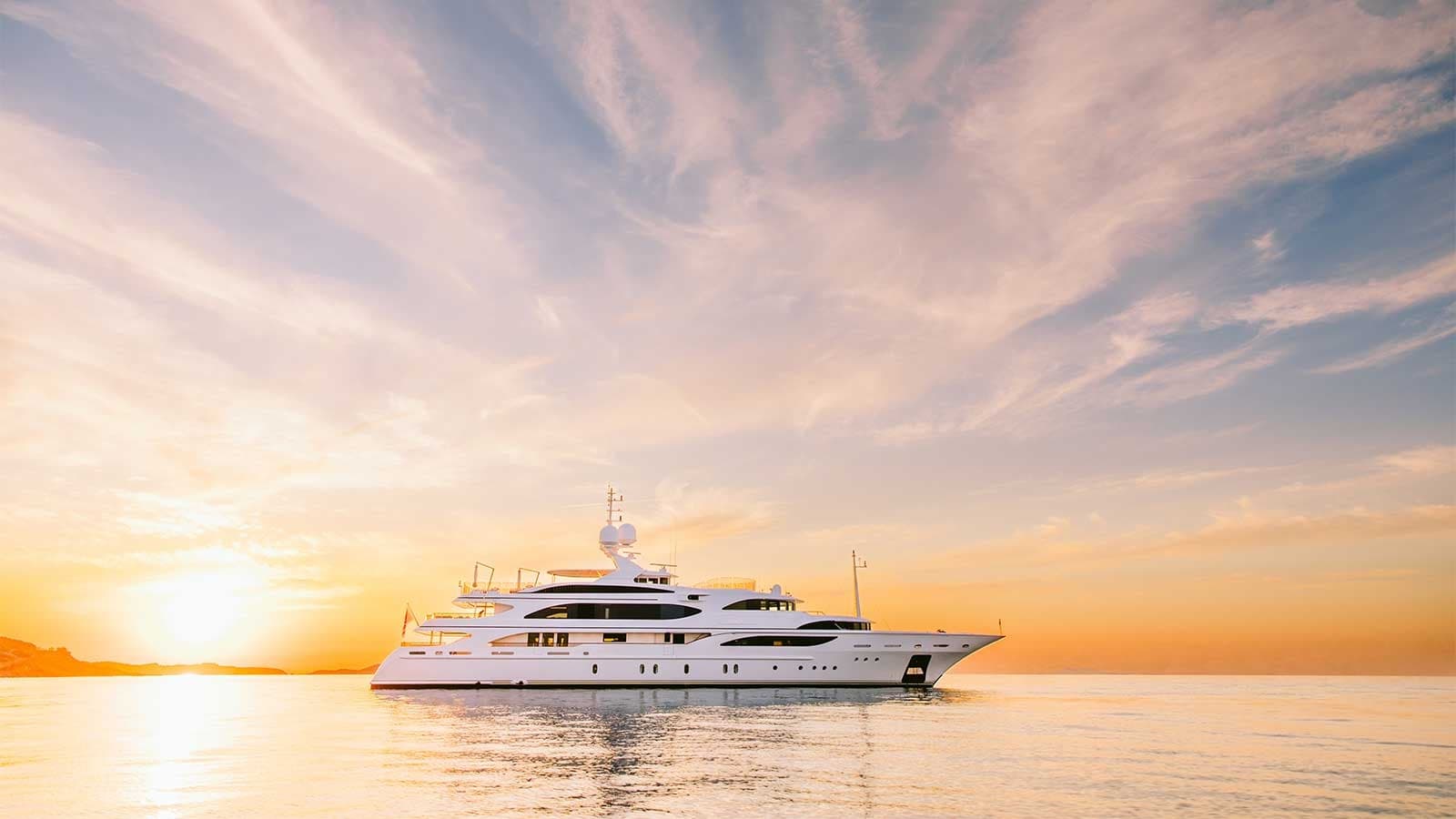
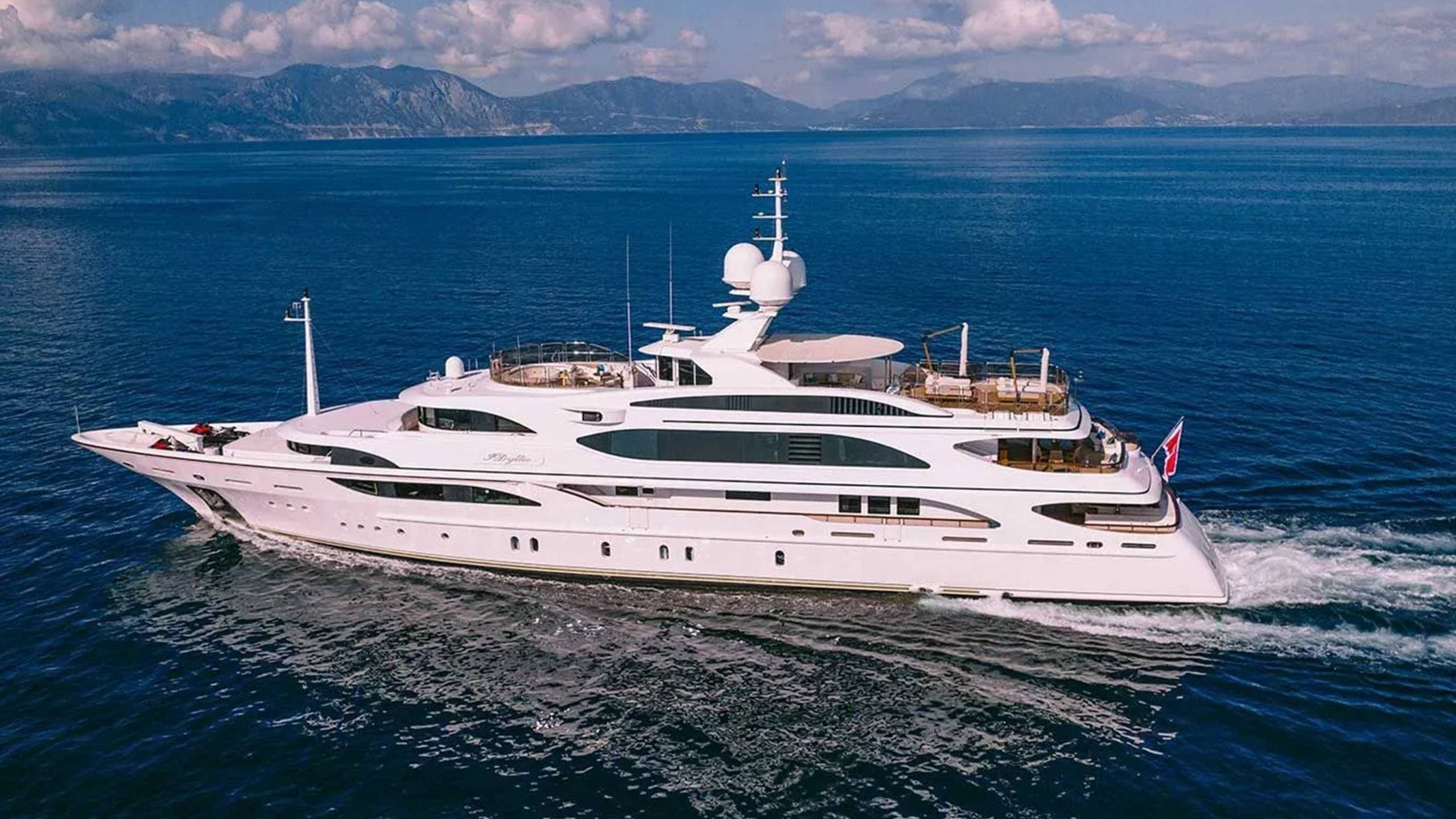
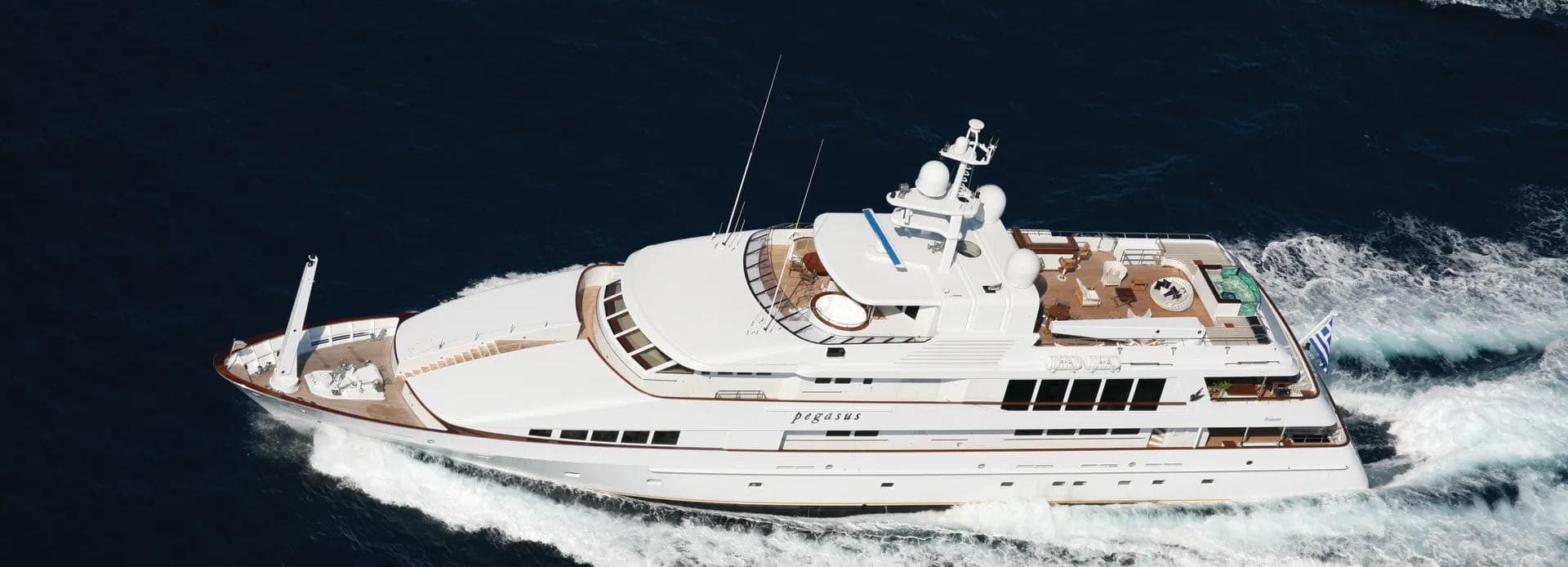
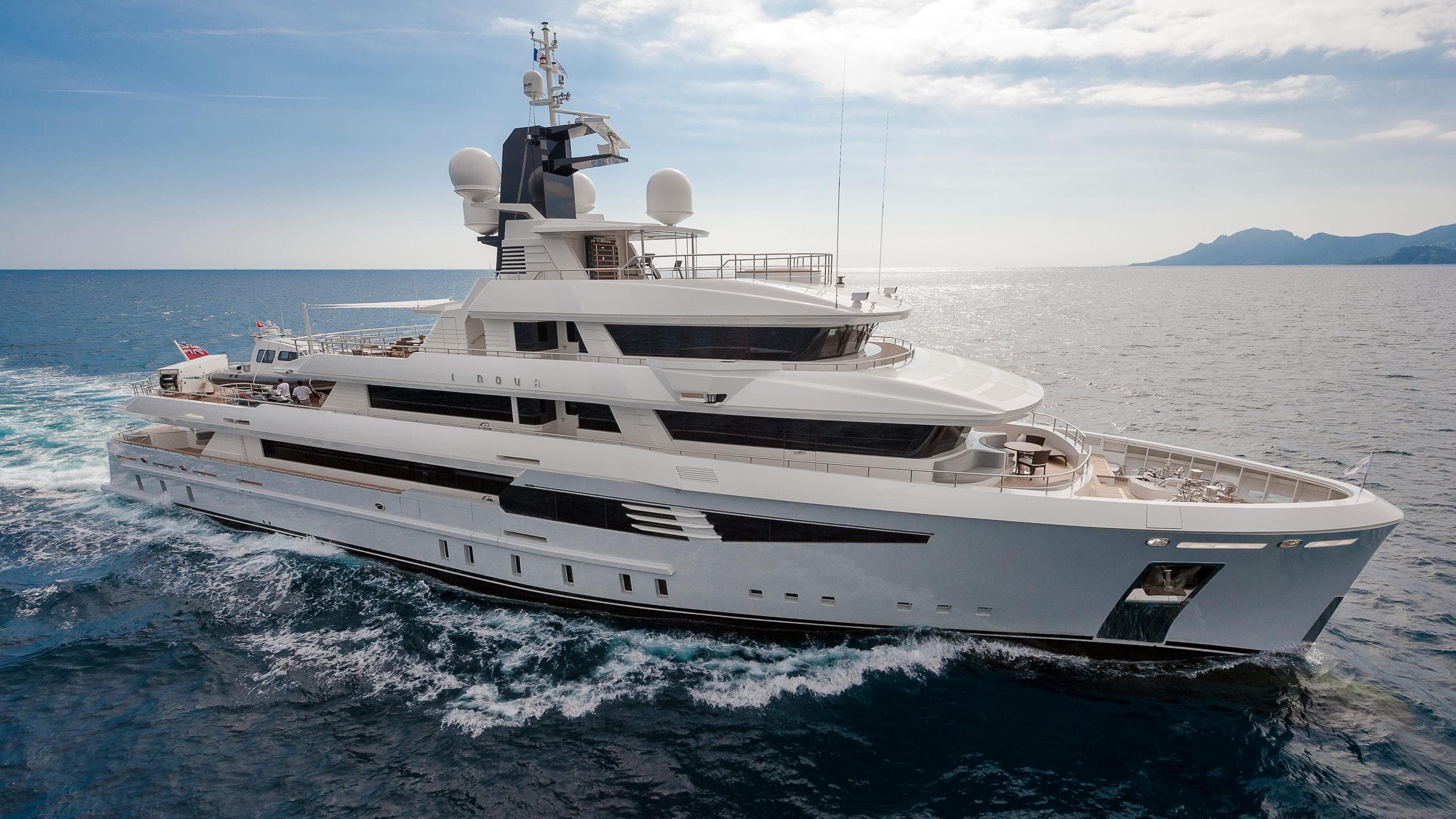
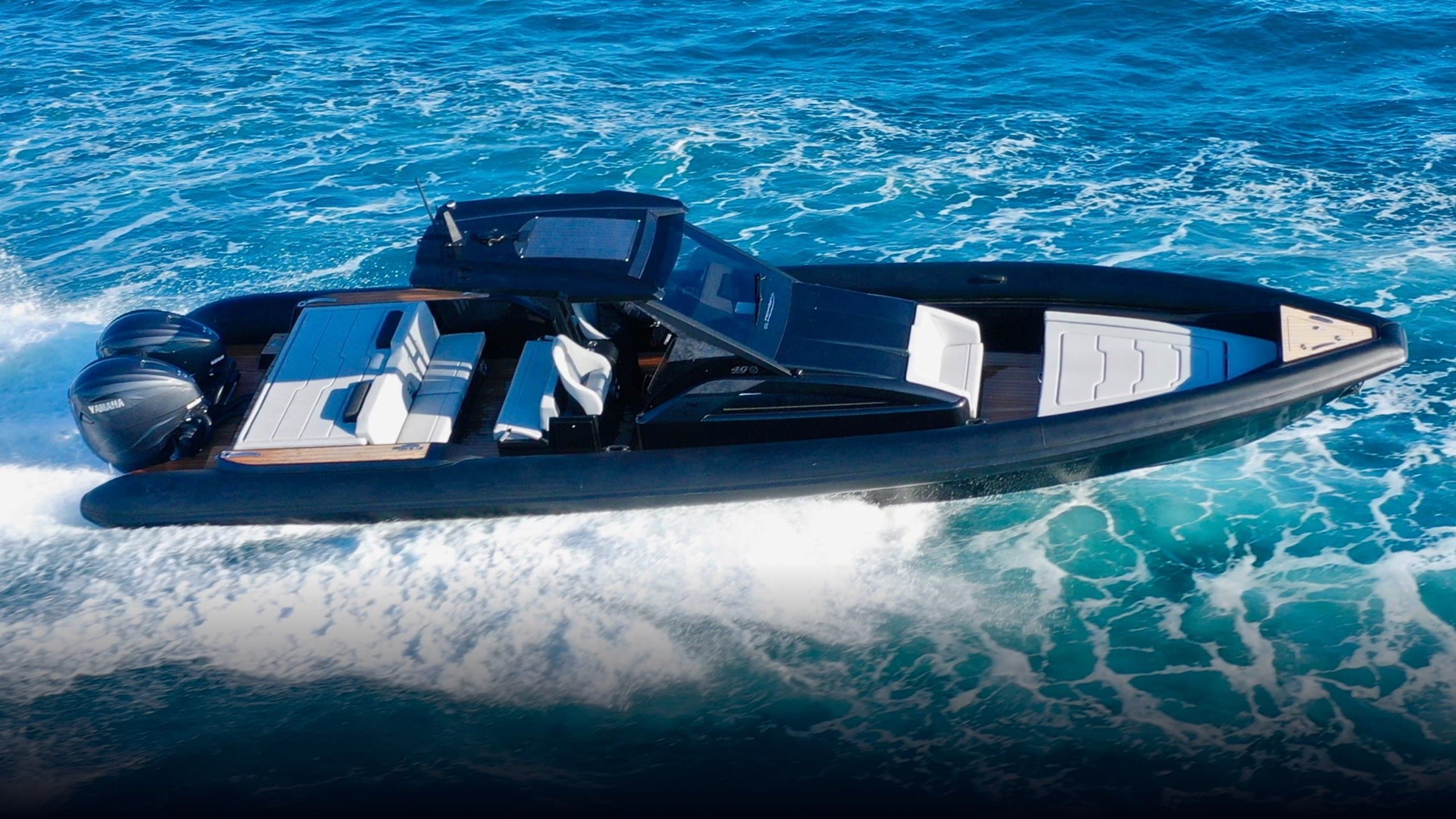
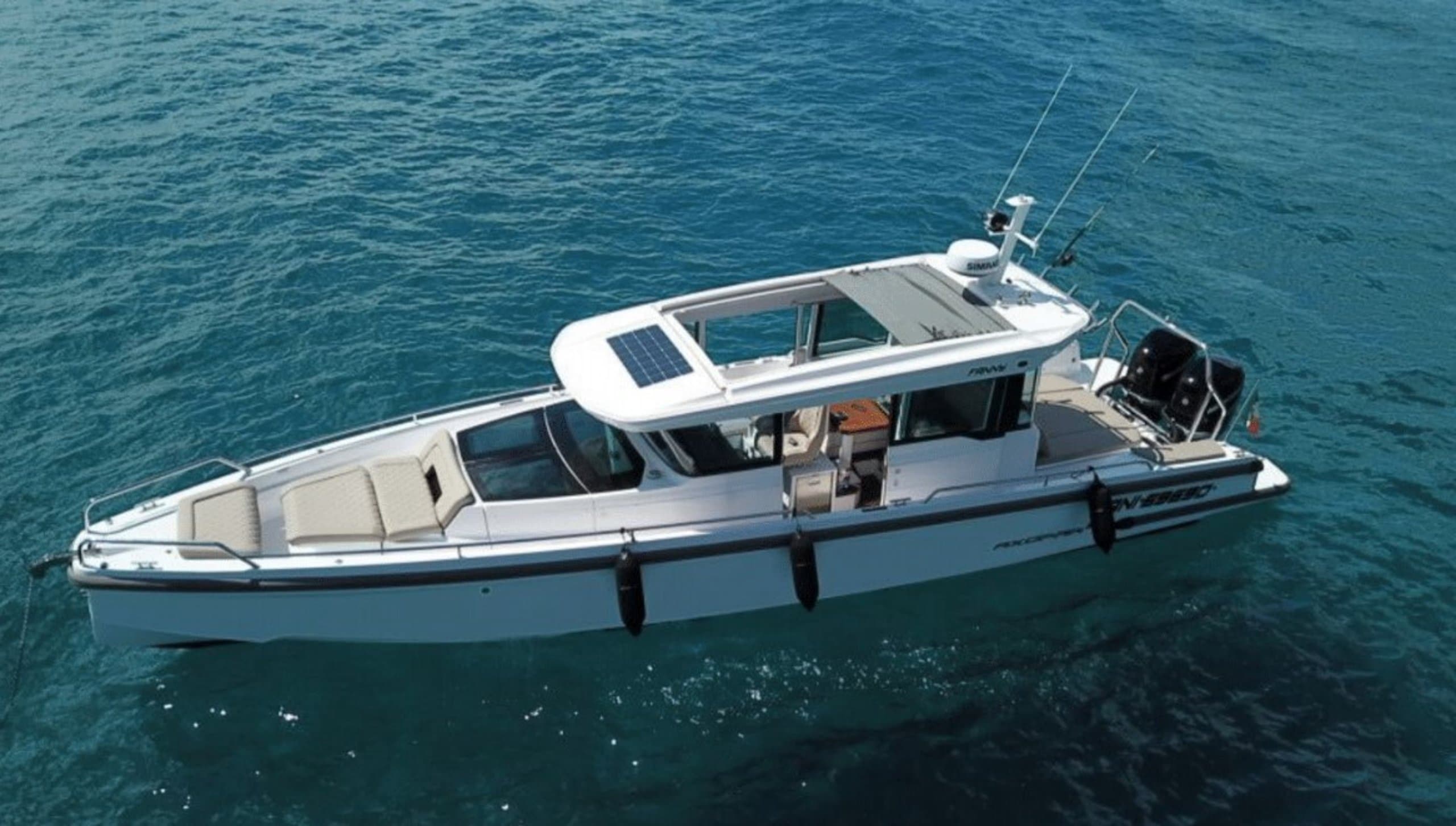
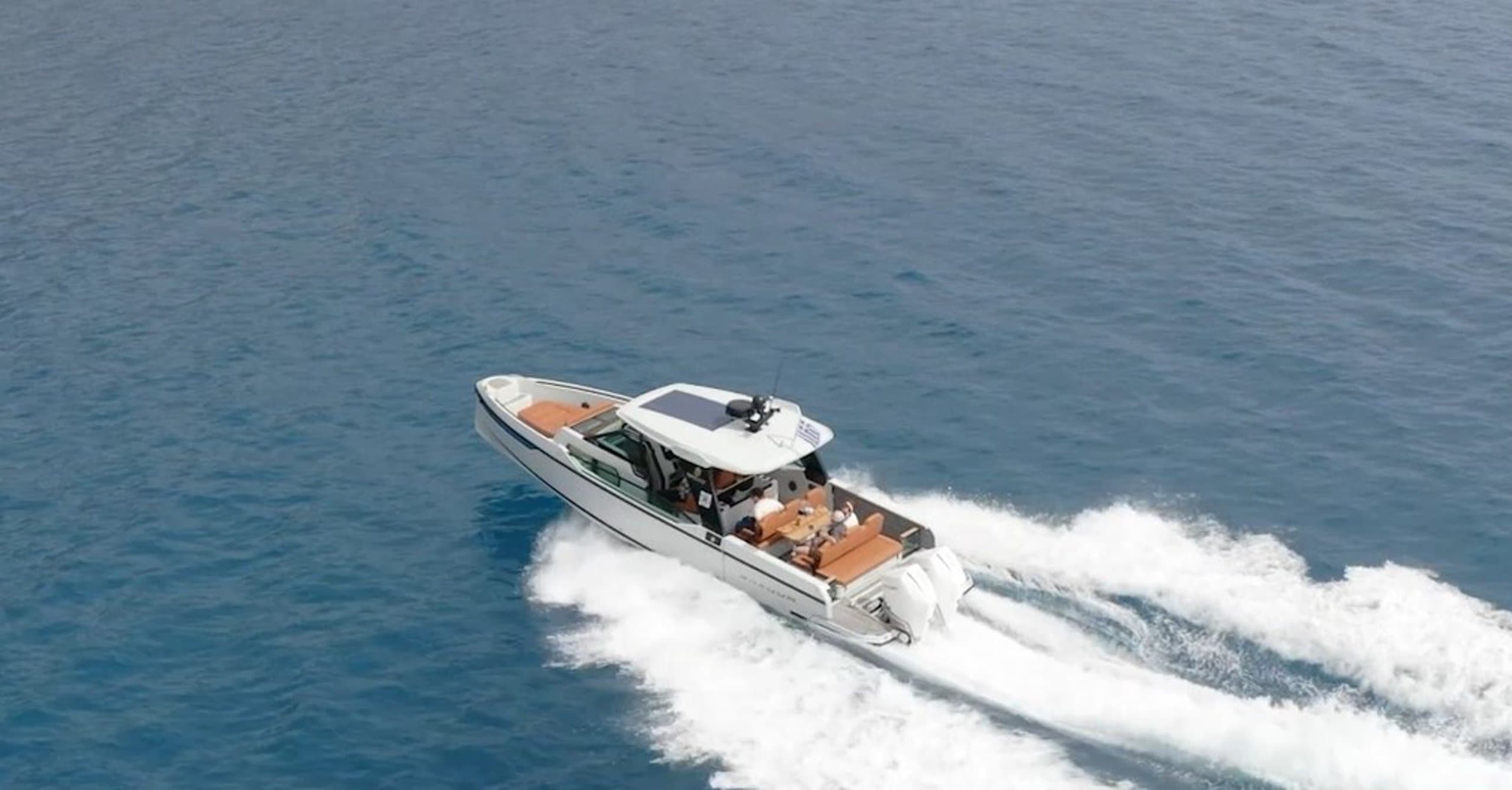
A Dodecanese yacht charter takes you to the warm southeastern corner of the Aegean, where medieval architecture, clear water, and a slower pace create one of Greece's most rewarding cruising grounds. Rhodes, Symi, Halki, Tilos, Kos, and the smaller islands between them offer a yacht week with genuine variety and less of the intensity that marks the peak-season Cyclades.
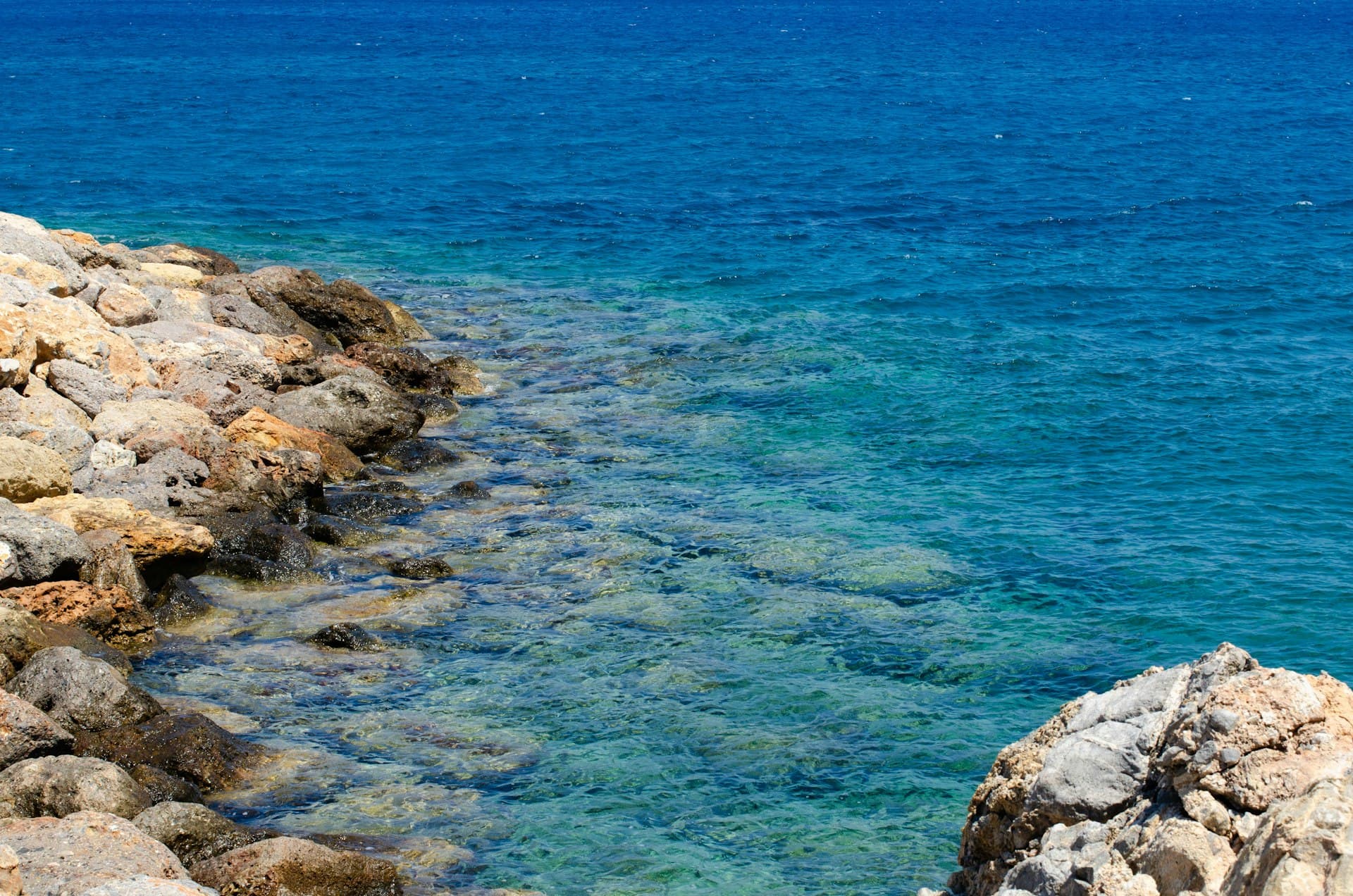
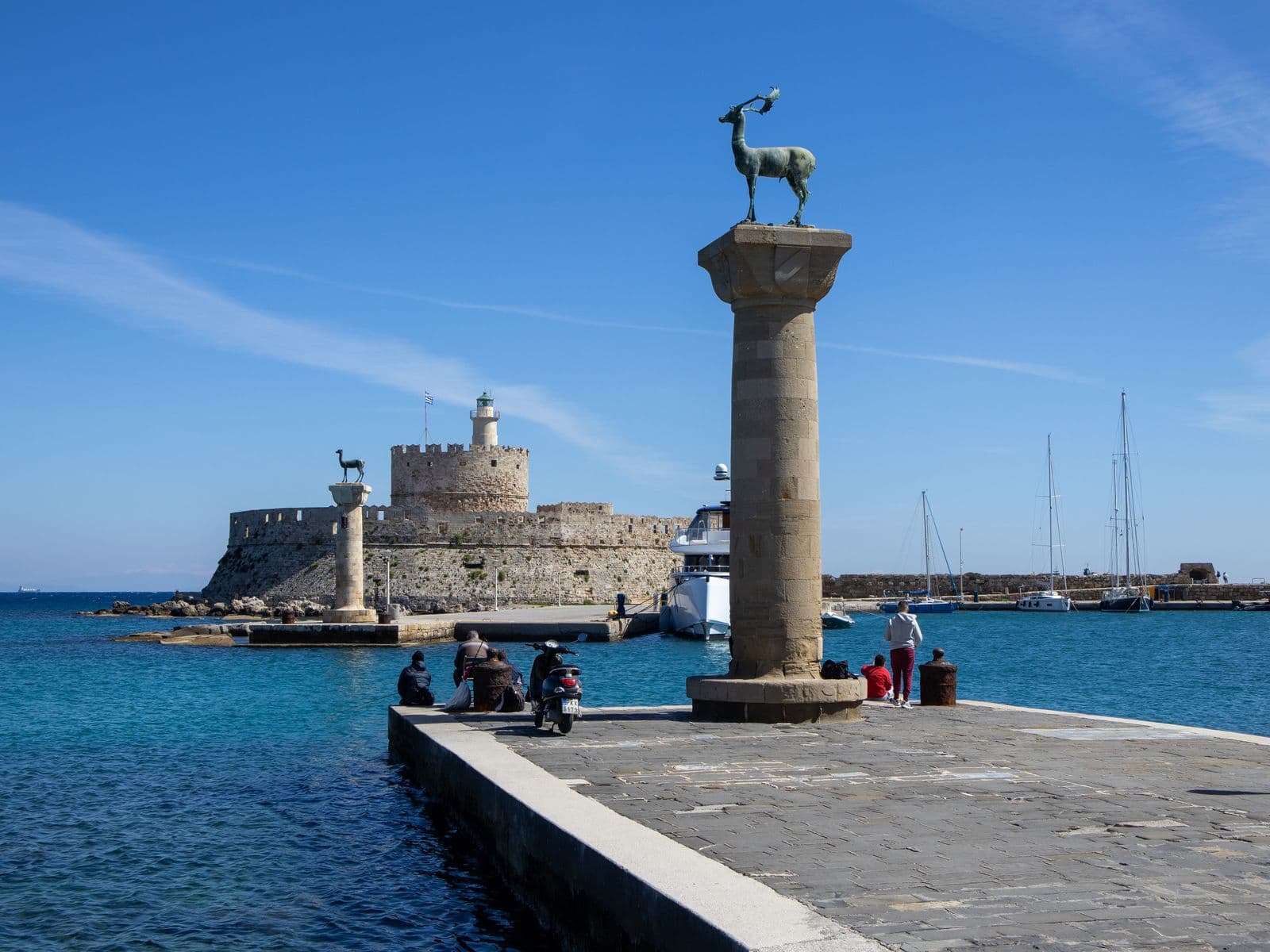
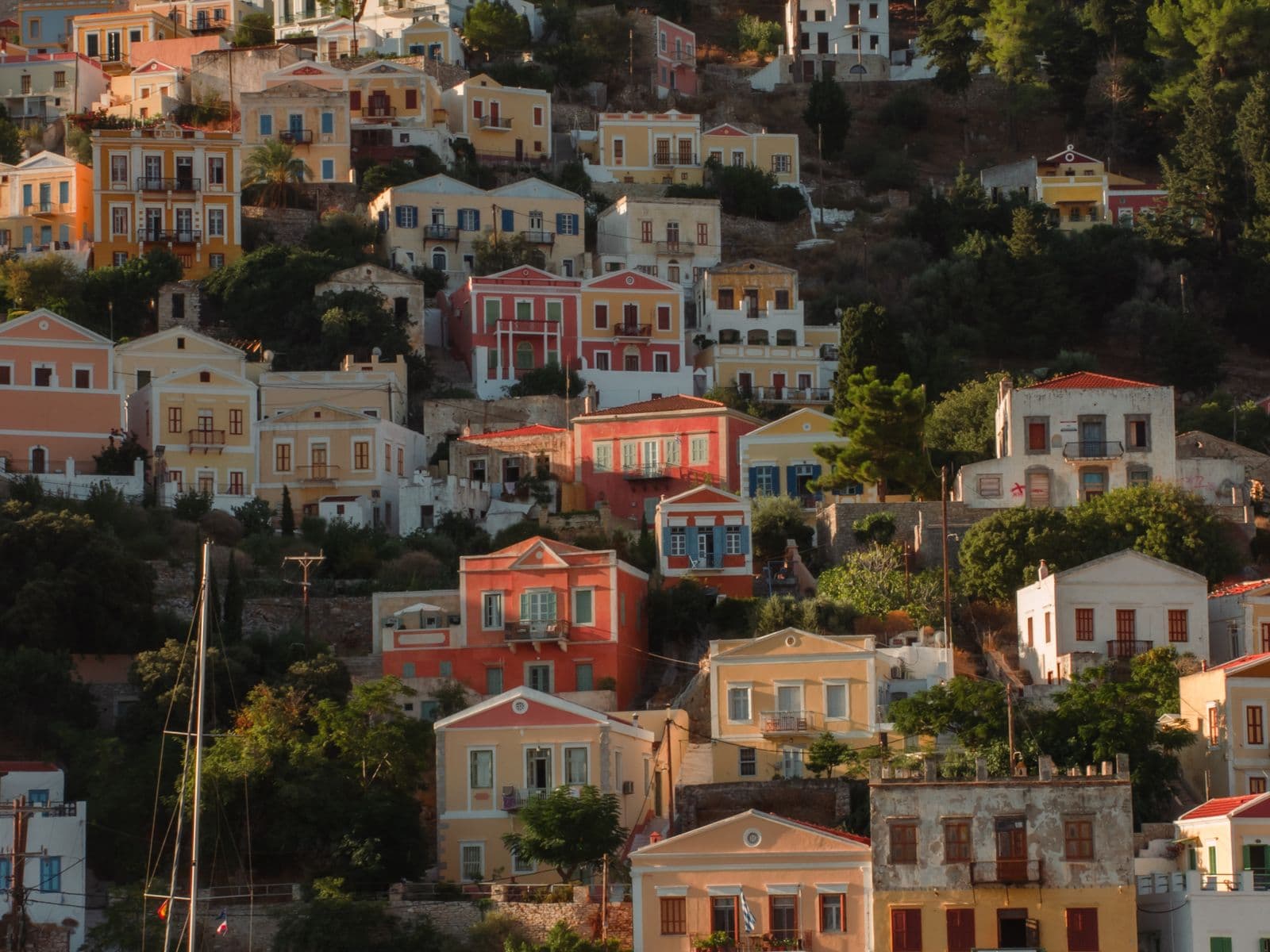
The Dodecanese rewards guests who enjoy history alongside their sea time. Rhodes Old Town is one of the best-preserved medieval cities in Europe. Symi's neoclassical harbour is among the most photographed in Greece. Between these cultural highlights, the islands deliver warm-water swimming, quiet anchorages, and easy passages that keep the week relaxed rather than rushed.
For crewed yacht charters, Drivas Yachts recommends the Dodecanese especially in September and October, when the water is at its warmest and the crowds have thinned. The region also pairs naturally with the nearby Turkish coast for guests wanting a cross-border itinerary.
Rhodes medieval old town by yacht
Symi's neoclassical harbour
Warmest late-season water in Greece
Easy pairing with the Turkish coast
Quieter alternative to the Cyclades
Excellent for history-minded guests