Charter in Rhodes: What to Expect
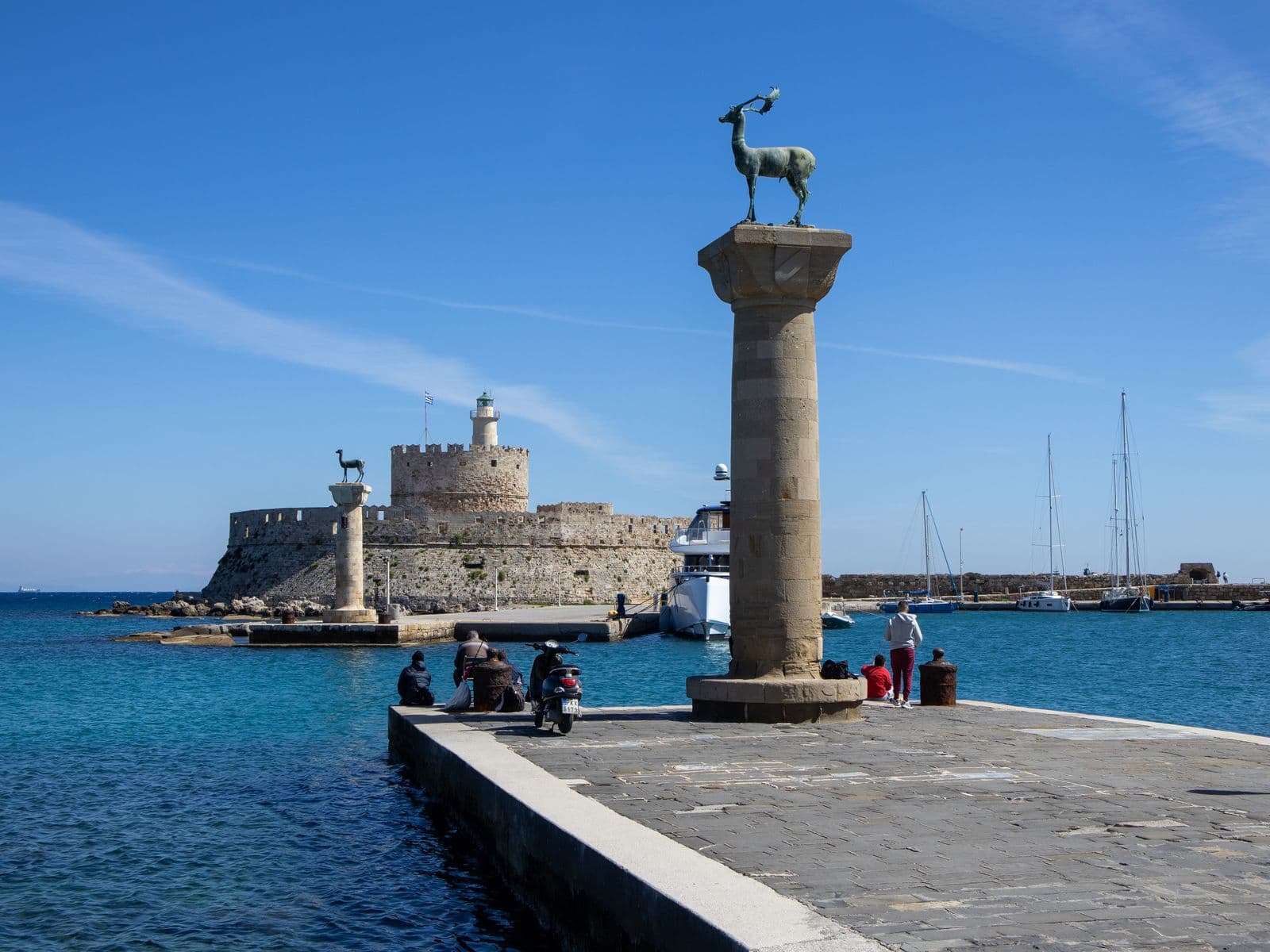
A yacht charter in Rhodes is an exercise in contrasts — grand historical spectacle set against some of the most luminous water in the eastern Mediterranean. Arriving by yacht into Mandraki Harbour, where the Colossus of Rhodes once allegedly straddled the entrance, is an entrance befitting the island's stature. Charter guests can expect a seamless transition between UNESCO-listed Old Town exploration, secluded south-coast anchorages, and the vibrant marina infrastructure that makes Rhodes one of the Dodecanese's most capable cruising bases. The island's road network, provisioning markets, and fuel facilities are all well-developed, meaning your vessel is never far from everything it needs.
Anchorages & Highlights
Beyond Mandraki, Rhodes reveals a coastline of remarkable variety. Lindos Bay is perhaps the island's most celebrated anchorage — drop anchor in the turquoise shallows beneath the Acropolis and dinghy ashore to climb through whitewashed alleys to one of the Aegean's most dramatic hilltop citadels. Further south, Lardos Bay offers calmer, shallower water with a more intimate atmosphere and reliable shelter from the prevailing northerlies. Gennadi on the southeast coast is a working fishing village with a long sandy foreshore and genuine local character — an ideal overnight stop for charterers seeking authenticity over amenity. For those looking beyond the main island, the protected cove of Agios Pavlos and the passage towards the nearby islets of Strongyli and Makri provide some of the finest light-wind sailing and snorkelling in the region. Provisioning and crew changes are efficiently handled through Rhodes Marina, one of the best-equipped ports in the Dodecanese.
Best Time to Charter in Rhodes
Rhodes enjoys one of the longest reliable sailing seasons in Greek waters, typically stretching from late April through to early November. The Meltemi — the Aegean's prevailing summer north wind — blows with particular conviction along the island's west coast from July through August, rewarding experienced crews with exhilarating passages while encouraging others to favour the sheltered eastern seaboard. June and September represent the sweet spot: settled weather, water temperatures above 24°C, and significantly reduced crowds at the most sought-after anchorages. Aris Drivas Yachting has been advising clients on optimal seasonal timing in these waters since 1972, and our team's intimate knowledge of local wind patterns and anchorage behaviour is available from the moment you make an enquiry.
Getting There
Rhodes International Airport — Diagoras — is one of the busiest in Greece, with direct scheduled and charter flights from across Europe, making crew logistics straightforward for international charterers. The main commercial port handles high-speed ferry connections to Piraeus, Kos, and the wider Dodecanese, offering flexible join-and-leave options for extended flotilla or bareboat arrangements. For those positioning a yacht from Athens, the passage via the Cyclades and Kos is a rewarding open-water route in its own right. Whether you plan to base your charter entirely around Rhodes or use her as a starting point for a broader Dodecanese itinerary, we encourage you to reach out to our team — every exceptional charter begins with a single conversation.
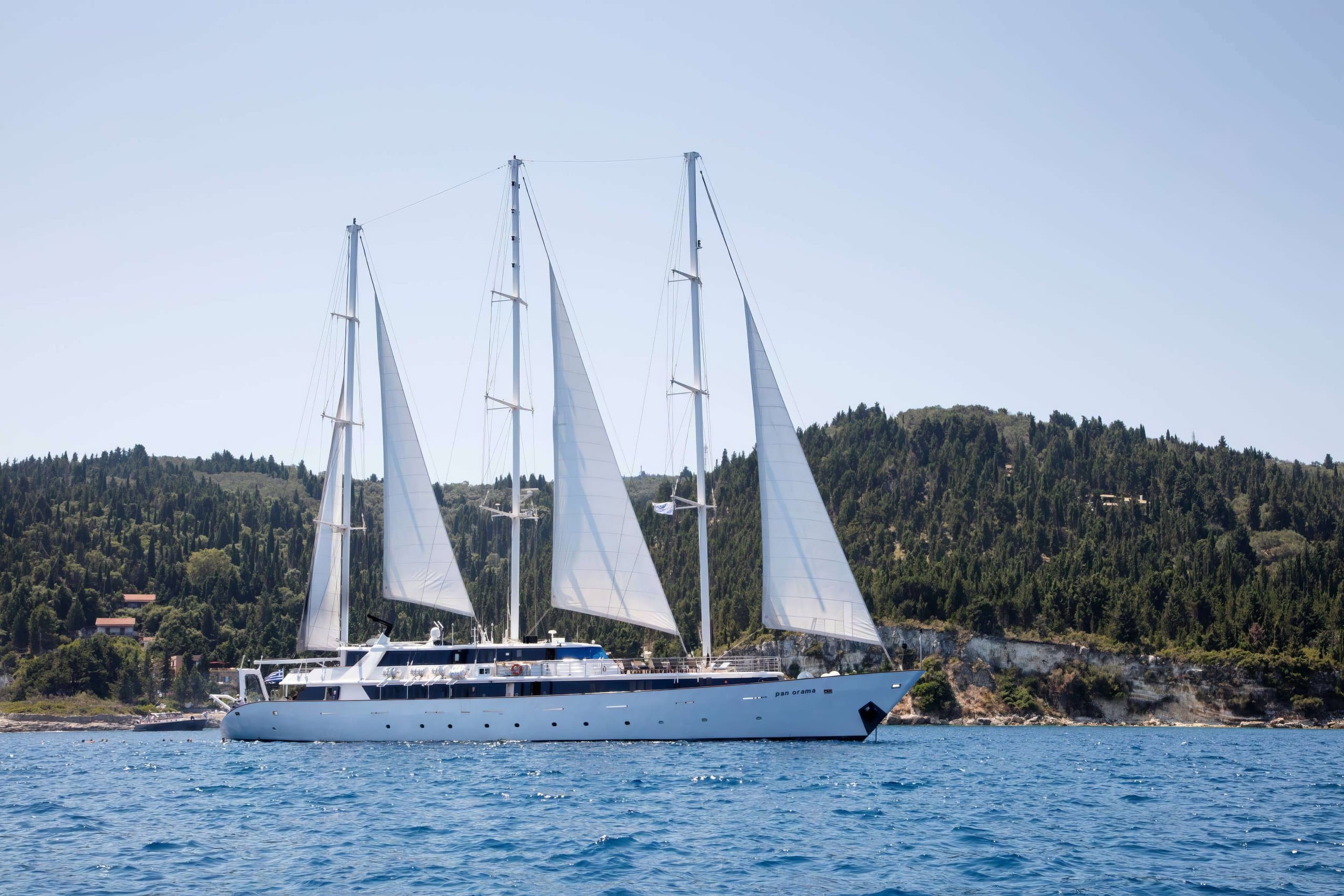
- Arriving under sail into Mandraki Harbour with the medieval Old Town rising directly from the waterfront
- Anchoring in Lindos Bay beneath the floodlit Acropolis for an unforgettable evening aboard
- Exploring the quiet southeast coast from Lardos to Gennadi, largely free of charter crowds
- Sailing conditions suited to all experience levels — sheltered eastern bays or bracing Meltemi passages on the west coast
- Full marina facilities at Rhodes Marina, including fuel, water, provisioning, and crew transfer services
- Easy positioning for onward Dodecanese cruising towards Kos, Symi, Tilos, and the Turkish coastline
The optimal window for a Rhodes yacht charter runs from early June through late September, with June and September offering the most balanced combination of warm seas, dependable winds, and manageable anchorage density. July and August bring the Meltemi in full force — particularly on the north and west coasts — which suits more experienced sailing crews but may lead charterers to favour the calmer eastern seaboard during peak summer. October extends the season for those who prefer warmer light, emptier bays, and a more contemplative pace on the water.
Rhodes gives a charter week two distinct qualities at once: historical gravity and warm-water ease. The old town is one of the Mediterranean's most substantial walled ports, while the surrounding Dodecanese offer some of the most comfortable late-season cruising in Greece. For guests who want the Aegean without the most crowded central-island circuit, Rhodes is often a smart entry point.
The southeastern position matters. Water temperatures hold later into the year, distances between islands are workable, and the route can easily incorporate Symi, Halki, Tilos, or even a Turkish coast extension where regulations allow. This creates a week that feels more exploratory and less overdetermined than a standard high-season Cyclades run.
A yacht also restores proportion to Rhodes itself. One can enjoy the old town properly, then leave its walls behind for anchorages and islands where the charter slows down again. That rhythm is what makes the area compelling.
Rhodes old town by yacht
Warm late-season cruising
Easy Dodecanese routing
Possible extension toward the Turkish Coast