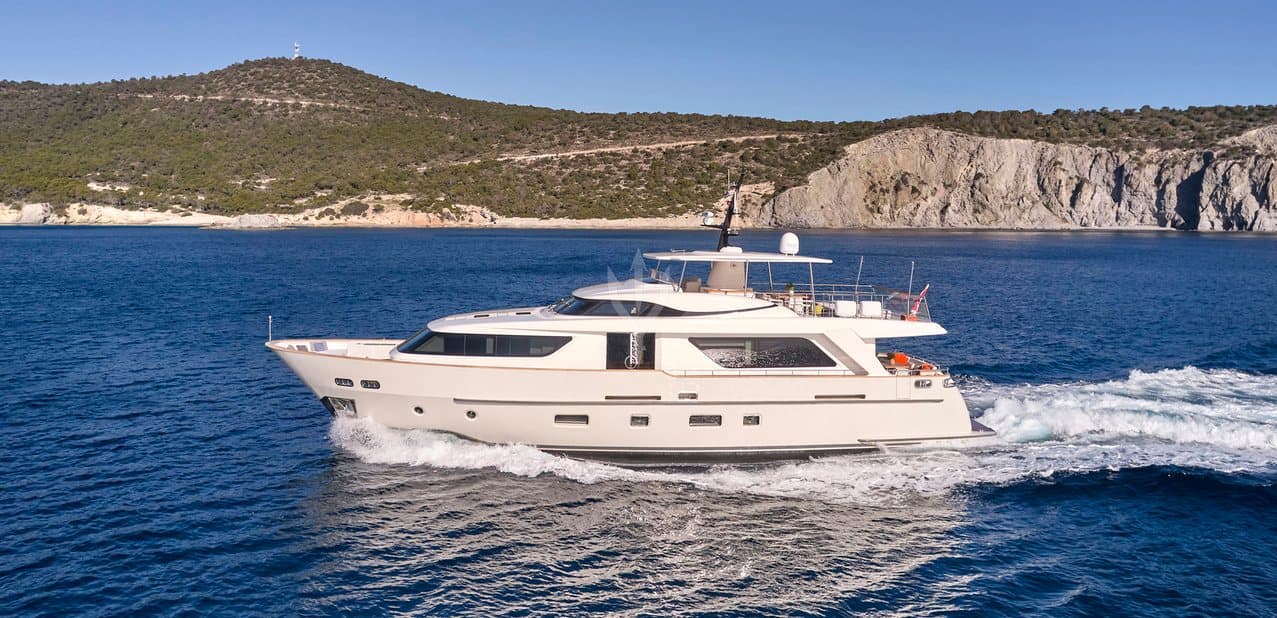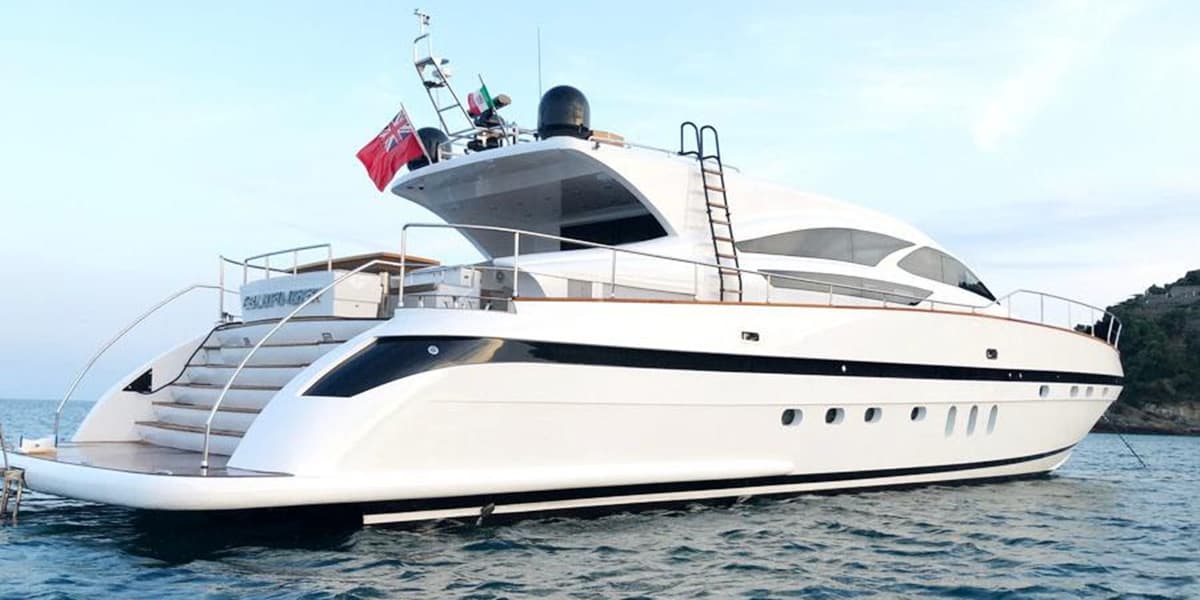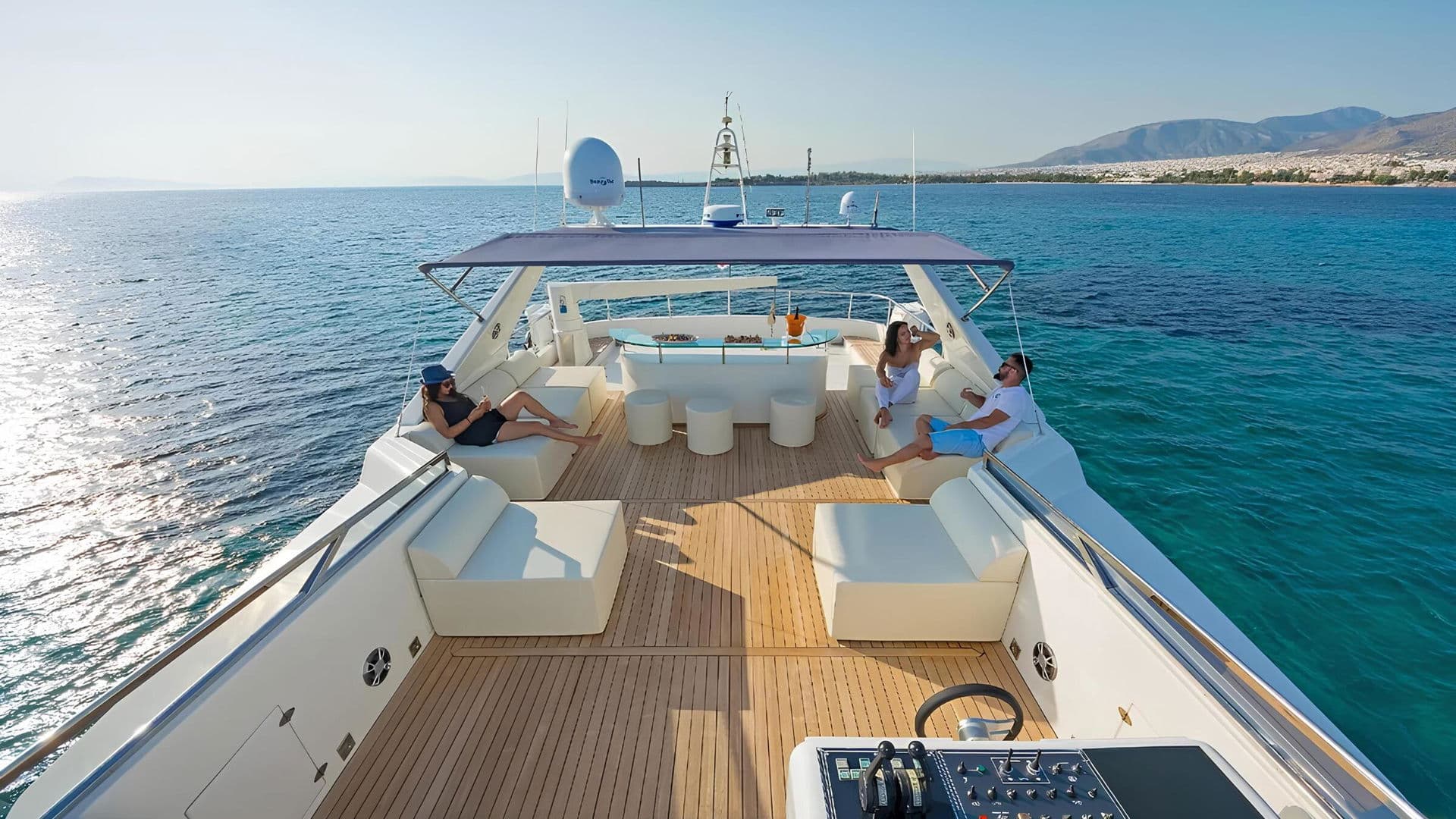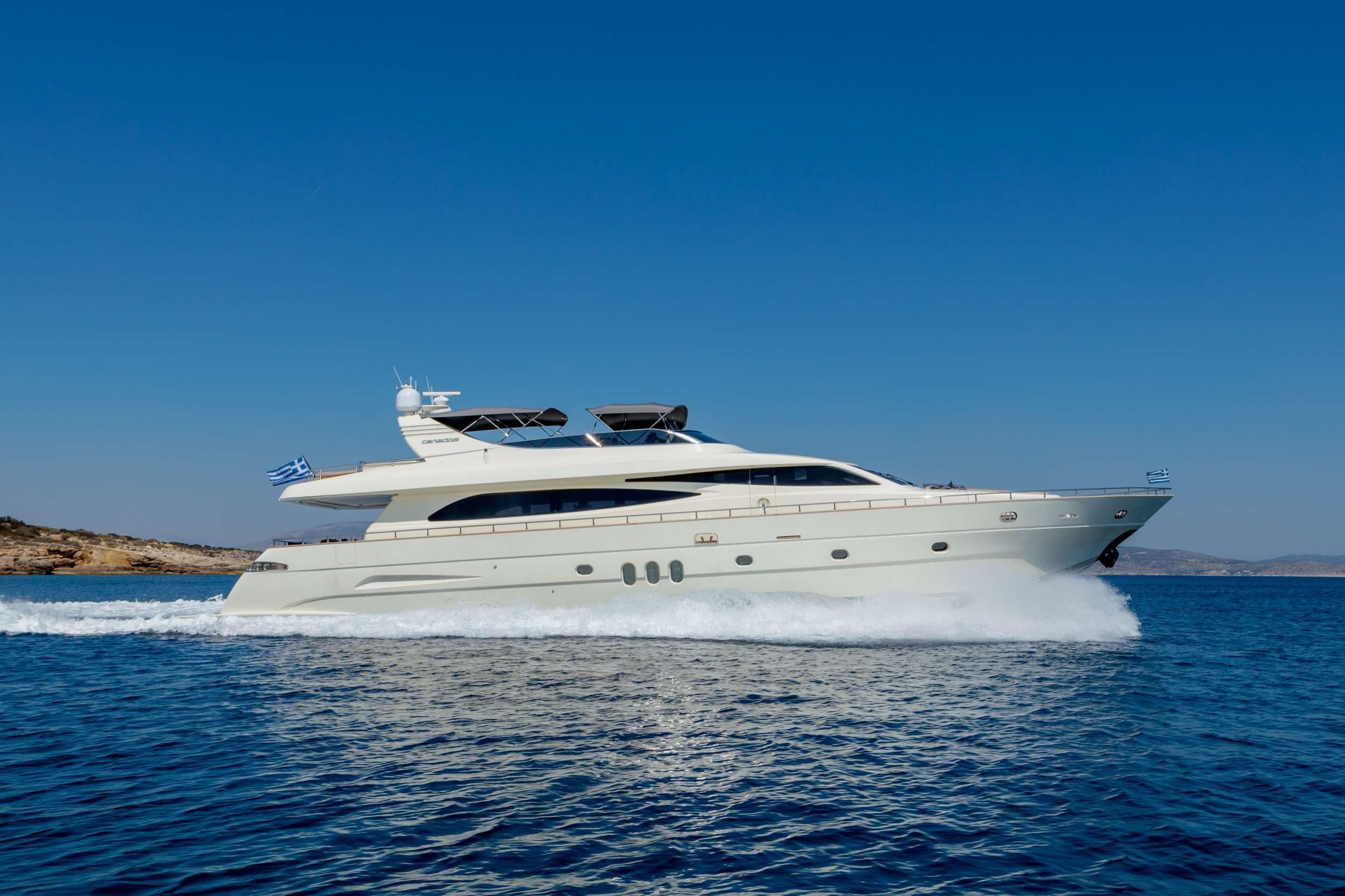
Charter in Kos: What to Expect
Kos is the third-largest island in the Dodecanese and one of the most versatile destinations in the Greek islands for yacht charter. The island's sheltered eastern coast and its proximity to a constellation of smaller islands — Kalymnos, Nisyros, Pserimos, and the Turkish coastline visible on the horizon — make it an ideal base for both week-long itineraries and extended blue-water passages. Expect a compelling contrast: a lively main harbour with waterfront tavernas and archaeological remnants steps from your berth, and within an hour's sailing, an almost total absence of crowds. Charter guests frequently remark that Kos rewards the unhurried navigator — the kind who anchors for lunch and stays for sunset.
Anchorages & Highlights
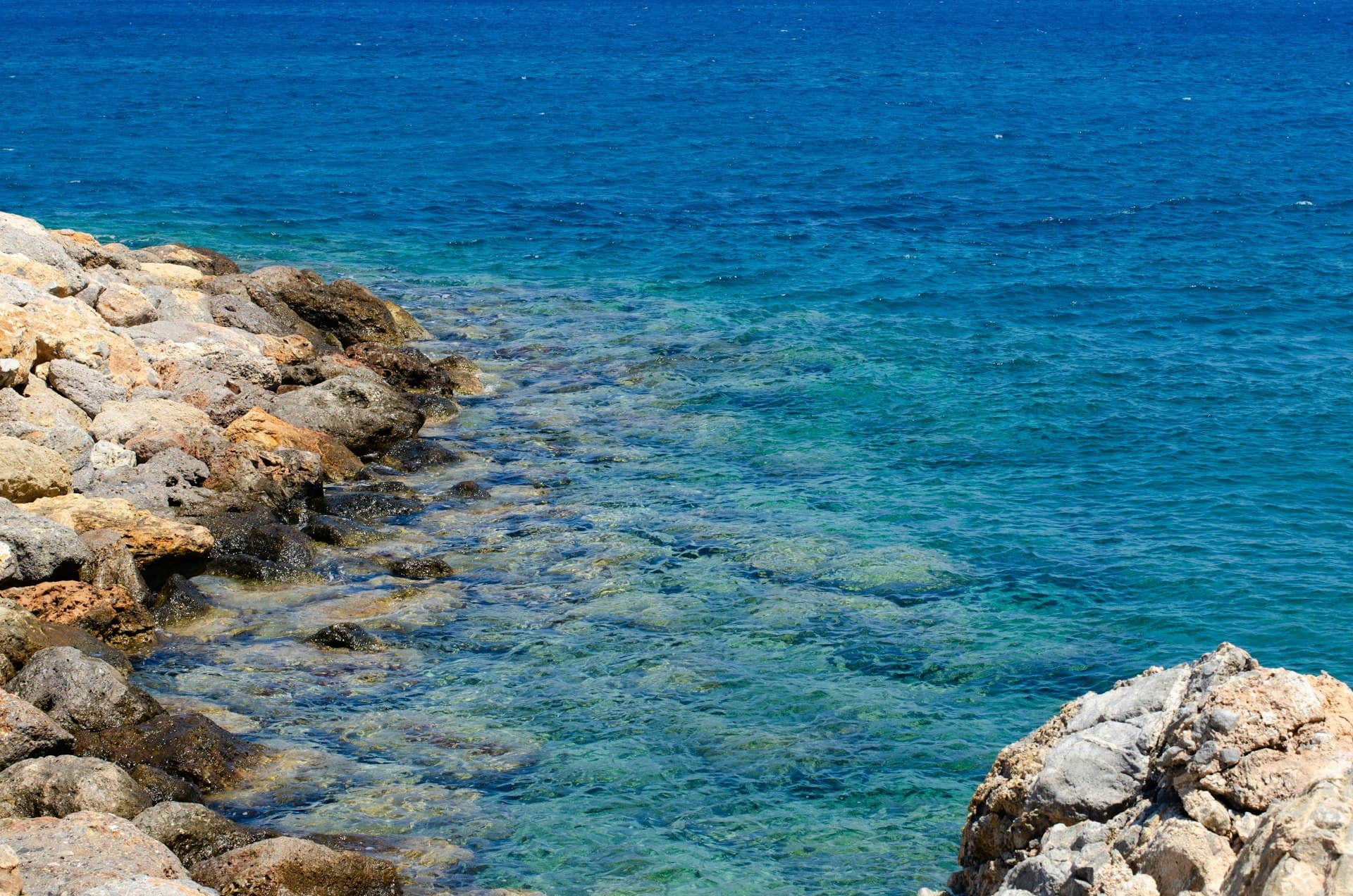
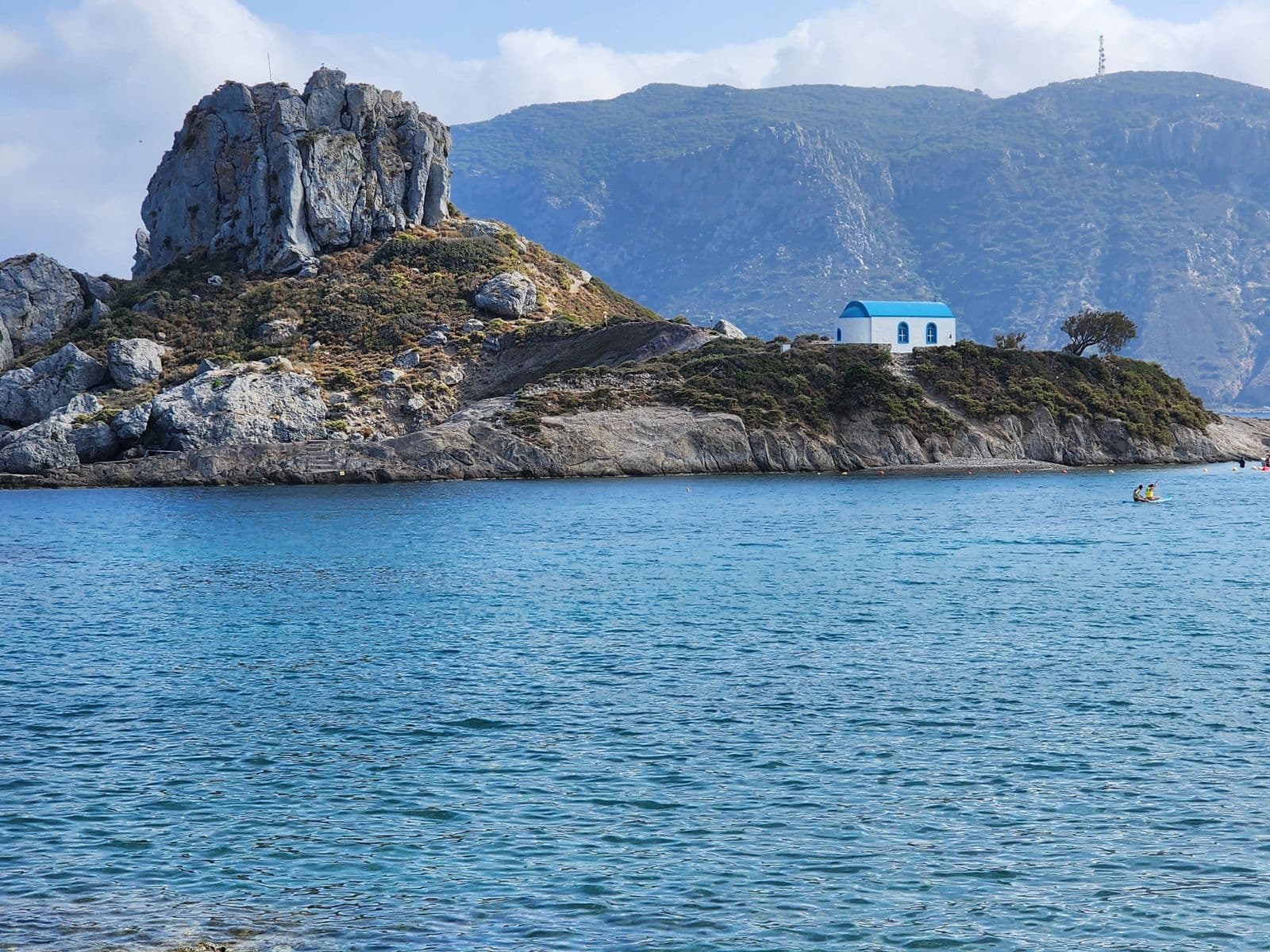
Kos Town Marina serves as the natural departure and return point for most charter itineraries, offering full provisioning, reliable fuel, and shore power. From here, the cruising options diversify immediately. Agios Stefanos Bay on the south-western tip shelters the haunting ruins of two early Christian basilicas and offers holding ground in sand with gin-clear water overhead. Kefalos Bay, stretching several miles along the south-west coast, contains multiple anchorages including the popular islet of Kastri, crowned by a small whitewashed chapel — one of the most photographed compositions in the Dodecanese.
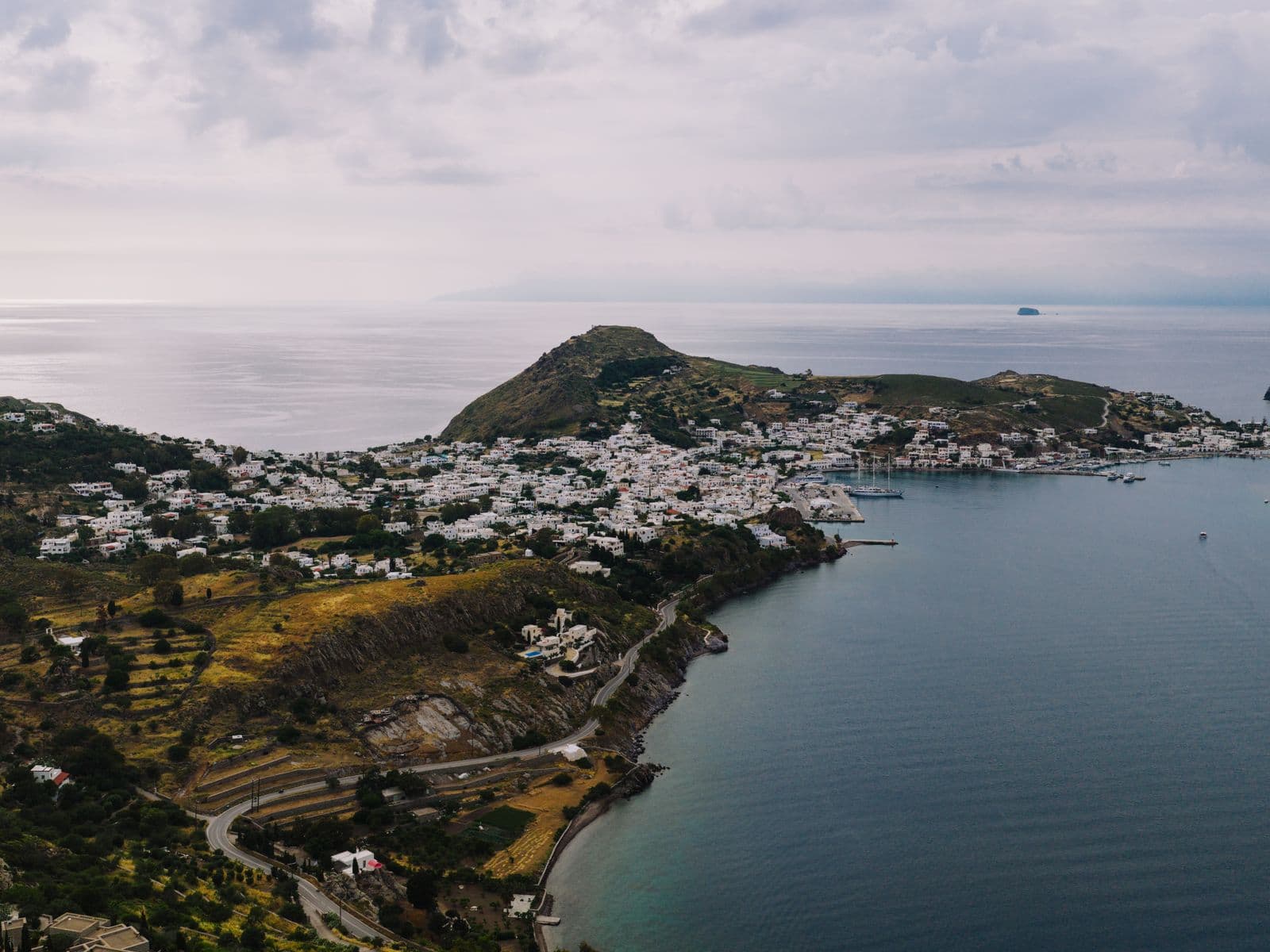
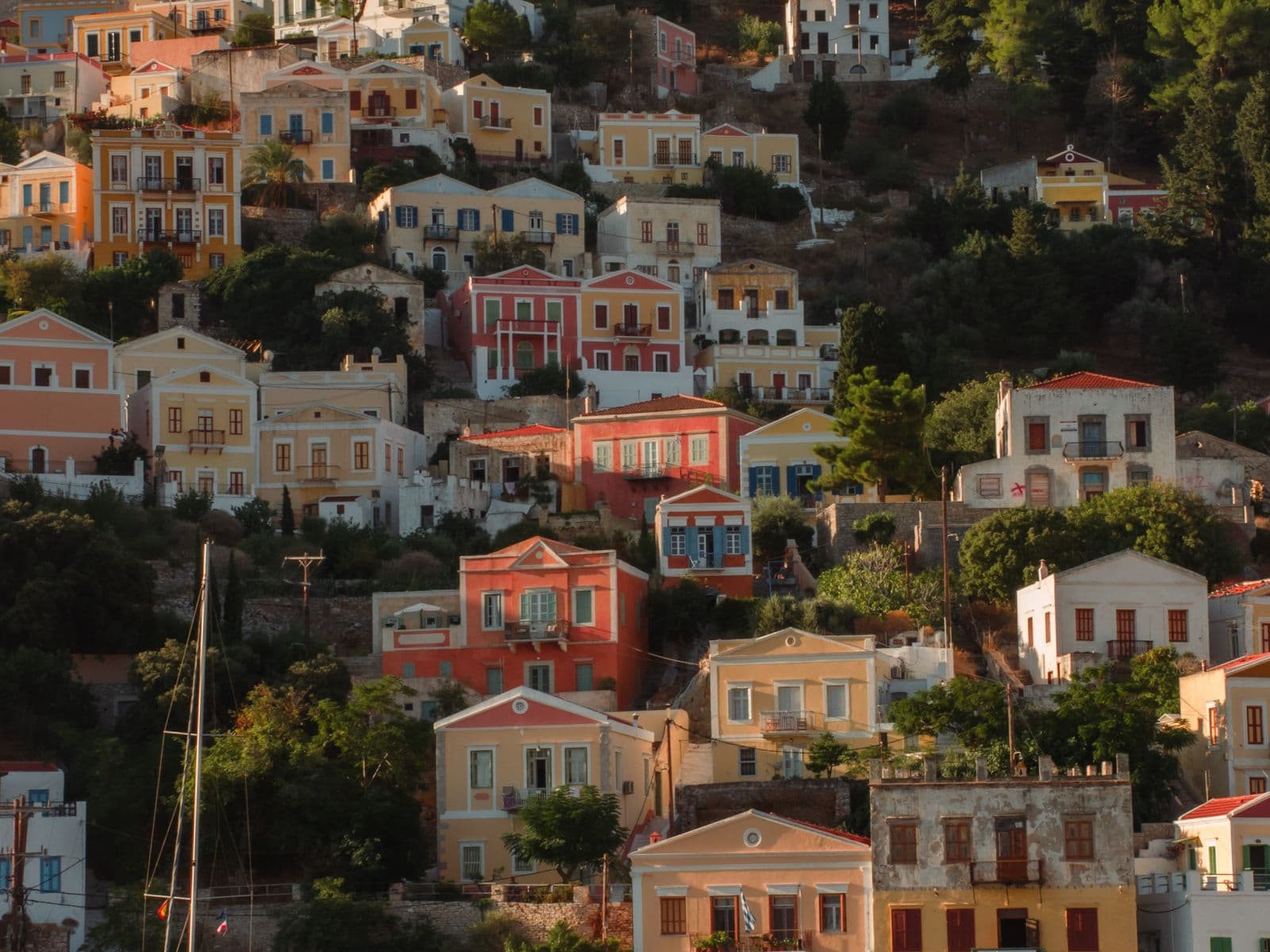
North of Kos Town, the narrow strait separating the island from Kalymnos opens up a day-sail to the dramatic sponge-diving port of Pothia, where colourful neoclassical mansions climb the hillside above a working quay. The volcanic island of Nisyros, an hour's sail to the south-west, warrants an overnight stay: anchor in Mandraki harbour, walk the caldera at dawn before the excursion boats arrive, and return aboard before the afternoon meltemi builds. Pserimos, tiny and almost entirely undeveloped, provides a near-perfect lunchtime anchorage in its main bay when approaching from the north.
Best Time to Charter in Kos
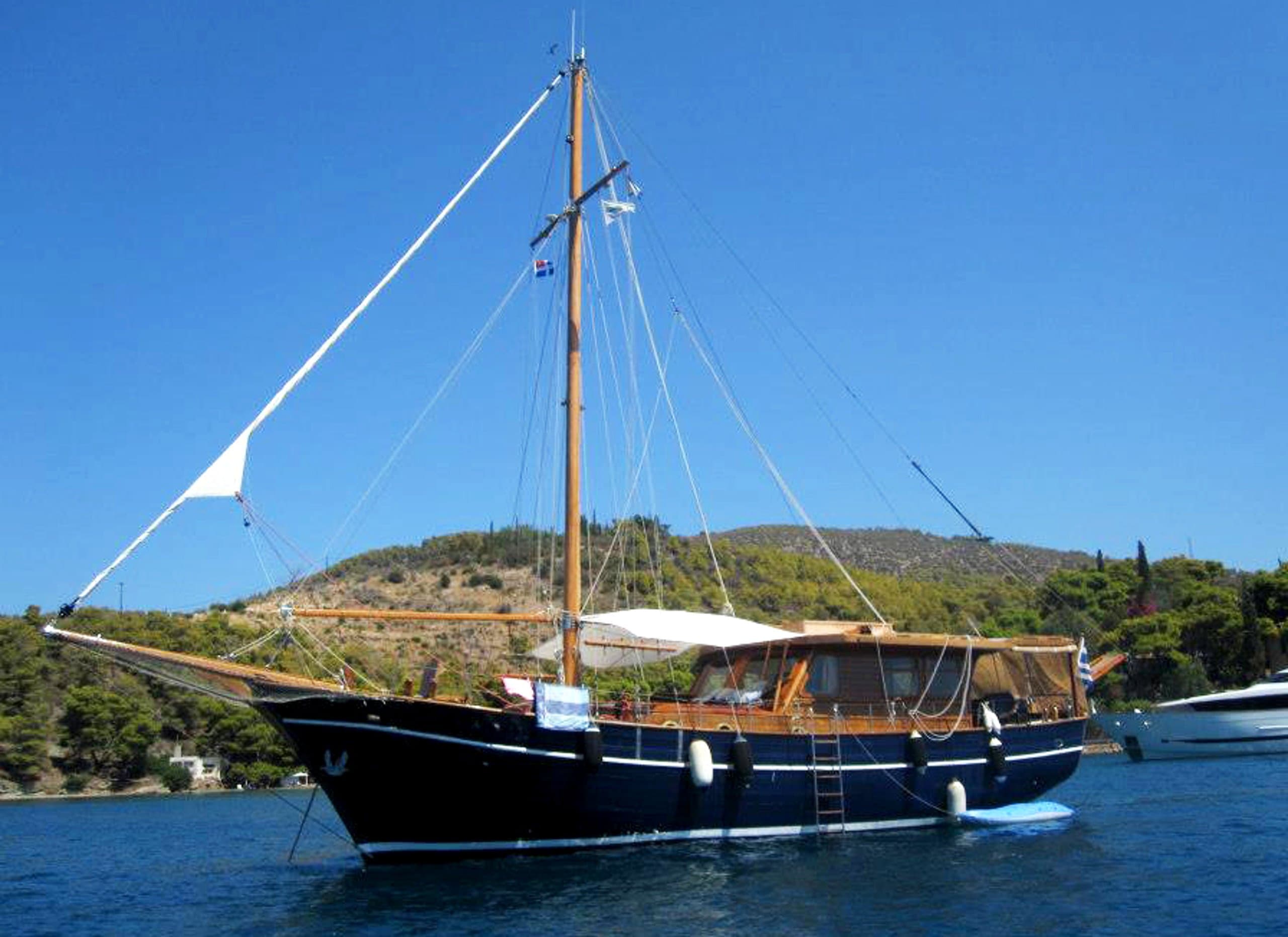
The optimal charter window runs from late May through to mid-October, with June and September offering the most balanced conditions — moderate meltemi winds, warm sea temperatures, and considerably thinner crowds than peak July and August. For guests new to Aegean sailing, early June is particularly recommended: settled weather, full services open, and the island at its most genuinely tranquil. Aris Drivas Yachting has been advising clients on Dodecanese itineraries since 1972 and can tailor departure dates and route planning around your crew's experience level and preferred pace, whether you are booking a bareboat charter or a fully crewed yacht.
Getting There
Kos Island International Airport (KGS) operates direct scheduled and charter flights from major European cities throughout the season, making crew logistics straightforward. Ferry connections to Piraeus and Rhodes provide alternatives for those combining a yacht charter with wider island travel. For clients flying into Athens, positioning the yacht from Piraeus to Kos via the Cyclades is a popular opening passage — one that ADY's team can incorporate seamlessly into a two-week itinerary.
If you are ready to explore the Dodecanese aboard your own vessel, contact our team to receive a tailored charter proposal for Kos and the surrounding islands.
- Kastri islet anchorage in Kefalos Bay — sand bottom, chapel backdrop, outstanding snorkelling
- Overnight stop in Nisyros's Mandraki harbour with early-morning caldera access before excursion crowds
- Kos Town Marina: full provisioning, fuel, and shore power within walking distance of ancient ruins
- Day-sail to Pothia, Kalymnos — a working sponge-fishing port with authentic waterfront dining
- Agios Stefanos Bay: early Christian basilica ruins directly above a protected sandy anchorage
- Pserimos island lunchtime stop — largely undeveloped, clear water, fewer than 100 permanent residents
Late May through mid-October represents the full charter season in Kos, though June and September consistently deliver the most favourable combination of stable winds, warm seas, and manageable visitor numbers. July and August bring the classic Aegean meltemi — a north-northwesterly that can strengthen to force 5–6 in the afternoons — ideal for experienced sailors seeking exhilarating downwind passages but best treated with care by less seasoned crews. For those prioritising calm anchorages, relaxed exploration, and the islands at their most authentic, a September departure is the recommendation of choice.
Kos is the third-largest island of the Dodecanese and one of the most historically significant in Greece. Hippocrates, the father of medicine, was born here in 460 BC, and the Asklepion — the ancient healing sanctuary on the hillside above Kos Town — remains one of the most evocative archaeological sites in the Aegean.
The island is flatter than most Greek islands, with long sandy beaches stretching along the south coast and a fertile interior of citrus groves and farmland. Kos Town has a lively harbour, a well-preserved Italian-era quarter, and an ancient agora that sits casually in the town centre alongside cafes and shops.
By yacht, Kos is a convenient hub for the central Dodecanese. Nisyros (the volcanic island), Kalymnos (the island of sponge divers), and the Turkish coast at Bodrum are all within easy reach. The harbour at Kos Town offers good mooring facilities, and the south-coast beaches provide anchorage in settled conditions.
Asklepion — ancient healing sanctuary of Hippocrates
Long sandy beaches on the south coast
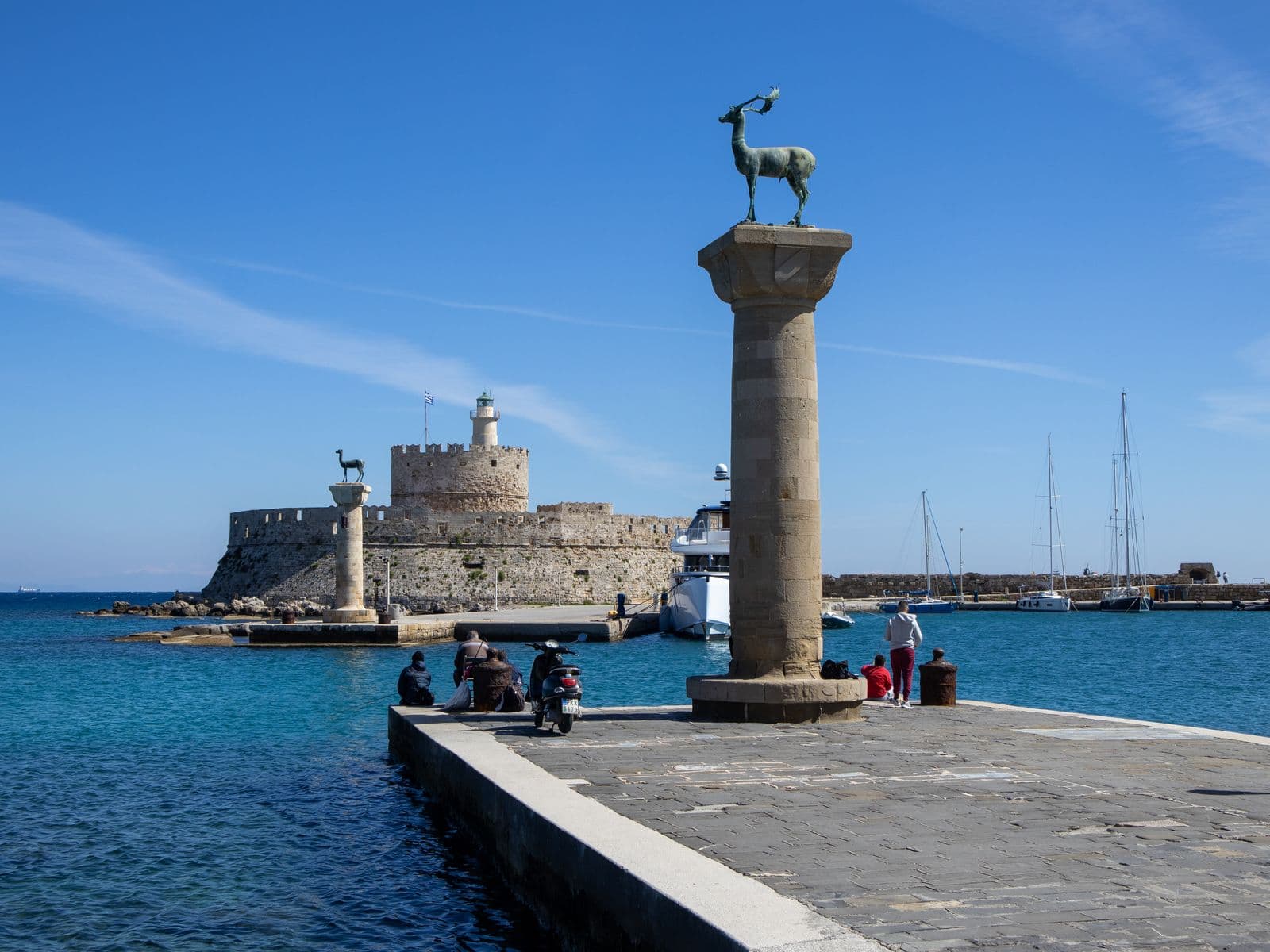
Lively harbour town with ancient agora and Italian quarter
10 nm to Bodrum — easy Turkey crossing
International airport for direct Dodecanese access
Volcanic Nisyros within a half-day sail