No cars, no airport, no high-rises. Hydra remains one of the most singular islands in the Mediterranean — a place best approached by yacht and best understood on foot.
Hydra is an anomaly. No cars, no airport, no motorbikes, no high-rises. The only motorised vehicles on the island are the rubbish trucks and a single ambulance. Everything else moves by foot, by donkey, or by sea. In a Mediterranean increasingly shaped by tourism infrastructure, Hydra has chosen — or perhaps simply refused to abandon — a different path.
Arriving by Yacht
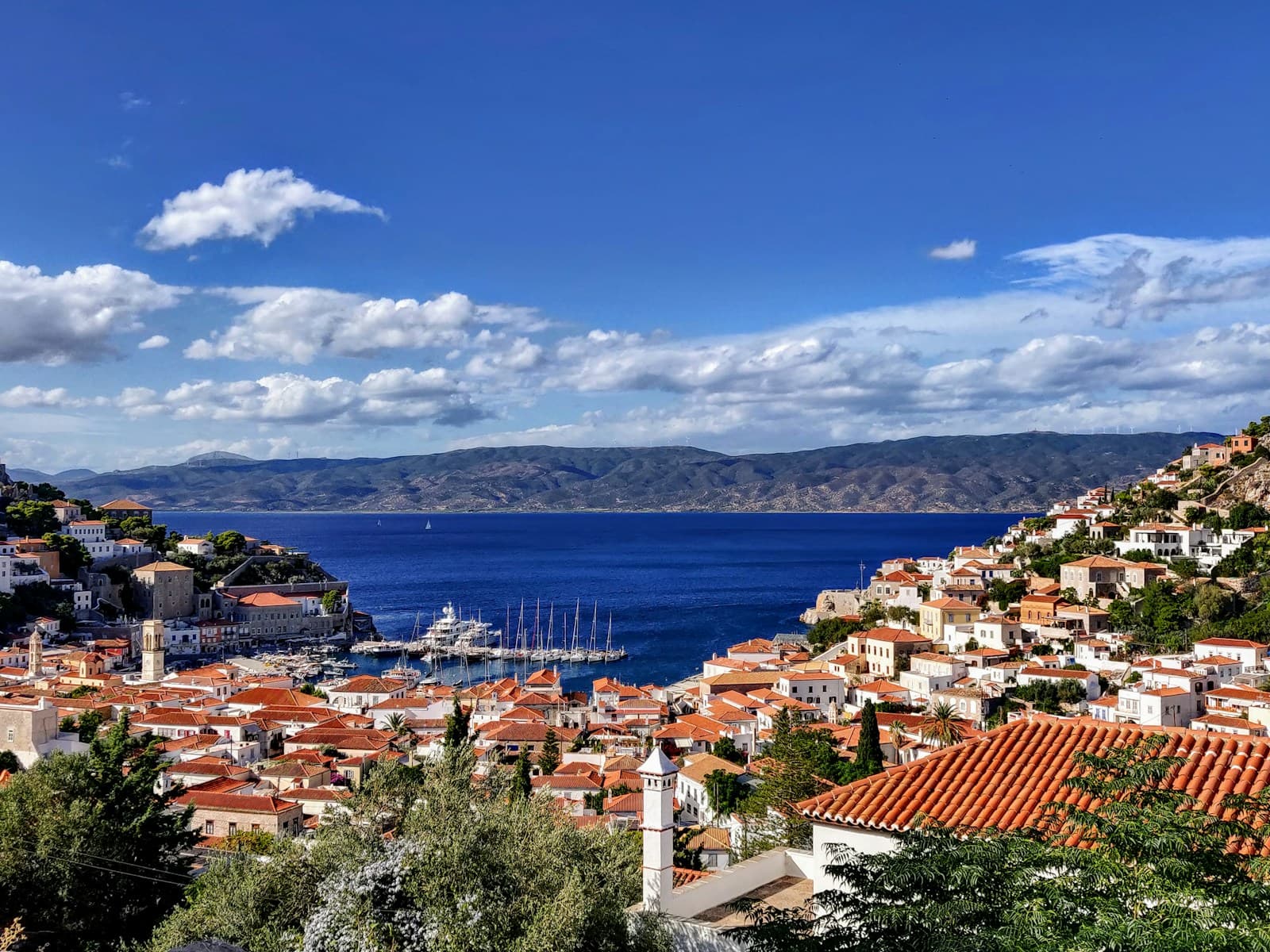
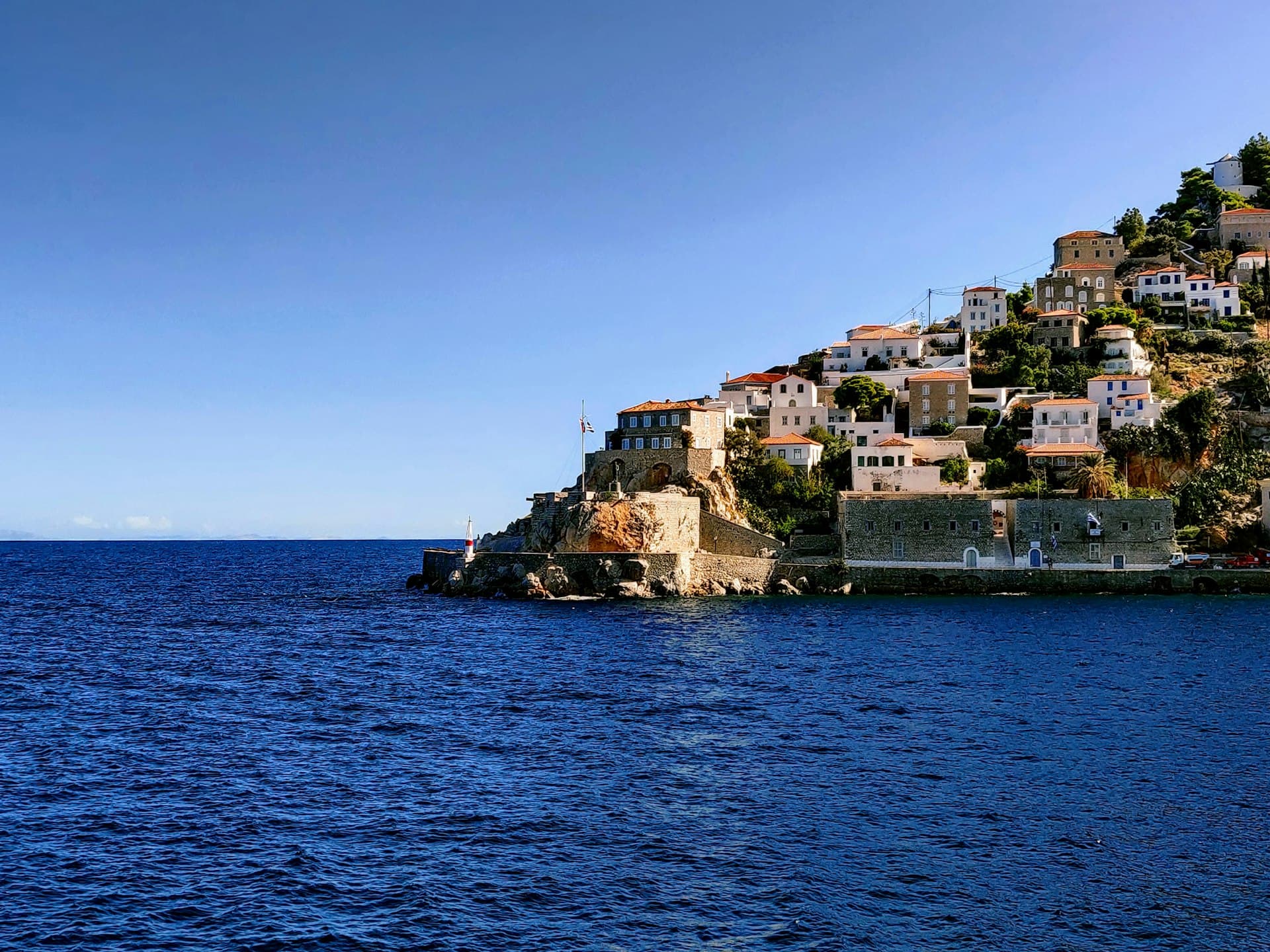
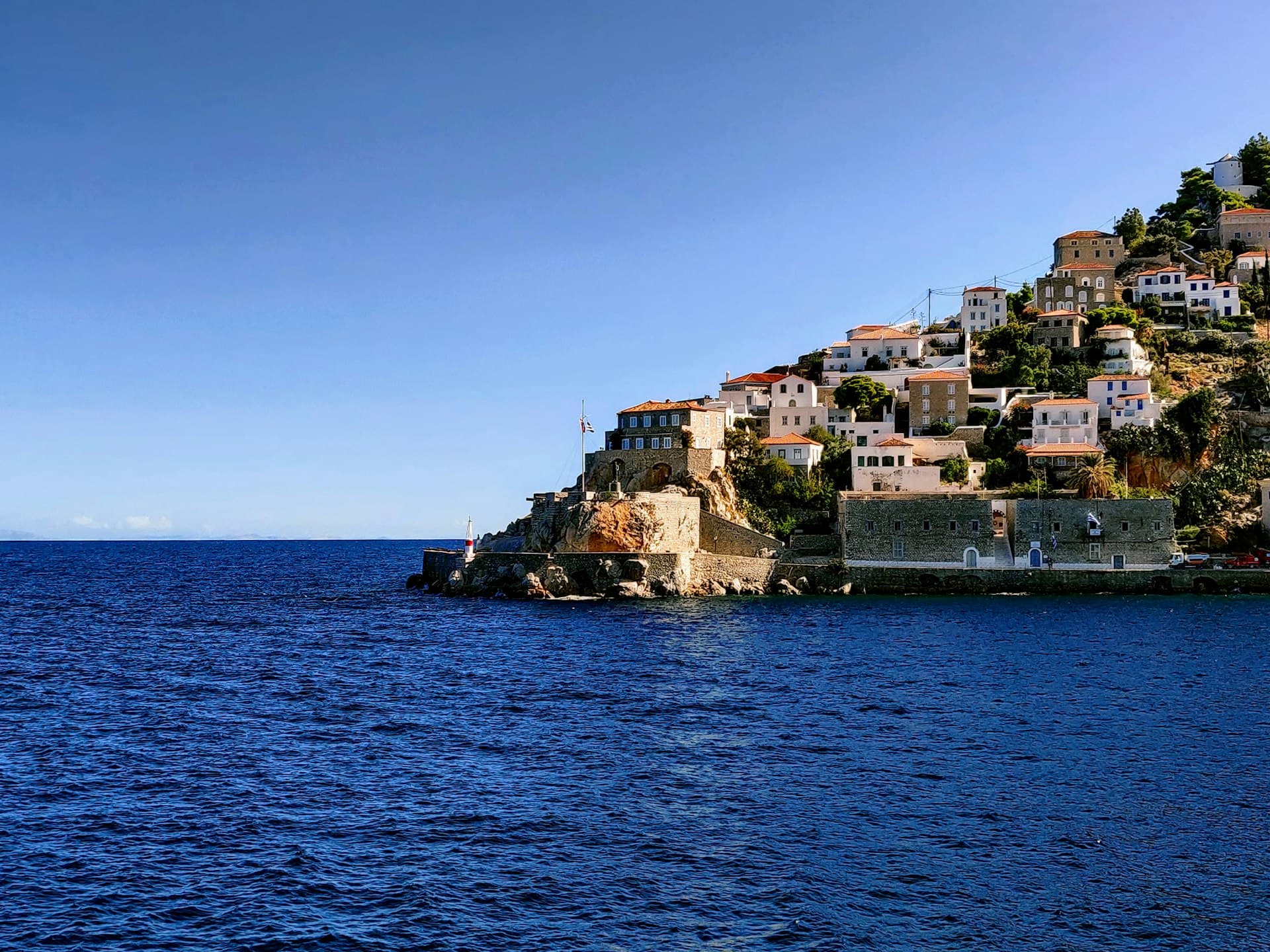
The approach to Hydra's harbour is one of the great arrivals in the Aegean. The town rises steeply from the water in a natural amphitheatre of grey stone and terracotta, punctuated by the domes of churches and the dark spears of cypress trees. The harbour itself is small, horseshoe-shaped, and busy with wooden fishing boats, water taxis, and the occasional superyacht that has timed its visit to secure a stern-to berth on the inner quay.
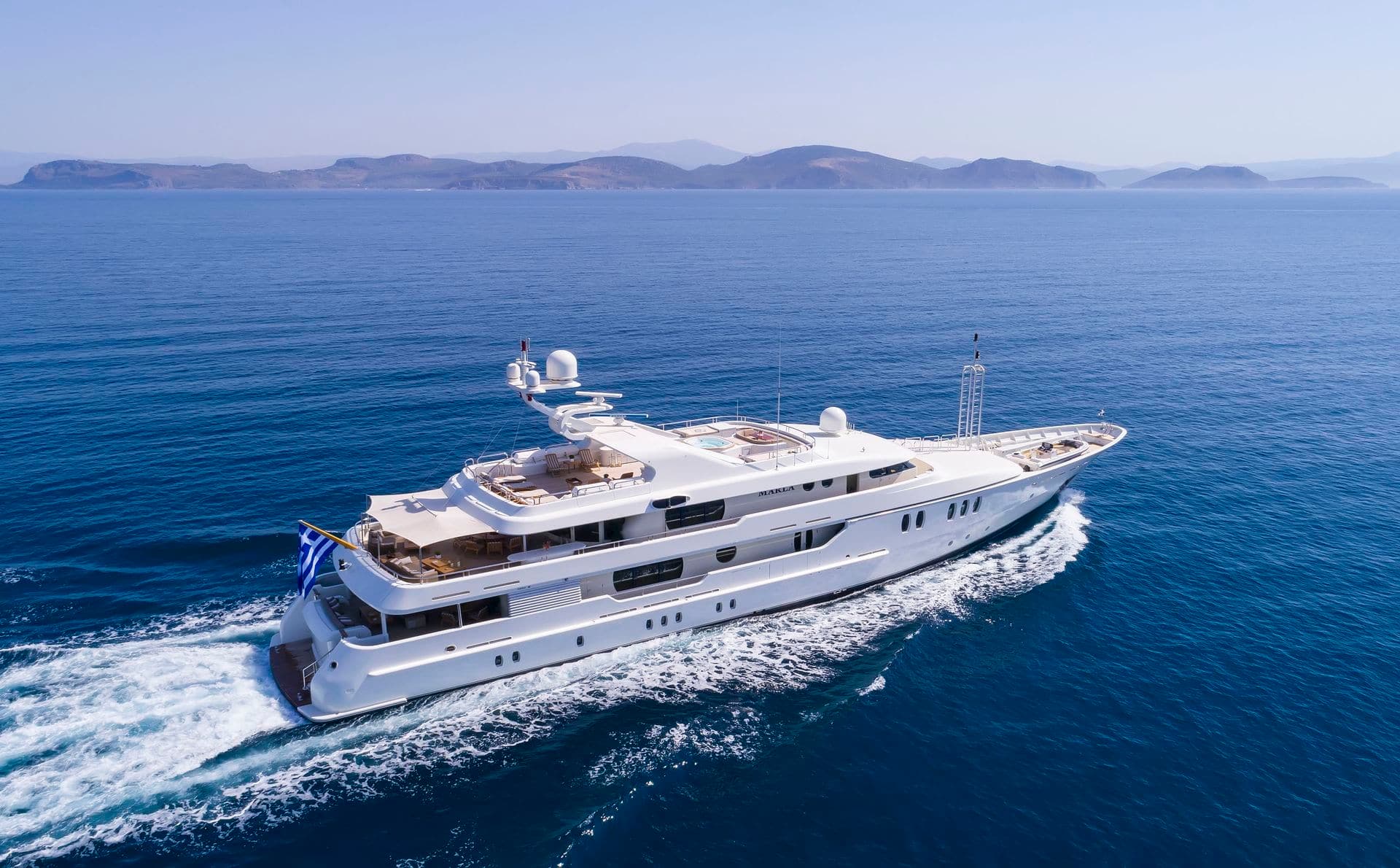
Berthing in the harbour is possible for yachts up to approximately 50 metres, but space is limited and reservation is advisable in July and August. Larger yachts typically anchor in the deeper water outside the harbour entrance, with tender access to the town quay.
On Shore
The town of Hydra is a labyrinth of narrow stone lanes, steep staircases, and hidden squares. There are no street names, no maps worth following, and no particular reason to navigate efficiently. The pleasure is in getting lost.
The architecture is remarkably consistent — grey stone, wooden shutters, bougainvillea. The grand mansions along the harbour waterfront were built by shipping magnates in the 18th and 19th centuries, when Hydra's merchant fleet was one of the largest in Greece. Several have been converted to museums and galleries.
Where to Eat
Hydra's restaurants are concentrated along the harbour and in the lanes immediately behind it. The cooking is straightforward — grilled fish, salads, slow-cooked dishes — but the quality of ingredients and the absence of mass tourism mean that even a simple lunch can be memorable. The captains in ADY's fleet will have their own recommendations, which tend to be more reliable than any guidebook.
The Interior
Most visitors never leave the harbour area, which is a missed opportunity. A 30-minute walk uphill leads to the monastery of Profitis Ilias, with views across the Saronic Gulf to the Peloponnese. The path continues to the village of Kamini, where a small pebble beach and a single taverna make a pleasant afternoon stop. Further along the coast, Vlychos has a quieter beach and deeper water for swimming from the yacht.
Why Hydra Endures
The island's car ban was not imposed by decree — it is a consequence of geography. The streets are too narrow, the hills too steep, the harbour too small. What began as a limitation has become Hydra's defining quality. The silence is remarkable. You hear footsteps, conversation, the lapping of water against stone. After a few hours, the noise of the modern world begins to feel very far away.
After a few hours on Hydra, the noise of the modern world begins to feel very far away.