The Maldives spans 1,192 coral islands across 26 atolls and 90,000 square kilometres of ocean — a geography that rewards a yacht far more than a fixed resort address. The northeast monsoon window, November to April, delivers calm seas, 26–29°C water temperatures, and visibility reaching 30 metres. W
The Maldives by Private Yacht
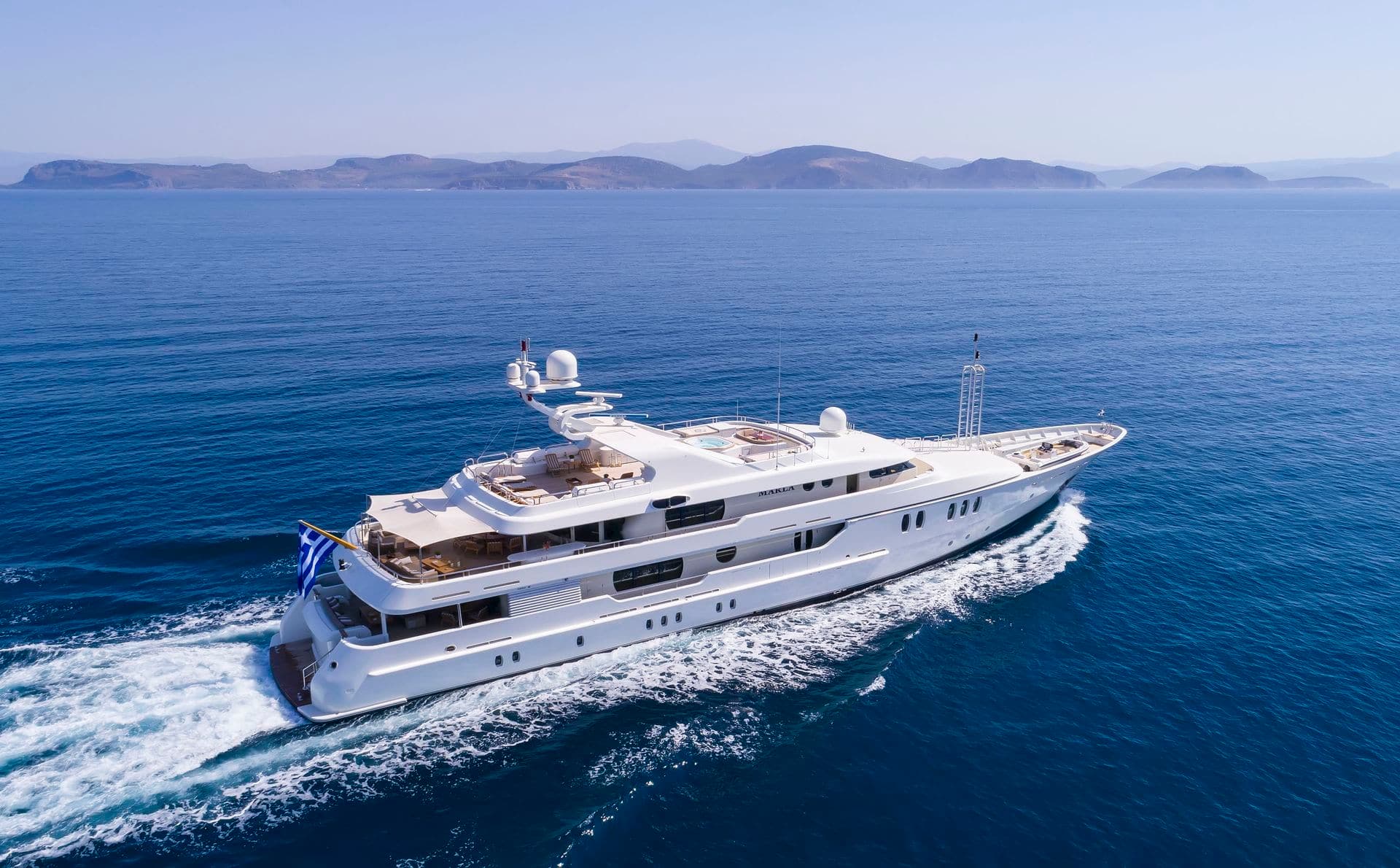
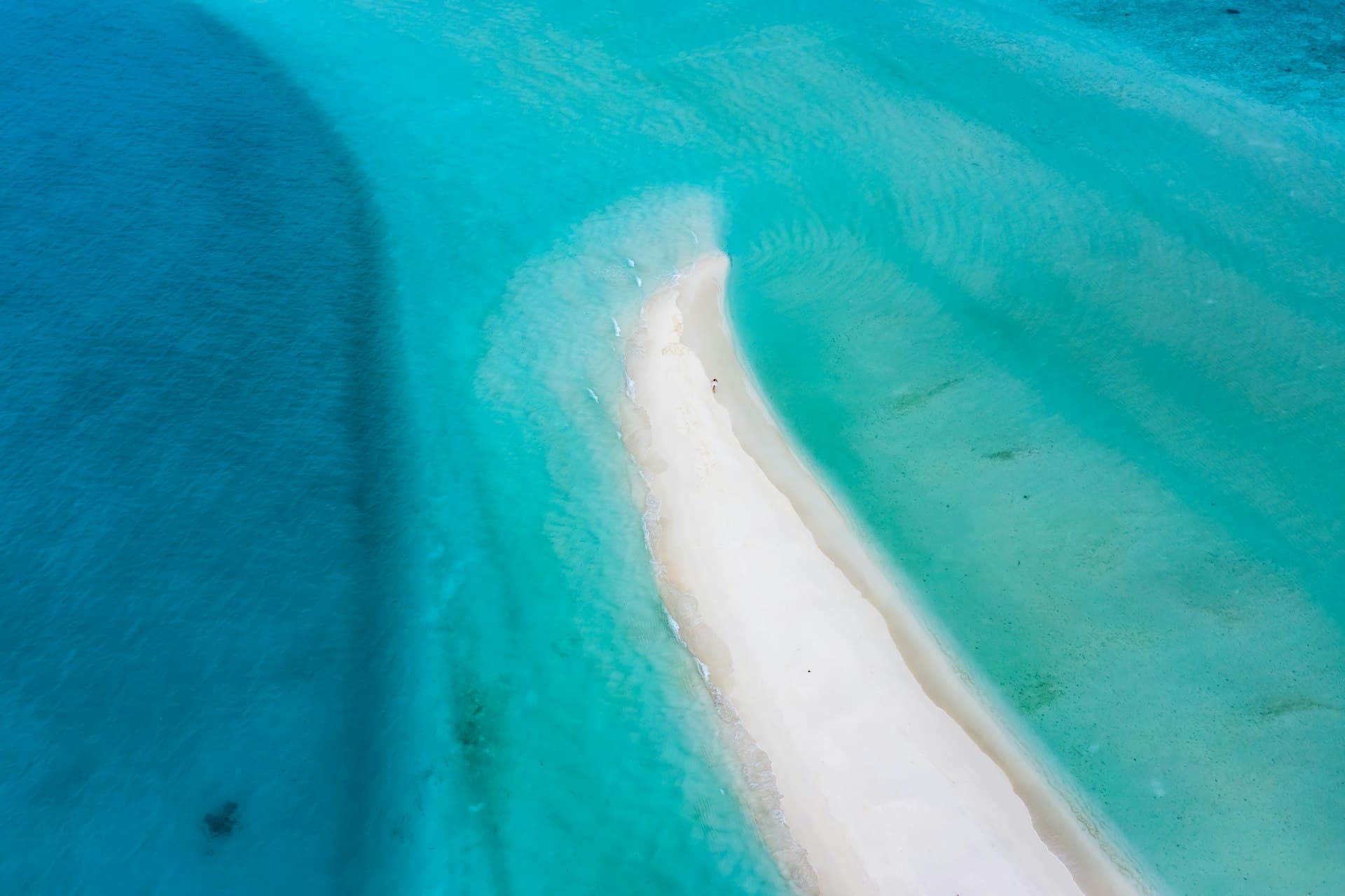
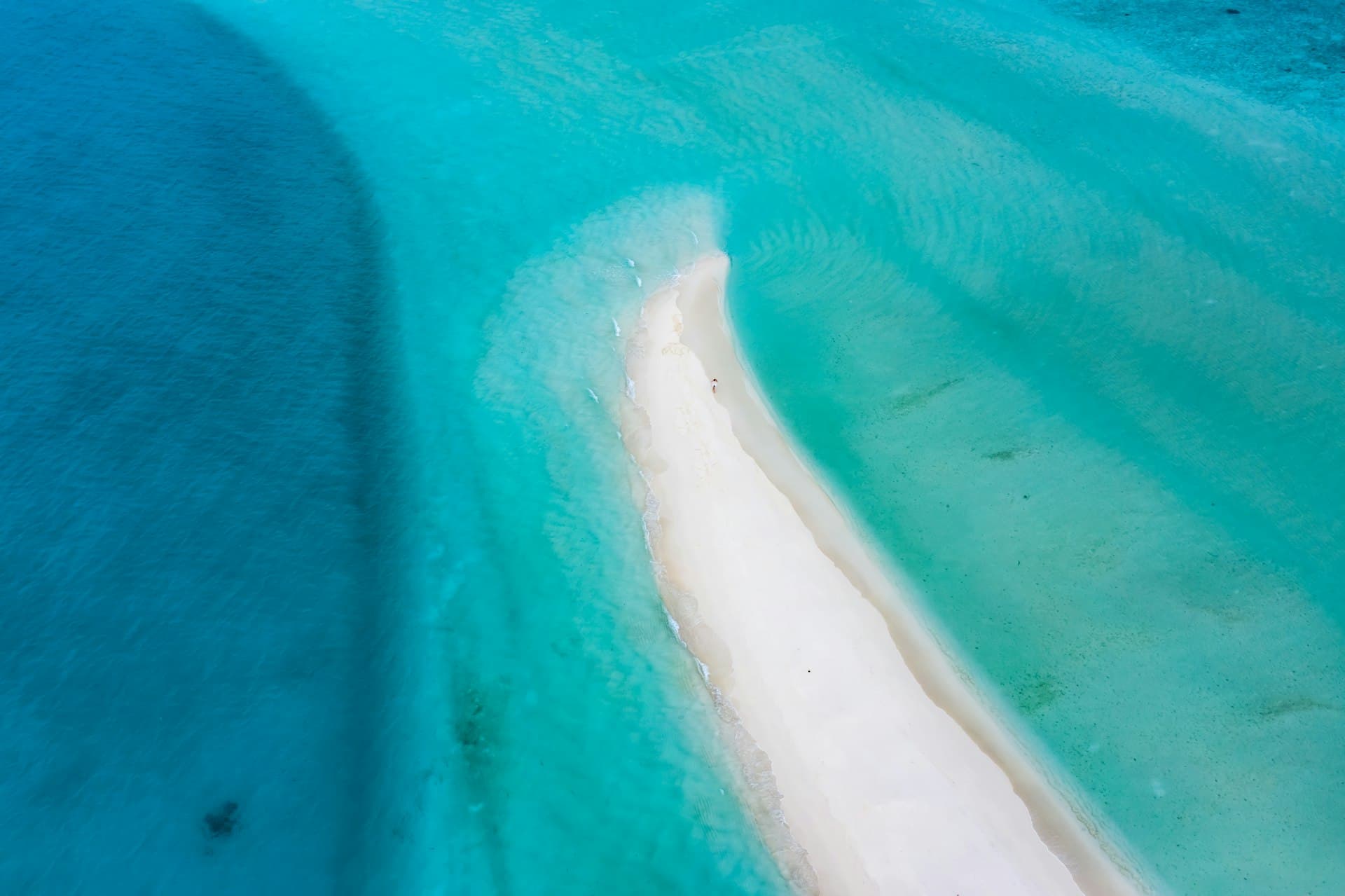
The Maldives spans 1,192 coral islands across 26 atolls and 90,000 square kilometres of Indian Ocean. For anyone arriving by resort transfer — the 25-minute seaplane, the one-island address — the experience is deliberately contained. A private yacht changes the geometry entirely. You can cover 200 nautical miles in a day, anchor off an uninhabited sandbank at dusk, and be in a UNESCO Biosphere Reserve the following morning. The islands remain the same; only the perspective shifts.
The Season
The Maldives operates on two monsoons. The northeast monsoon (locally iruvai) runs from late November through April. This is the principal charter season: consistent light winds from the northeast, seas under one metre across most atolls, air temperatures around 28–30°C, and water temperatures between 26°C and 29°C. Surface visibility in the water reaches 20–30 metres during this period.
The southwest monsoon (hulhangu) arrives from May and dominates through October. Conditions are wetter and windier, particularly in the open channels between atolls, but the season has its own value: plankton blooms triggered by the southwest swell concentrate in funnel-shaped bays, drawing manta rays and whale sharks in numbers that do not occur during the dry season. Charter operators willing to plan around the weather can make the most of both windows. A 14-night itinerary in August timed to Baa Atoll will look very different from a December itinerary to the central atolls — and that difference is worth discussing with your broker before committing to dates.
The Atolls
Permits and Formalities
Foreign private yachts are required to clear customs and immigration at Malé on entry. A Cruising Permit from the Ministry of Tourism must be obtained either before arrival or within four days of receiving inward clearance. Permits are initially granted for 90 days and can be extended to a maximum of 275 days, provided safety and compliance requirements are met. For vessels of 100 gross tonnage or above, the permit fee is USD 1,000; smaller vessels are currently exempt. Extension fees run at USD 100 per day (100 GT and above) or USD 50 per day (below 100 GT).
Certain atolls and marine parks carry additional protected status requiring separate authorisation before entry. Your charter broker or local handling agent should map these restrictions against your itinerary before departure. Navigation within the atolls is straightforward in settled weather; channels between atolls can carry strong tidal streams and should be transited with current planning in mind.
Charters in the Maldives are structured on MYBA E-Contract terms. The Tourism Goods and Services Tax (TGST) applies at 17% (as of July 2025). Advance Provisioning Allowance (APA) is typically set at 35–40% of the charter fee and covers fuel, food and beverages, port clearance fees, marine park permits, and guest excursions. Because fuel and provisioning outside Malé carry a significant logistics premium, APA estimates should reflect the full planned range of the itinerary.
What a Yacht Offers That a Resort Cannot
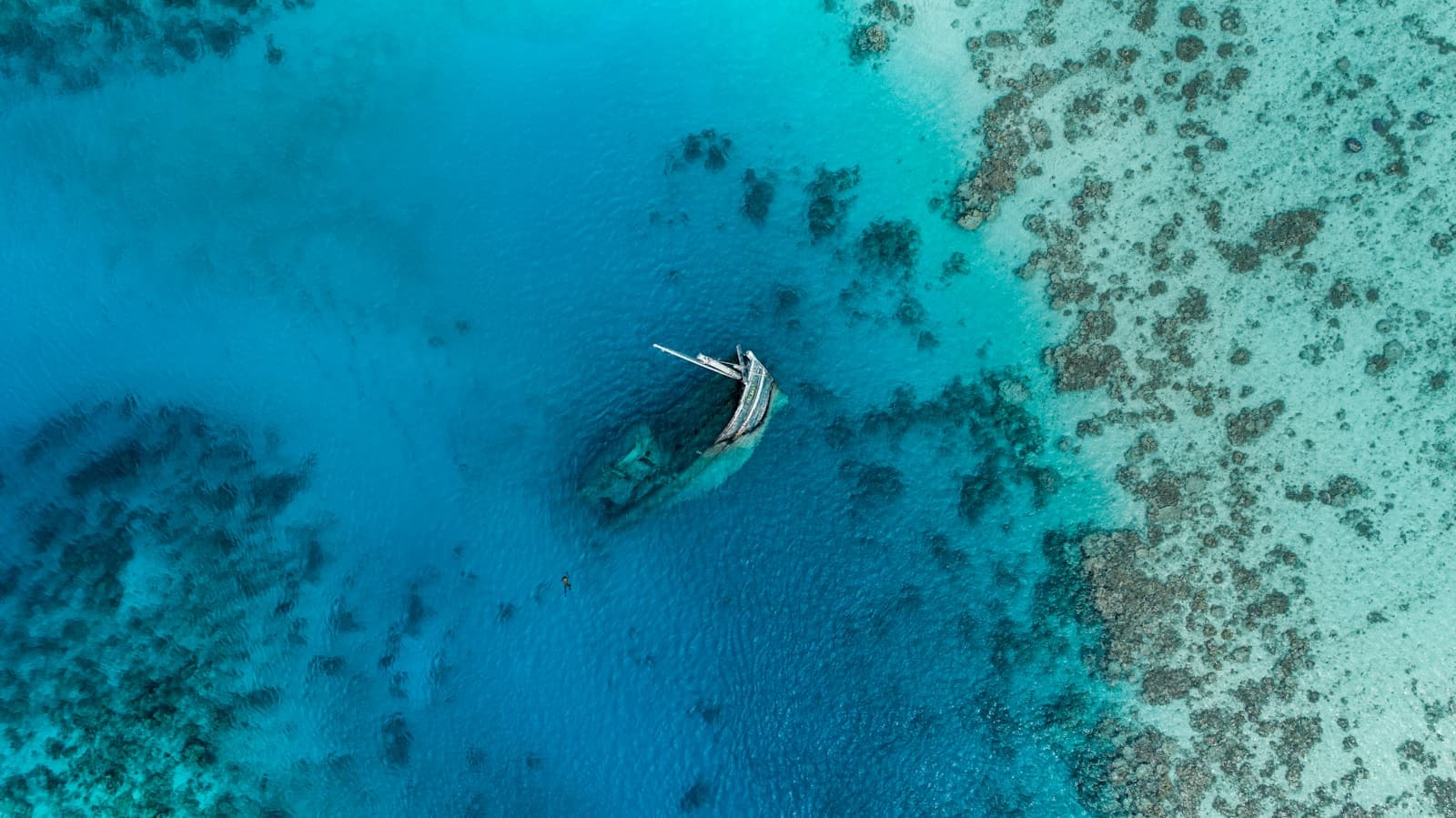
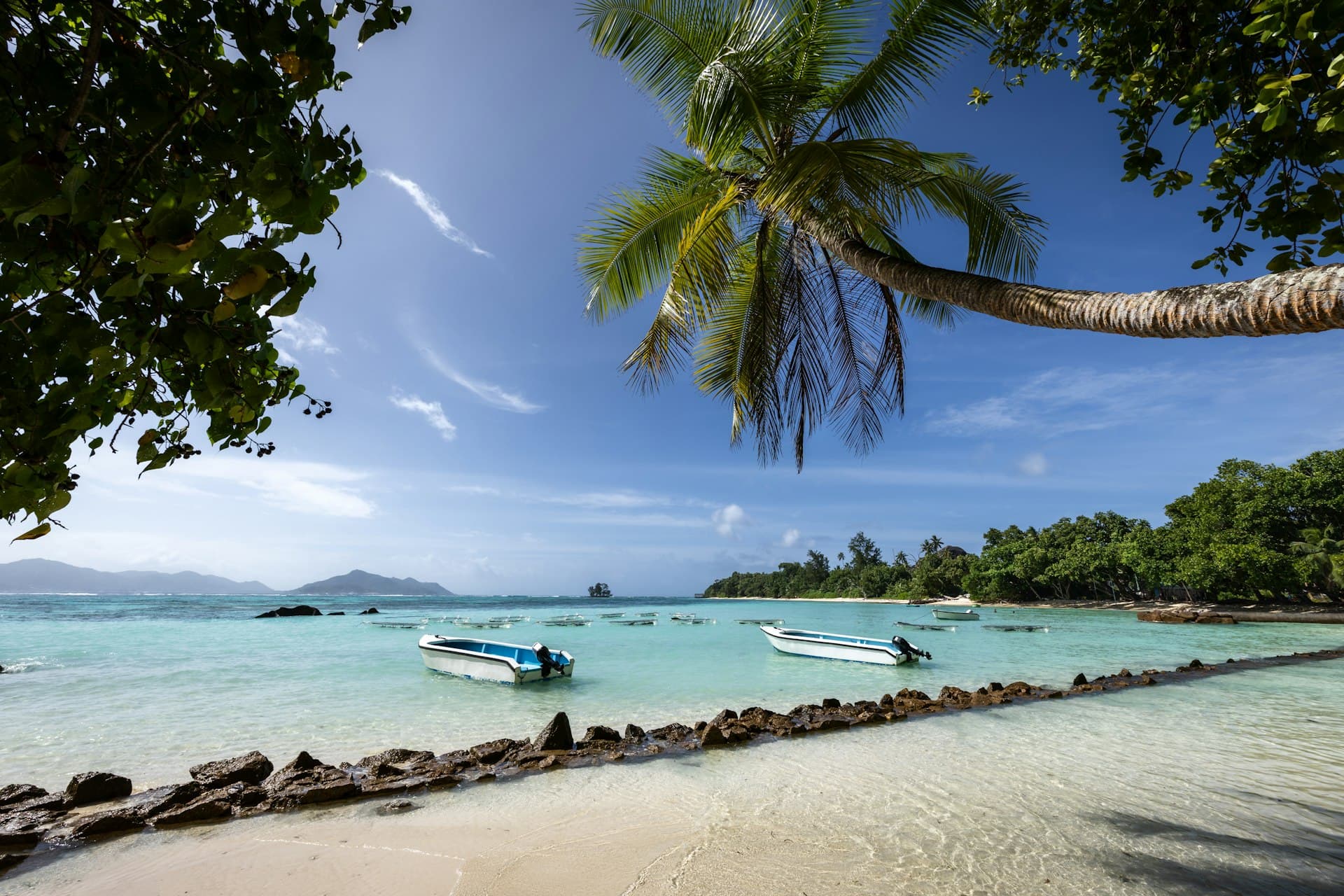
The Maldives has 87 inhabited islands designated as resort islands. Many are well-managed and well-appointed. The constraint they share is fixed geography: guests arrive, and the island is the experience. A yacht moves. In a typical 10-night itinerary, a well-planned programme might cover North Malé, Vaavu Atoll (Felidhu), South Ari, and Baa — four distinct reef systems, each with its own species profile and current character. Dive briefings change daily. The tender goes where no resort transfer goes.
A private chef programmes meals around the day — a sunrise breakfast underway, lunch anchored off a sandbank, a barbecue on the beach of an uninhabited motu. Guests are not working around a resort’s kitchen schedule or other guests’ preferences. The itinerary is the group’s, adjusted each evening in response to weather, current conditions, and what was seen that day.
For families with children who snorkel, or guests who are not divers, the shallow lagoons of the northern atolls offer adequate engagement at the surface — bioluminescent plankton at night, blacktip reef sharks in the shallows, sea turtles feeding on the reef flat. The dive programme for certified guests runs in parallel without compromising the broader itinerary.
Planning a Maldives Charter
A 7-night charter based from North Malé covers the central atolls with two to three dives per day and limited transit time. A 10–14 night programme is the practical minimum for reaching Baa or Raa; anything shorter involves either long overnight passages or compressed time at each atoll. For a northern itinerary including Noonu, 14 nights is realistic.
The best-value weather window is December through March, when the northeast monsoon is well-established and conditions across all atolls are most predictable. November and April are workable shoulder months. A specialist broker familiar with the Maldives permit structure, the handling agents in Malé, and the seasonal behaviour of the major dive sites will shorten the planning process considerably and avoid the most common logistical errors around provisioning staging and protected area access.