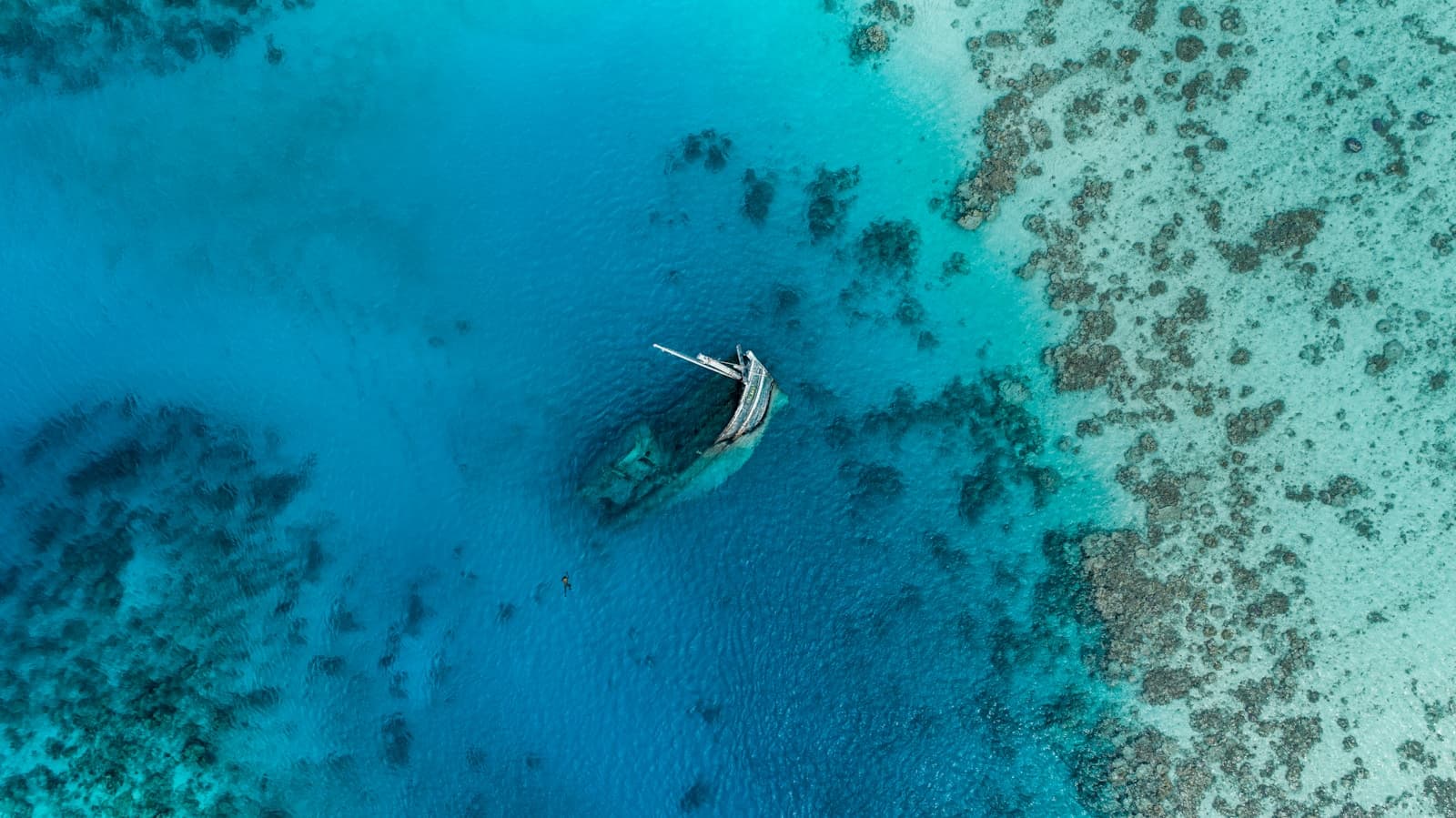
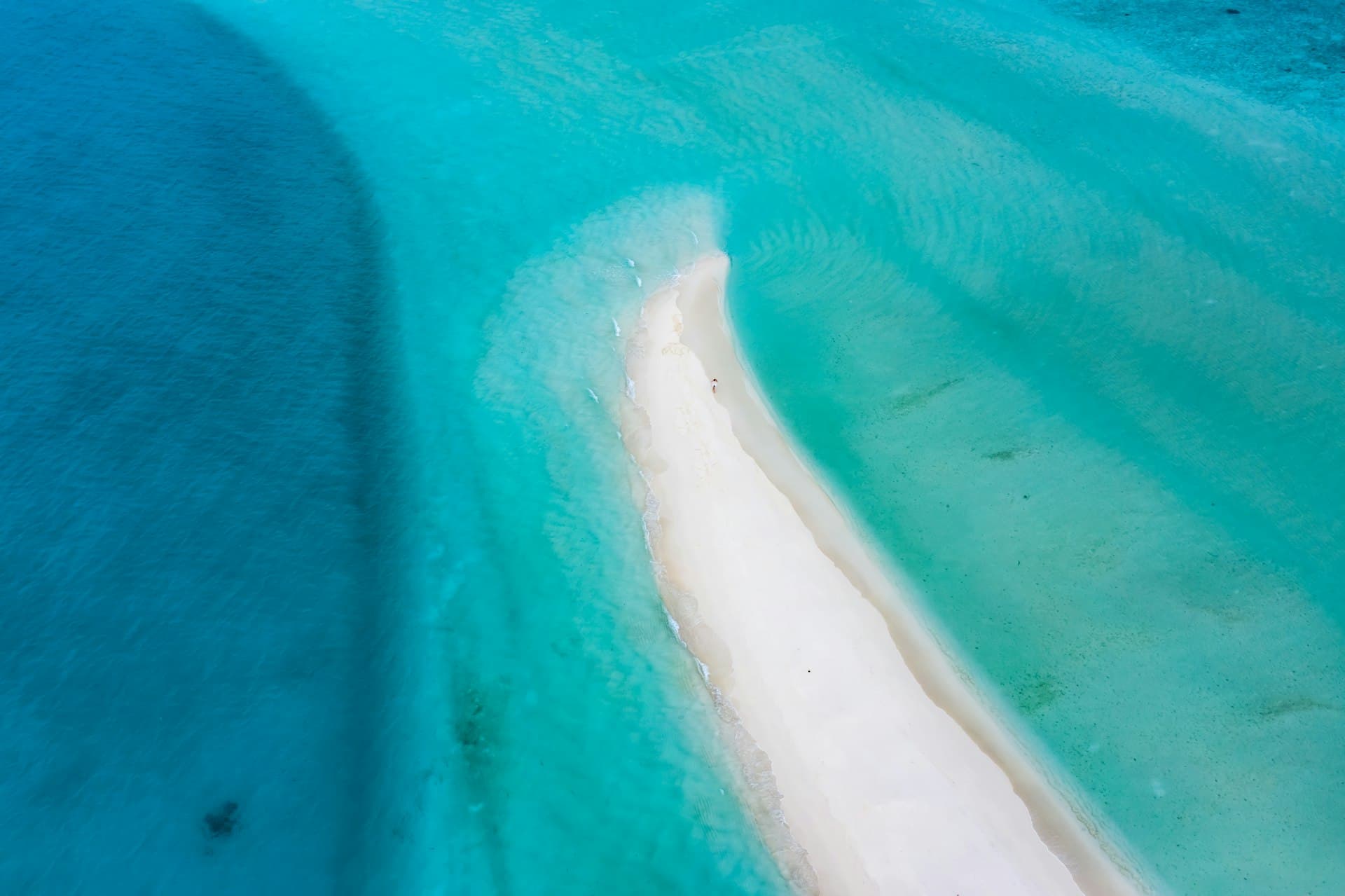
Beyond the resort atolls of the Maldives lies a vast, barely visited archipelago of pristine reefs, uninhabited islands, and water so clear it hardly seems to exist. A private yacht is the only way to reach it.
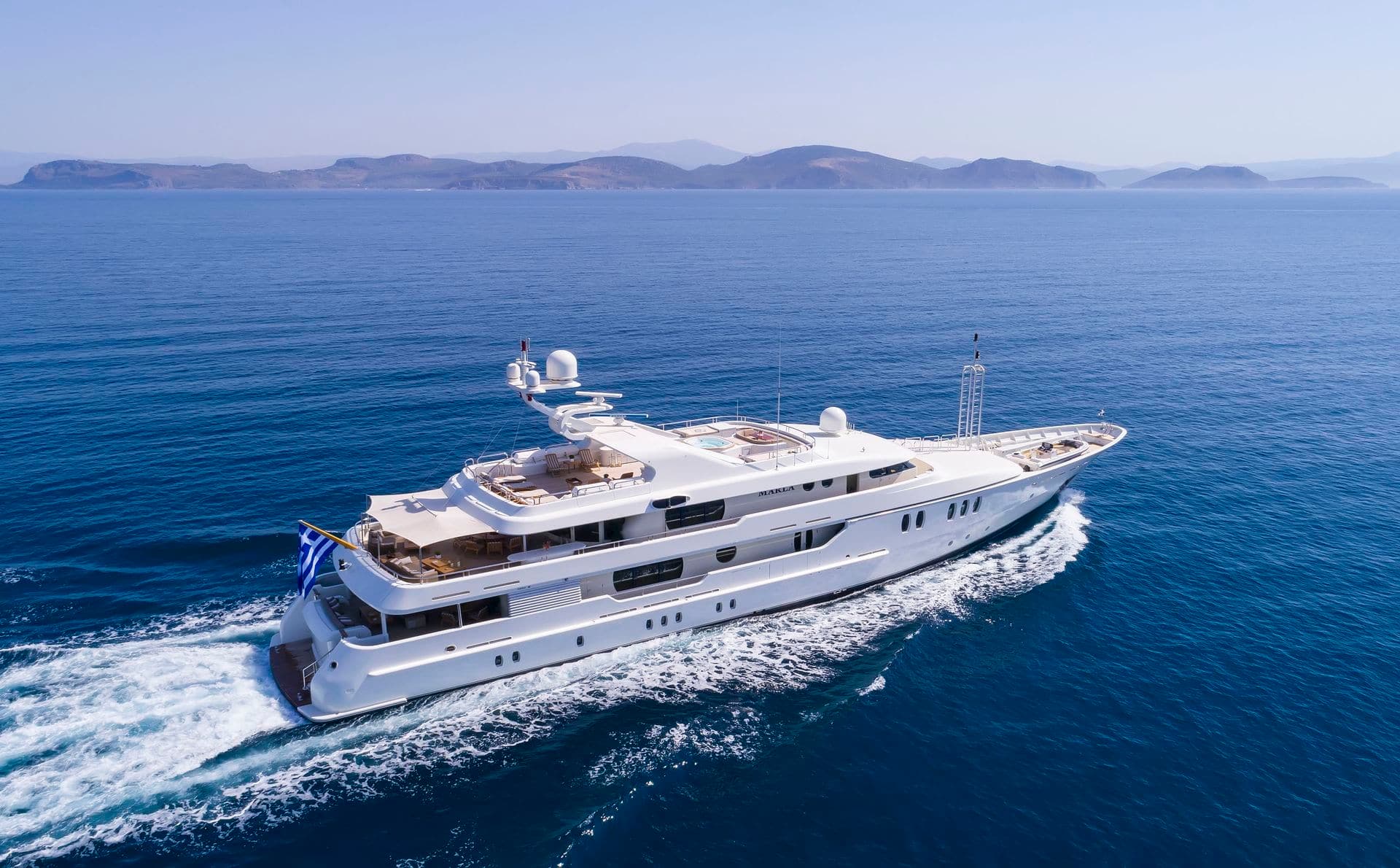
The Maldives is one of the most recognisable destinations in luxury travel, but the version most visitors experience — the resort atoll, the overwater villa, the curated reef — represents a fraction of the archipelago. The Maldives stretches 870 kilometres from north to south, spanning 26 atolls and roughly 1,200 islands. The vast majority are uninhabited, unreachable by speedboat, and untouched by tourism infrastructure. A private yacht is the only practical way to explore them.
Beyond the Resort Atolls
The central atolls — North and South Malé, Ari, Baa — are where most resorts are concentrated. The diving and snorkelling are excellent, but the experience is structured: guided excursions, designated sites, scheduled meals. A yacht charter removes every boundary. You anchor where the water looks interesting, snorkel when you feel like it, and eat on your own schedule.
The outer atolls — Laamu, Thaa, Meemu, Gaafu, Addu — are different in character. The reefs are less dived, the islands are less visited, and the marine life is correspondingly less habituated to human presence. Manta rays, whale sharks, and reef sharks are encountered more frequently and more closely than in the busier atolls.
A Typical Itinerary
A seven-night Maldives charter typically covers two to three atolls, depending on weather and the yacht's cruising speed. The passage between atolls crosses deep open water — 1,000 metres or more — where pelagic species are regularly sighted. Inside the atolls, the water is shallow, warm, and extraordinarily clear. Visibility of 40 metres is common.
A sample routing from Malé southward: Malé → South Malé Atoll (Guraidhoo Channel, known for shark encounters) → Vaavu Atoll (the least developed atoll with commercial access) → Meemu Atoll (pristine thilas and outer reef walls) → Thaa Atoll (uninhabited islands, nesting turtles) → return to Malé.
The Best Season
The Maldives has two monsoon seasons. The northeast monsoon (December to April) brings dry weather, calm seas, and the best visibility — this is prime charter season. The southwest monsoon (May to November) brings rain and swell but also the best manta ray encounters, particularly in Baa Atoll's Hanifaru Bay, a UNESCO Biosphere Reserve.
What to Bring
Reef-safe sunscreen is essential — and increasingly required by Maldivian marine regulations. Snorkelling equipment is provided aboard, but serious divers should bring their own regulators and computers. A lightweight rash guard is useful for extended snorkelling sessions: the equatorial sun is relentless, and the water temperature (28-30°C) removes the usual chill that prompts breaks.
Why a Yacht
The Maldives was designed — geologically, geographically, spiritually — for exploration by water. A yacht lets you experience the archipelago as it actually exists: a vast, quiet, almost incomprehensibly beautiful expanse of reef and ocean, with nobody telling you where to be or when to leave.