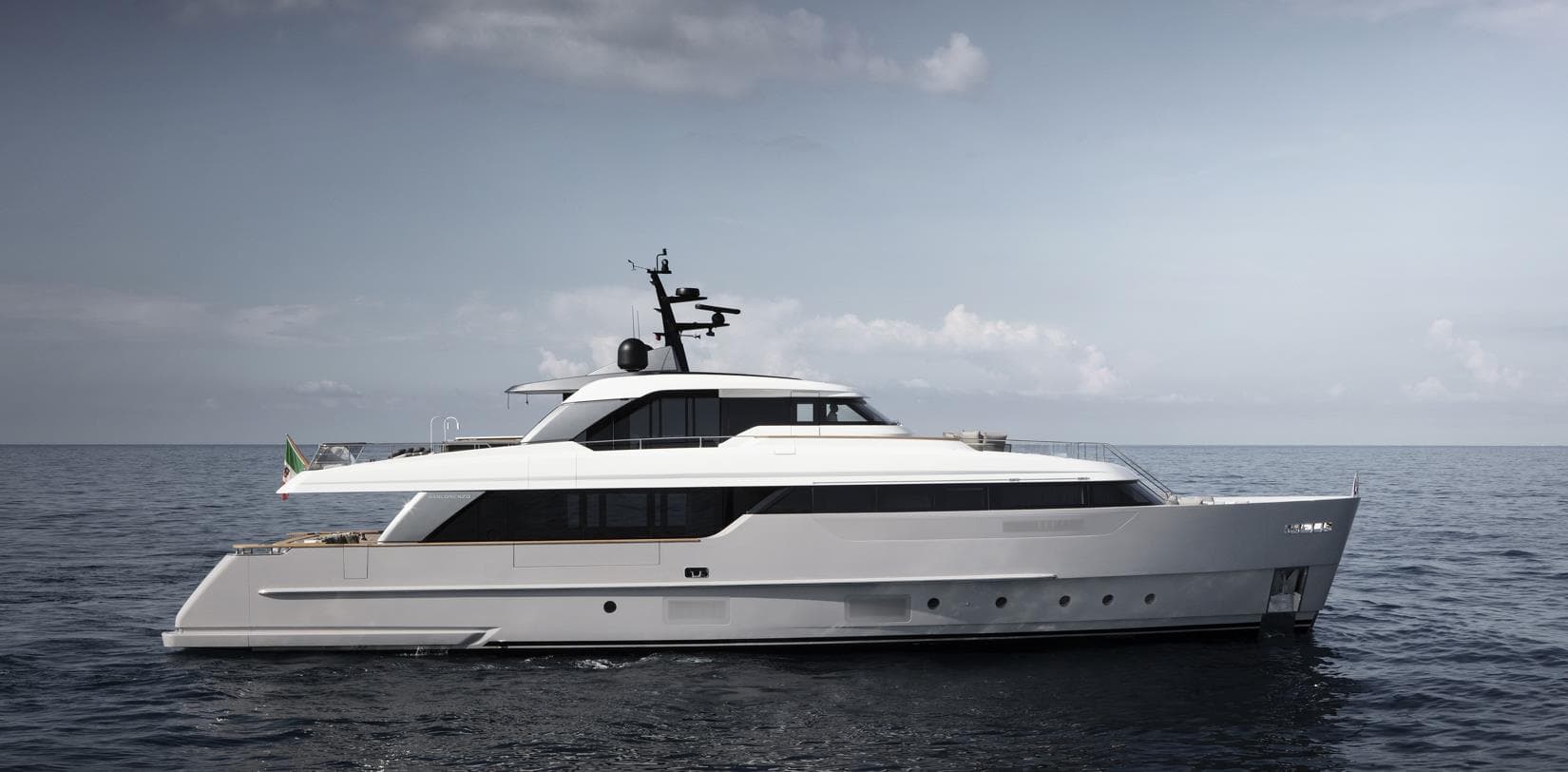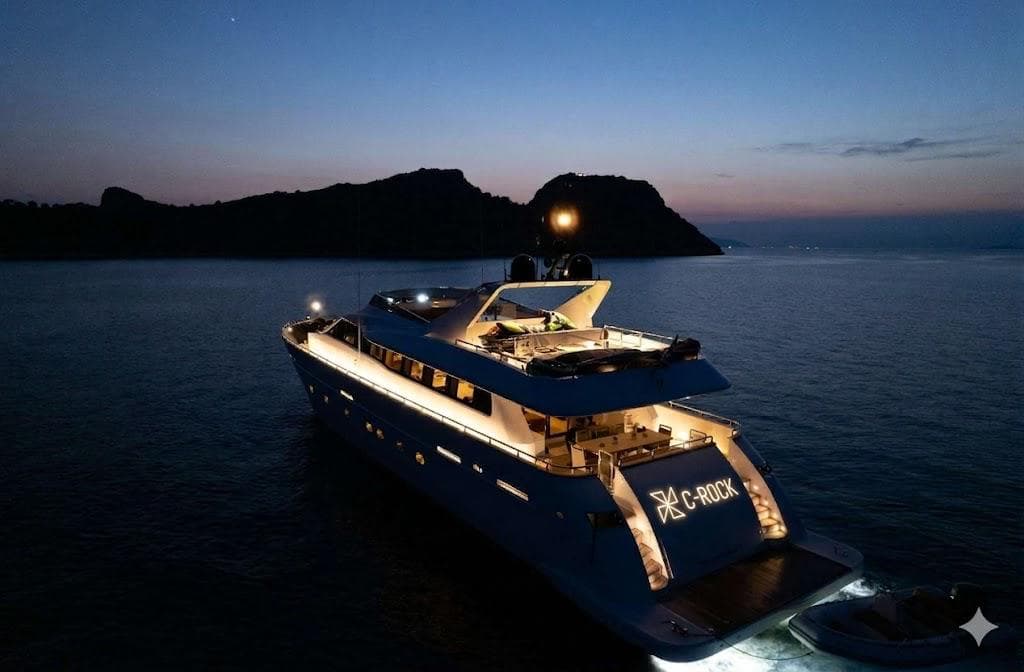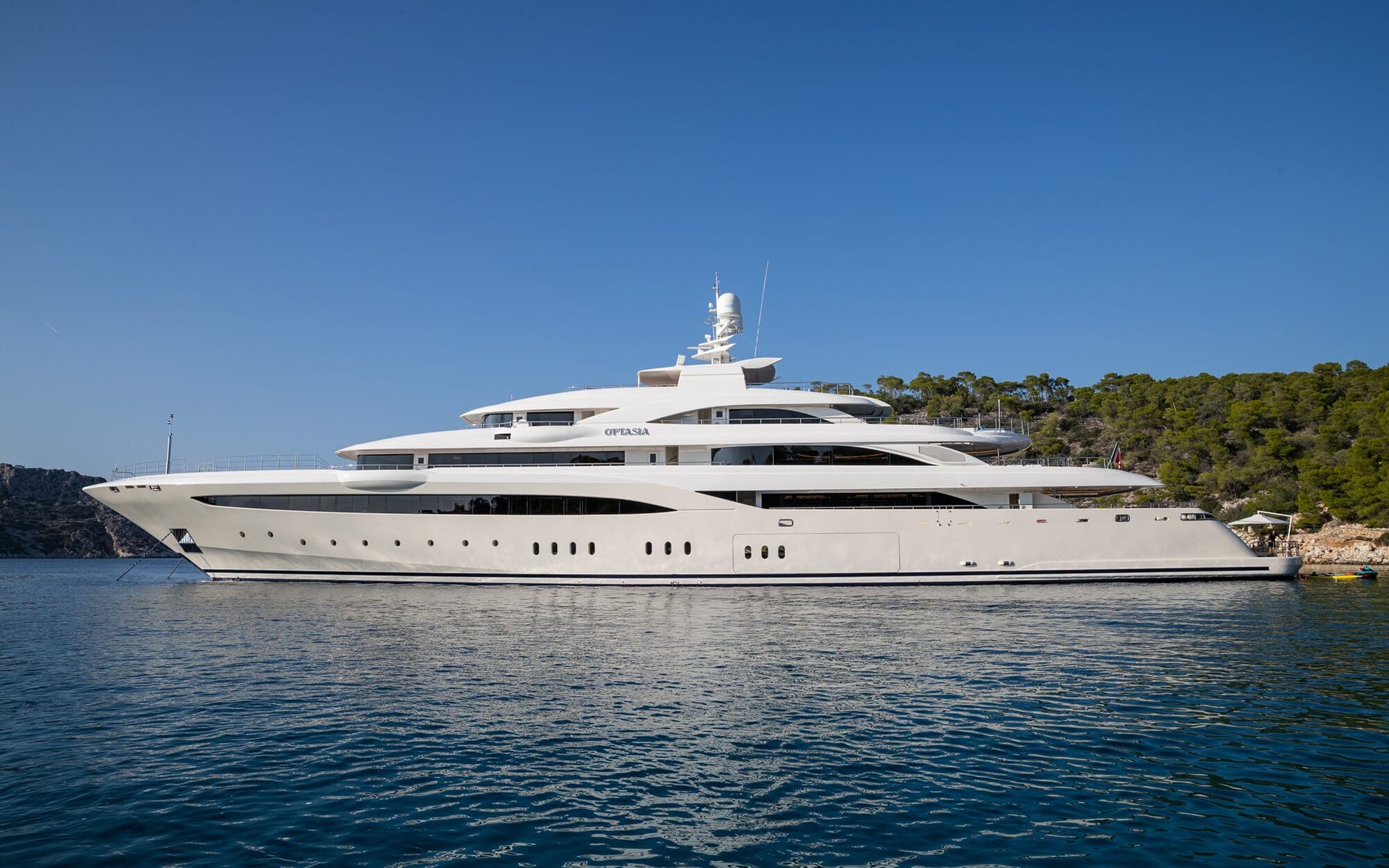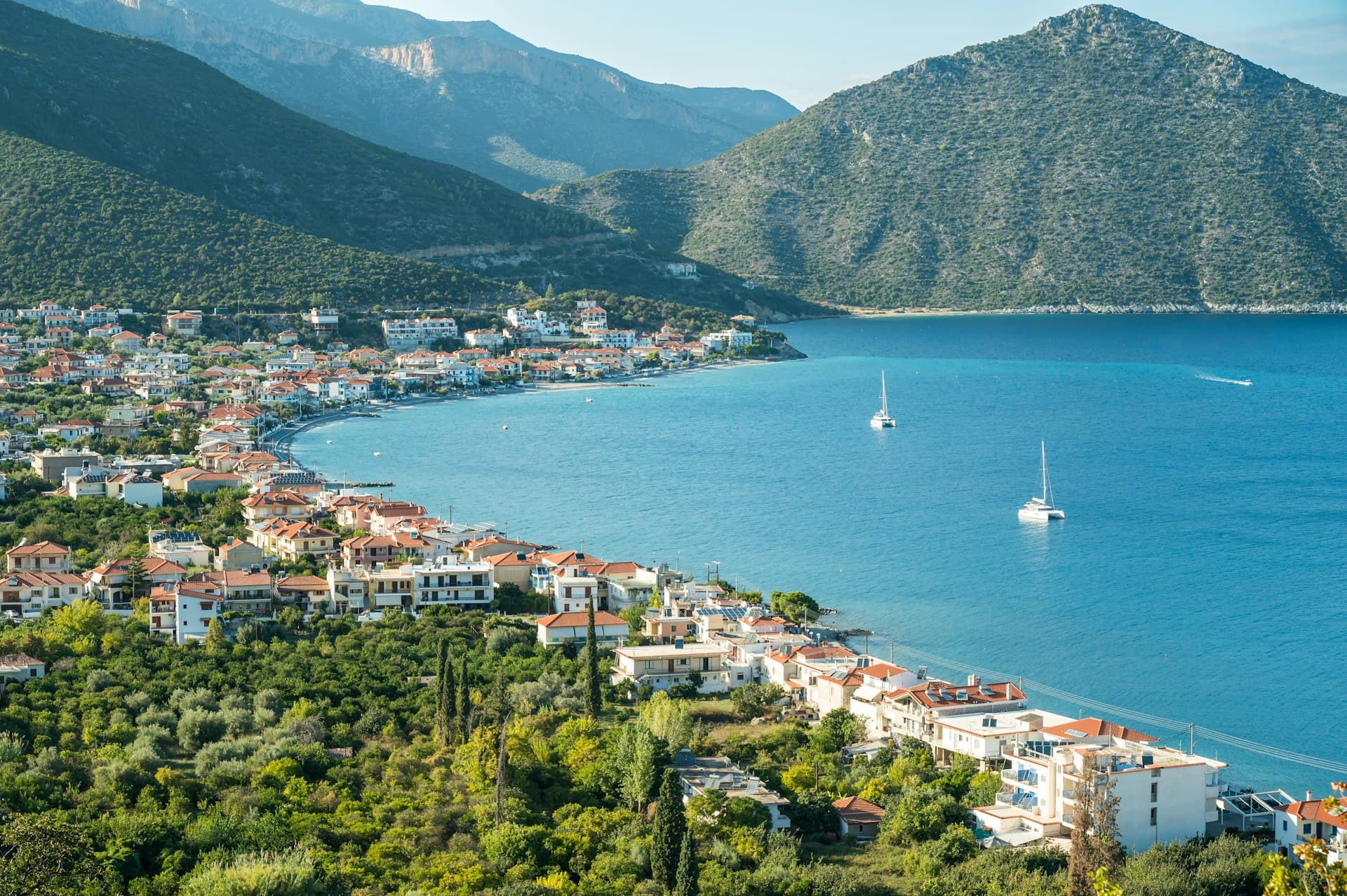
Two weeks is the right duration to experience the Cyclades without rushing. This 450-nm circular route from Athens threads together thirteen islands — from the cosmopolitan hubs of Mykonos and Santorini to the Small Cyclades (Koufonisia, Amorgos), the volcanic west (Milos, Folegandros), and the quiet mining island of Serifos. It is the most comprehensive Cyclades itinerary we offer.
Your VoyageAthens to Kythnos
An opening 50-nm passage to one of the most unspoiled islands in the western Cyclades. Kythnos has a deeply indented coast with numerous protected bays. The harbour at Loutra offers reliable shelter and natural hot springs. The unique double bay at Kolona — a narrow sandbar connecting a headland to the island — is a memorable first anchorage.
Kythnos to Syros
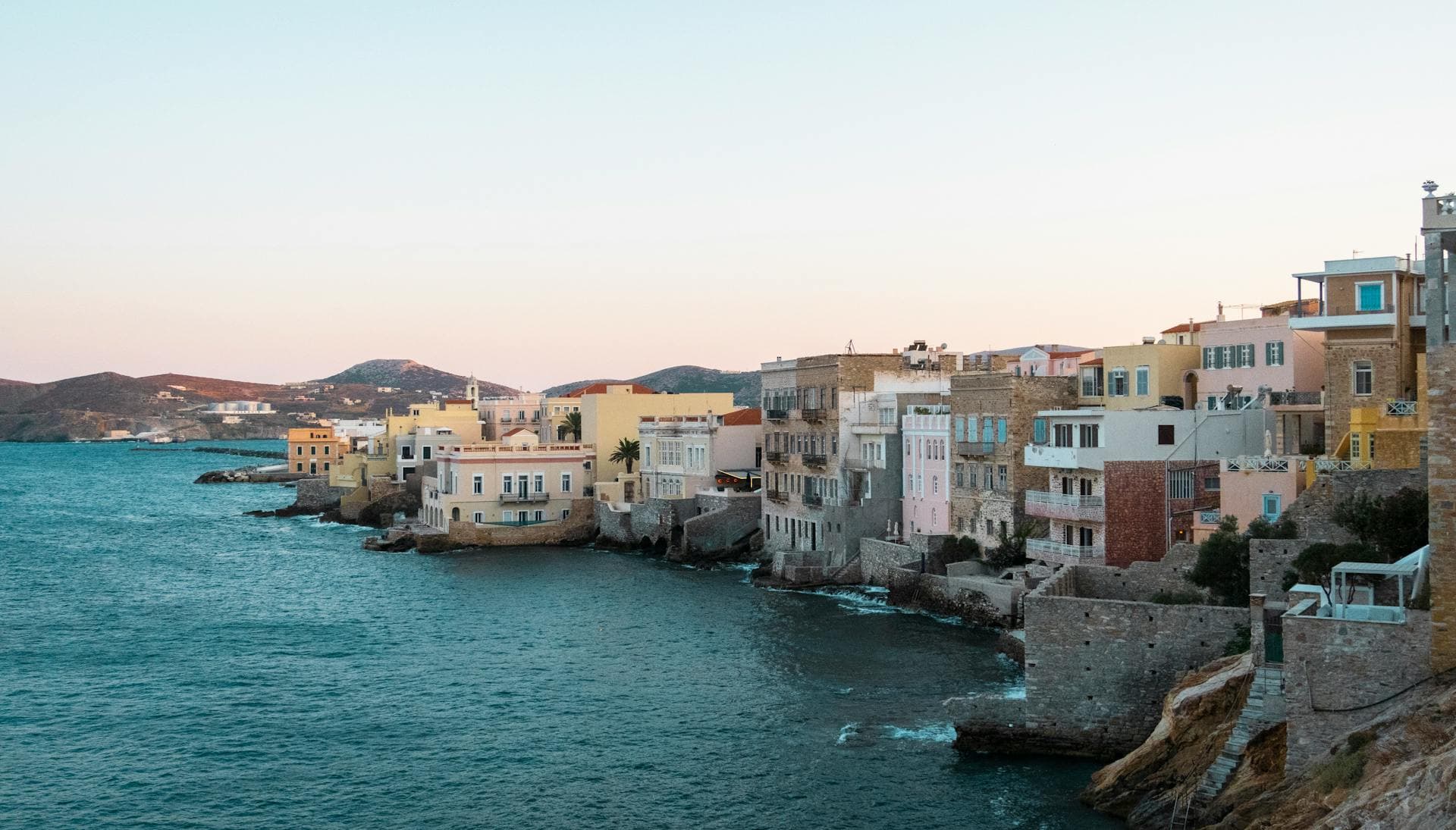
A 27-nm hop to Ermoupoli, the neoclassical capital of the Cyclades. The 19th-century harbour town retains its marble-paved grandeur: the Apollon Theatre, Miaouli Square, and the Vaporia sea-captains' quarter. Syros has a cultural programme that runs year-round, excellent restaurants, and a local loukoumi tradition.
Syros to Mykonos
Nineteen nautical miles to the most cosmopolitan island in the Aegean. Windmills, Little Venice, and a nightlife scene that runs into the early hours. High-season berthing requires advance arrangement. A morning excursion to the UNESCO-listed ruins on Delos is highly recommended.
Mykonos to Paros
Thirty-two nautical miles south to Paros. The main port of Paroikia has the 6th-century Panagia Ekatontapyliani, one of the finest Byzantine churches in Greece. Naoussa on the north coast offers a more intimate harbour setting. Windsurfing conditions in the Paros–Naxos channel are among the best in Europe.
Paros to Naxos
A short 18-nm crossing to the largest and most fertile island in the Cyclades. The Portara — the massive marble doorway of an unfinished 6th-century BCE Temple of Apollo — stands on a headland above the harbour and is the island's landmark. Naxos has green mountain villages, a Venetian castle quarter (Kastro) in the main town, and some of the best sandy beaches in the Aegean. The island is a major agricultural producer — Naxian potatoes, citron, and graviera cheese are prized across Greece.
Naxos to Koufonisia
Twenty nautical miles southeast to the Small Cyclades. Koufonisia (specifically Ano Koufonisi) is one of the smallest inhabited islands in the group and a genuine hidden gem — turquoise water, excellent sandy beaches (Pori, Fanos, Italida), and a handful of waterfront tavernas. The island is small enough to walk around in a morning. Fresh fish is the speciality, landed daily by the local fleet.
Koufonisia to Amorgos
Fifteen nautical miles to the easternmost island of the Cyclades. Amorgos is dramatic: high, craggy mountains drop sharply to the sea, and the Monastery of Hozoviotissa clings to a 300-metre cliff above the water on the island's south face. The island was a filming location for Luc Besson's "The Big Blue." Katapola, the main port, sits at the head of a deep bay; Aegiali in the north offers an alternative harbour. Amorgos has retained a character that feels genuinely remote — few tourists, strong local culture, and an unhurried pace.
Amorgos to Ios
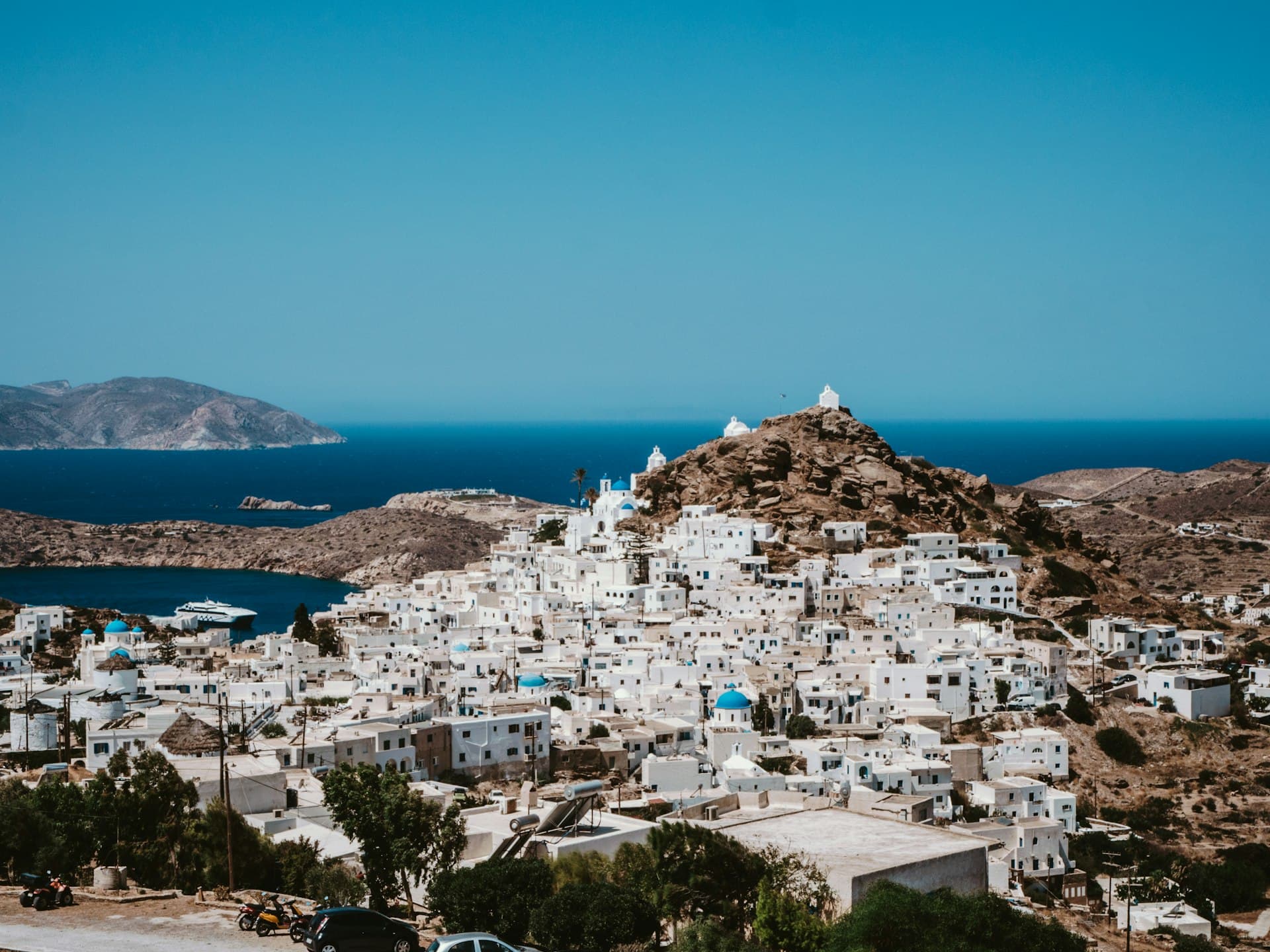
The longest single passage on the route at 44 nm, heading west across open water. Ios combines a stunning hilltop Chora — one of the most photogenic in the Cyclades — with excellent beaches. Homer is traditionally said to be buried here. Manganari on the south coast is a superb anchorage and swimming spot. The island's nightlife reputation has evolved; Ios now attracts a broader range of visitors.
Ios to Santorini
Thirty nautical miles to the caldera. Entering Santorini by yacht — the cliff walls rising 300 metres on either side, the villages visible far above — is one of the great arrivals in yachting. Anchor within the caldera (subject to current regulations), visit the Kammeni volcanic islands by tender, dine in Fira or Oia, and take in the sunset from the water. The Akrotiri archaeological site, a Minoan town buried by eruption circa 1600 BCE, is one of the most important sites in the Aegean.
Santorini to Folegandros
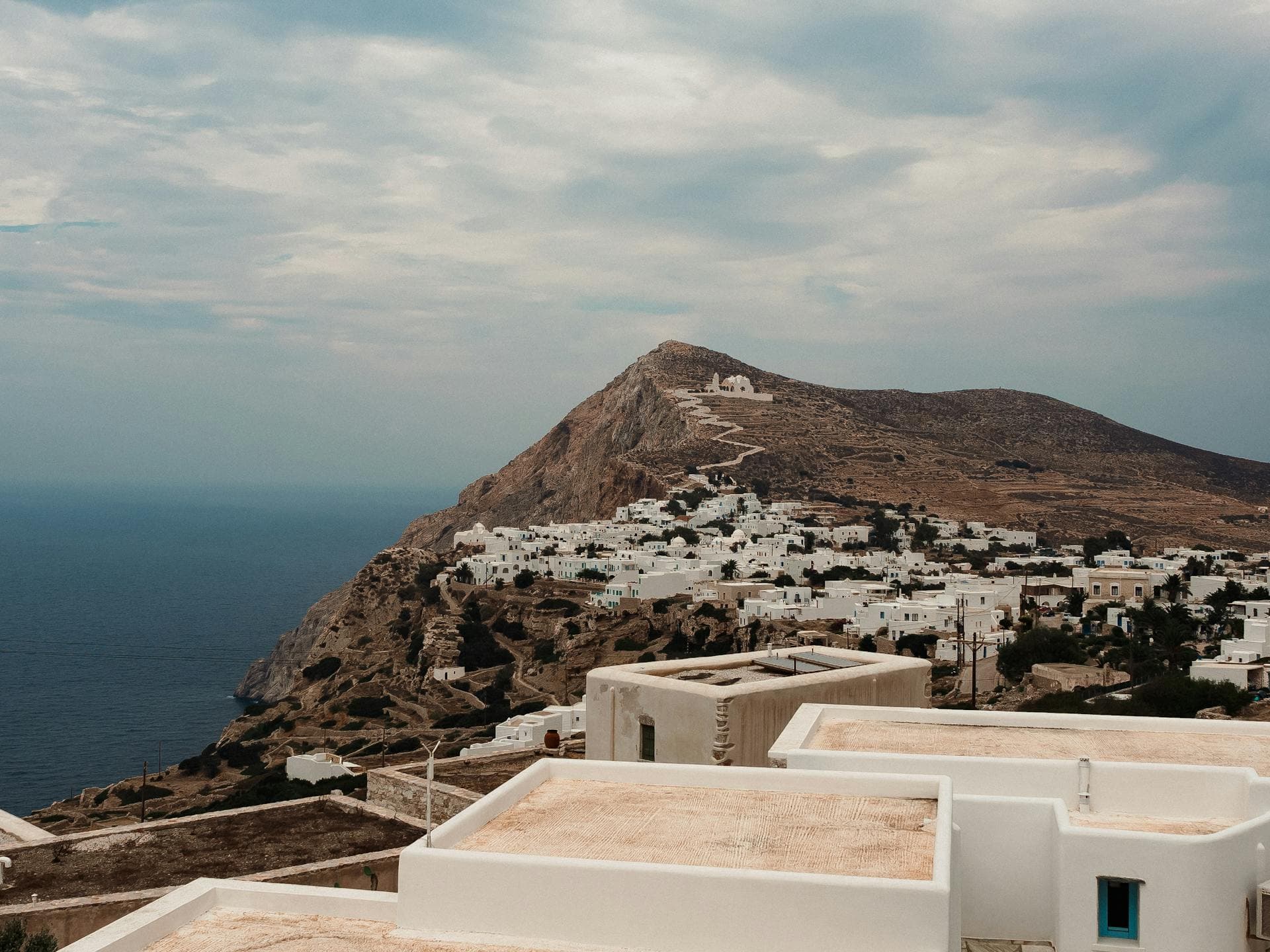
Thirty-one nautical miles west to Folegandros, one of the most unspoiled islands remaining in the Cyclades. The cliff-top Chora has a medieval Kastro quarter and a quiet, authentic atmosphere. The harbour at Karavostasi is small but functional. This is an island where the reward is simply being there — good food, dramatic views, and a pace that the larger islands have lost.
Folegandros to Milos
Forty nautical miles to the volcanic island of Milos. Kleftiko — a complex of sea caves, arches, and rock formations accessible only by boat — is arguably the single most spectacular anchorage in the Cyclades. Sarakiniko, a lunar landscape of white volcanic tuff, is equally iconic. The main harbour at Adamas sits inside one of the best natural harbours in the Mediterranean. Milos has seen significant visitor growth in recent years and now offers excellent dining.
Milos to Sifnos
A 27-nm passage to the gastronomic capital of the Cyclades. Sifnos is credited with defining traditional Cycladic cuisine. The medieval village of Kastro — on a cliff with ancient wall remnants — is one of the most atmospheric settlements in the island group. Bays at Vathi, Faros, and Platis Gialos offer turquoise water and good tavernas.
Sifnos to Serifos
A very short 10-nm hop to Serifos. This iron-mining island has a dramatic hilltop Chora, excellent food, and a relaxed atmosphere that draws repeat visitors. Livadi harbour is the main anchorage. The Monastery of the Taxiarchs in the north is worth a visit. Serifos is increasingly appreciated as one of the quieter, more characterful islands in the western Cyclades.
Serifos to Poros
A 55-nm passage south to Poros in the Saronic Gulf. The island's main town is built amphitheatrically around a hill overlooking the narrow strait to the Peloponnese coast. Poros has a lively waterfront, an archaeological museum, and the famous lemon forest on the opposite shore. The Temple of Poseidon (ruins) is on the northern part of the island.
Poros to Athens
A final 32-nm passage back to Athens for disembarkation.
Season
May through October. For a 14-day charter, June and September offer the best balance of warm weather and moderate Meltemi. The route includes several open-water passages (particularly Amorgos–Ios and Serifos–Poros) where wind exposure is significant in July–August.
Embarkation
Flisvos Marina or Zea Marina (Piraeus). Lavrion is an alternative starting point that shortens the first day's passage.
Provisioning
Full provisioning in Athens. Major resupply points at Mykonos, Paros, Naxos, and Santorini. Smaller islands (Koufonisia, Folegandros, Serifos) have limited supplies.
This itinerary is a suggestion.
Your captain will adapt the route based on weather, wind conditions, and your preferences. Fourteen days allows meaningful flexibility — additional stops at Tinos, Andros, Antiparos, or Sikinos can be incorporated without compressing the schedule.
| Day | From | To | NM | |
|---|---|---|---|---|
| 1 | Athens | → | Kythnos | 50 |
| 2 | Kythnos | → | Syros | 27 |
| 3 | Syros | → | Mykonos | 19 |
| 4 | Mykonos | → | Paros | 32 |
| 5 | Paros | → | Naxos | 18 |
| 6 | Naxos | → | Koufonisia | 20 |
| 7 | Koufonisia | → | Amorgos | 15 |
| 8 | Amorgos | → | Ios | 44 |
| 9 | Ios | → | Santorini | 30 |
| 10 | Santorini | → | Folegandros | 31 |
| 11 | Folegandros | → | Milos | 40 |
| 12 | Milos | → | Sifnos | 27 |
| 13 | Sifnos | → | Serifos | 10 |
| 14 | Serifos | → | Poros | 55 |
| 15 | Poros | → | Athens | 32 |
| Total | 450 | |||