This specialized 7-day voyage traces the documented travels of Apostle Paul through the eastern Aegean, linking ancient Christian sites, Byzantine monasteries, and locations central to early Christian history. The itinerary is explicitly heritage-focused, combining spiritual pilgrimage with classical archaeology and Byzantine art. The route begins in Athens, proceeds through the Cyclades (Kea, Syros, Mykonos) toward Patmos — where St. John the Theologian wrote the Book of Revelation — then traverses to Samos (Pythagoras' birthplace, also an early Christian mission centre), approaches Ephesus in Turkey (one of the earliest Christian communities), and concludes at Chios. This voyage is designed for those seeking spiritual and historical connection rather than beach tourism; it appeals to pilgrims, classicists, and history enthusiasts.
Your VoyageAthens (Piraeus) to Kea
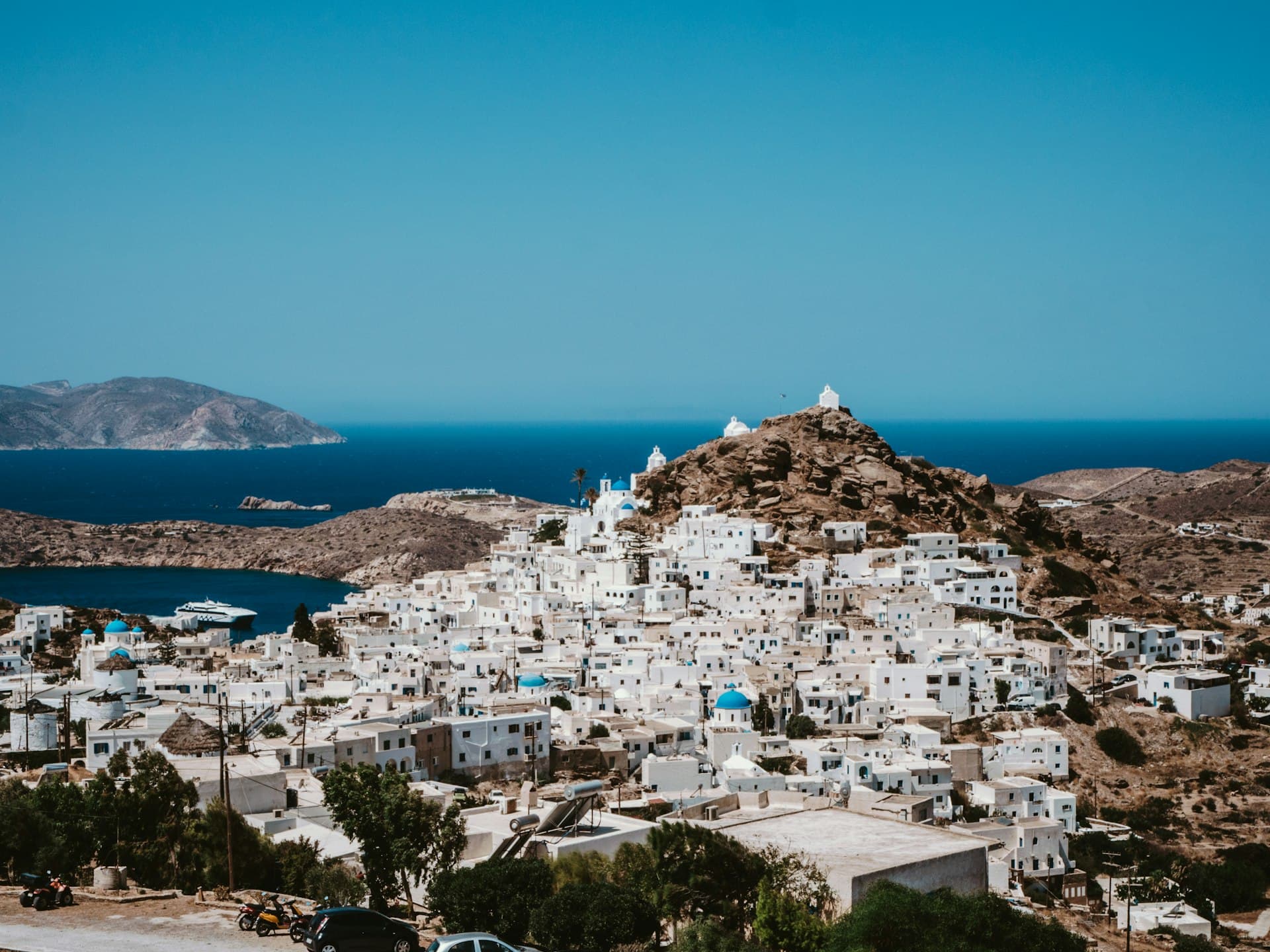
Depart Piraeus Marina Zea in the shadow of the Acropolis and sail southeast 35 nautical miles to Kea, the westernmost island of the Cyclades. Kea is often overlooked by tourists in favour of more famous neighbours (Mykonos, Santorini); as a result, it retains quiet character and authentic island hospitality. The main town, Ioulis, sits on a hillside overlooking the sea; narrow lanes and stone houses define the architecture. The island has archaeological significance — temple ruins and ancient harbours dot the coast — but is primarily known for local provisioning, quiet anchorages, and a slower pace. Kea sets the tone for the voyage: a less-touristed Cycladic experience focused on island culture rather than nightlife. Good stopping points include the port of Korissia (northern coast) or the quieter bays on the island's eastern shores.
Kea to Syros
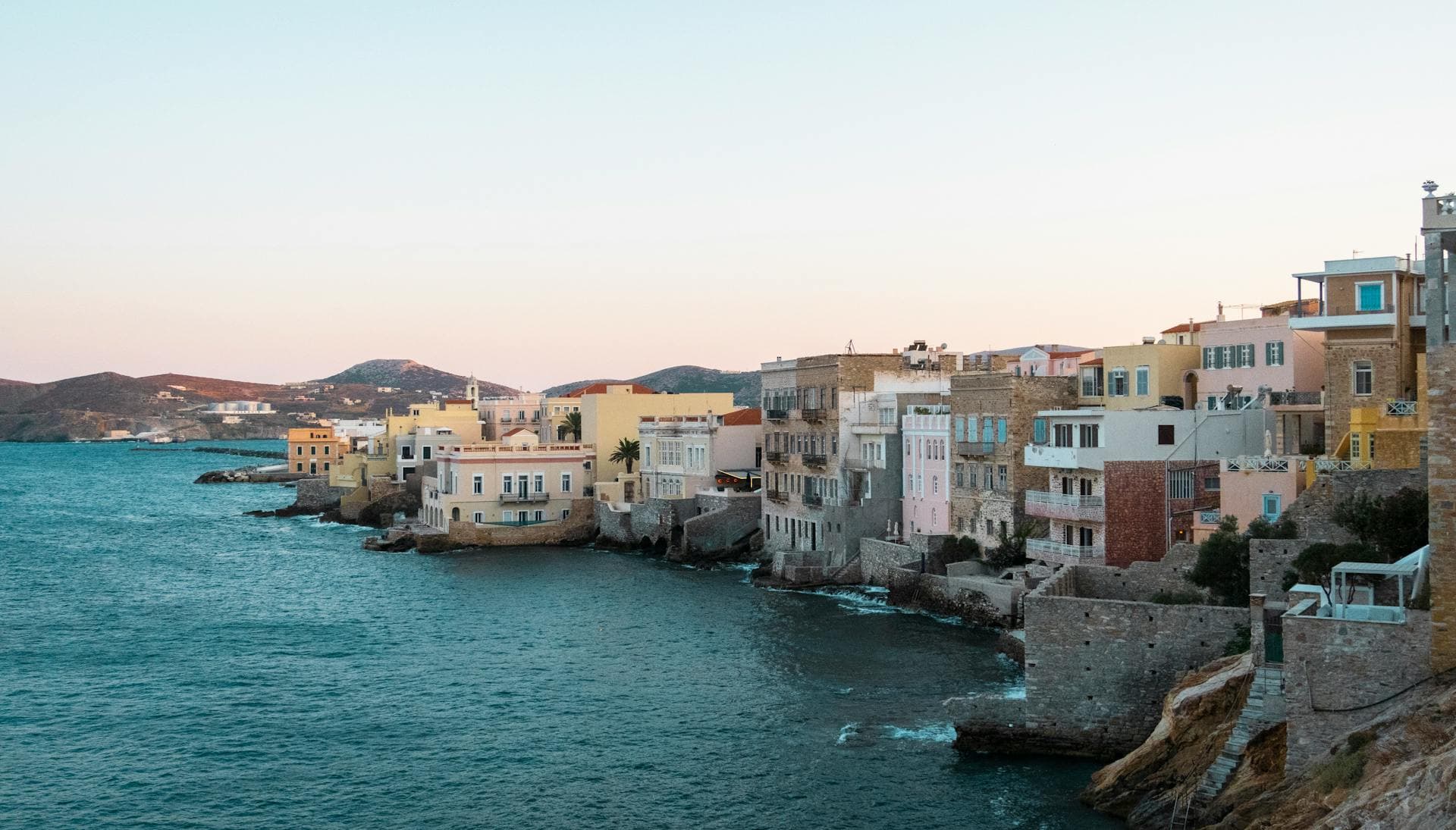
A 40-nm sail northeast to Syros, historically the cultural and administrative centre of the Cyclades. While Mykonos overshadows it in modern tourism, Syros has exceptional charm and cultural significance. The harbour town (Ermoupoli) features Venetian and Neoclassical architecture; the townscape cascades down a hillside to a working port. Two religious districts — the Orthodox and the Roman Catholic — sit on opposing hillsides, each topped by a significant church (the Orthodox Cathedral of San Giorgio and the Catholic Church of San Giorgio). The town's cultural institutions (opera house, museums) make Syros feel more like a classical Mediterranean town than a tourist resort. Provisioning is excellent; restaurants are authentic and reasonably priced. The island's remoter south coast has quiet anchorages and pine-covered bays. Syros is an excellent overnight, offering both cultural exploration and genuine island atmosphere.
Syros to Mykonos
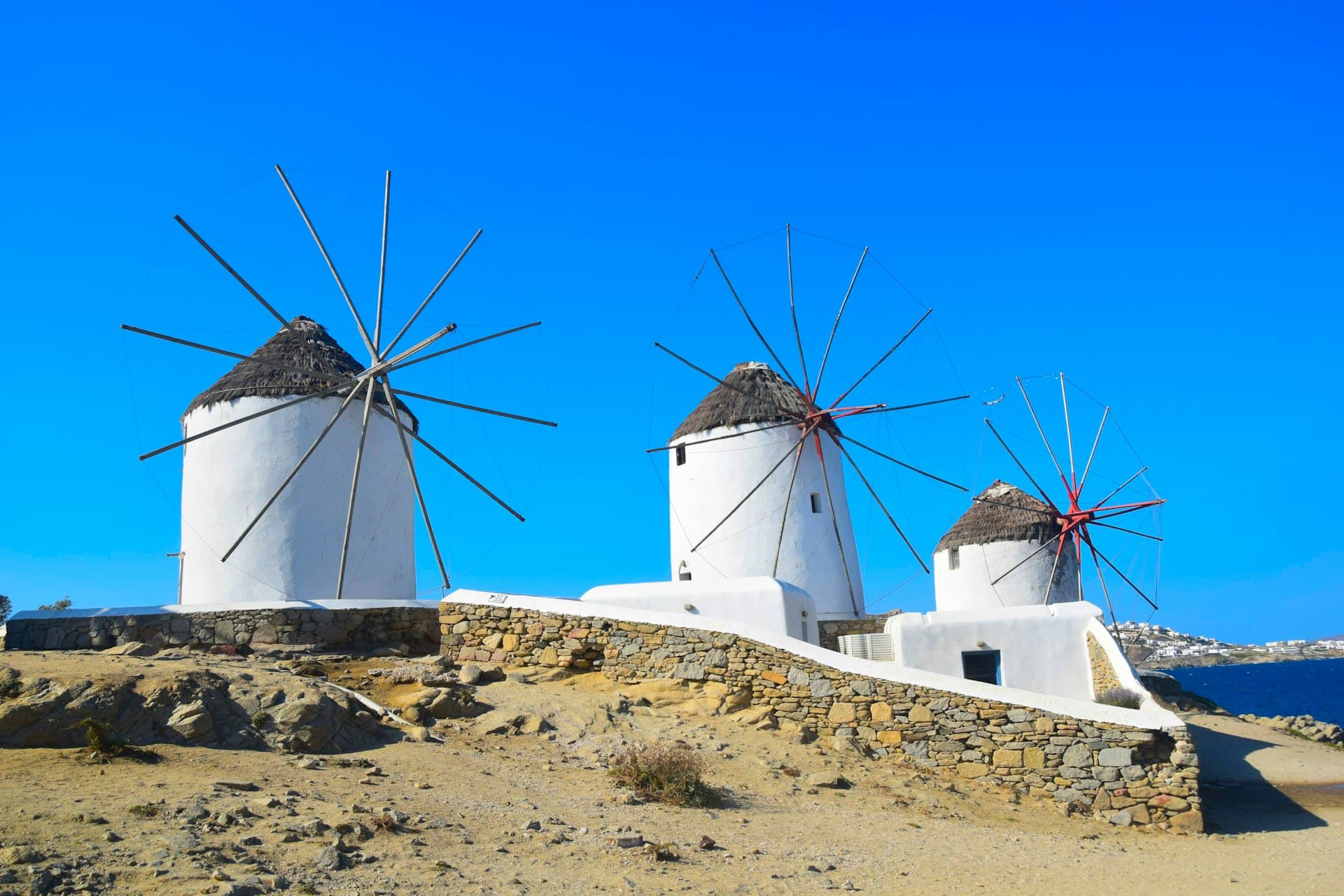
A 30-nm sail northeast to Mykonos, the cosmopolitan Cycladic hub. This is a directional change — Mykonos is entirely different in character from the quieter islands traversed so far. The waterfront is lively with ferry traffic, yachts, and day-trippers. The old town's narrow lanes are lined with restaurants, bars, and designer boutiques. The windmills overlooking the harbour are iconic; sunset views here are celebrated. The spiritual significance of Mykonos comes from its proximity to Delos, an uninhabited island 5 nautical miles away. Delos is the legendary birthplace of Apollo and the site of one of antiquity's most important sanctuaries. Boat excursions from Mykonos visit the archaeological site (Temple of Apollo, agora, ancient theatre); the island is typically visited as a day-trip. The contrast between Mykonos' vibrant nightlife and Delos' sacred quietness is striking. For this pilgrimage itinerary, Delos is a key stop — a direct link to Apolline worship and classical antiquity. The yacht can anchor off Mykonos or in quieter bays on the island's east coast.
Mykonos to Patmos
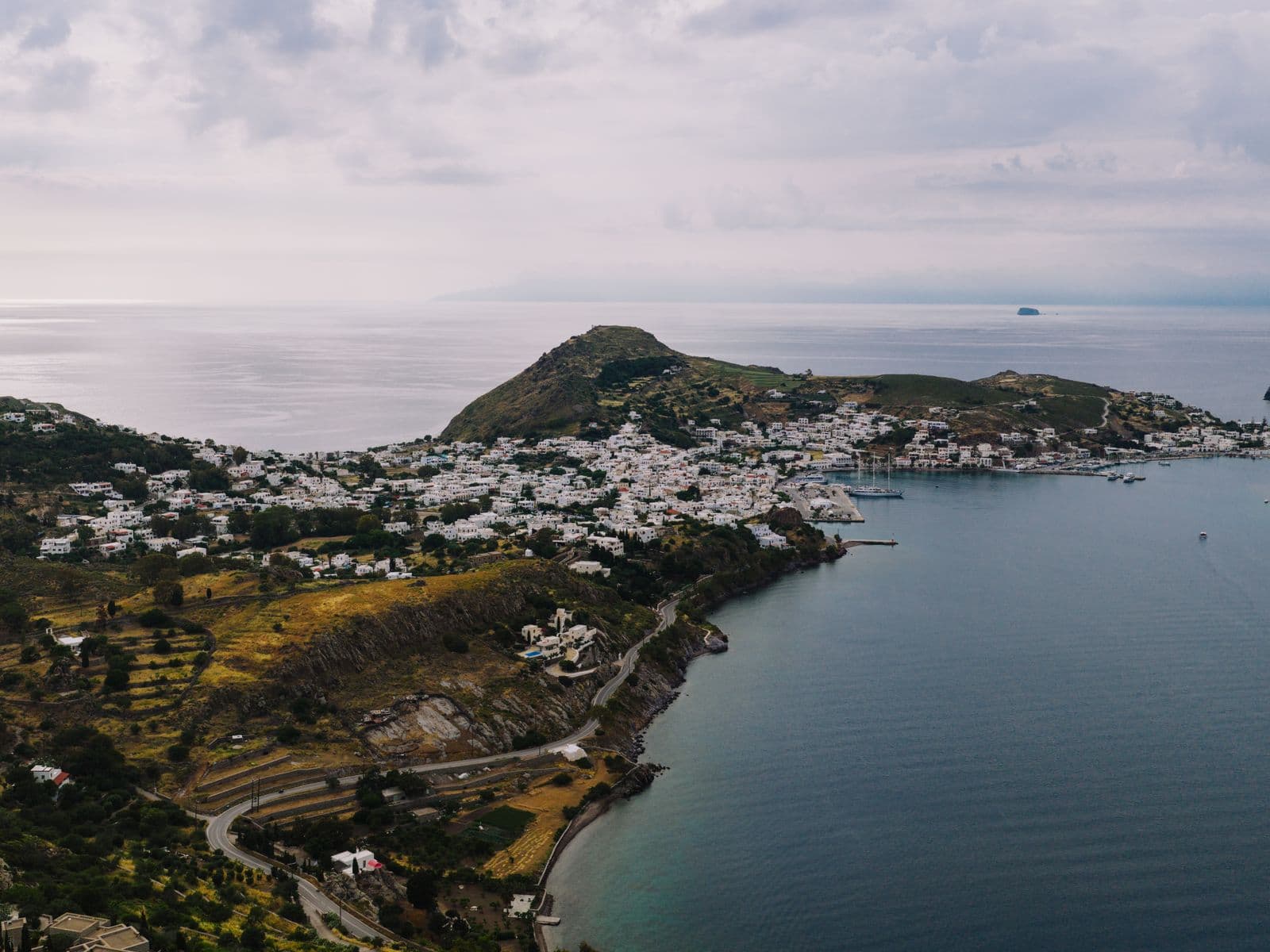
A 65-nm passage southeast brings you to Patmos, one of Christianity's most sacred islands. Patmos is the island where St. John the Theologian allegedly received the visions recorded in the Book of Revelation; the island has profound spiritual significance for Orthodox and Western Christianity alike. The Monastery of St. John the Theologian, perched on a ridge above the small harbour town (Skala), is one of the oldest monastic complexes in Christendom (founded 1088 CE). The monastery contains exceptional Byzantine mosaics, an ancient library of manuscripts, and a treasury of religious artifacts. The Revelation Cave (Grotto of the Apocalypse), located partway down the hillside between the monastery and the harbour, is where St. John allegedly heard the divine voice. The island's spiritual atmosphere is palpable — pilgrims, monks, and spiritual seekers congregate here. Pilgrimage season (particularly around Easter) sees heightened activity; early morning visits to the monastery (before crowds arrive) are recommended. Photography is restricted in sacred areas; visitors should dress respectfully. The main anchorage at Skala is small and can be crowded; alternative quieter anchorages exist on the island's eastern shores. Plan to spend a full day exploring the monastery, the cave, and the island's quiet villages.
Essential: A morning visit to the Monastery of St. John (starting early) allows for contemplation before tourist crowds arrive. The Byzantine mosaics and manuscripts in the treasury are world-class.
Patmos to Samos
A 50-nm passage southeast to Samos, an island with profound classical and early Christian significance. Samos is the birthplace of Pythagoras (famous mathematician and philosopher) and was a major centre of early Christianity — Apostle Paul is documented as having preached here (Acts 18:23). The island was also the centre of the worship of Hera (one of classical antiquity's major sanctuaries — the Temple of Hera, though now in ruins, was one of the largest temples in the ancient Mediterranean). The main town, Samos Town (also called Vathy), is a working port with good facilities and provisioning. The island's interior is mountainous and forested; excellent local wines are produced from vineyards on steep slopes. The wine of Samos (a sweet fortified wine) has been produced for centuries and is widely available in tavernas. Archaeological sites on the island include the Temple of Hera, the Tunnel of Eupalinos (an ancient aqueduct), and scattered Byzantine ruins. The contrast between Pythagoras' mathematical legacy and Paul's Christian mission makes Samos a nexus of intellectual and spiritual history.
Samos to Ephesus approach / Chios
A 65-nm passage continues east-southeast, approaching Ephesus in Turkey. Important note: Ephesus is located in Turkey, not Greece; the approach involves international waters and customs considerations. The yacht typically remains anchored offshore; organized shore excursions (tours via local boat services) visit the archaeological site. Ephesus is one of antiquity's greatest cities and a major site in early Christian history — Apostle Paul spent three years teaching at Ephesus (Acts 19–20); the city was home to one of the earliest Christian communities. The archaeological site contains the Temple of Artemis (one of the Seven Wonders of the Ancient World, now in ruins), the Library of Celsus (one of the Roman world's greatest libraries), the Theatre of Ephesus, and other classical monuments. The Basilica of St. John (built in the 6th century CE over the reputed burial site of the Apostle) stands nearby in the adjacent town of Selçuk. The approach to Ephesus requires attention to Turkish customs and documentation; ensure passports and visas (Schengen, if required) are current. Many charter itineraries include a day-trip to Ephesus from Samos (rather than moving the yacht). Alternatively, if time permits, the yacht can anchor off Kusadasi (the Turkish resort town nearest Ephesus) and conduct a full-day excursion to the archaeological sites.
For this pilgrimage itinerary, visiting Ephesus is the voyage's spiritual endpoint — the final destination of Apostle Paul's documented travels in this region. After the Ephesus excursion, the yacht proceeds northwest to Chios.
Chios to —
The final destination, Chios, sits northwest of Samos and is the disembarkation point. Chios is an island with exceptional Byzantine heritage and a distinctive local culture (known historically for mastic production — a resin harvested from mastic trees and used in medicine and cuisine). The Byzantine Monastery of Nea Moni, founded in the 11th century, contains remarkable mosaics and is a UNESCO World Heritage site. The mastic villages of southern Chios (Pyrgi, Mesta) are uniquely preserved medieval settlements with fortress-like architecture designed to protect inhabitants and the precious mastic harvest. Chios Town, the main port, is a working city with good provisioning and facilities. The island is less touristy than the western Cyclades; the atmosphere is genuinely Greek. The journey from Patmos to Chios follows Apostle Paul's approximate path northward; the voyage concludes with Chios as a natural disembarkation point (Chios Town has ferry connections to nearby Lesbos and Izmir, Turkey).
Season
May through October is ideal. June and September offer warm weather and fewer crowds than peak July–August. Easter (April–May) is significant pilgrimage season, particularly for Orthodox Christians; the Patmos Monastery is especially busy during this period. July and August are warm and busy. May and October can be windy but offer excellent sailing.
Pilgrimage notes
This itinerary is explicitly designed for those with interest in early Christian and Byzantine heritage. It complements classical archaeology (Delos, Ephesus) with monastic and religious sites. Visitors should approach sacred sites (Patmos Monastery, Ephesus Basilica of St. John) with appropriate respect; dress codes are enforced in monasteries (covered shoulders, knees for women; no shorts for men). Photography is prohibited in certain sacred areas.
Turkey customs & documentation
The Ephesus excursion requires valid passports. EU citizens typically do not need visas for Turkey (tourist visits up to 90 days); non-EU citizens should verify visa requirements in advance. The yacht does not need to clear Turkish customs if it remains at anchor offshore and shore visits are via organized excursions. If the yacht enters a Turkish port (Kusadasi), full customs clearance is required. Coordinate with your charter company and captain on procedures.
Provisioning
Athens (Piraeus), Syros, Mykonos, Patmos, and Samos all have good provisioning. Chios has adequate supermarkets. Stock up in Piraeus or Syros if planning extended time in smaller islands. Fresh seafood and local wines are excellent throughout.
Navigation
Eastern Aegean passages can be windy; the strait between Samos and the Turkish coast can experience sudden weather changes. Modern charts, GPS, and weather monitoring are essential. Navigation toward Turkey requires attention to international maritime boundaries. Your captain will have expertise in these waters.
This itinerary is a suggestion.
Your captain will adapt the route based on weather, sea conditions, and your interests. Alternative additions include the island of Leros (between Patmos and Samos) or extended time exploring Samos' interior villages and archaeology. The voyage can be reversed (Chios to Athens) if preferred. Pilgrimage-focused groups may wish to spend multiple days at Patmos and Ephesus rather than rushing; flexibility is essential for meaningful spiritual engagement.
| Day | From | To | NM | |
|---|---|---|---|---|
| 1 | Athens (Piraeus) | → | Kea | 35 |
| 2 | Kea | → | Syros | 40 |
| 3 | Syros | → | Mykonos | 30 |
| 4 | Mykonos | → | Patmos | 65 |
| 5 | Patmos | → | Samos | 50 |
| 6 | Samos | → | Ephesus approach / Chios | 65 |
| 7 | Chios | → | — | — |
| Total | 280 | |||