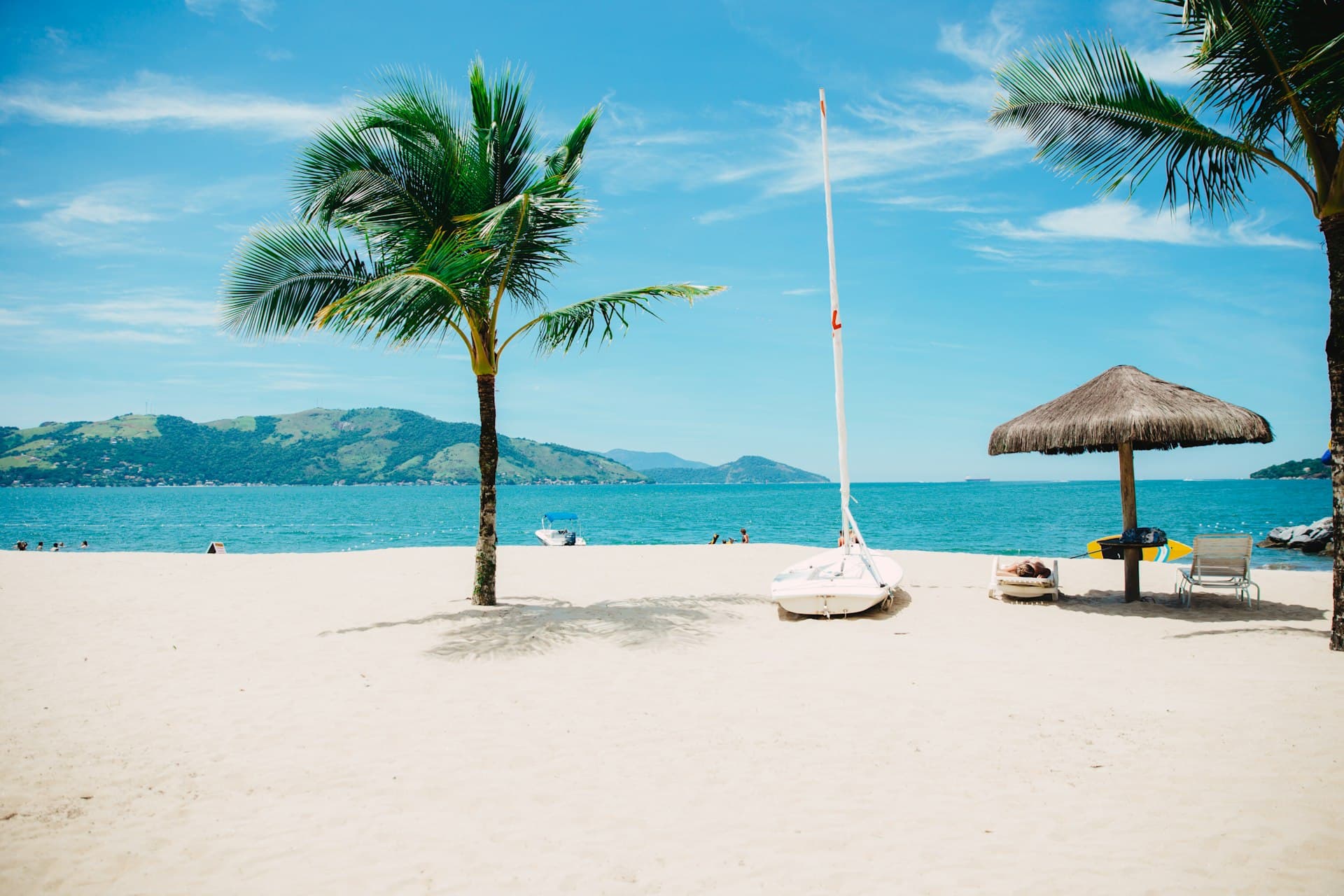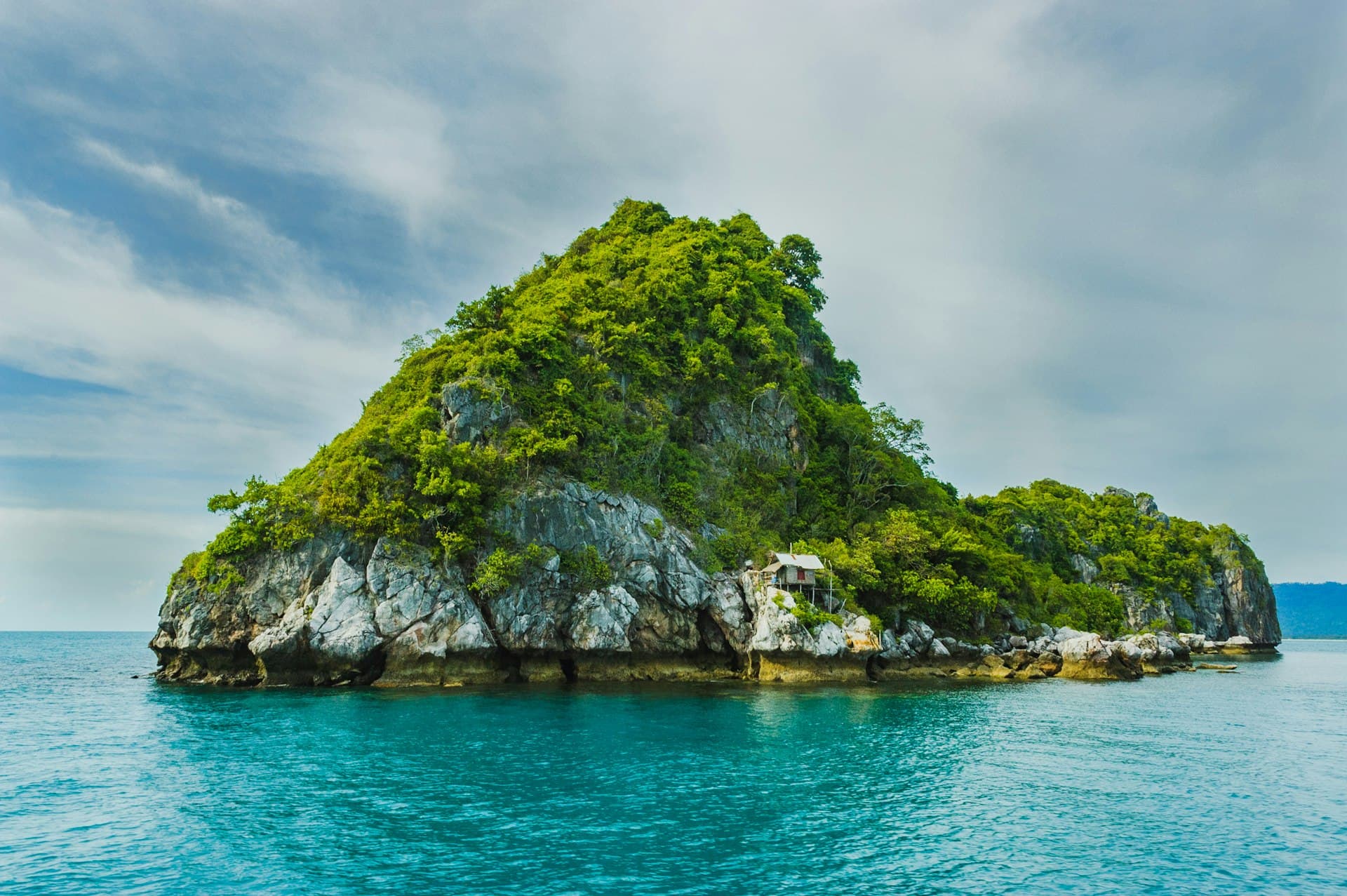
The Mesoamerican Reef system begins in earnest off the coast of Belize and runs south to Honduras, forming a continuous barrier that keeps the inner coastal waters shallow, warm and largely protected from the Caribbean swell. Behind the reef, the cayes (islands) of the Belize coast range from the developed tourist infrastructure of Ambergris Caye in the north to the uninhabited mangrove islands of the Sapodilla Cayes in the south.
The Blue Hole is the dive site that everyone comes for: a circular submarine cave 300 metres across and 125 metres deep, formed when a limestone cavern collapsed during the last ice age when sea levels were lower. Jacques Cousteau listed it among the world’s top ten dive sites in 1971, which is either a recommendation or a warning depending on your appetite for company. The descend to 40 metres on the cave walls, where the stalactites from the ice-age cave ceiling are still intact, is genuinely extraordinary; the dive itself is more for visual drama than marine life.
Turneffe Atoll, twenty miles east of Belize City, is the largest atoll in the Caribbean and one of the least-visited. The diving on the outer wall is as good as anything in Belize, and the remote anchorages on the atoll’s western side see perhaps one or two visiting vessels a week. The Elbow, on the atoll’s southeastern tip, is the premier drift dive in Central America.
Honduras’s Bay Islands — Roatán, Utila, Guanaja — are accessible from the Belize charter area by a day’s passage south. Roatán has the most infrastructure; Utila is the budget diver’s destination; Guanaja, largely undeveloped, is the most interesting for a superyacht charter.
- Great Blue Hole — one of the world's most celebrated dive sites
- Turneffe Atoll — pristine outer-wall diving in the Caribbean's largest atoll
- Lighthouse Reef — remote, largely uninhabited, exceptional snorkelling
- Guanaja, Bay Islands — colonial Spanish history and undeveloped anchorages
November to April is the dry season in Belize, with northeast trades providing reliable sailing conditions and the best diving visibility. The rainy season (May–October) brings higher temperatures, afternoon showers and occasionally elevated seas from tropical systems in the Caribbean. Hurricane season runs June to November, though Belize's latitude means it is less exposed than the northern Caribbean.