The Guna Yala governance of the San Blas Islands is not a tourist construct — it is a legal reality established by treaty with the Panamanian government in 1938, renewed and strengthened since. No hotel chains, no golf courses, no corporate beach clubs. What exists instead is a community of roughly 50,000 Guna living on their islands and in the coastal villages of the mainland in much the way they have for centuries, with the addition of outboard engines, mobile phones and a small but significant charter tourism economy.
For the charterer, this translates into a specific experience: you anchor off a small island, a dugout canoe comes alongside within the hour, and a transaction takes place — provisions, molas, fish, sometimes fresh coconuts. The Guna are not hostile to visitors; they are matter-of-fact about them. You are welcome to come ashore, to walk through the village, to buy the textiles. You are not welcome to photograph without asking first.
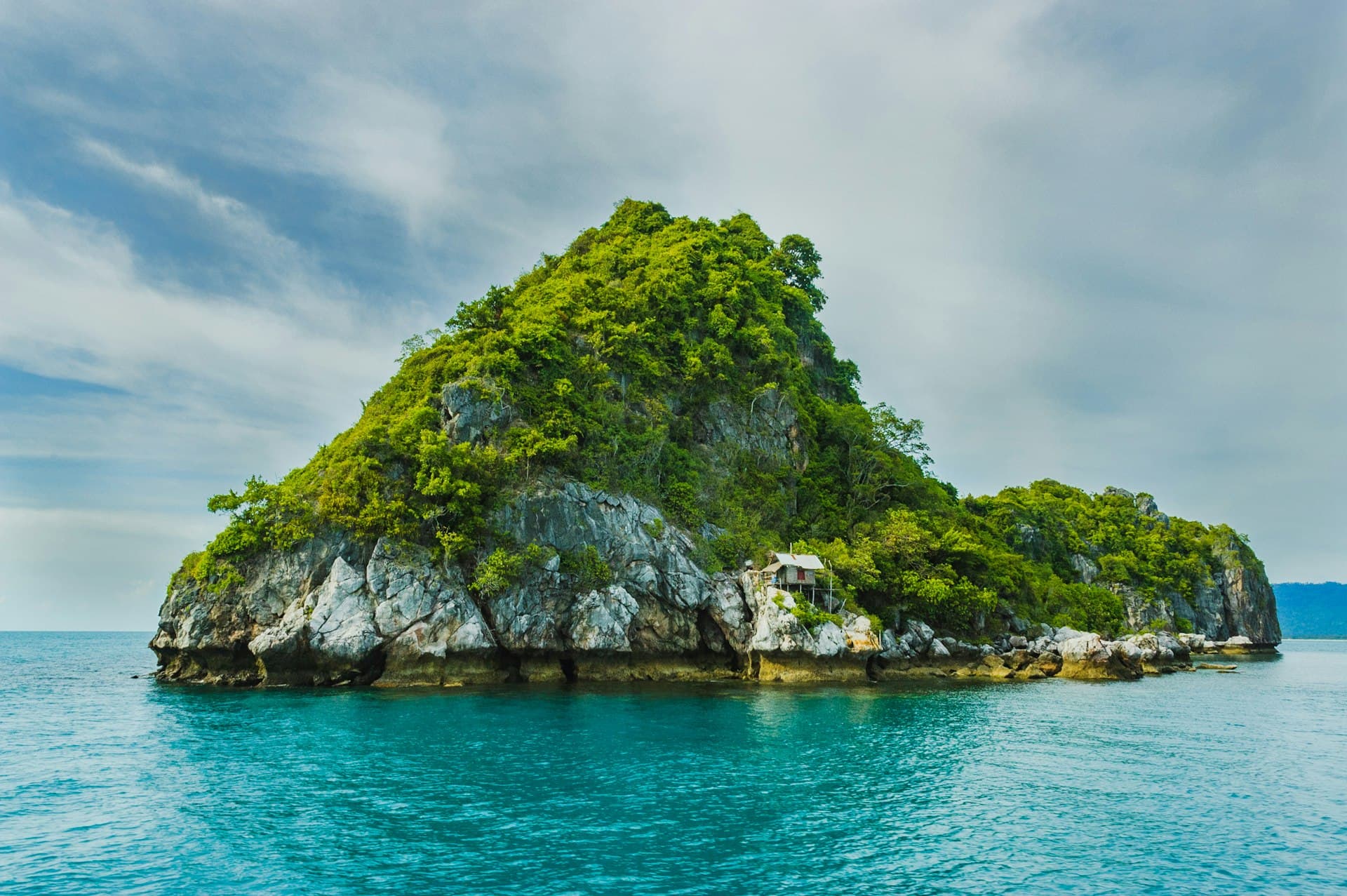
The diving and snorkelling are exceptional — shallow reef systems with high coral cover, visibility of 25–30 metres, and the fish populations of a coast that has had no commercial fishing for decades. The most celebrated snorkelling is at the Hollandes Cays, where the reef runs close to the surface and the water colour achieves the turquoise of a travel poster.
The charter season is year-round, with January to April the driest months and the least wind. The Caribbean side of Panama is wetter than the Pacific side; in the rainy season (May–December) the afternoons often bring showers, but they clear quickly and the mornings are usually fine.
- Guna Yala mola textiles sold directly from dugout canoes alongside the vessel
- Hollandes Cays — shallow reef snorkelling with 25–30m visibility
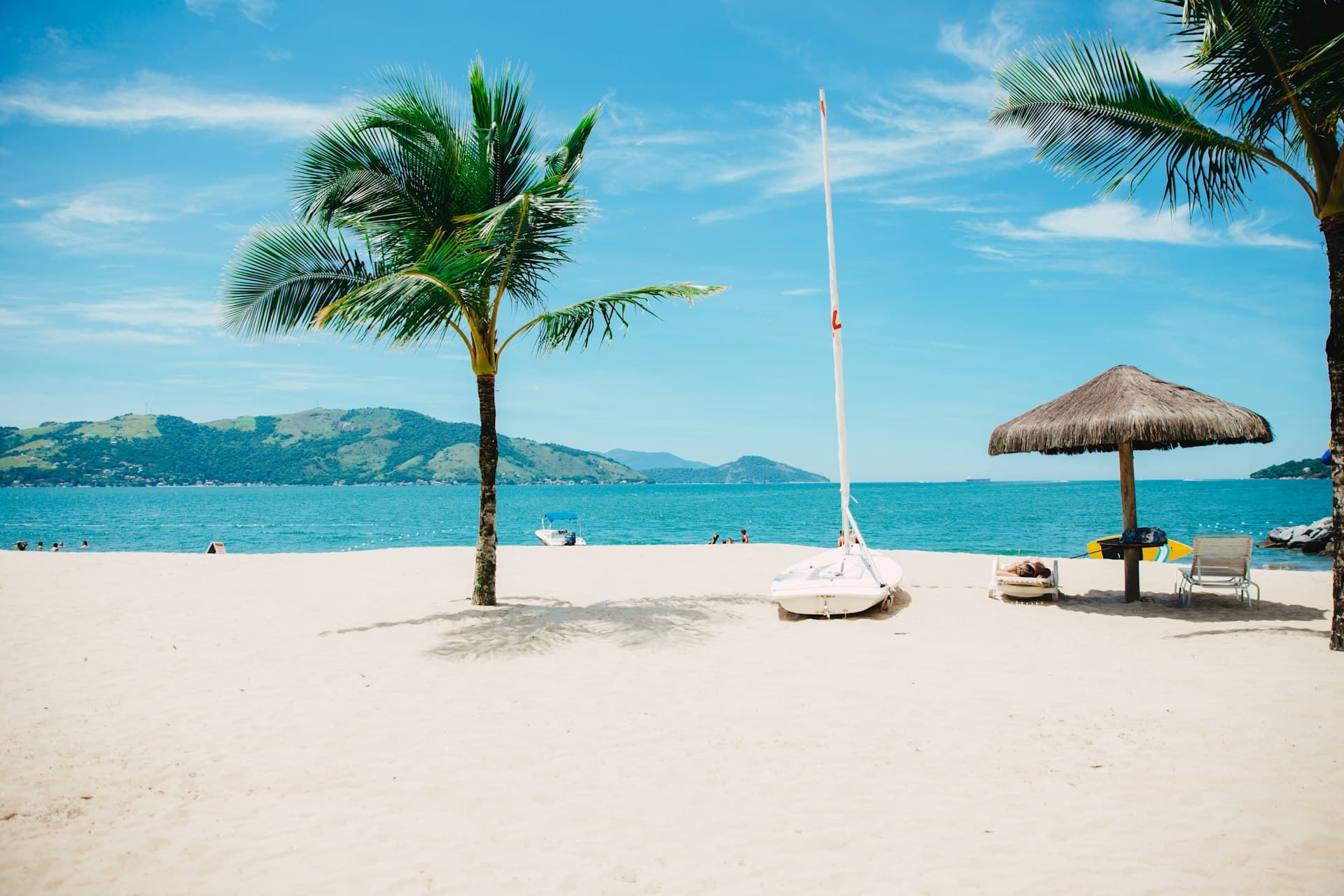
- Uninhabited islands with white sand beaches and coconut palms
- Day passage through the Panama Canal — one of the world's great engineering achievements
January to April is the driest period, with consistent northeast trade winds and the best sailing conditions. May to December is wetter, with afternoon showers, but the mornings are generally clear and the diving visibility is unaffected. The passage between San Blas and the Panama Canal takes approximately one day; ADY can arrange full itineraries incorporating the Canal transit.