Charter in Corfu: What to Expect
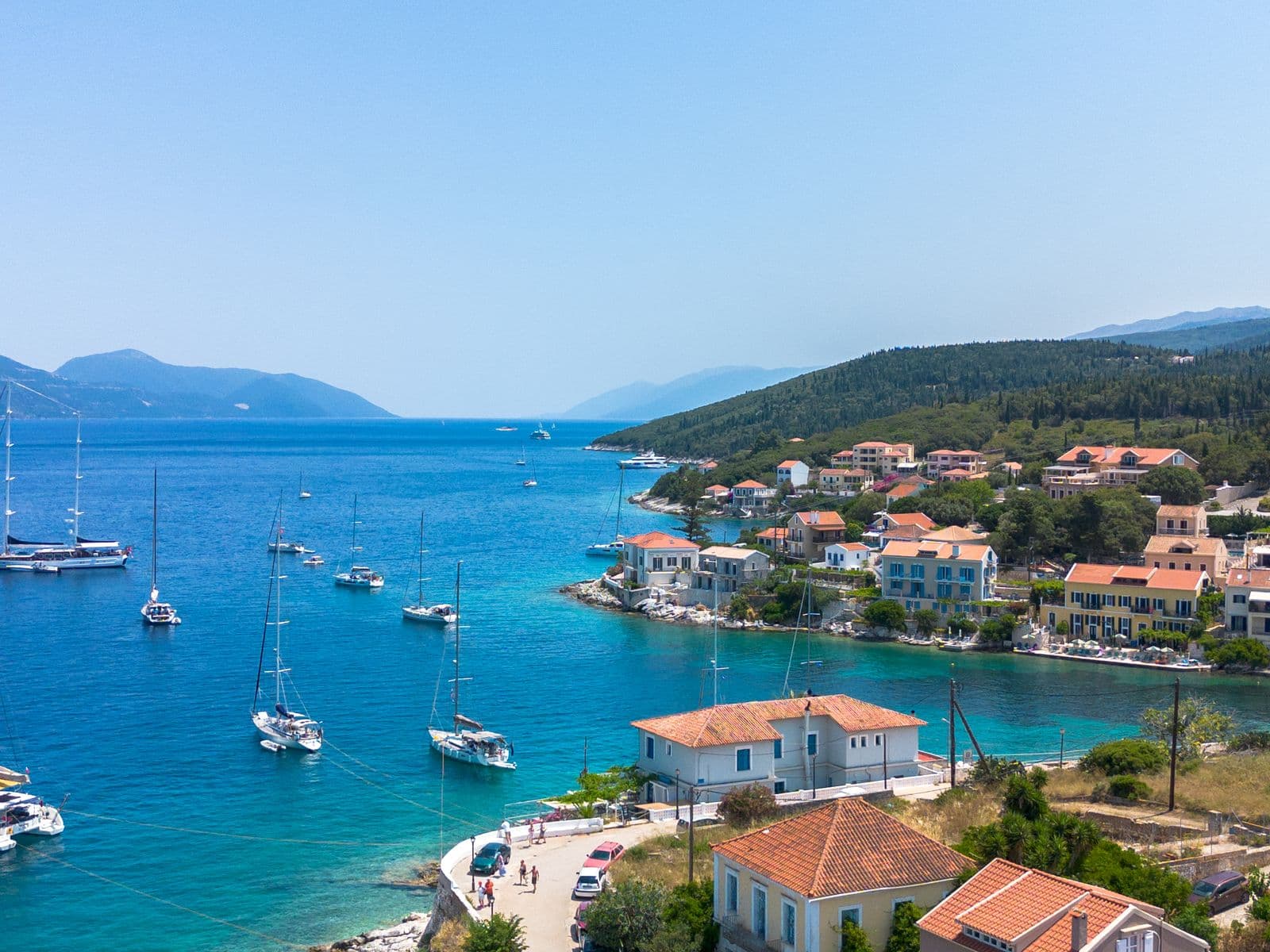
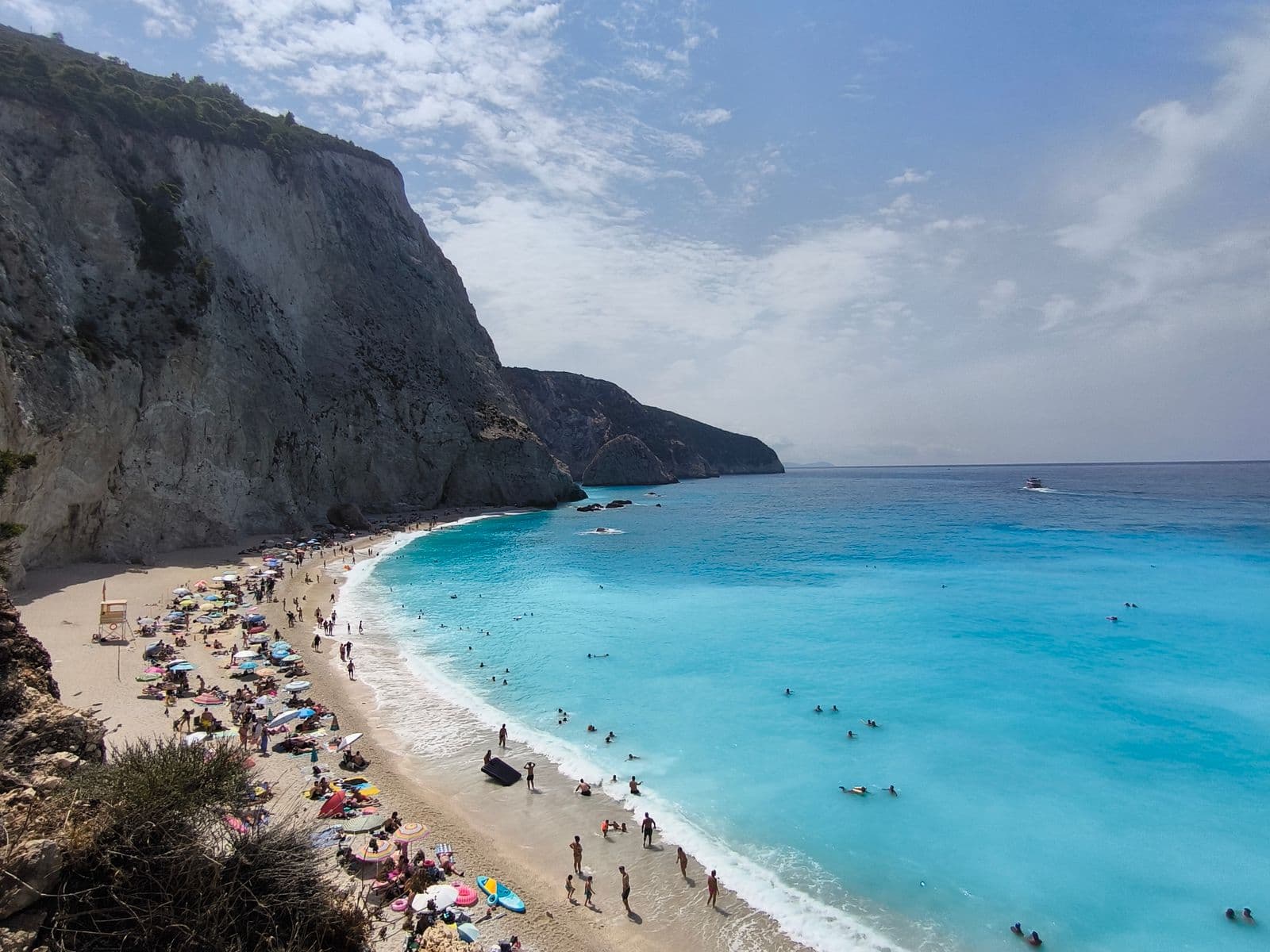
A Corfu charter is a different experience from the Aegean. The Ionian Sea is calmer and its winds more predictable, the palette a deep green meeting clear turquoise. Corfu is the archipelago's main island: sophisticated without being overcrowded, historic without feeling preserved-in-aspic. Expect well-maintained marinas, good provisioning, and a coastline long enough to absorb a full fortnight afloat without repetition. The northern tip, separated from Albania by a few nautical miles of channel, holds some of the most dramatic sailing scenery in the Ionian.
Anchorages & Highlights
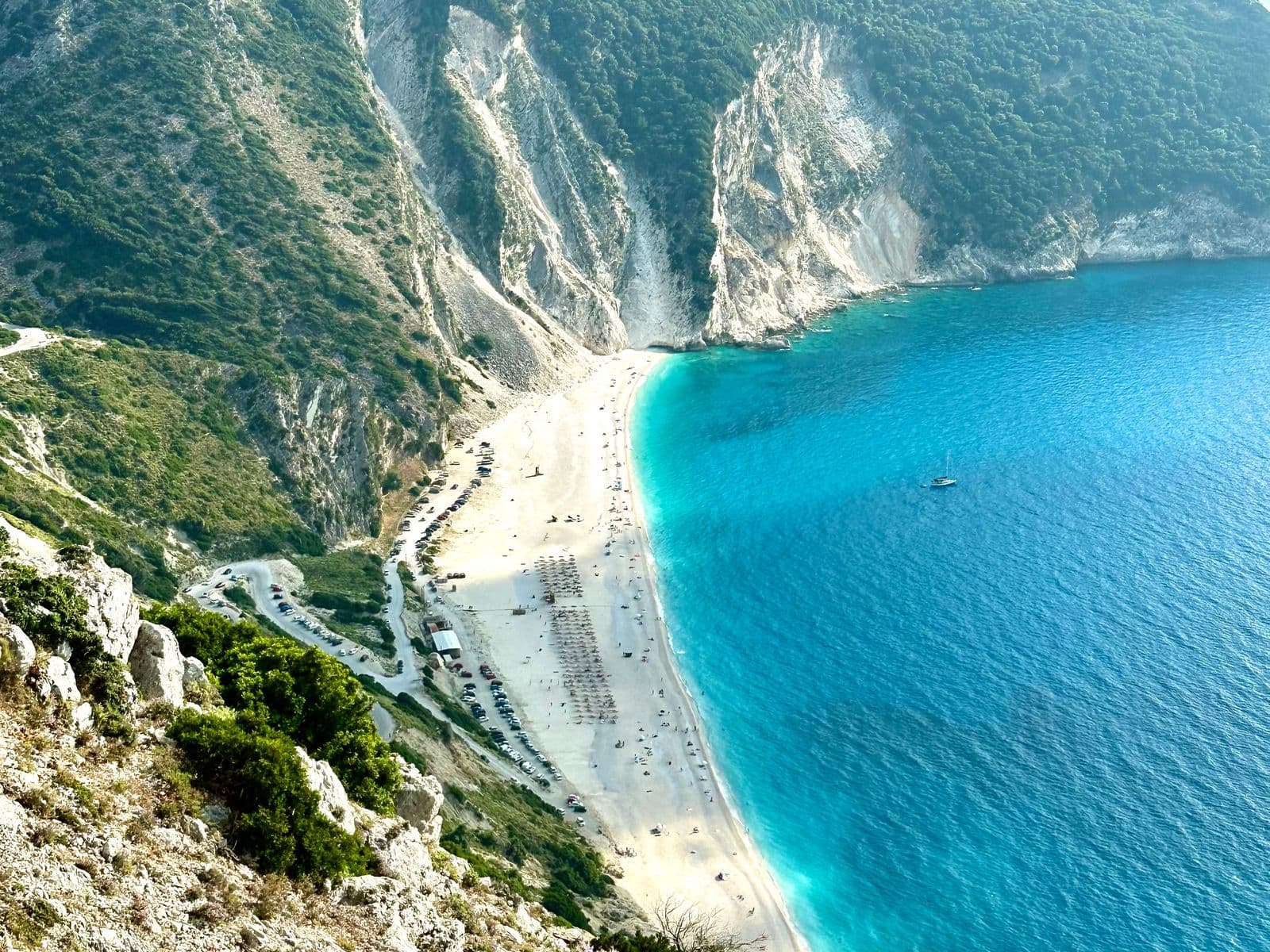
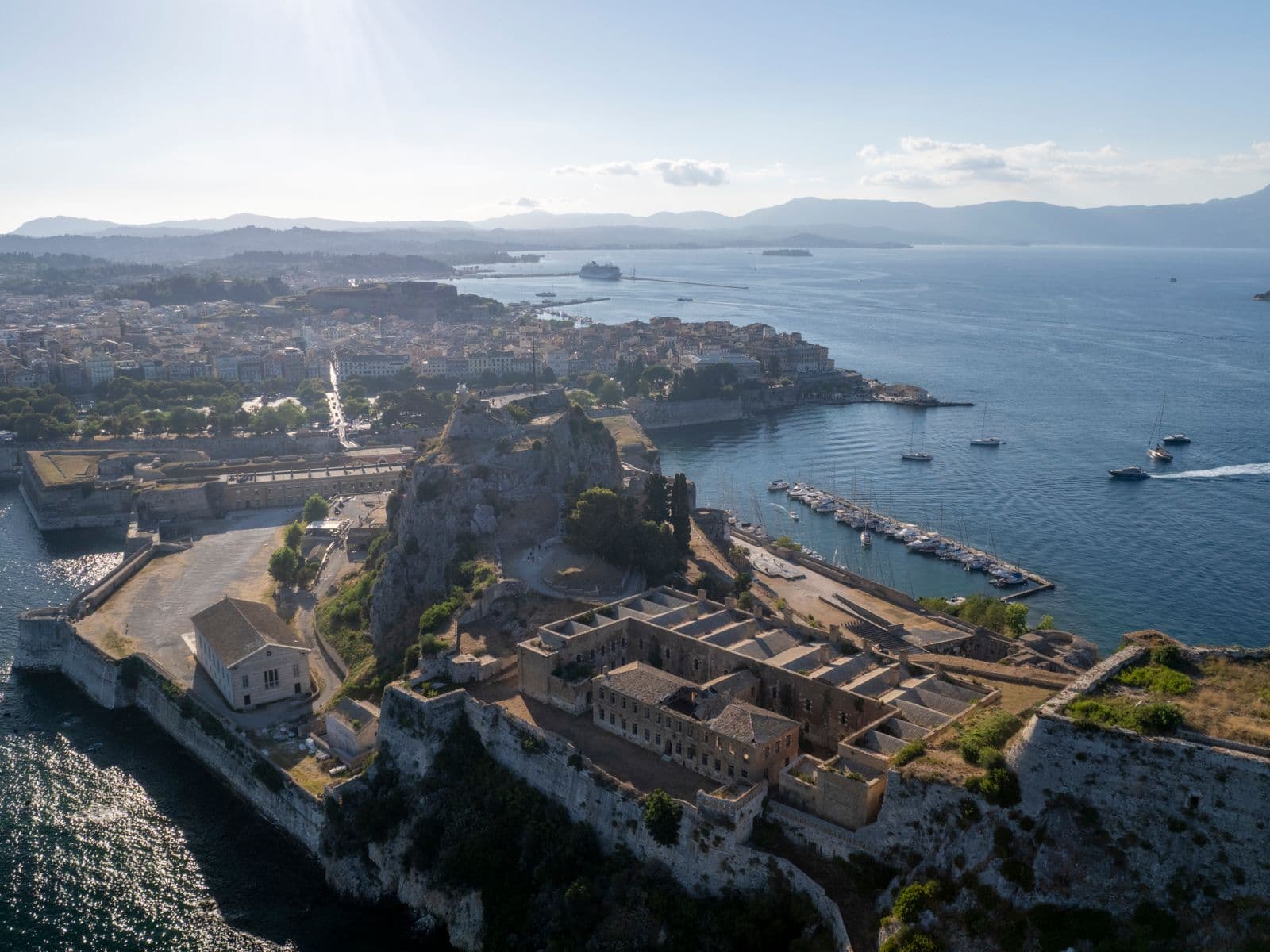
The west coast comes first. Paleokastritsa Bay, with its monastery-crowned headland and interlocking coves, is best at anchor in the early morning before the day visitors arrive. Further north, the pale sands of Agios Georgios Pagon back a wide, sheltered bay for overnight stays in settled conditions. On the northeast shore, the twin bays of Kalami and Kouloura — the latter a near-perfect horseshoe harbour — moor you directly beneath the villa where Lawrence Durrell wrote Prospero's Cell. Rounding the southern tip, Lefkimmi and the lagoon of Korission are a quieter, less-charted alternative. The old Venetian port of Corfu Town — a UNESCO World Heritage Site — is worth at least one night on the town quay, with the Old Fortress floodlit above your stern.
For charters extending beyond Corfu, the Diapontian Islands — Othoni, Erikoussa, and Mathraki — lie twelve nautical miles to the northwest and remain among the least-visited anchorages in the Ionian. Othoni, with its deep-water bay at Ammos, repays the crossing.
Best Time to Charter in Corfu
May through October is the Corfu charter season, with June and September the clearest sweet spot: warm sea, the Maestro — the Ionian's reliable north-westerly — at a comfortable Force 3–4, and the island short of its summer capacity. July and August bring reliable sunshine and a livelier harbour atmosphere, though guests seeking privacy anchor early and plan passages for the morning. Aris Drivas Yachting routes Corfu itineraries on five decades of operational knowledge of these waters, so the plan works with the conditions rather than against them.
Getting There
Corfu International Airport (CFU) takes direct flights from London, Amsterdam, Vienna, and other European cities through the season, so crew logistics are straightforward. The main marina at Gouvia, three nautical miles north of Corfu Town, is the most practical base for departures — full facilities including fuel, water, and provisioning. For those arriving by sea from Italy, the Brindisi–Corfu ferry is well established. Contact our charter team to discuss vessel selection, crew, provisioning, and itinerary.
- Anchor overnight in the horseshoe harbour of Kouloura on the north-east coast, one of the Ionian's most intimate mooring spots
- Explore the Diapontian Islands — Othoni, Erikoussa, and Mathraki — just 12nm north-west of Corfu, largely untouched by charter traffic
- Berth stern-to on the Corfu Town quay with the floodlit Venetian Old Fortress as your backdrop
- Sail the Corfu Channel, the narrow strait between the island and the Albanian Riviera, in reliable north-westerly Maestro winds
- Morning access to Paleokastritsa Bay's monastery coves before day-trip vessels arrive — a privilege reserved for those already at anchor
- Corfu International Airport (CFU) receives direct European flights, keeping crewed charter logistics straightforward
June and September offer the most balanced conditions for a Corfu yacht charter: the Maestro north-westerly blows at a consistent force three to four, sea temperatures exceed 24°C, and anchorages remain comfortable rather than crowded. July and August guarantee sunshine and a vibrant harbourside atmosphere but require early anchoring to secure the best positions in popular bays. May and early October suit experienced sailors seeking near-empty waters and crisp, clear visibility that can extend well beyond thirty nautical miles.
A Corfu yacht charter introduces a very different Greece from the dry white intensity of the Cyclades. Corfu is green, layered with Venetian and British history, and set within the calmer cruising conditions of the Ionian Islands. For many guests, a crewed yacht charter in Corfu is exactly what they are looking for: shorter passages, calmer anchorages, and a charter week that feels expansive rather than tactical.
A yacht is the right way to experience Corfu because the island's value lies in its contrasts. Corfu Town deserves a proper arrival, but the week should also include the west-coast bays, the smaller islands to the south, and at least one stretch of open water toward Paxos, Antipaxos, or the southern Ionian. From the deck, one moves easily between old fortifications, village lunches, and some of the easiest swimming waters in the Greek charter market.
Corfu also works exceptionally well for mixed-age groups and guests less interested in hard sailing. The Ionian lets the charter breathe. That ease does not make it bland; it makes it flexible, which is often more valuable.
Gentler Ionian sea conditions
Corfu Town and Venetian heritage
Natural pairing with Paxos and Antipaxos
Strong fit for families and multi-generation groups