Charter in Tinos: What to Expect
Tinos has resisted the homogenisation of Aegean tourism. The island's identity is anchored by the Church of Panagia Evangelistria, whose icon draws Greek Orthodox pilgrims year-round and gives the island an unhurried character distinct from the nightlife of Mykonos, eight nautical miles to the south. On a charter here you move between two registers: Tinos Town and the wind-sculpted north and east coastline, where marble outcrops meet the sea in near-architectural formations. The local gastronomy is a draw in its own right — Tinos is among Greece's better-regarded culinary islands — with loukoumades, aged cheeses, and farm-to-table menus in villages barely touched by tourist infrastructure.
Anchorages & Highlights
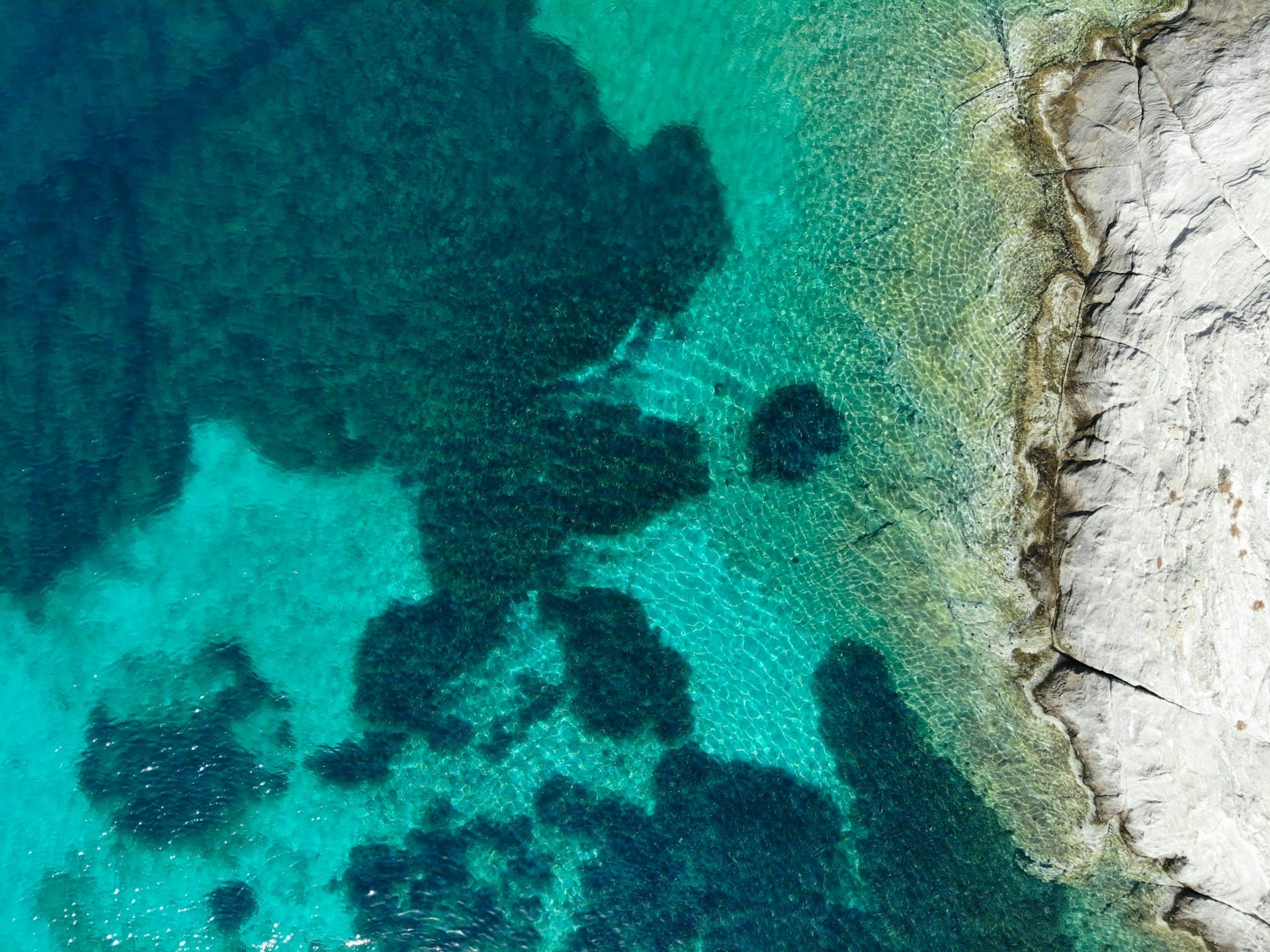
The anchorages around Tinos repay careful seamanship. Ormos Kolymbithra on the north coast is the island's most striking double bay — two sweeping inlets sheltered by granite boulders, the water a vivid jade-green. Porto on the northeast coast is a sheltered working-village anchorage with a quayside taverna and the pleasure of waking to fishing boats rather than tenders. The bay of Agios Sostis on the southwest shore has calm summer holding and easy dinghy access to a long sandy beach. Further south, Ormos Panormos is a broad, deep bay for larger yachts seeking shelter in the meltemi, with the white village of Panormos on the hillside above. The port of Tinos Town, busier, is still a necessary overnight stop — walk the marble-stepped lanes of the old quarter and dine on the island's artichokes, capers, and aged graviera.
Best Time to Charter in Tinos
The charter window runs from late May through mid-October, with June and September the sweet spot for experienced sailors and first-timers alike. July and August bring the full meltemi — the northerlies that funnel through the Cyclades — reaching Force 5–6 in the channel between Tinos and Mykonos; it demands confident seamanship and rewards with fast passage-making. Crowds stay notably lower than the neighbouring islands through summer, and by September the island is almost entirely back to its residents.
Getting There
Tinos Town has regular high-speed ferries from Piraeus (about 4–5 hours by conventional ferry, under 3 hours by catamaran), so it is straightforward to join a charter in port before heading north to Andros or south to Mykonos and Syros. Its position makes it a natural waypoint on circuits taking in Delos, Mykonos, Syros, and the northern Cyclades. Aris Drivas Yachting has over five decades of Aegean charter experience and can place Tinos at the centre of a voyage or run it as a single extended destination charter. Contact our charter team to begin planning your Tinos charter.
- Anchorage at Ormos Kolymbithra — double-bay seclusion framed by large granite boulders
- Porto village on the northeast coast — a working harbour with quayside dining
- Tinos Town overnight stop — marble lanes, Panagia Evangelistria, and the island's local gastronomy
- Ormos Panormos — wide, deep bay offering reliable meltemi shelter for larger yachts
- Only 8 nautical miles from Mykonos — a natural part of a Cyclades circuit itinerary
- Tinos cuisine: among Greece's better-regarded culinary islands, with artichokes, capers, and aged graviera served dockside
The prime charter season in Tinos runs from late May through to mid-October, with June and September offering the most balanced conditions — settled winds, warm water temperatures, and significantly lower vessel and visitor traffic than peak summer. July and August deliver the full meltemi, a consistent northerly that can build to Force 5–6 in the Tinos–Mykonos channel, making these months best suited to experienced crews or those seeking spirited blue-water sailing in the Cyclades. Tinos remains quieter than its neighbours throughout the entire season, ensuring even August arrivals by yacht will find anchorages that feel genuinely private.
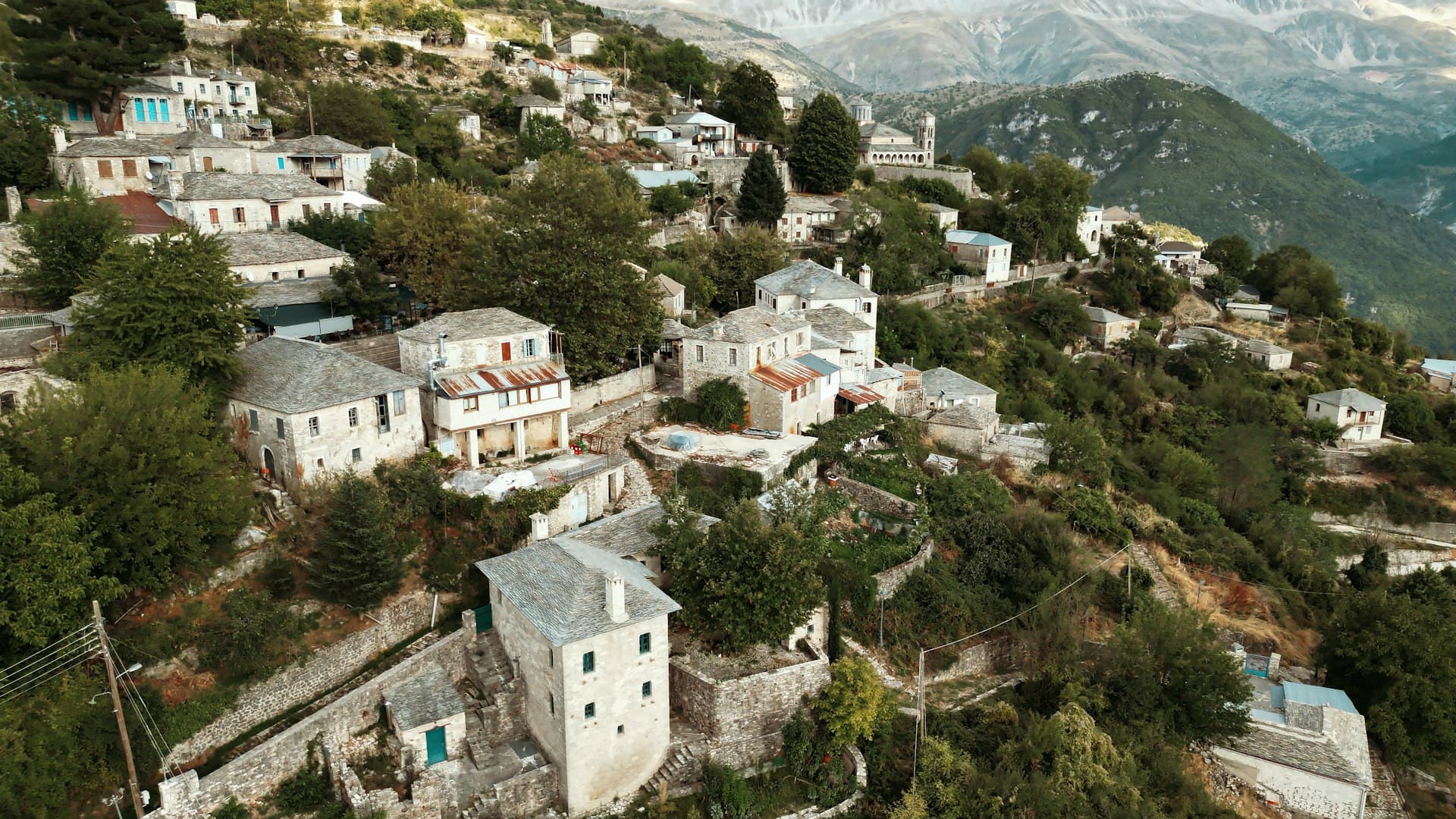
Tinos is the insider's island. While tourists flock to Mykonos next door, those who know Greek culture come to Tinos for its extraordinary villages — over forty of them scattered across green hillsides, many built by marble craftsmen whose tradition continues today.
Pyrgos, in the north, is a village made almost entirely of marble — even the street gutters are carved from it. The island's interior is dotted with hundreds of ornate dovecotes, a Venetian-era legacy that has become Tinos's visual signature. And the food scene rivals anywhere in the Cyclades: artichokes, capers, local cheeses, and restaurants that draw Athens food critics to this quiet island.
For Greek Orthodox pilgrims, Tinos holds special significance. The Church of Panagia Evangelistria in Tinos Town houses a miracle-working icon, and the harbour-front avenue is one of the great pilgrimage routes. By yacht, Tinos is a natural pairing with Mykonos, Andros, or Syros.
Pyrgos — marble village with active sculptural tradition
Over 600 ornate Venetian dovecotes across the island
Outstanding gastronomy — artichokes, capers, local cheeses
Panagia Evangelistria — Greece's most important pilgrimage church
Uncrowded alternative to neighbouring Mykonos
Kolymbithra bay — dramatic twin beaches on the north coast