The Aegean rewards those who look beneath it. A diving charter with ADY reaches reefs, walls, and submerged histories that ferry timetables and day boats never touch.
What the Aegean Holds Beneath
The Mediterranean is often described from above: the colour of the water, the quality of the light, the islands appearing one after another over a low horizon. Yet for divers the greater revelation begins where the light begins to fade. What looks calm and familiar from deck level can become, ten metres below, a different geography altogether: walls running into blue water, caves cut by prehistoric sea levels, amphora fragments, anchor stocks, and reefs holding far more life than the surface traffic suggests.
A crewed yacht changes the meaning of a diving holiday because it changes access. The best diving grounds in Greece are rarely those closest to a port. They sit off exposed island corners, within marine parks, near isolated islets, or at sites that only make sense if you can arrive early, anchor securely, and depart without having to return to a mainland base. That is why a diving charter is not simply a standard yacht charter with tanks added. It is an itinerary built from the seabed upward.
At ADY we plan these charters for guests who range from newly confident recreational divers to highly experienced enthusiasts with a clear list of objectives. Some are interested in calm, beautifully clear water and a relaxed liveaboard rhythm. Others want wrecks, archaeological context, underwater photography, or multiple dives a day across shifting conditions. In every case the principle is the same: the yacht should create access, safety, and pace, not complication.
Where We Like to Dive
The Dodecanese remains one of the most rewarding regions for a Greek diving programme. Around Symi, Halki, Tilos, and the less-visited southern coasts of Rhodes, the water is reliably clear and the underwater topography varied. There are steep drop-offs, volcanic formations, caverns, and reefs where visibility can be exceptional by Mediterranean standards. The islands are close enough together to allow variety, yet dispersed enough that a yacht can keep the programme feeling exploratory.
The Sporades offer a different register. The National Marine Park of Alonissos and the Northern Sporades protects some of the richest marine life in Greek waters and includes sites of archaeological importance as well. Diving here carries a sense of discipline and privilege because access is managed. It is one of the few areas in the Aegean where conservation remains visibly central to the experience. For guests who care about both ecology and history, it is difficult to better.
The Cyclades are not traditionally marketed first as a diving region, but selected sites around Milos, Polyaigos, and the lesser-frequented outer islands can be excellent. Geological drama above the surface often corresponds to it below. Lava-shaped rock, sudden depth changes, and caves create terrain that is particularly interesting for photographers and experienced recreational divers.
For wreck-focused itineraries, certain northern Aegean and eastern sectors become relevant, though these programmes require more precise planning and a willingness to adapt to weather and permissions. Some wrecks are notable less because they are spectacular to look at than because they sit within the historical traffic of the Eastern Mediterranean: trade, war, pilgrimage, and migration all passed through these waters. The diving becomes richer when that history is understood rather than merely listed.
Why the Yacht Matters
A day-boat diving operation is bound to a timetable. A yacht is not. That freedom matters more than non-divers often appreciate. A first dive can happen at dawn when the site is quiet and the surface flat. A second dive can be delayed until visibility improves or wind eases. If a bay becomes busy, the yacht can move. If a site proves unusually good, the captain can hold position and let the programme breathe.
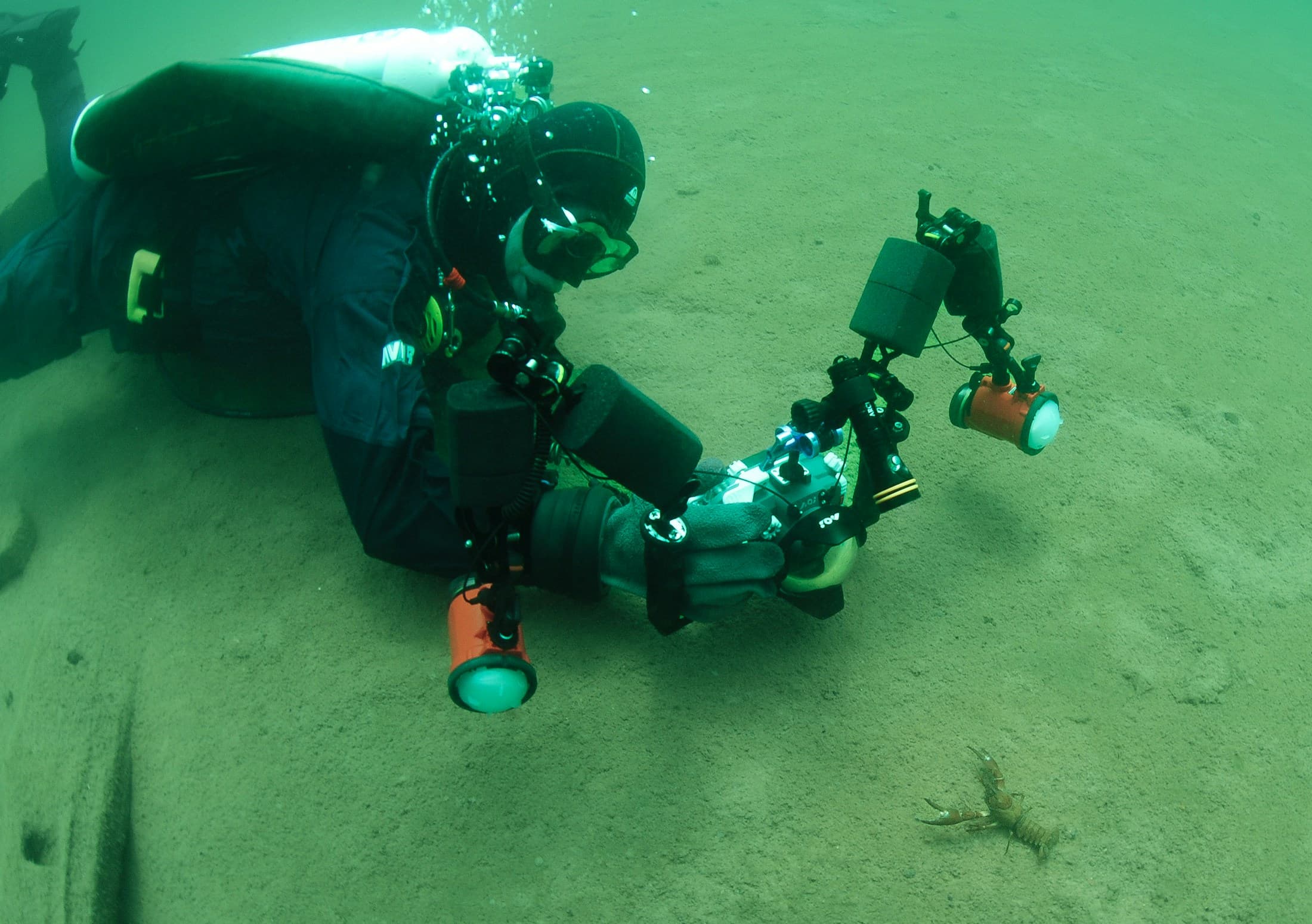
The liveaboard rhythm is also more civilised. Equipment can be stored properly, rinsed properly, and set up without the cramped urgency that often defines dive centres. Meals are timed to support the day rather than interrupt it. Surface intervals can be spent at anchor with lunch on deck rather than on a quay surrounded by day traffic. Guests who are serious about underwater photography especially benefit from this calm; camera preparation and review take time, and good photographs are usually the product of patience rather than speed.
We work with vetted local operators where site-specific guidance, permits, compressors, or additional support are needed. Tanks, weights, tenders, and surface support are arranged according to the plan, not improvised at the last moment. Where guests travel with their own equipment, we ensure the vessel and the route are suited to it. Where guests prefer to travel light, we organise hire from partners we trust.
How We Structure the Week
Before departure we ask for certification details, recent dive history, comfort with current and depth, and whether the emphasis should be marine life, underwater photography, archaeology, or simply excellent swimming and accessible dives. These distinctions shape the route. A guest interested in easy, repeated dives and afternoon swims should not be sent on a wreck-heavy itinerary designed for a different temperament.
We usually favour one or two dives in a day rather than trying to turn the week into a compressed training schedule. A well-run diving charter must still feel like a charter. There should be time for lunch, naps, reading, and the occasional unplanned stop in a good harbour. Even enthusiastic divers tend to enjoy the programme more when the sea retains some softness around the technical parts of the day.
Weather and comfort are part of the planning. The shoulder months often provide the clearest water and the least surface congestion. July and August remain possible, but the meltemi in exposed parts of the Aegean can make topside conditions less graceful between dives even when the water below remains excellent. Our role is to balance ambition with realism and choose a region that suits the season.
The point of a diving charter is not to collect as many logged dives as possible. It is to see the Mediterranean properly. Much of its true character lies below the surface, and a yacht is still the best platform from which to reach it.