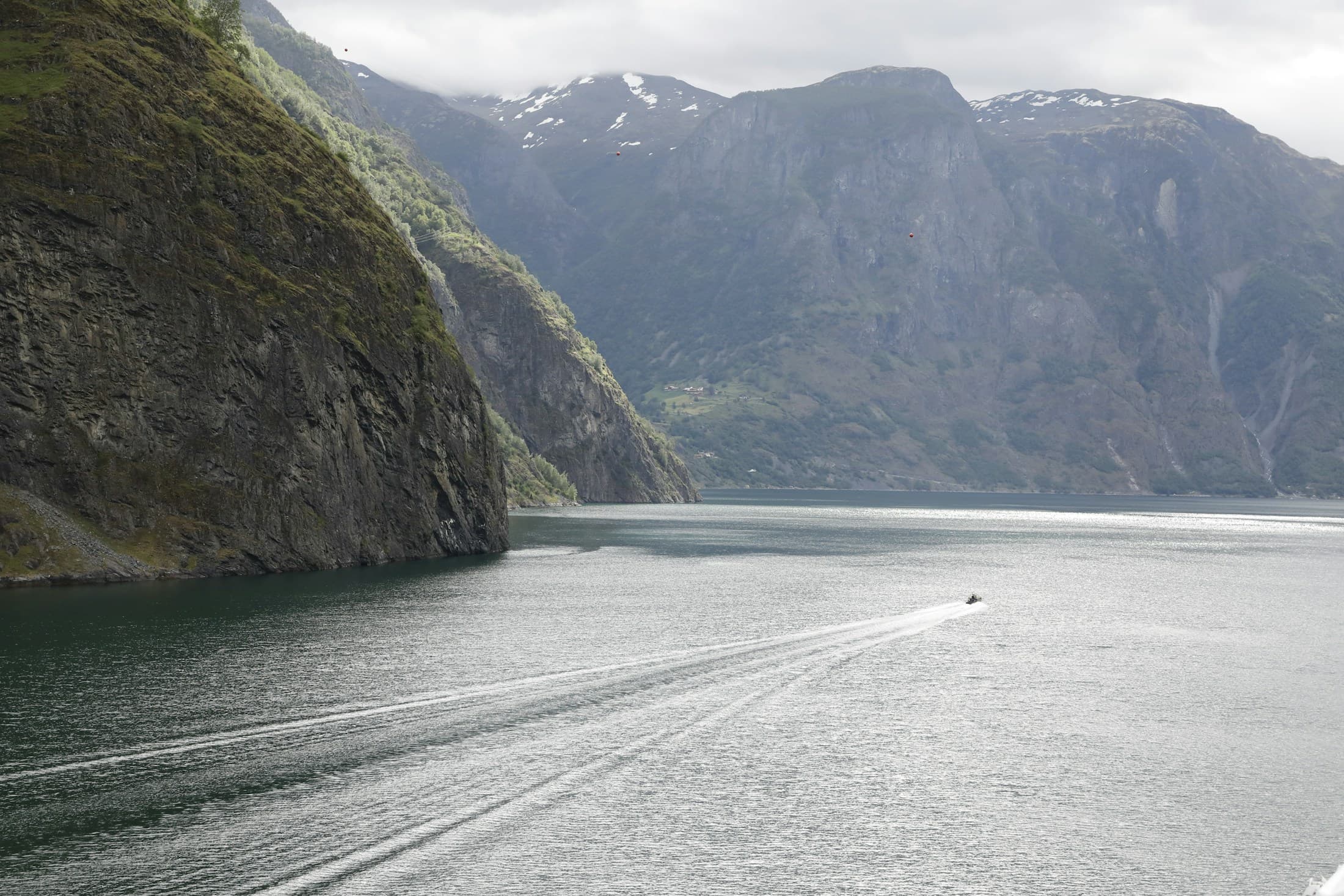
The most productive off-site is not a hotel conference room. A corporate charter combines privacy, pace, and a physical change of setting strong enough to break office habits rather than merely relocate them.
Why the Sea Works
Most corporate retreats fail for a straightforward reason: they recreate the office in a different building. The agenda is moved to a hotel meeting room, the participants are still reachable in all the same ways, and the day is divided between scheduled discussions and the sort of generic hospitality that makes no real change to how people think. The venue is different, but the mental habits remain intact.
A yacht can solve that problem precisely because it changes the frame rather than decorating it. The group occupies the whole environment. There is no neighbouring conference, no public lobby, no casual overlap with clients, competitors, or strangers at the next table. The setting is private without being static. A morning session can take place while the yacht is under way, lunch can happen at anchor, and the conversation can continue naturally over dinner without the abruptness of being shepherded from one room booking to another.
This is not an argument for novelty for its own sake. The sea works as a setting for serious discussion because it imposes a different rhythm. People look up more. They move between formal and informal conversation more naturally. They are less likely to disappear into fragmented parallel schedules. The shared experience of passage, anchorage, and meals on board creates continuity, and continuity is often what conventional corporate retreats lack.
At ADY we have arranged corporate and family-office charters for years, and the groups that return to the format tend to do so for the same reasons. They value discretion. They need time together that is difficult to reproduce in a city. They want a setting that feels elevated but not theatrical. And they want work to happen in a way that is genuinely productive rather than performatively strategic.
What This Format Is Good For
A yacht also allows the formal and informal parts of a programme to coexist without becoming awkwardly separated. A conversation begun over coffee can continue after a swim stop. A difficult decision that cannot be forced in a boardroom may become easier after an unstructured walk ashore in Hydra or a quiet dinner on deck at anchor. None of this is mystical; it is simply how people tend to think when they are not being moved through an over-managed environment.
For client-facing uses, the format works when discretion and quality matter more than spectacle. The right yacht allows a host to look attentive rather than ostentatious. Guests feel looked after without being trapped inside a branded experience. The sea supplies the atmosphere, which means the hospitality can remain understated.
Choosing the Right Cruising Ground
For short programmes of two to four days, the Saronic Gulf is often the most sensible answer. It is operationally easy from Athens, the passages are short, and ports such as Hydra, Spetses, and Poros give enough contrast to make the time away feel substantial. One can leave the city and be in a different mental register by the afternoon. That efficiency is useful when principals are short on time.
For longer charters, the Cyclades or selected Dodecanese routes become more interesting. These areas support a clearer distinction between work days, passage days, and social evenings. The movement of the yacht gives the week shape without requiring constant scheduling. Teams often find that they become more focused precisely because not every hour is explicitly programmed.
The Ionian also works well for mixed groups or guests with less sea experience. Conditions are generally gentler, harbours are close together, and the scenery is greener and softer in mood. That matters when the programme needs to feel restorative as well as productive.
How We Set the Yacht Up
Corporate charters need to be treated differently from leisure charters at the planning stage. We begin by asking what decisions or conversations the time aboard is meant to serve. Is the purpose strategic planning, relationship building, a reward format with light working sessions, or a highly private leadership discussion? The answer affects vessel choice, route, meal timing, shore activity, and even how much passage-making should be built into the week.
Connectivity is arranged pragmatically rather than assumed. We confirm onboard Wi-Fi quality, identify anchorages and ports where stronger connectivity is available if required, and avoid pretending that every bay in the Aegean can support video calls without friction. If the group needs documentation, printing, or workshop material, we arrange that in advance instead of improvising it halfway through the charter.
Working spaces are also considered carefully. Not every yacht suits a business programme equally well. Some have saloons that work beautifully for discussion but poorly for laptops. Others have excellent aft decks for group conversation but limited interior privacy. Matching the vessel to the format matters as much as selecting the destination.
We also advise groups not to over-programme. Three or four concentrated sessions across a week often produce more than full-day meeting blocks imposed at sea. The value of the environment lies partly in the spaces between the sessions, where people continue thinking and talking without feeling trapped in a corporate script.
The Qualities That Matter
What distinguishes a successful corporate yacht programme is not extravagance. It is control of tone. The food should be good, but not distracting. Service should be polished, but not theatrical. The itinerary should provide rhythm, but not pressure. Guests should feel they are somewhere privileged, but not in an environment so performative that serious conversation becomes impossible.
That balance is harder to achieve than it sounds, and it is exactly where experience matters. Too much emphasis on glamour and the week becomes trivial. Too much emphasis on work and one may as well have booked a conference floor. The sea allows for a third option: a setting of seriousness, privacy, and ease.
For the right group, that is often the most effective off-site available. Not because it is unusual, but because it removes just enough of ordinary professional life to make a different quality of thought possible.