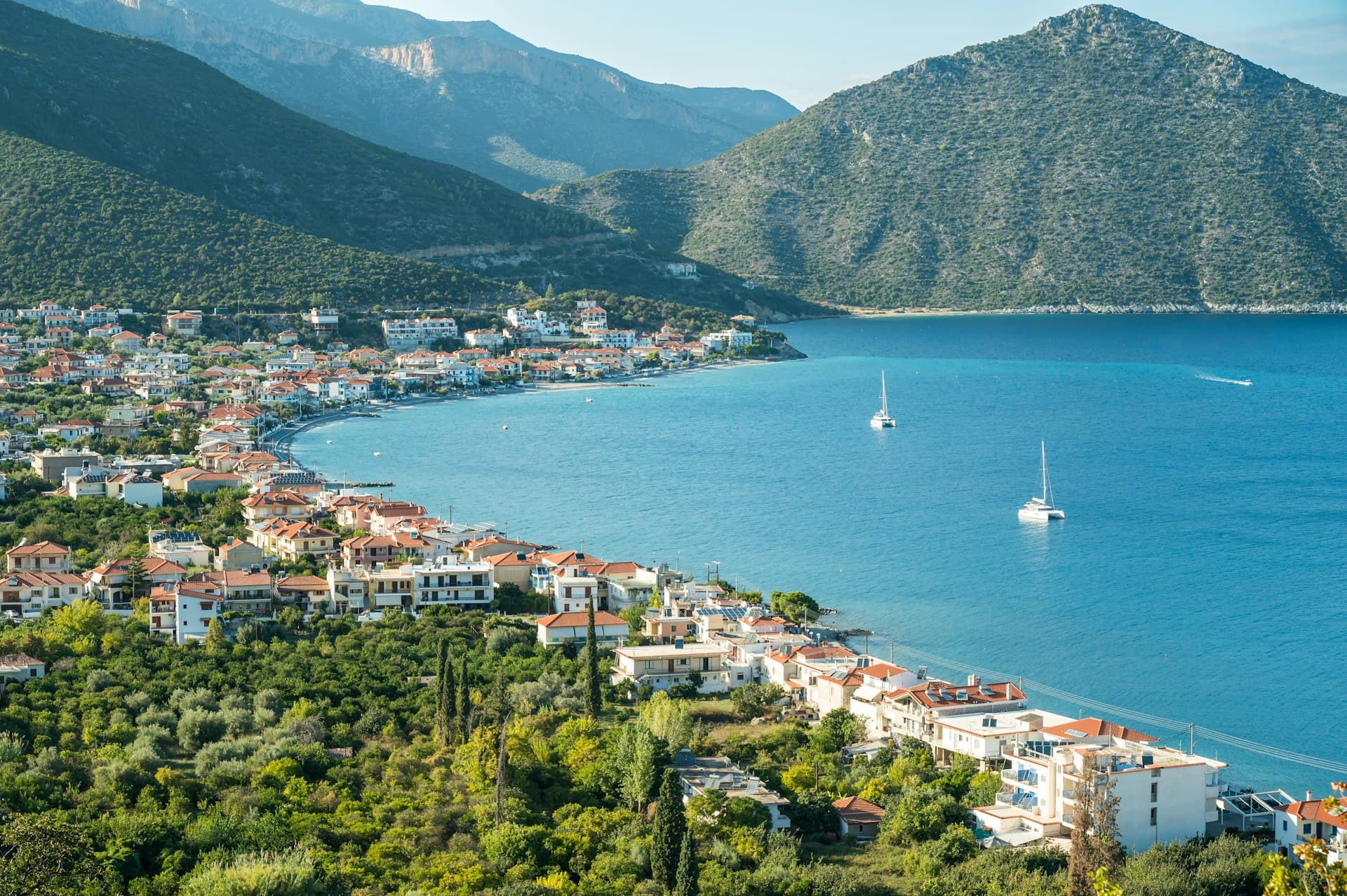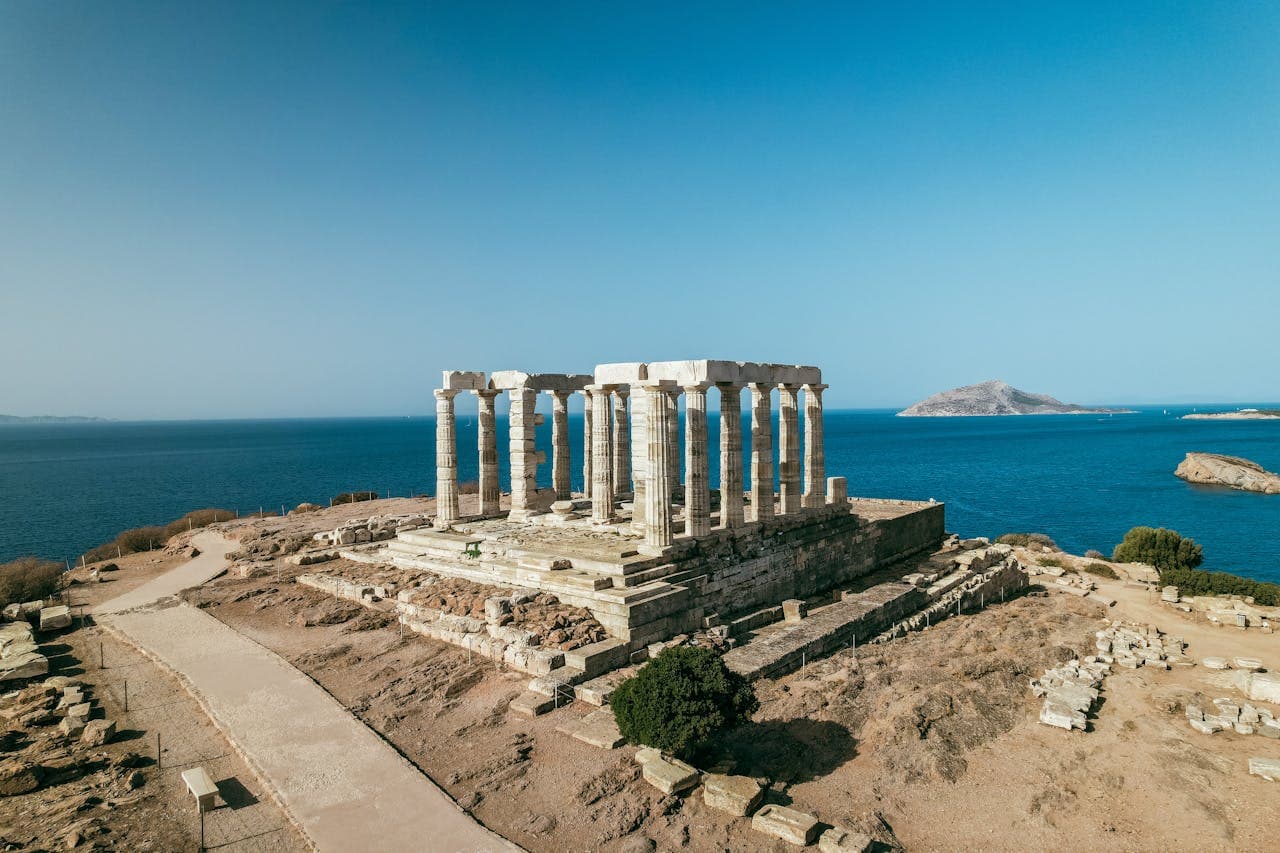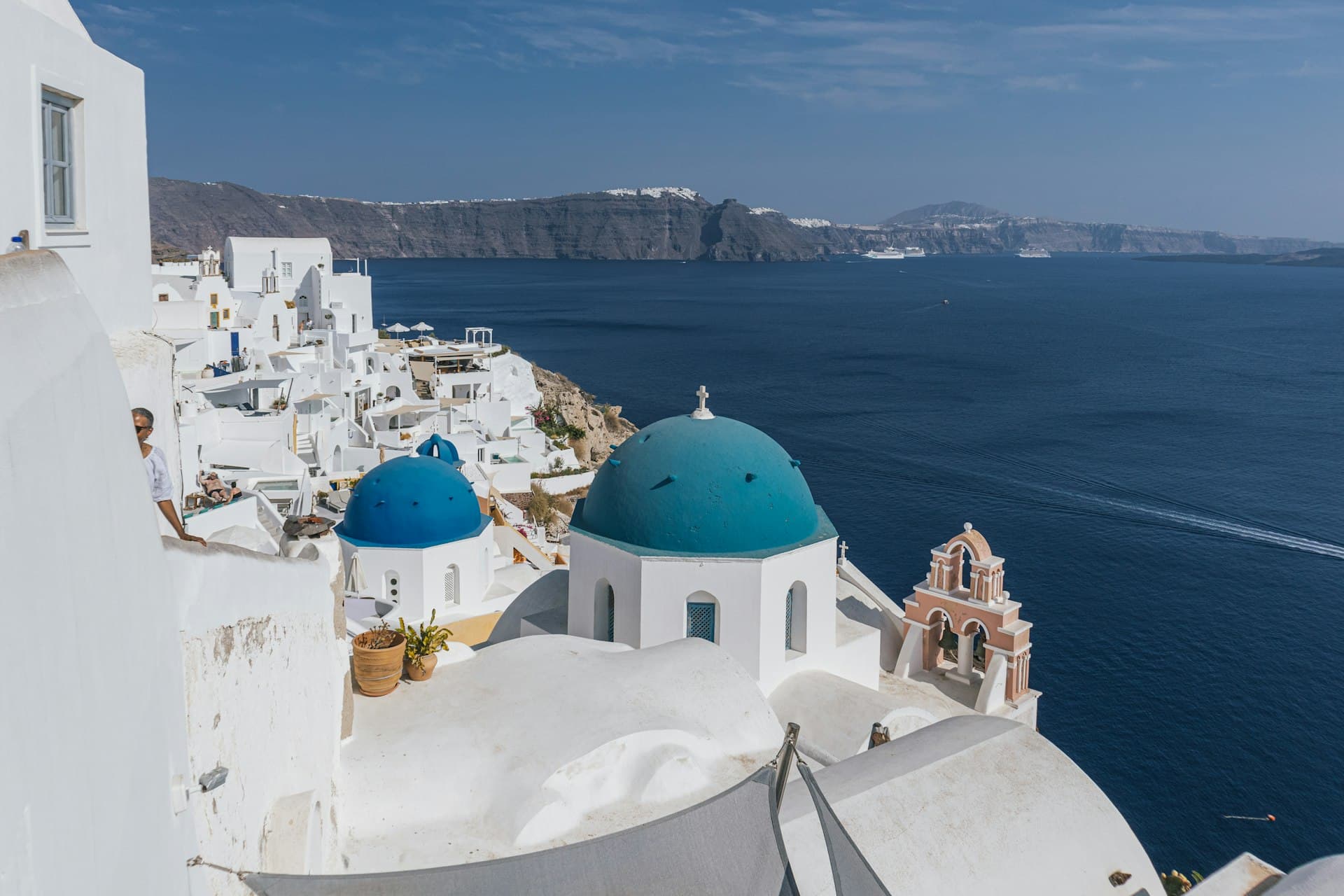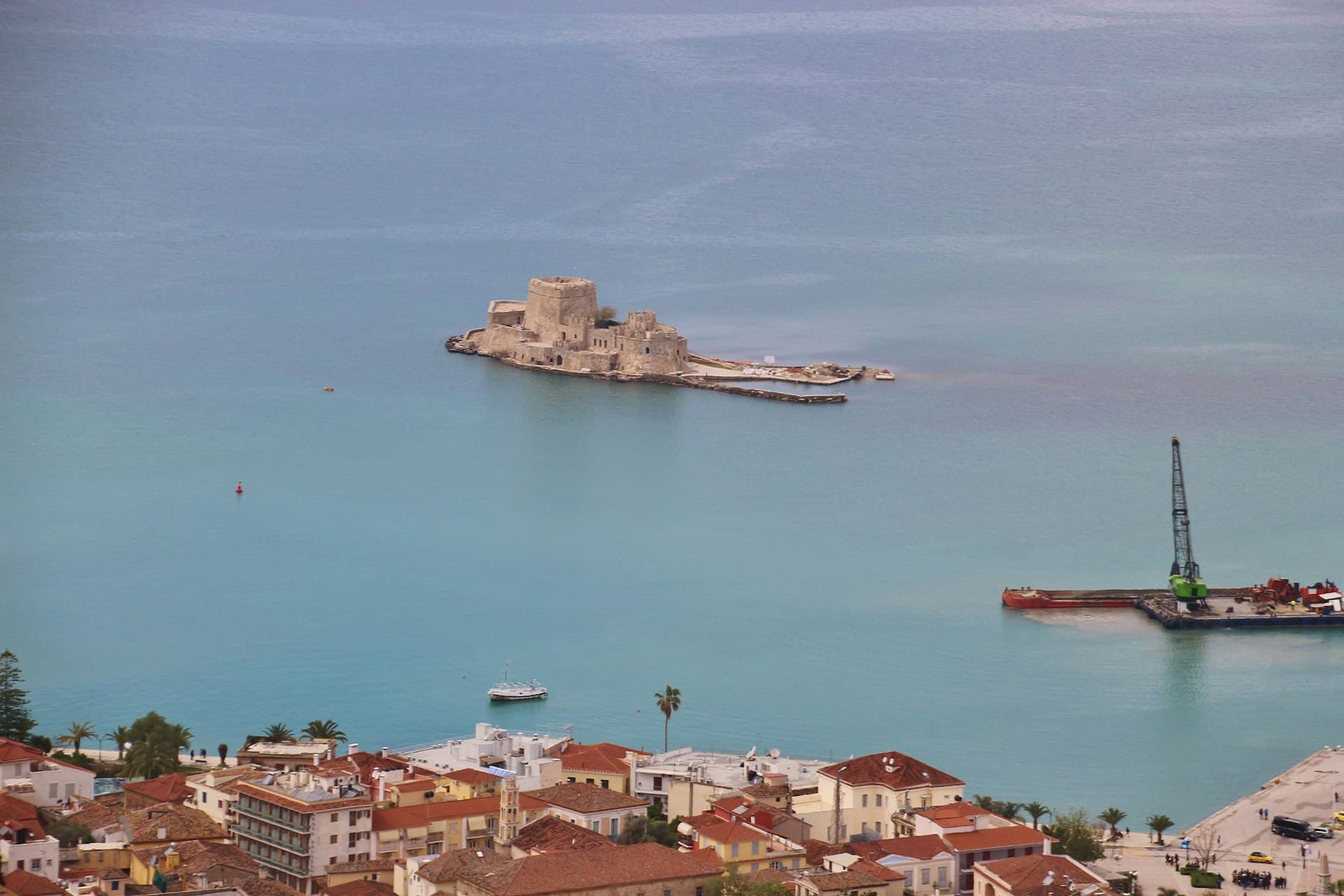
The Peloponnese is mainland Greece’s southern peninsula — a mountainous landmass nearly severed from the rest of the country by the Corinth Canal and surrounded on three sides by deep, open water. Its coastline is raw, varied, and largely uncommercialized. Fortified towns built by Venetians and Byzantines sit above harbours where a yacht may be the only visitor. This is charter territory for those who want history measured in millennia, coastline without marina villages, and anchorages earned rather than assigned.
The Peloponnese coast does not perform for visitors. It simply is what it has been for three thousand years — and that is enough.
Geography
The peninsula extends three fingers — Messenia, Mani, and Laconia — into the southern Aegean and Ionian seas. The east coast faces the Saronic and Argolic gulfs; the west faces the open Ionian. Cape Malea, at the tip of the eastern finger, is one of the Mediterranean’s historic headlands — known since antiquity for difficult conditions where the Aegean and Ionian seas meet. The Corinth Canal (6.4 km long, 21 metres wide) connects the Saronic to the Gulf of Corinth and allows yachts to transit between east and west coasts without rounding the peninsula.
Key Stops
A Typical Charter Week
The Peloponnese works best as a one-way charter or a loop from a Saronic starting point. An east-coast route from Athens: Saronic Gulf to Nafplio, Spetses, Monemvasia, around Cape Malea (weather permitting) to the Mani, and Kythira. A west-coast route (often starting via the Corinth Canal): Nafpaktos, Pylos, Methoni, the Mani. Passages are longer than in the islands — 25 to 40 nautical miles between major stops — but the coast itself provides interest throughout.
Season and Conditions
This is not a charter for those who want a new beach bar every evening. It is for those drawn to places where the walls have stood for eight centuries and the harbour still smells of thyme and salt. We have been bringing the right clients here for decades.