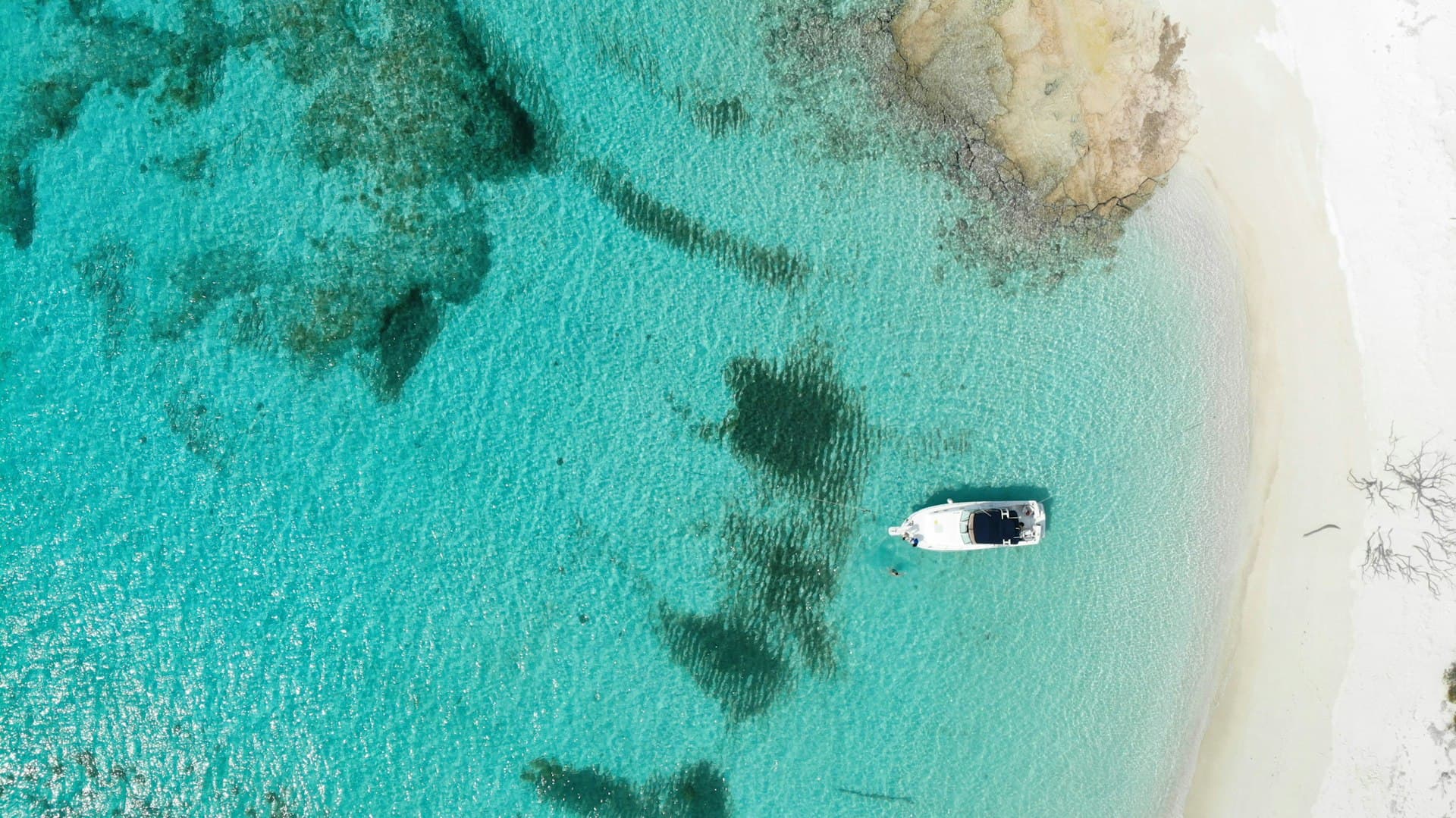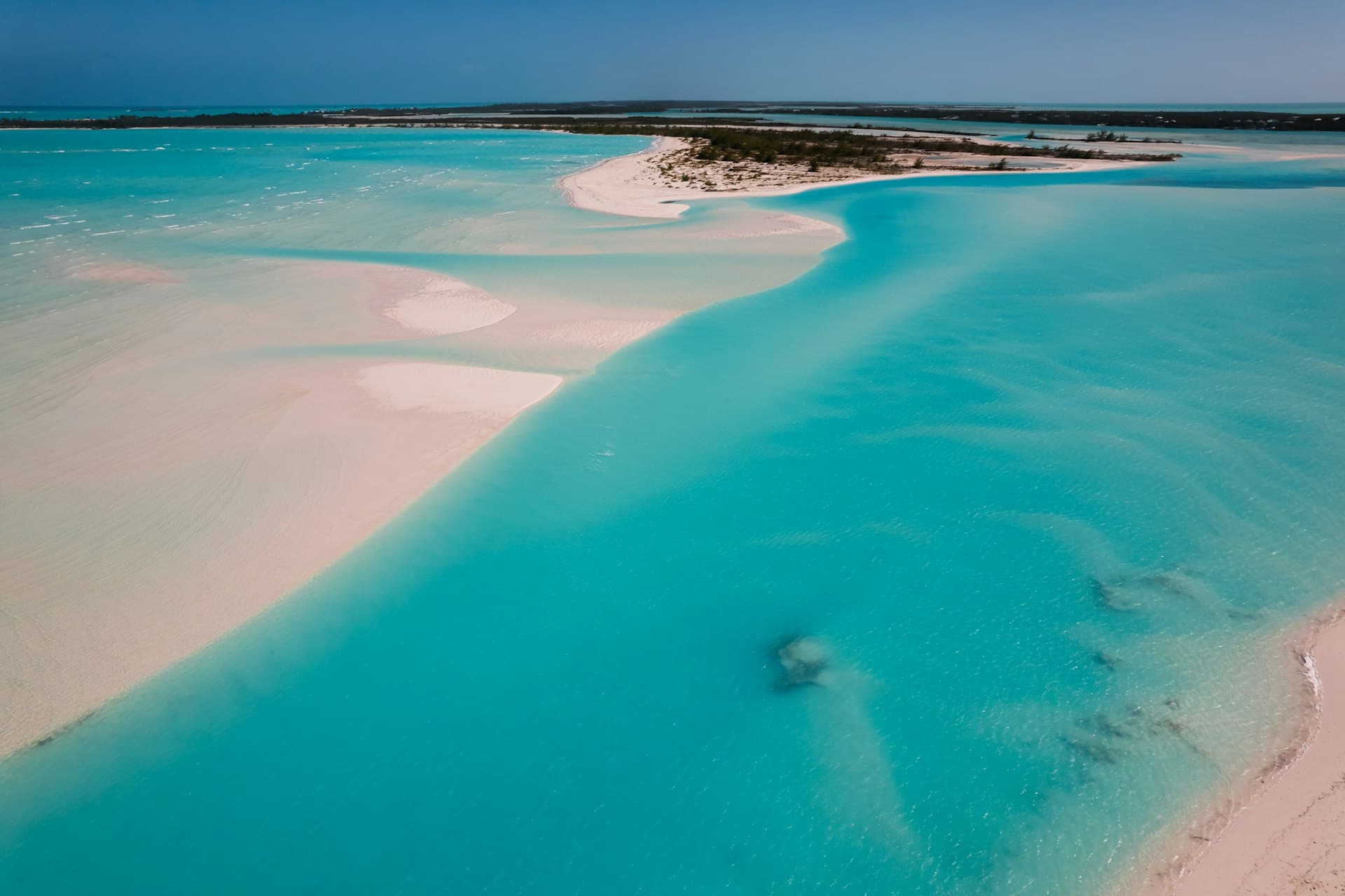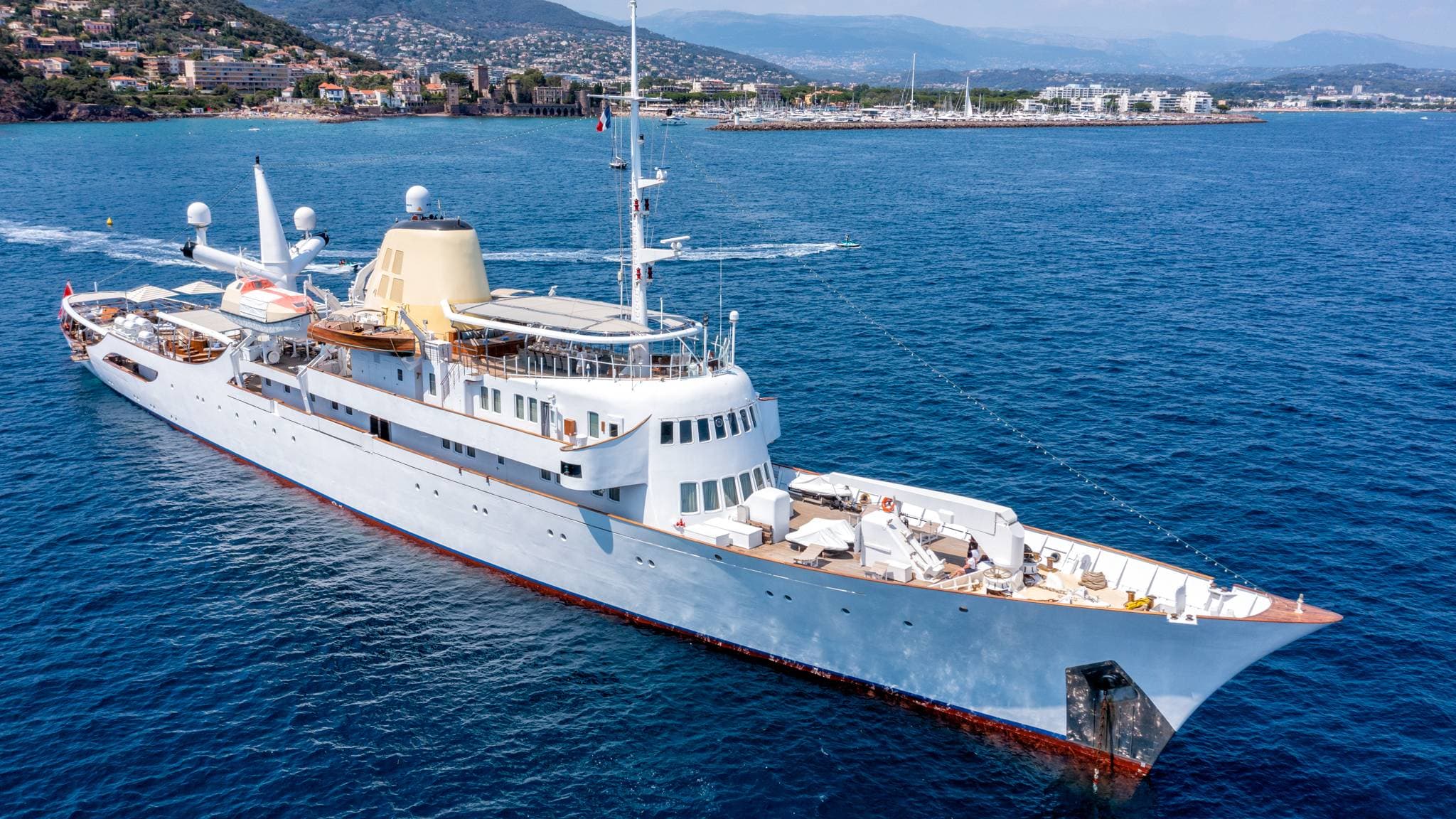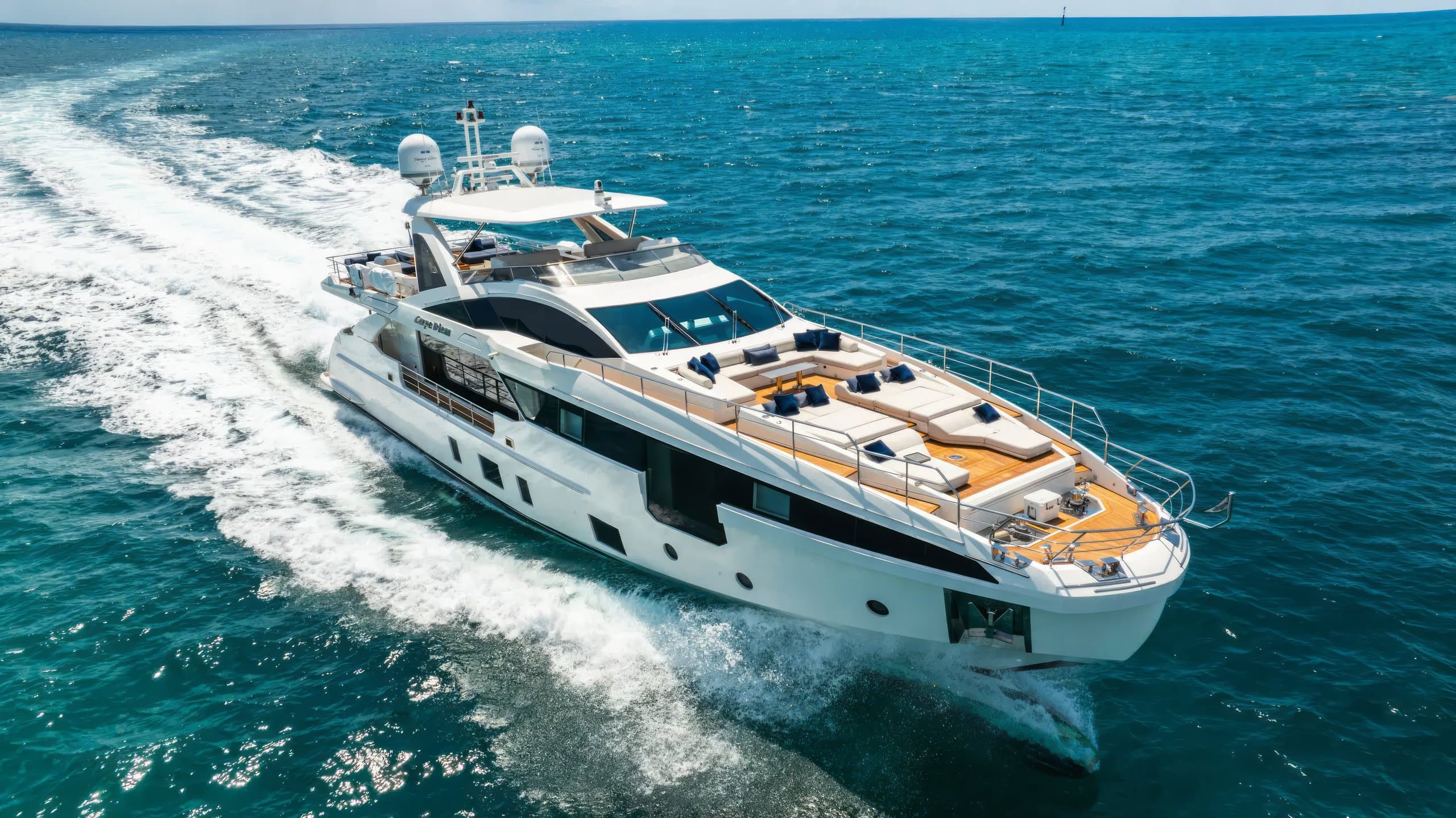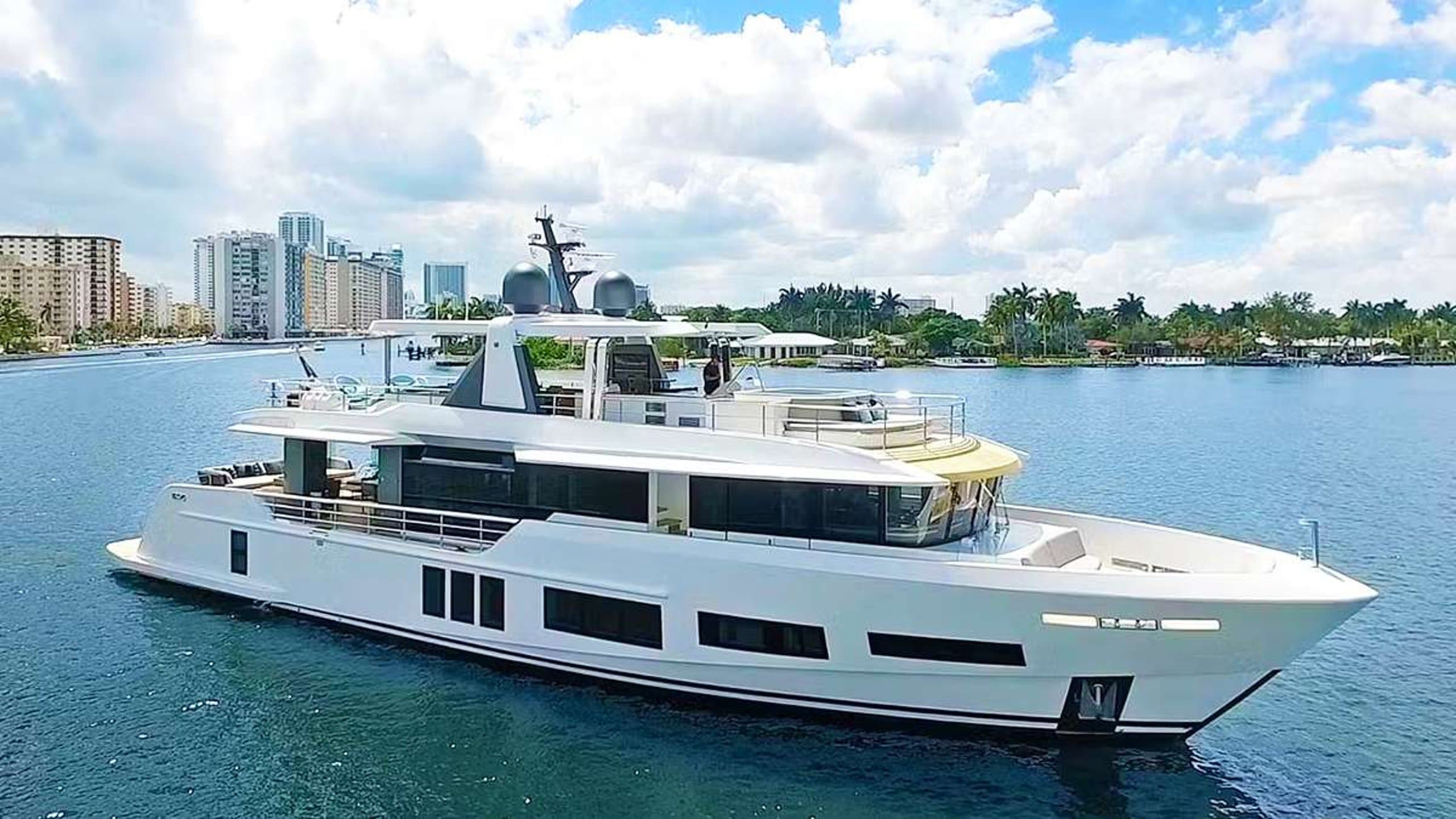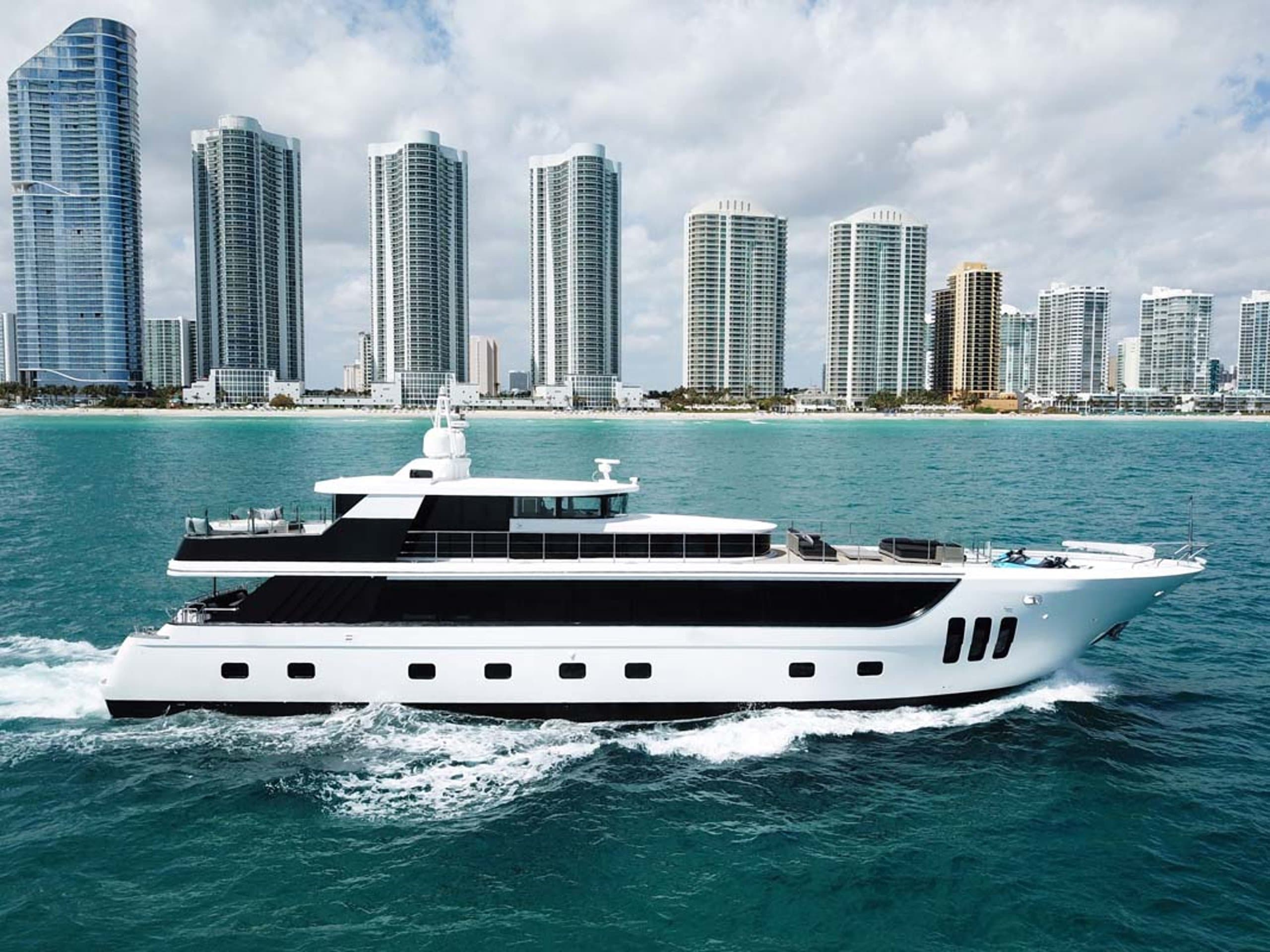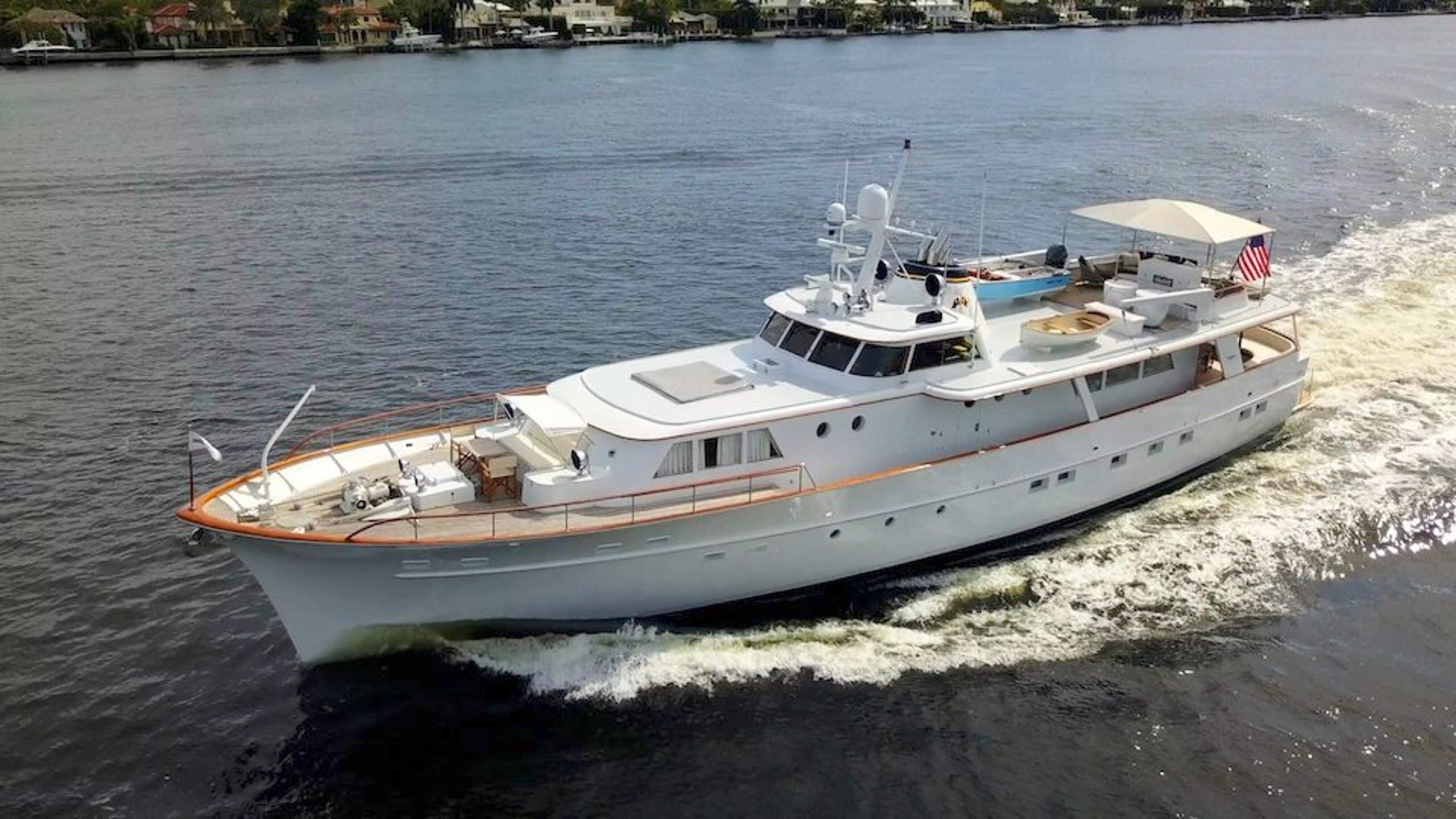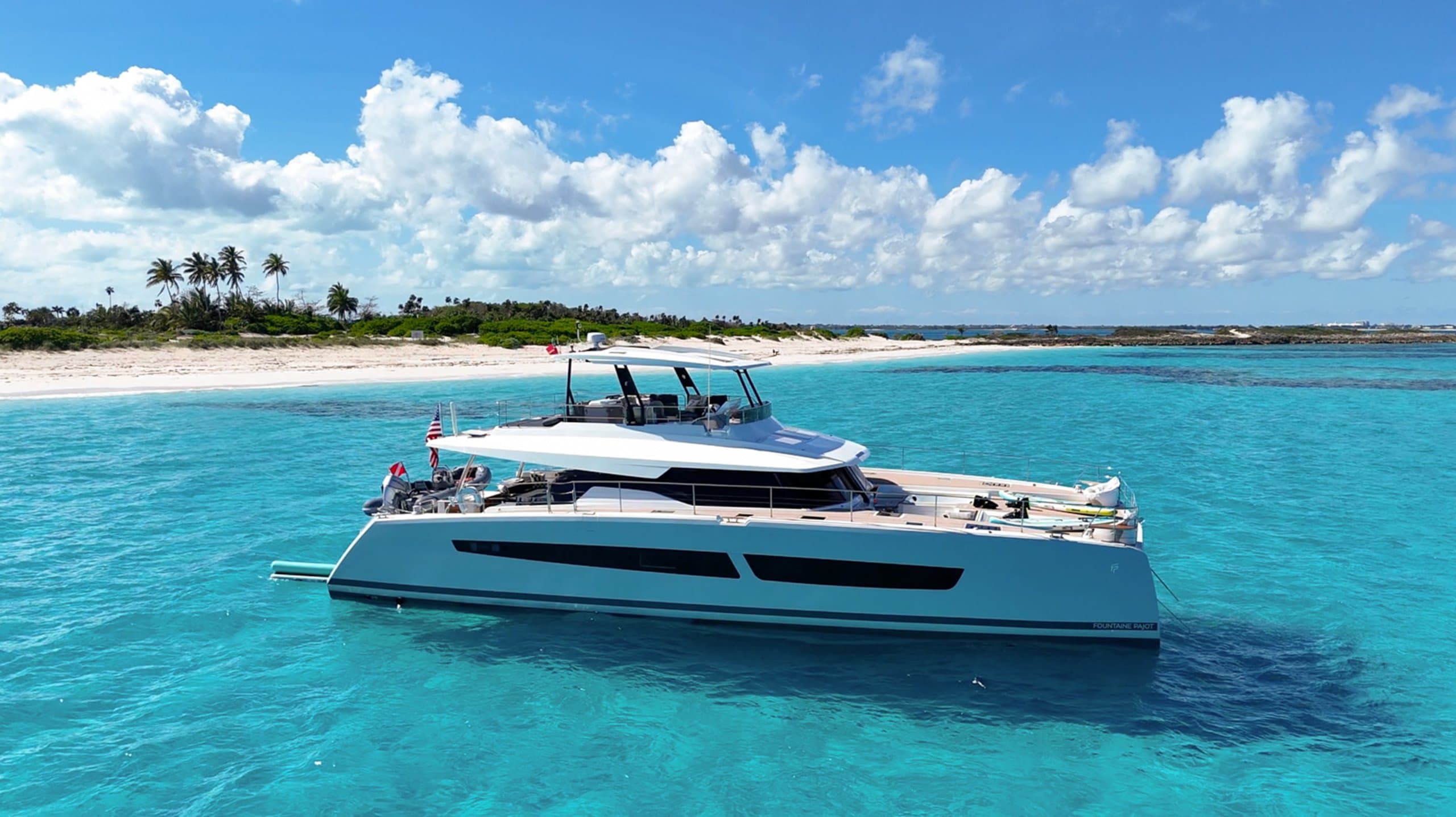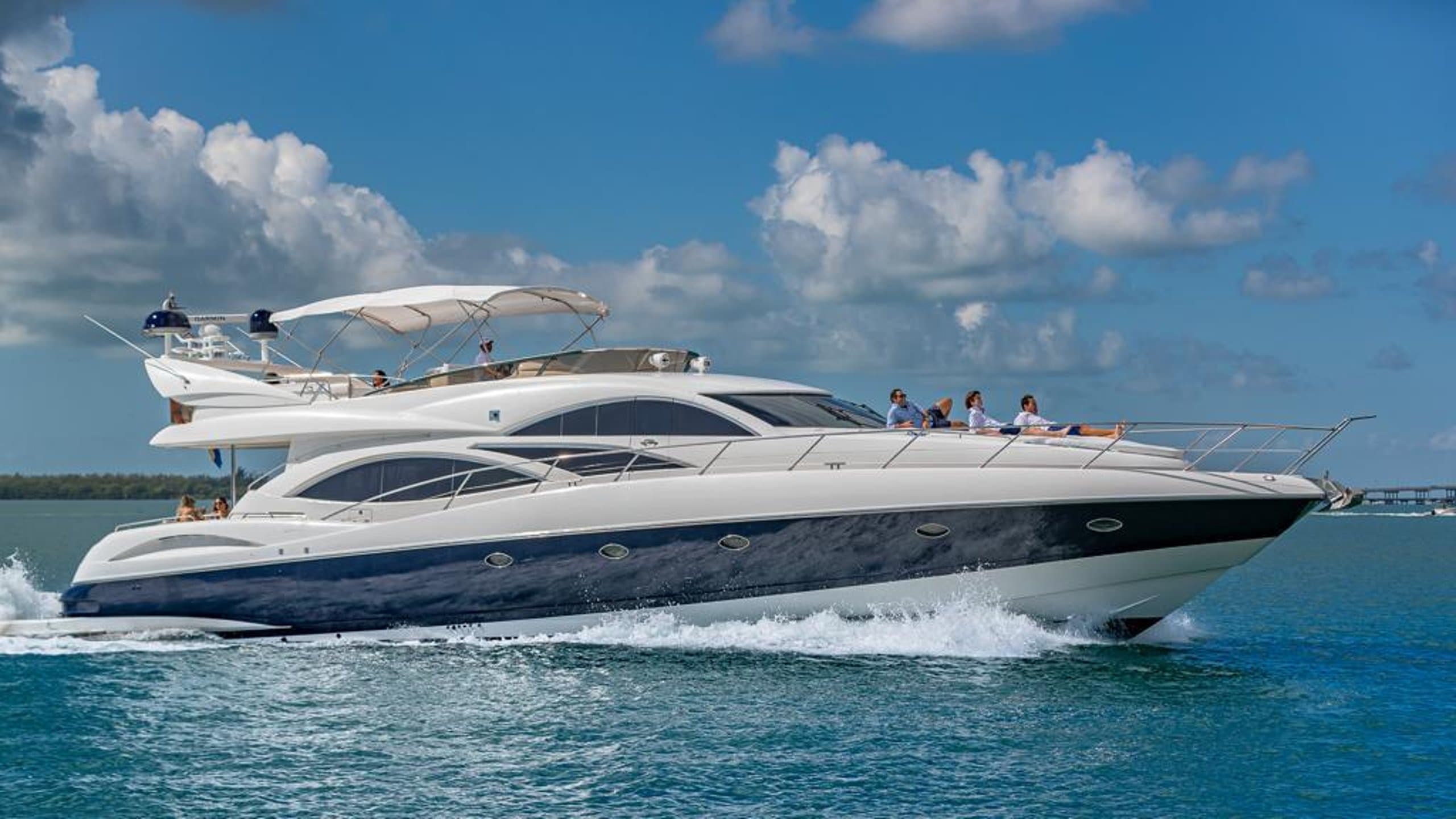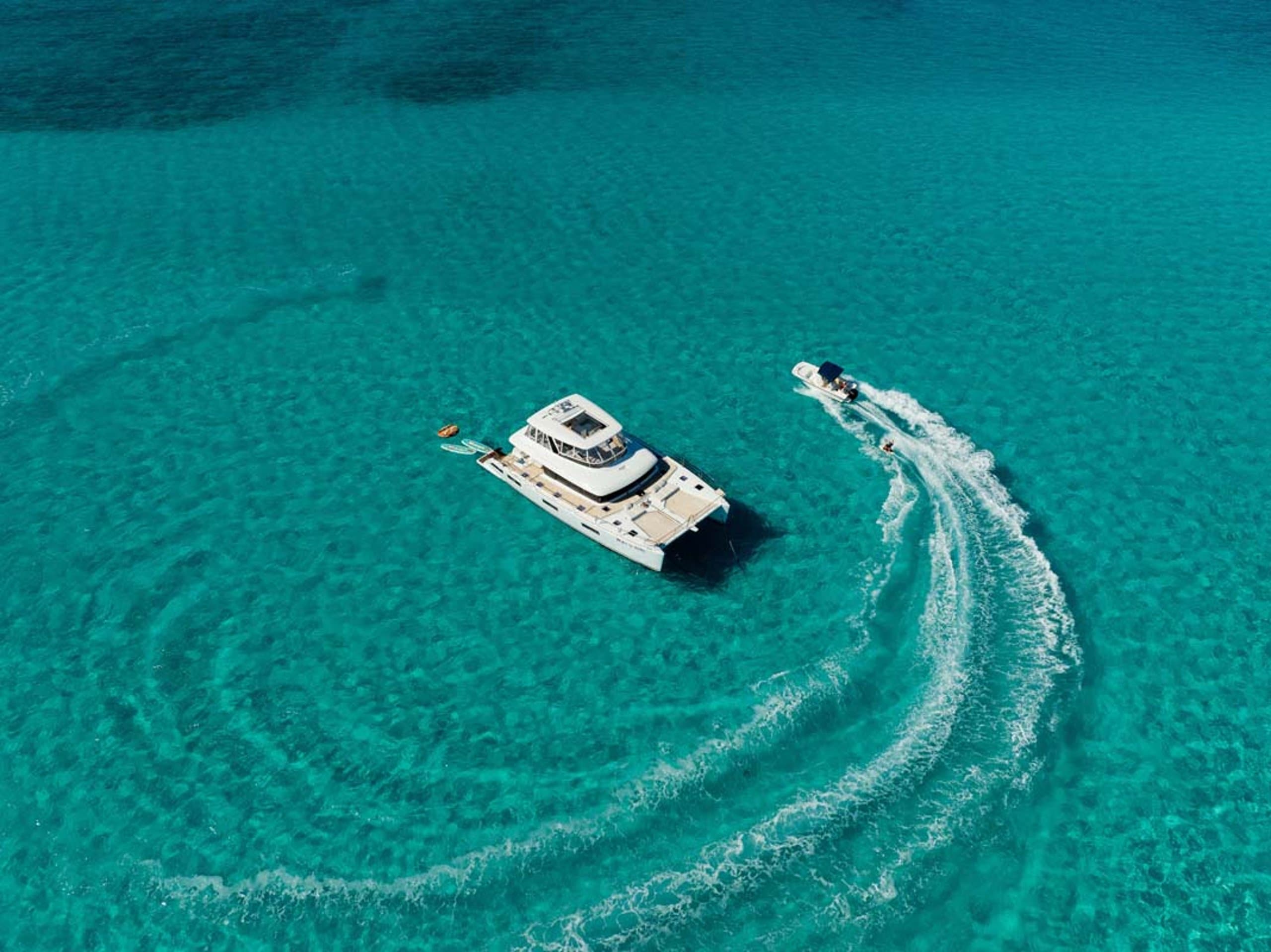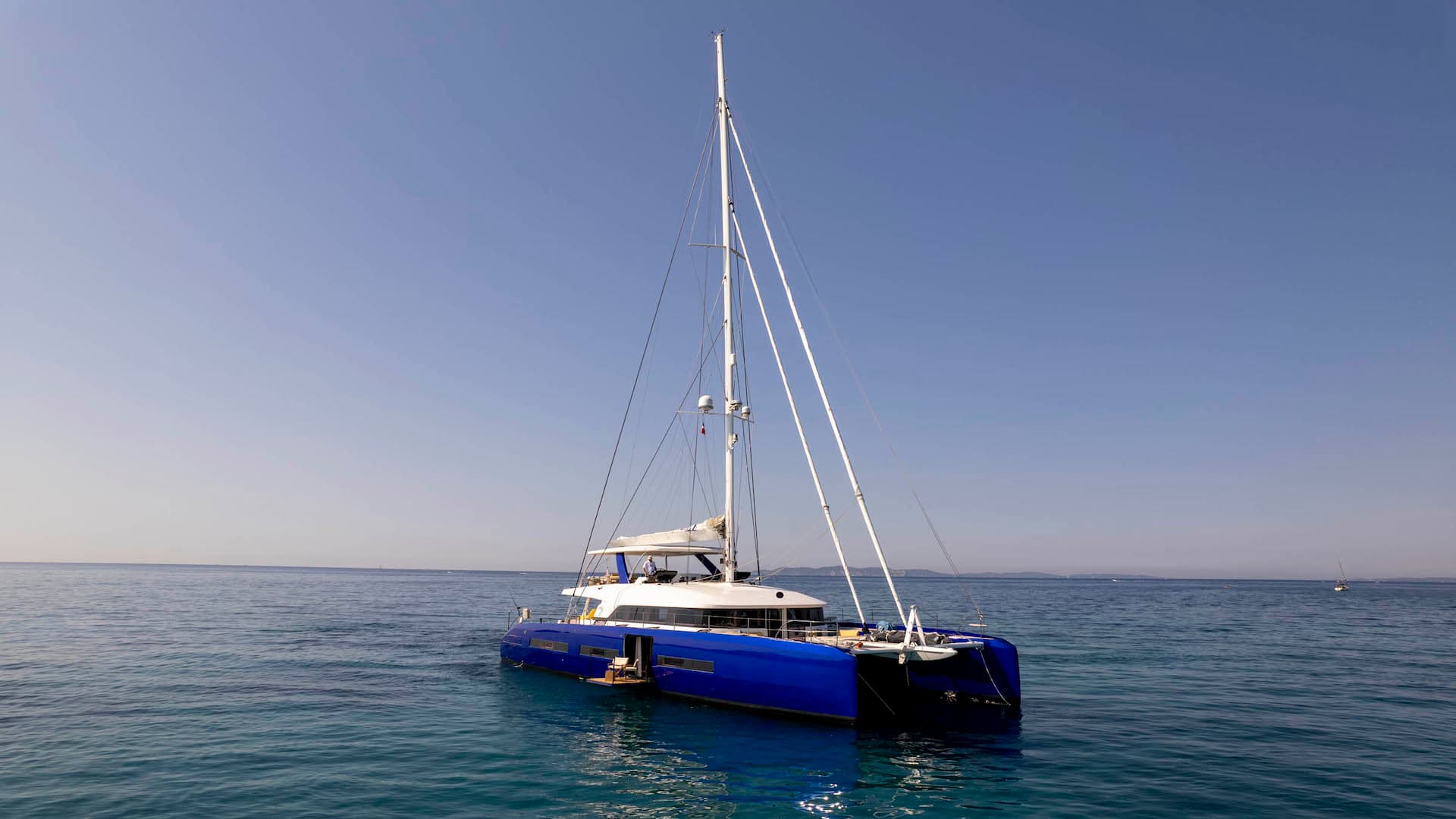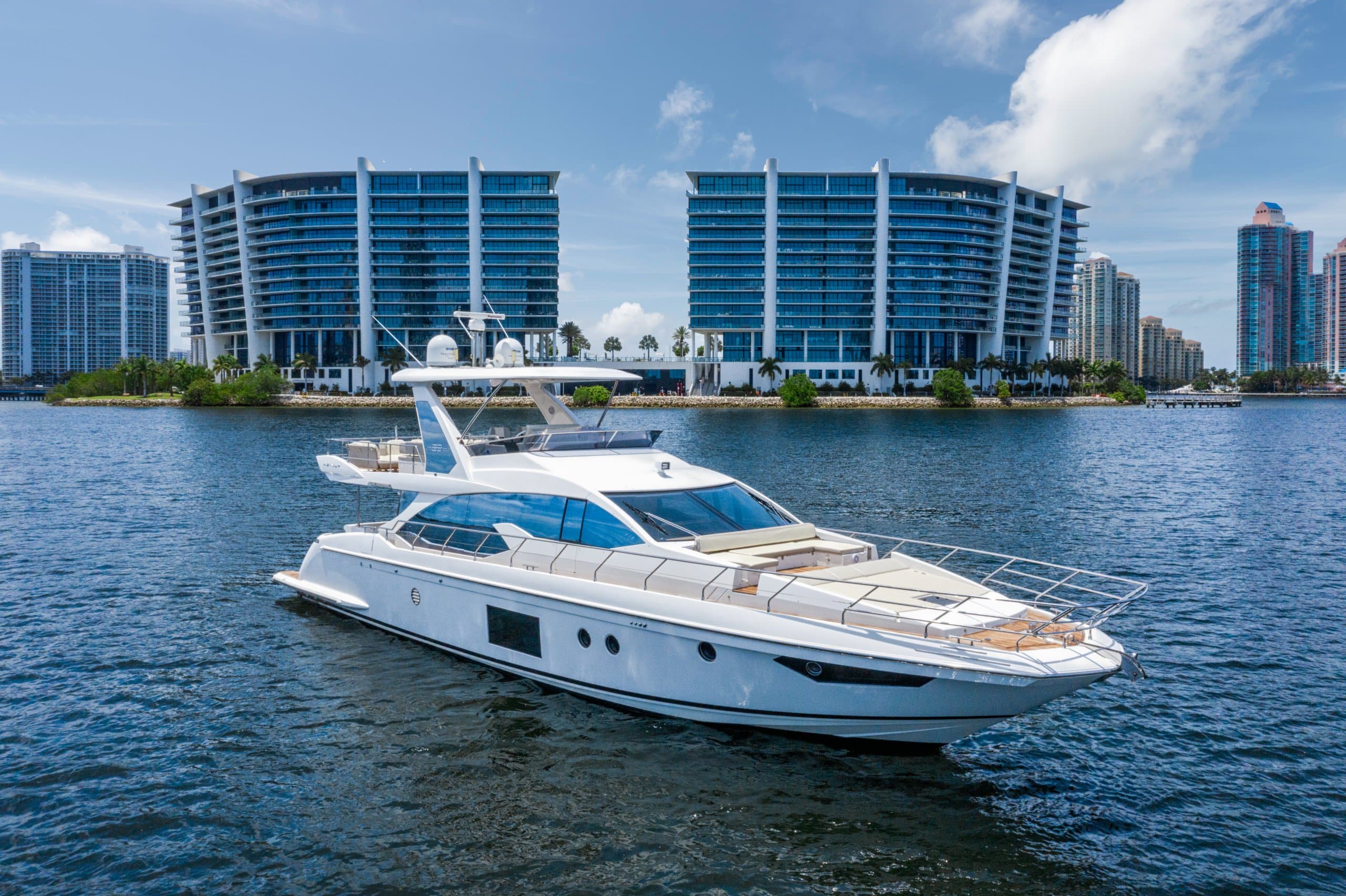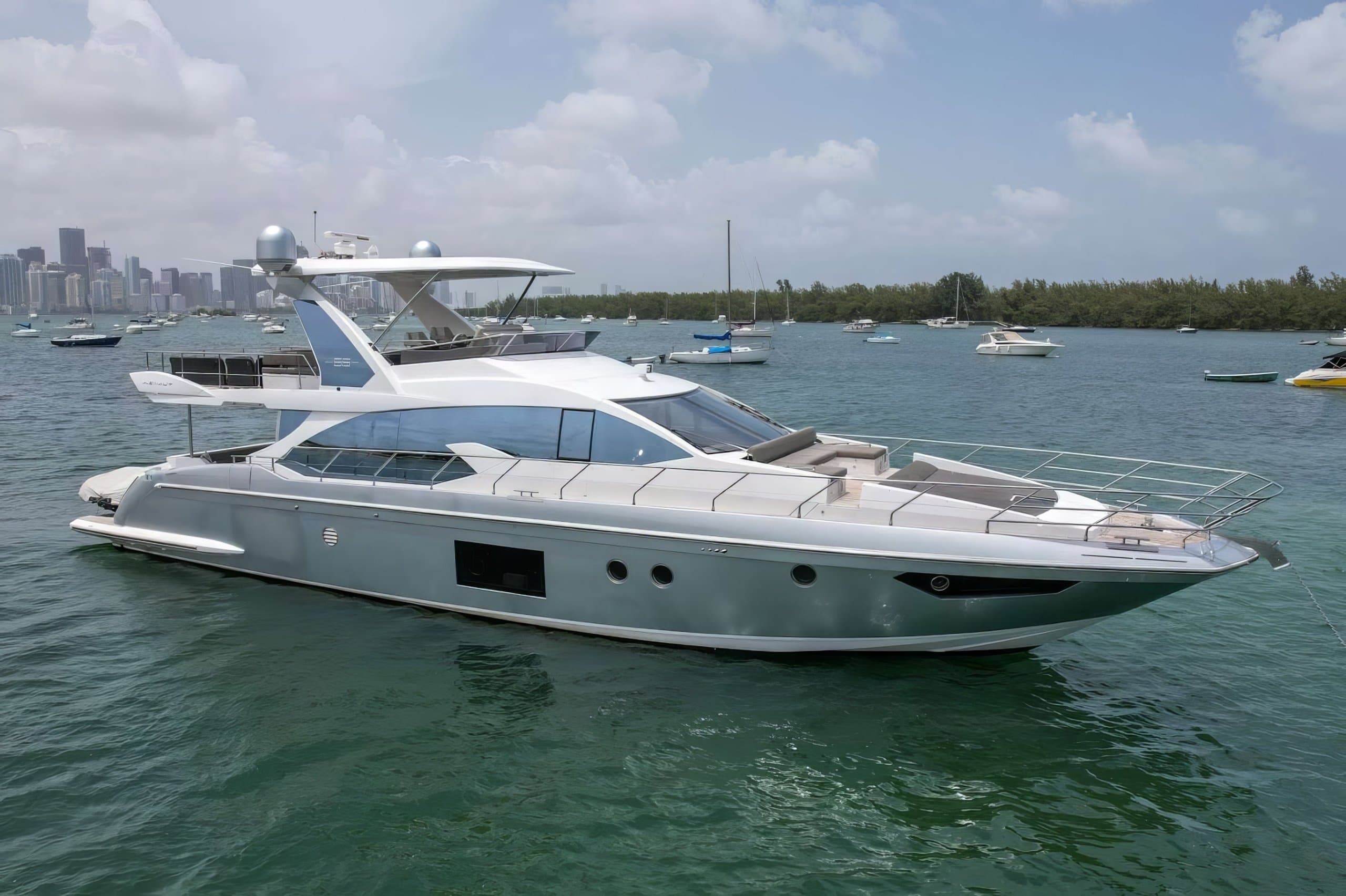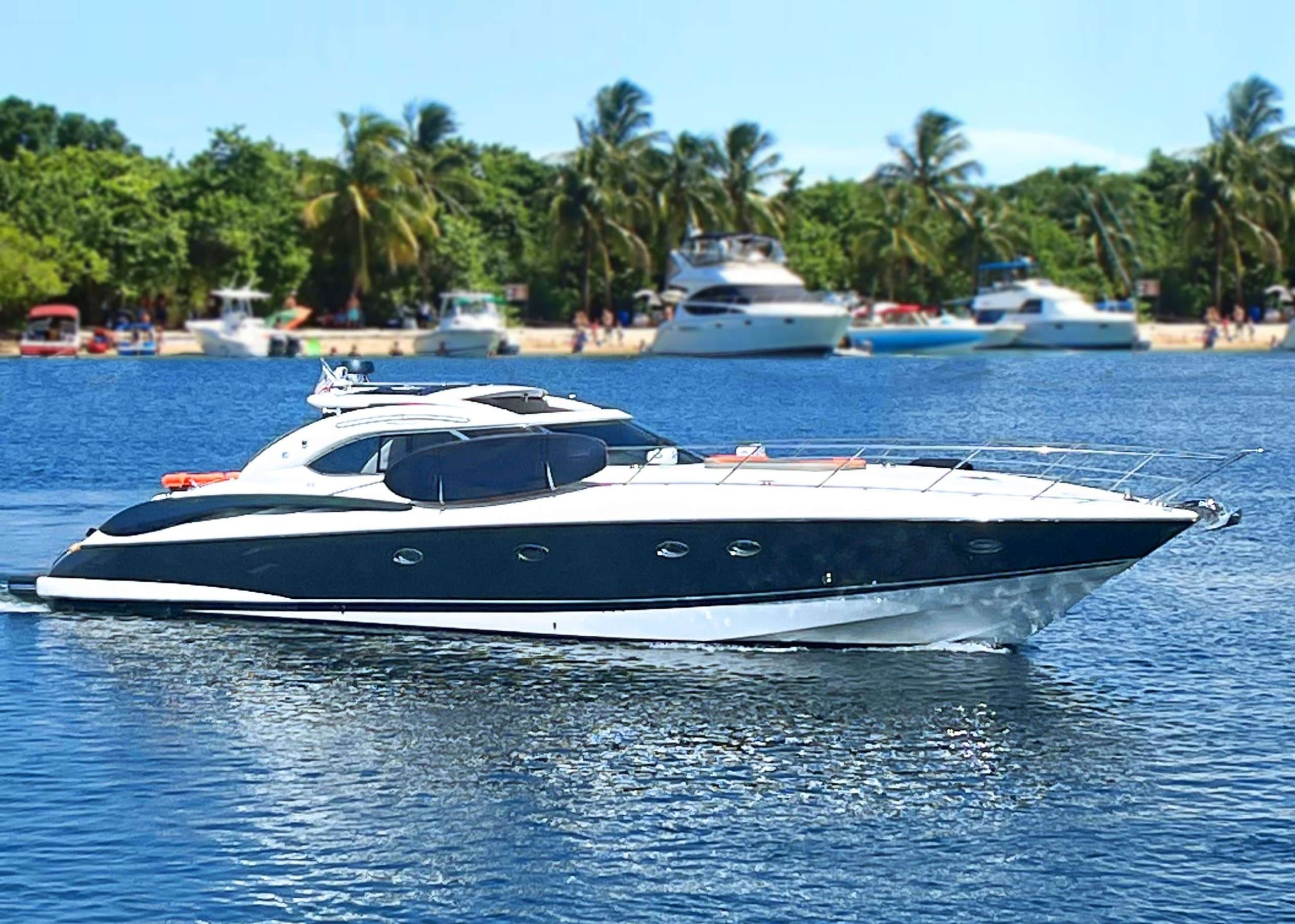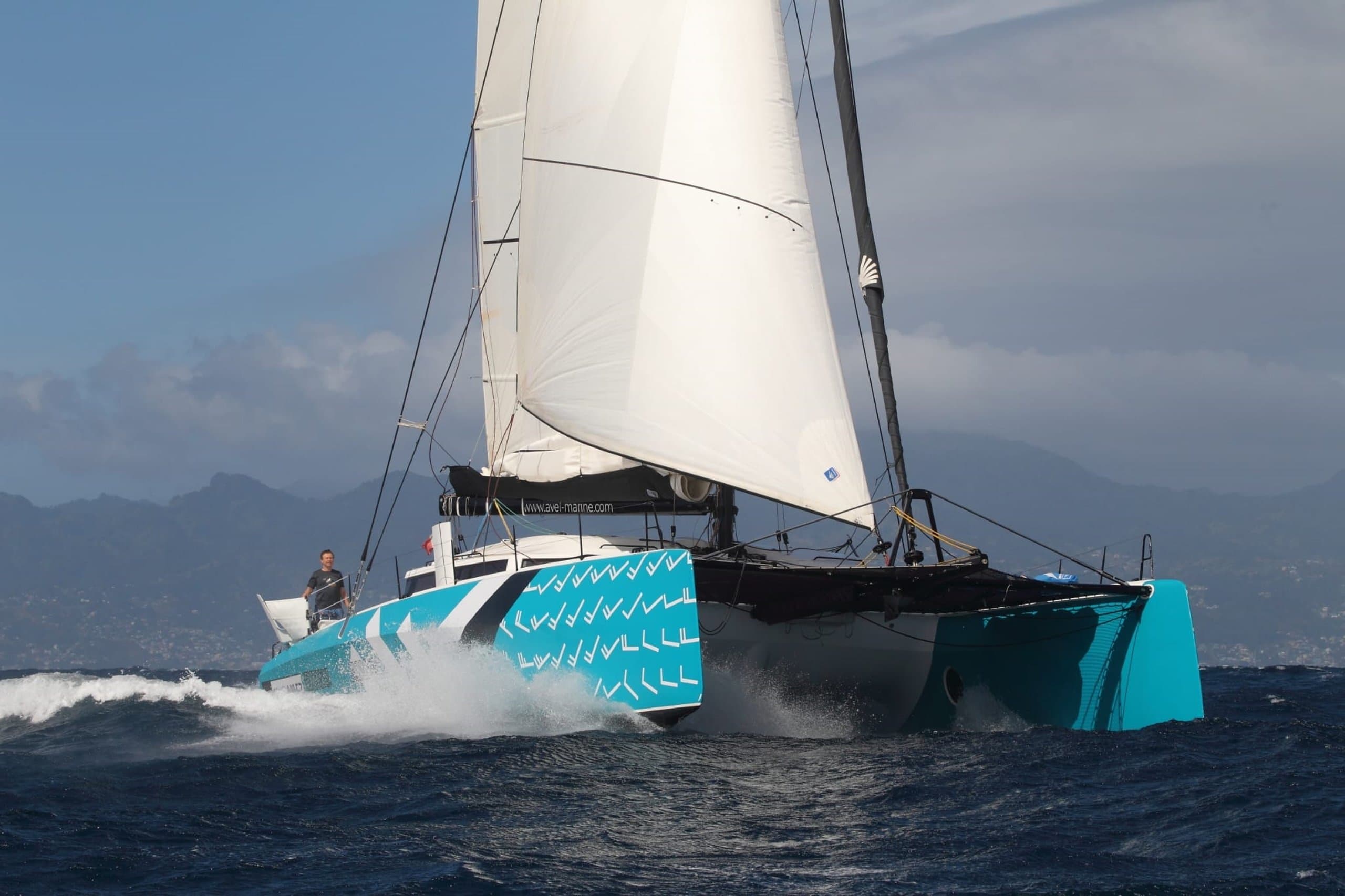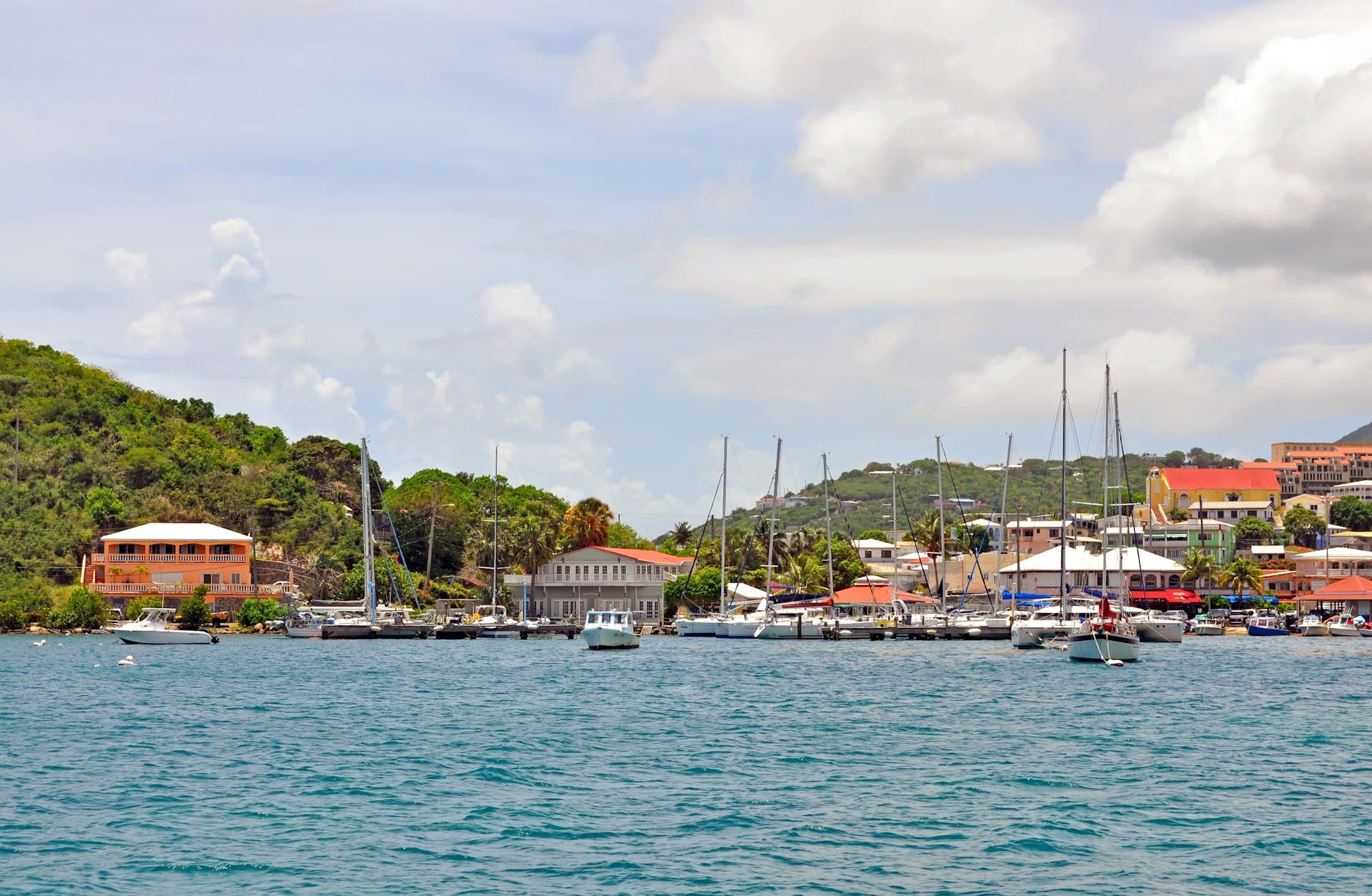
Sixty islands and cays sheltered behind Sir Francis Drake Channel — the British Virgin Islands were practically designed for chartering. The distances are short, the navigation is visual, the trade winds are dependable, and there is always another anchorage around the next headland. No cruising ground in the western hemisphere matches the BVI for the density of good stops per square mile.
In the BVI, the next island is never more than a reach away.
The Cruising Ground
The BVI sits at the northeastern end of the Caribbean chain, roughly 18°N latitude. The principal islands — Tortola, Virgin Gorda, Jost Van Dyke, and Anegada — frame a protected channel that runs east-west for some 30 nautical miles. Inside this channel, seas rarely exceed one metre, even when 20 knots of trade wind blows overhead. Outside, the Atlantic swell picks up quickly, which is precisely why the channel exists as such a reliable cruising corridor.
Tortola is the administrative and commercial centre, home to Road Town and the main charter bases. Most itineraries begin here or at nearby Nanny Cay, where provisioning and customs clearance are straightforward. From Tortola, everything is within reach on a single tack.
Key Anchorages and Stops
Virgin Gorda — The Baths
Massive granite boulders form a labyrinth of sea pools and grottoes at the island’s southwestern tip. The mooring field fills early in the day; arriving before 10:00 is advisable. Beyond The Baths, Virgin Gorda offers the quieter North Sound — a near-enclosed lagoon accessible through a reef passage, with Bitter End and Saba Rock providing dockside services.
Jost Van Dyke
The smallest of the four main islands and arguably the most charismatic. Great Harbour and White Bay are the principal stops. White Bay’s beach bar culture is well-documented, but the anchorage itself deserves attention: a crescent of clean sand with good holding in 3-4 metres over sand. The Bubbly Pool on the island’s eastern end is worth the dinghy ride and short hike.
Norman Island
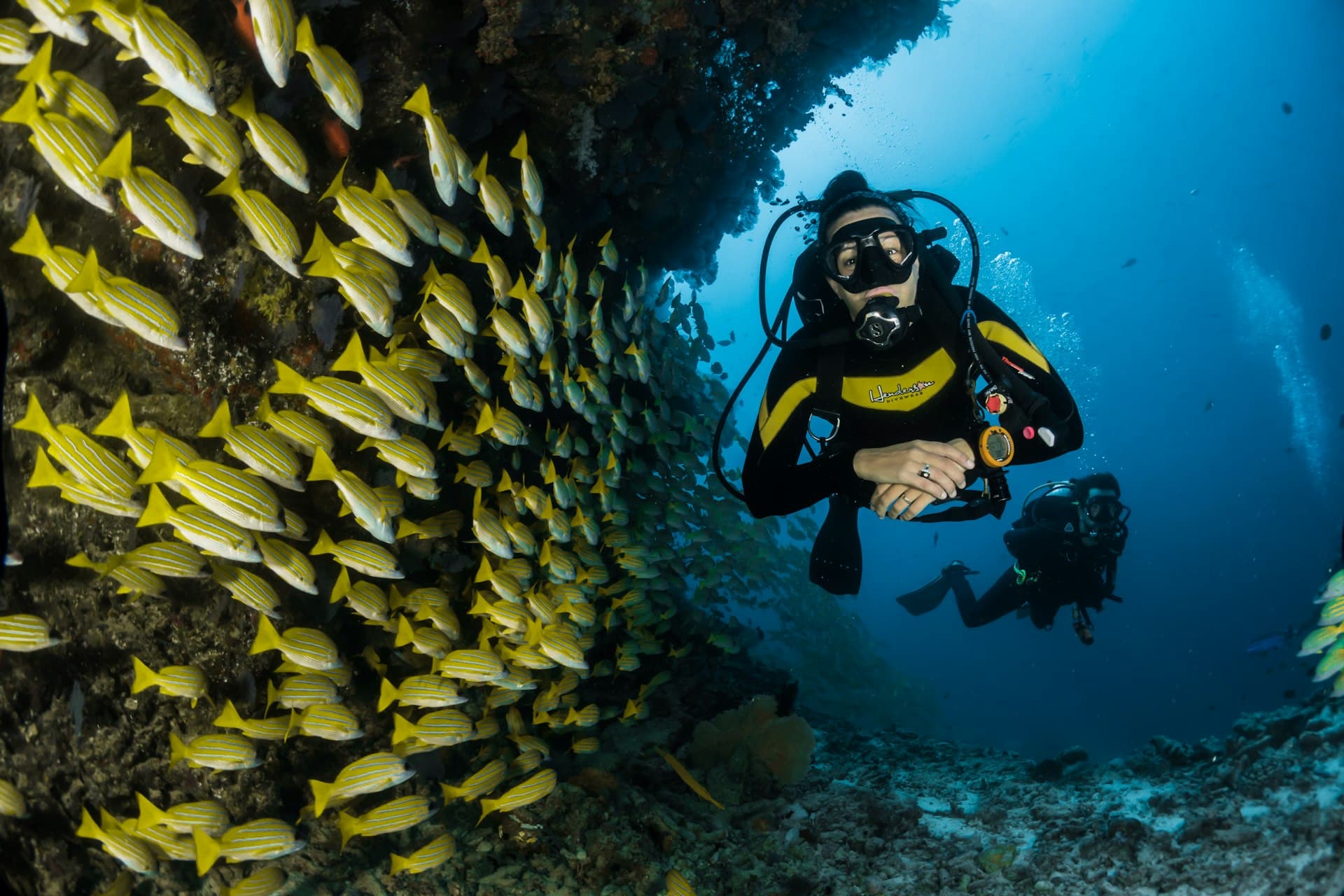
Reputed to be the inspiration for Robert Louis Stevenson’s Treasure Island. The Bight offers a wide, well-protected anchorage, and the caves at Treasure Point are a reliable snorkelling spot with clear visibility. The Indians, a cluster of rock pinnacles just west of the island, provide some of the best underwater scenery in the territory — expect to see tarpon, reef squid, and dense hard coral.
Anegada
Flat, low-lying, and fringed by the third-largest barrier reef in the world, Anegada is unlike anything else in the BVI. The passage from Virgin Gorda is roughly 14 nautical miles across open water, and the reef approach requires careful navigation — GPS waypoints and good light are essential. The reward is Loblolly Bay, Horseshoe Reef snorkelling, and the island’s famous grilled lobster, served at beachfront restaurants that take bookings by VHF radio.
Sailing Conditions
The northeast trades dominate from November through May, blowing 12-20 knots with remarkable consistency. Inside Sir Francis Drake Channel, the wind accelerates through gaps between islands — the slot between Salt Island and Peter Island is a well-known puff zone. Tidal range is minimal (under 0.5 metres), and currents are generally negligible except near reef passages.
Summer months (June-October) bring lighter, more variable winds and occasional squalls. Hurricane season officially runs June through November, with September and October carrying the highest statistical risk. Most charter operations concentrate on the December-to-April window.
A Typical Charter Week
A seven-day BVI itinerary might run: Tortola to Norman Island (Day 1), across to Peter Island or Salt Island (Day 2), Virgin Gorda and The Baths (Day 3), North Sound for a layover day (Day 4), Anegada (Day 5), Jost Van Dyke (Day 6), and back to Tortola (Day 7). Passages rarely exceed 10 nautical miles, leaving ample time for swimming, snorkelling, and long lunches at anchor.
For larger motor yachts, the BVI also serves as a staging point for day trips to the US Virgin Islands — St John and St Thomas are within 10 nautical miles of Tortola’s western end, though customs clearance is required for the crossing.
- The Baths at Virgin Gorda — granite boulders the size of houses forming sea caves and pools
- Sailing the Sir Francis Drake Channel with consistent 15–20 knot trades
- Jost Van Dyke's Foxy's Bar — the original beach bar experience
- Anegada's horseshoe reef and pink sand beaches
December through February is the BVI yacht charter's core season: the trade winds blow at their most consistent, the humidity is low by Caribbean standards, and the water temperature sits at around 27°C — warm enough to swim all day, cool enough to be refreshing. January is the peak of the peak — the anchorages at the Baths and White Bay are at their busiest by ten in the morning, and early arrival matters. March and April see the trades moderate slightly and the crowds thin; Easter week is busy but February half-term is the busiest week of the year. May is a genuine shoulder season option: warm, less crowded, with the trades still reasonably reliable before the summer squall season begins.
The British Virgin Islands are the world's most popular charter destination, and for good reason. Sixty islands and cays are clustered close together in the Caribbean's most consistent trade winds, creating short passages between anchorages so varied and numerous that a lifetime of charters could not exhaust them.
The BVI's appeal lies in its simplicity: trade winds of 12–20 knots blow reliably from the east, passages between islands rarely exceed an hour, and nearly every anchorage is protected by surrounding islands or reefs. The Baths on Virgin Gorda — a cathedral of house-sized granite boulders forming pools and grottos at the water's edge — is the territory's iconic landmark.
Tortola is the main island and primary charter base, with marinas at Road Town and Nanny Cay. From there, a typical week visits Norman Island (the inspiration for Treasure Island), Cooper Island (beach bar and rum), Virgin Gorda (The Baths and North Sound), Anegada (flat coral island with lobster and flamingos), and Jost Van Dyke (the Soggy Dollar Bar and Foxy's). The BVI season runs from November to July, with peak demand December through April.
The Baths — granite boulder labyrinth at Virgin Gorda
Steady easterly trade winds — the world's best sailing ground
60 islands and cays within a compact cruising area
Anegada — coral island with lobster and flamingos
Jost Van Dyke — Soggy Dollar Bar and beach culture
Norman Island — the real Treasure Island