The Island
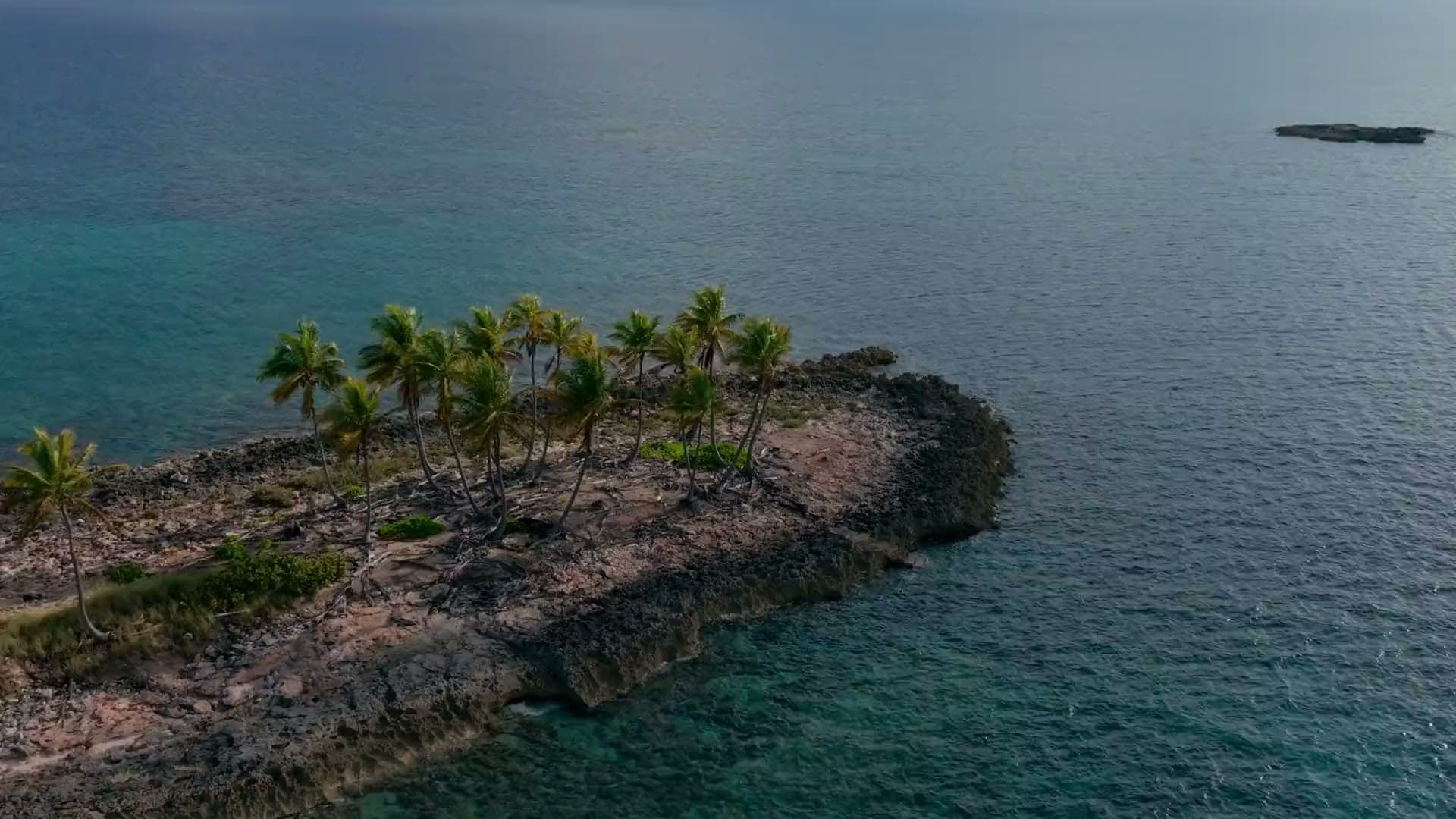
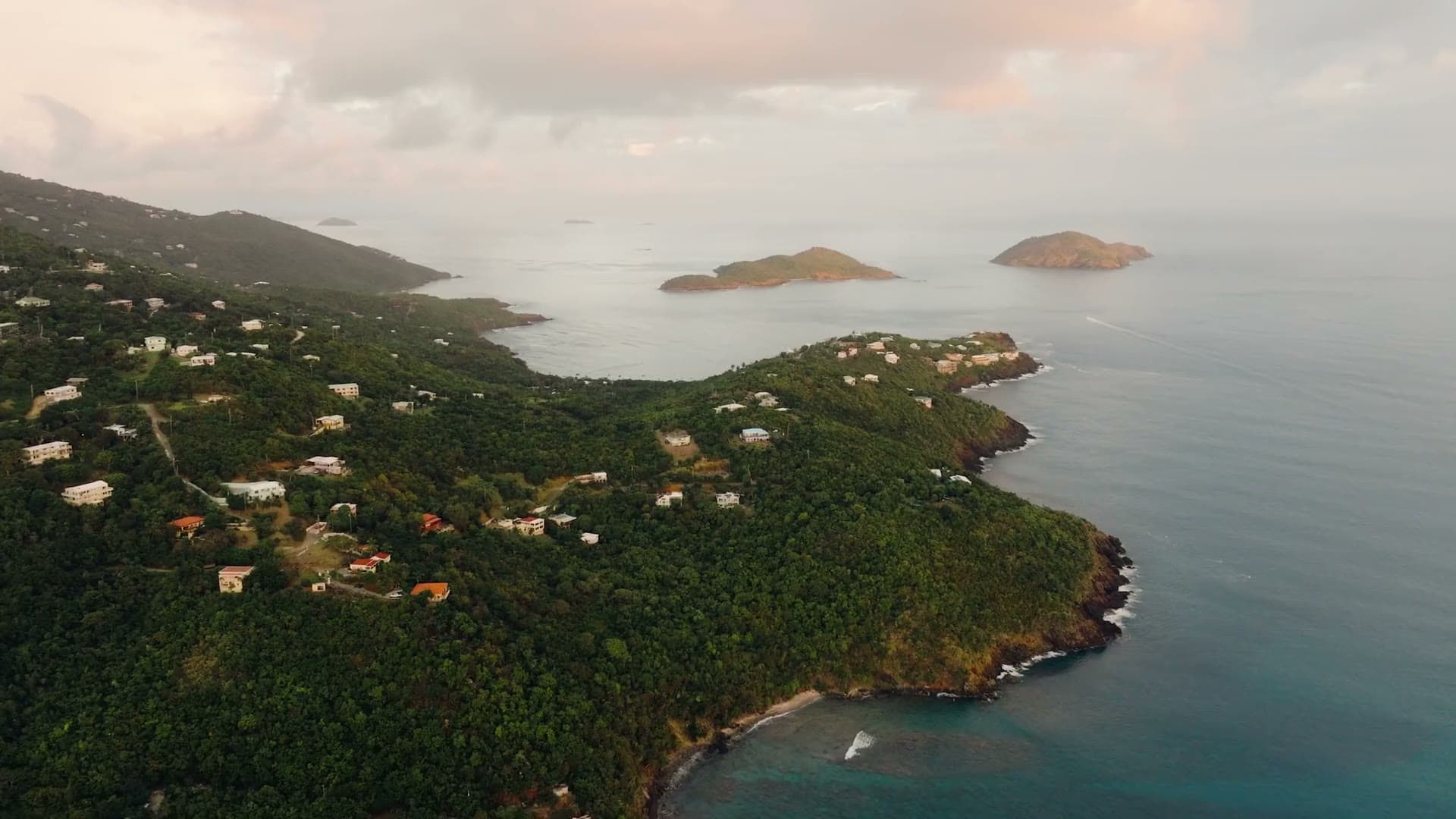
St Barthelemy sits 20 nautical miles southeast of St Martin, a French overseas collectivity with no rivers, no high-rise buildings, and no mass tourism. The island’s 22 beaches are small by Caribbean standards, tucked between headlands and accessible in many cases only by boat or steep footpath. The interior is hilly and dry, with scrubby vegetation and a scattering of traditional stone-and-wood houses alongside newer villas. The population hovers around 10,000, swelling considerably during the winter season.
Gustaf III Airport (SBH) is known for its short runway and dramatic approach over the hilltop — only small aircraft operate here. Most visitors arrive via St Martin (SXM), transferring by ferry, helicopter, or yacht tender. This limited access is part of what preserves the island’s character.
Gustavia
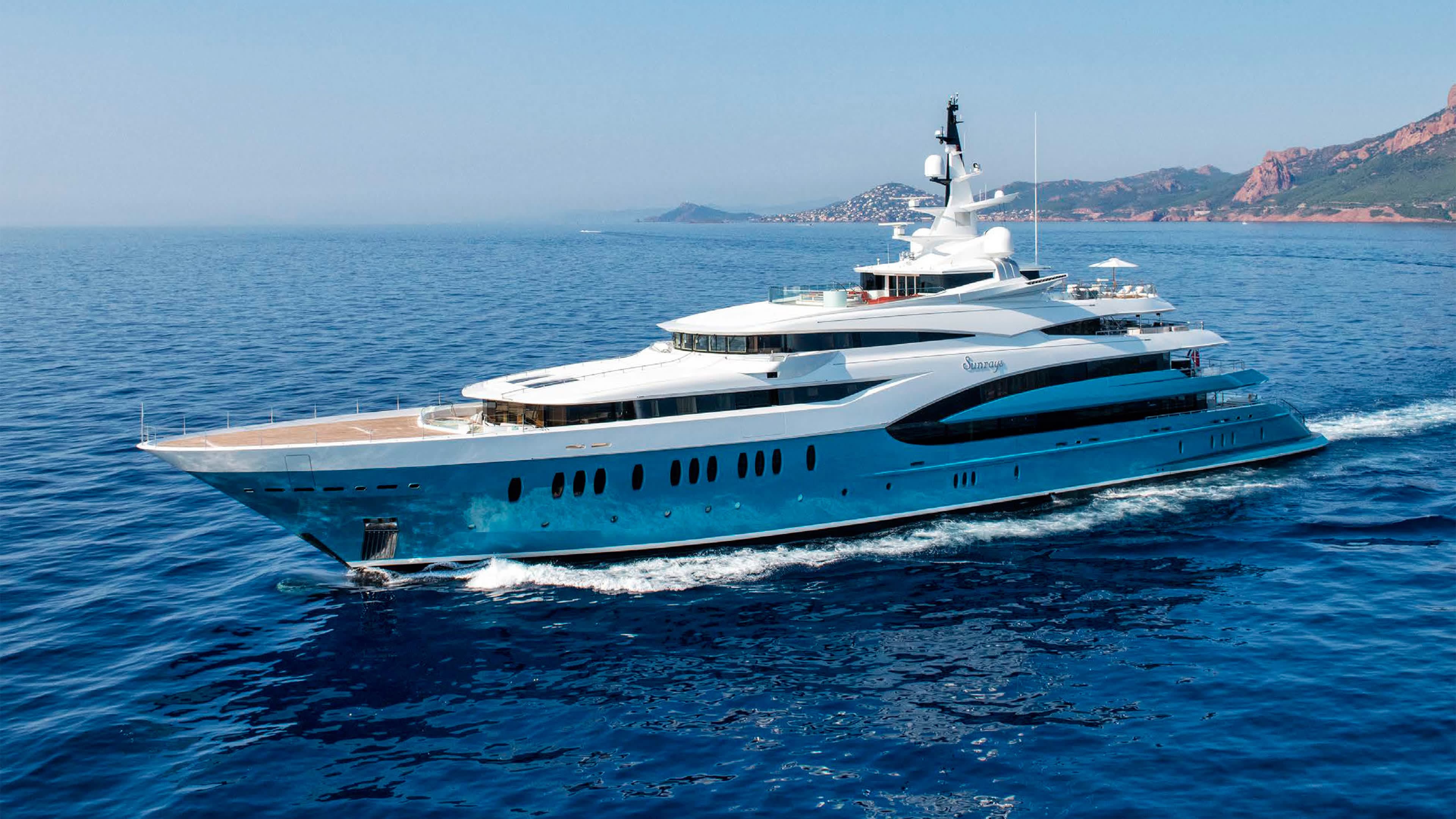
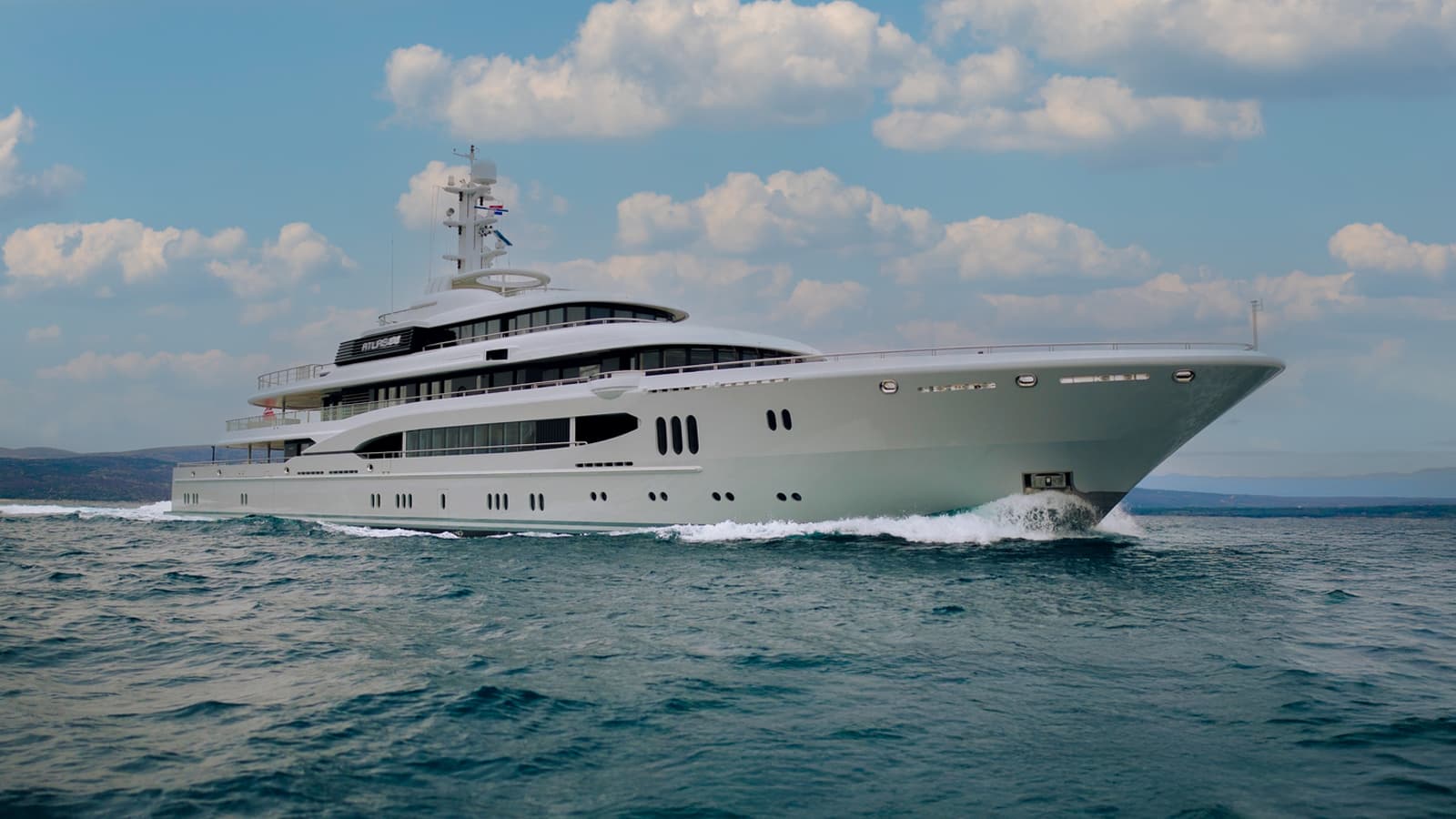
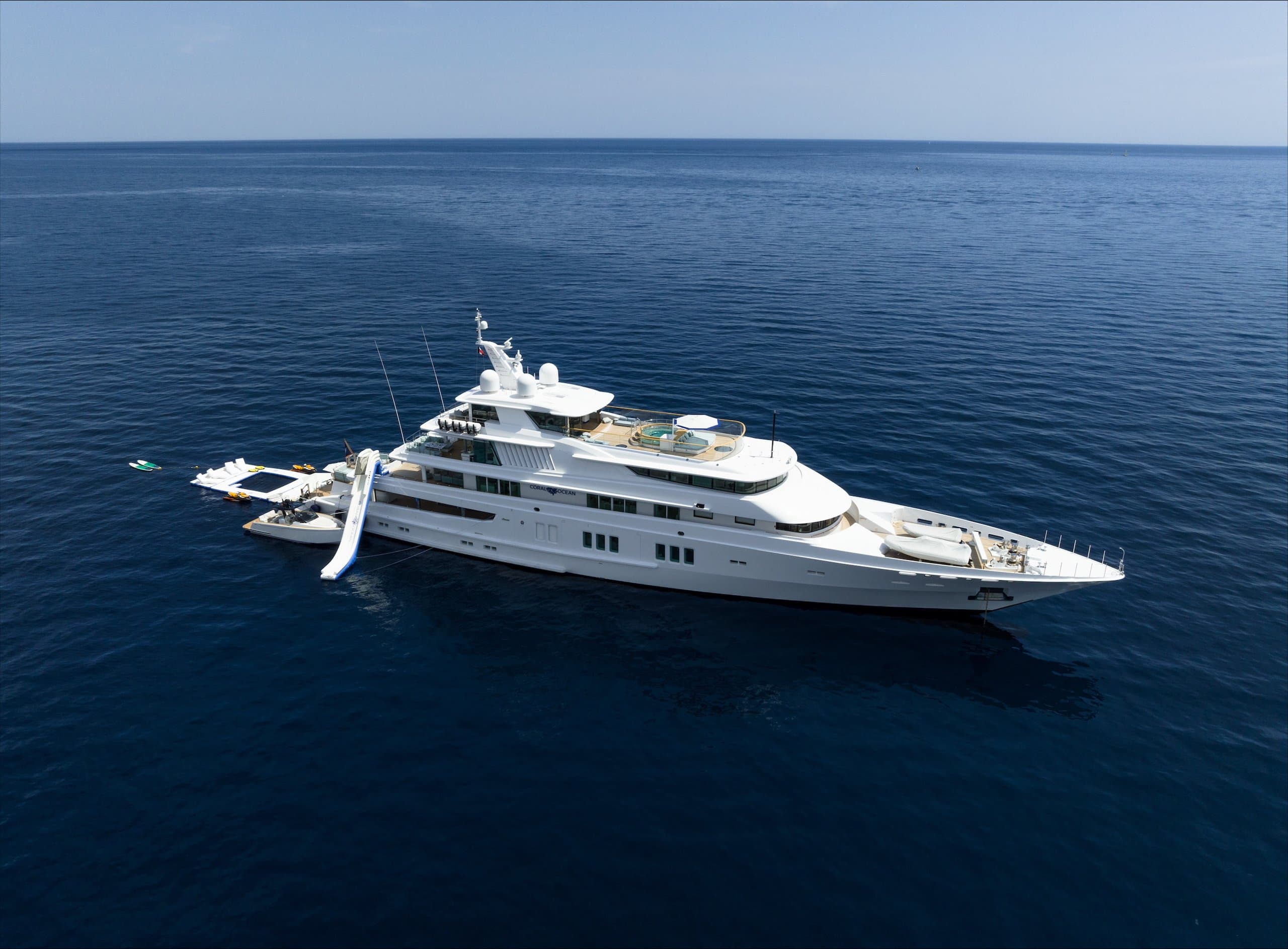
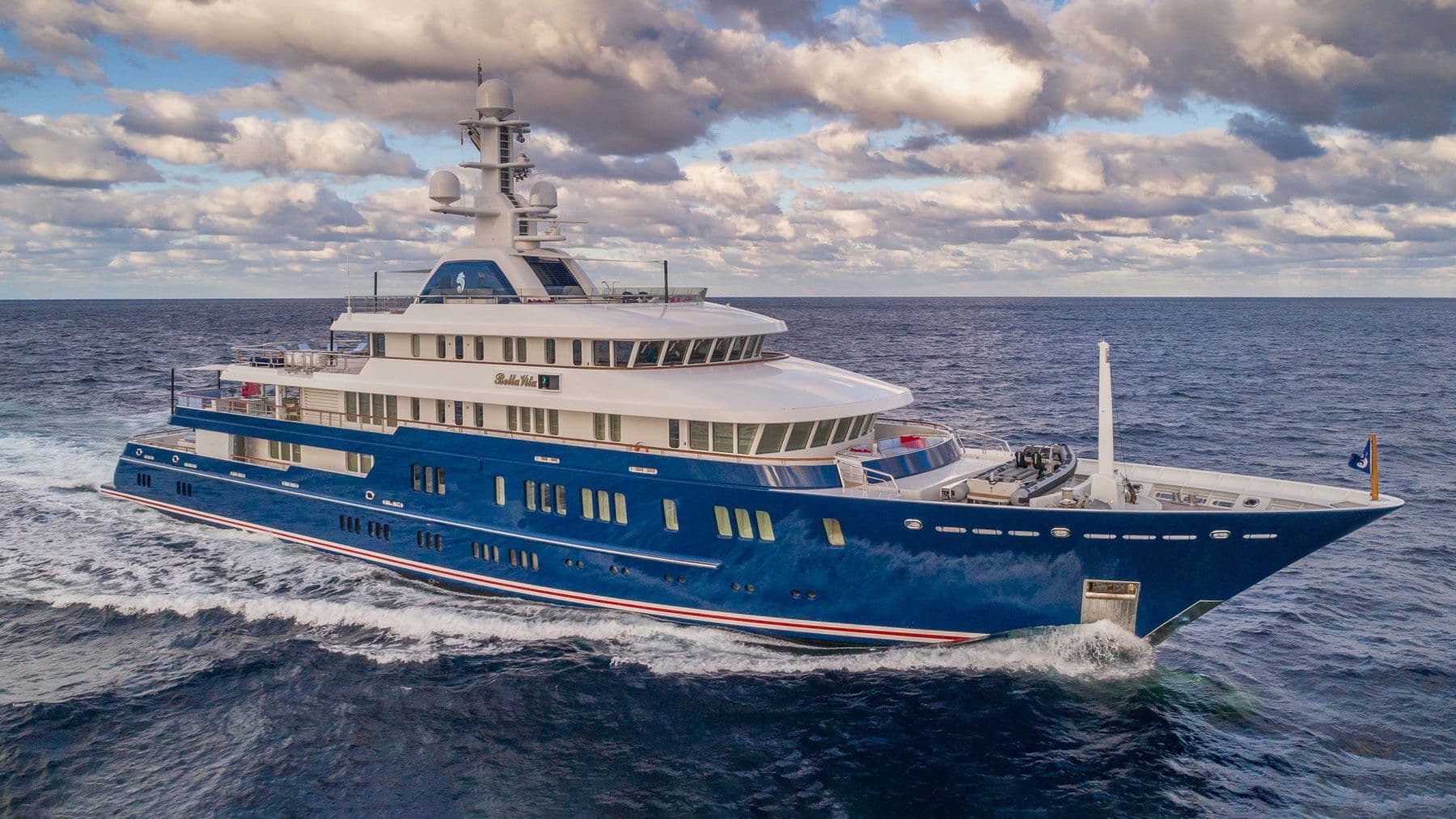
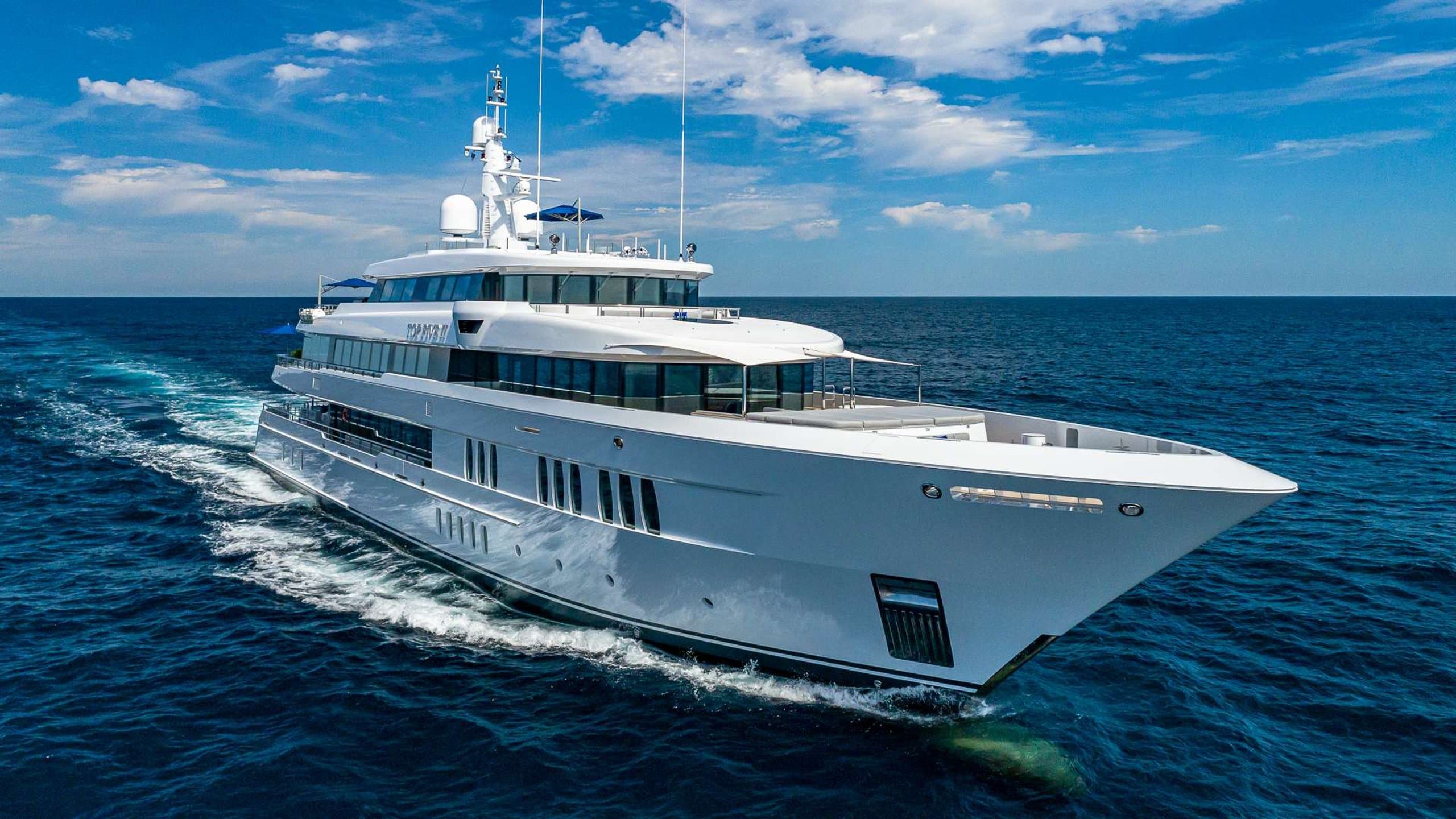
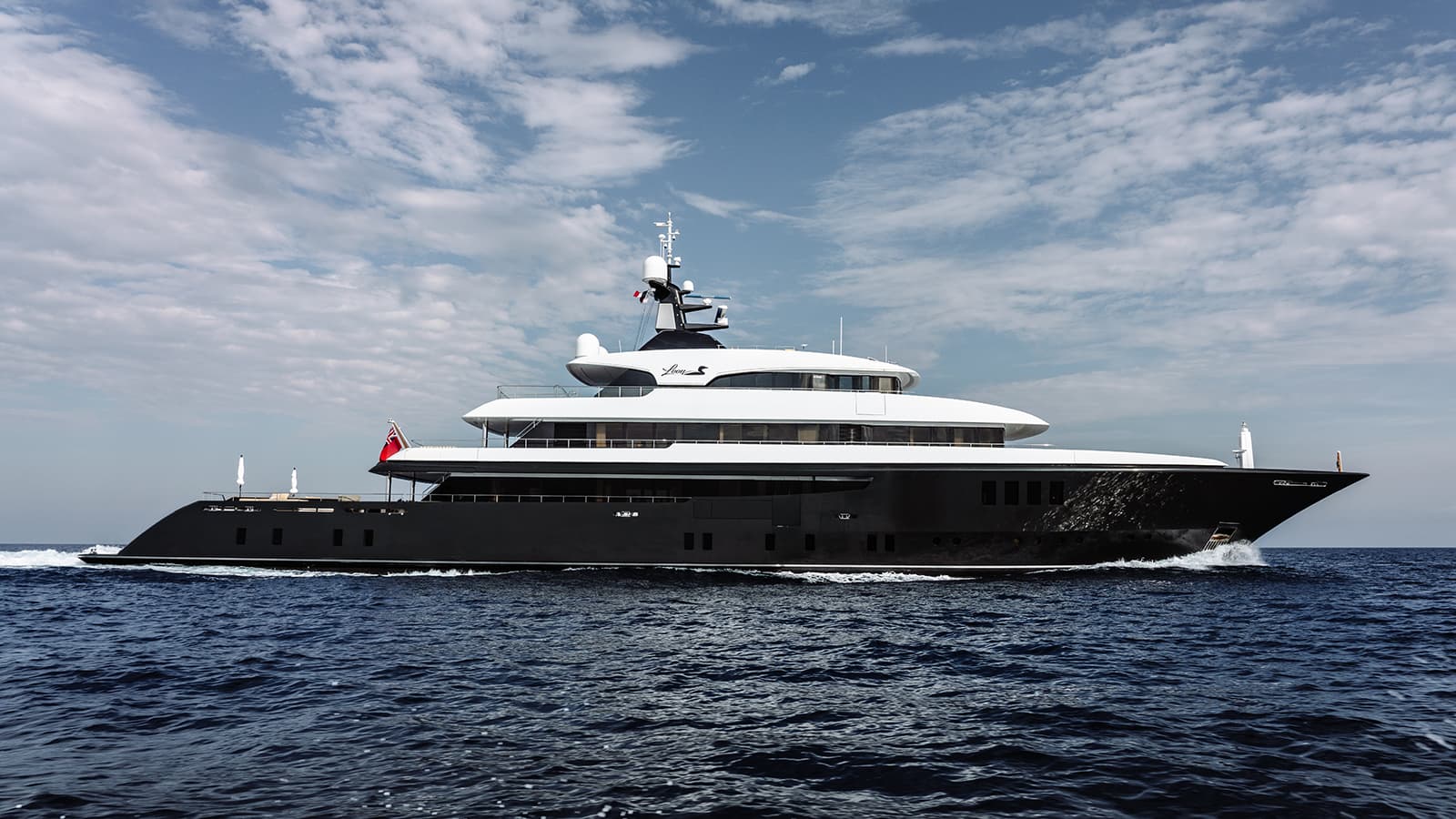
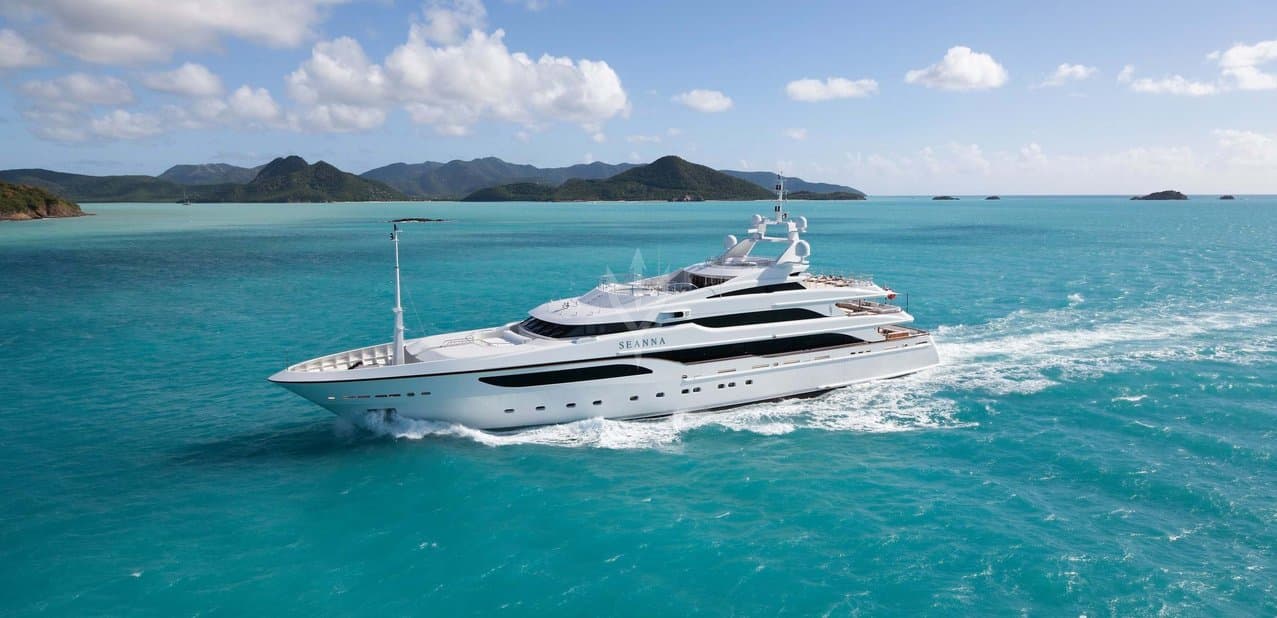
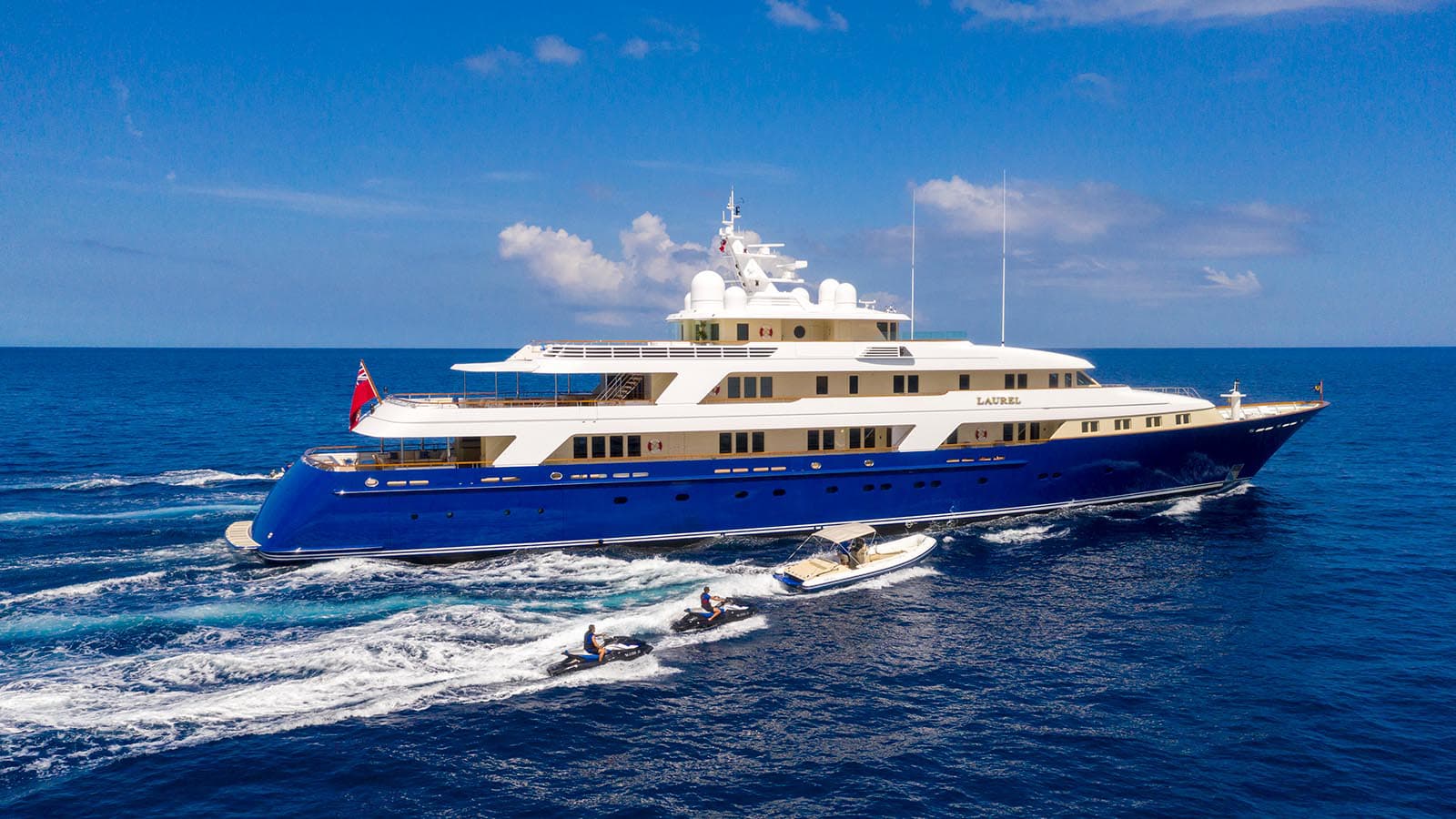
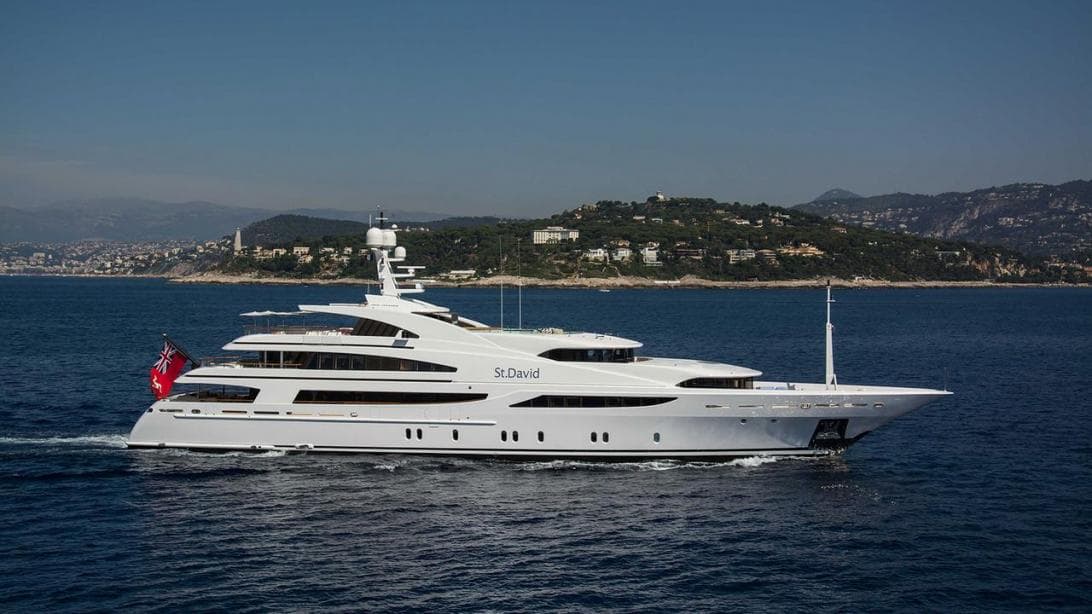
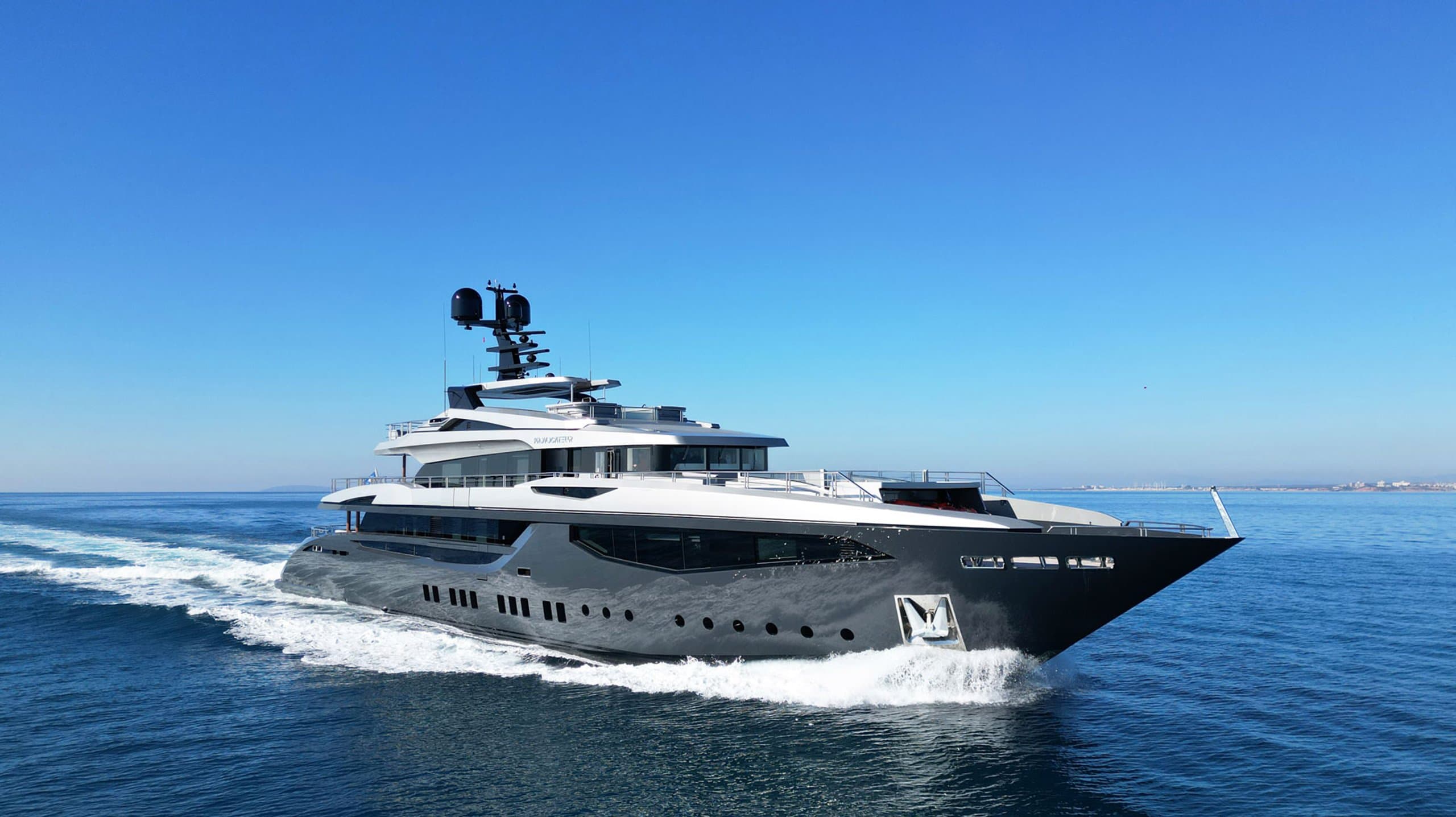
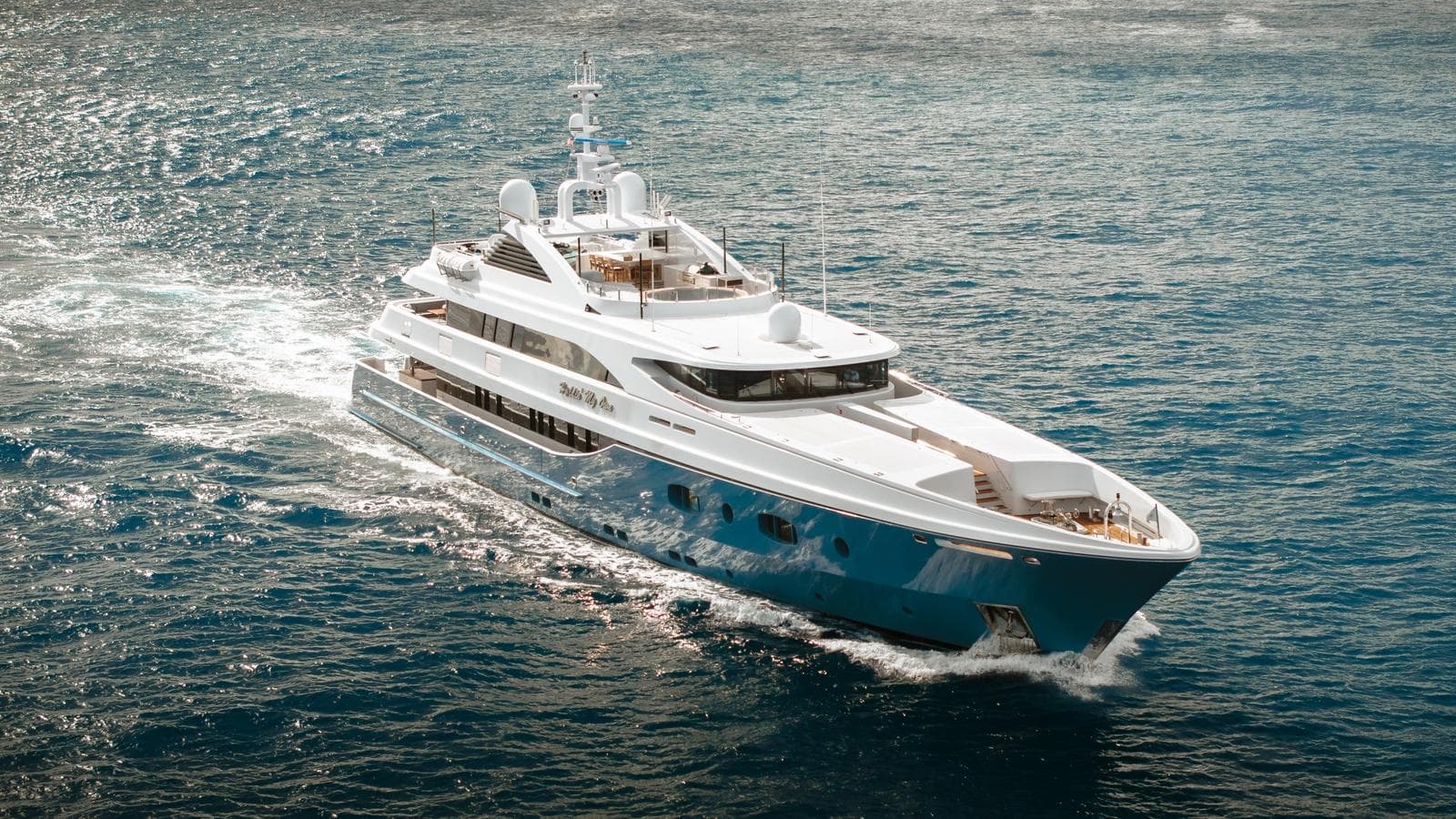
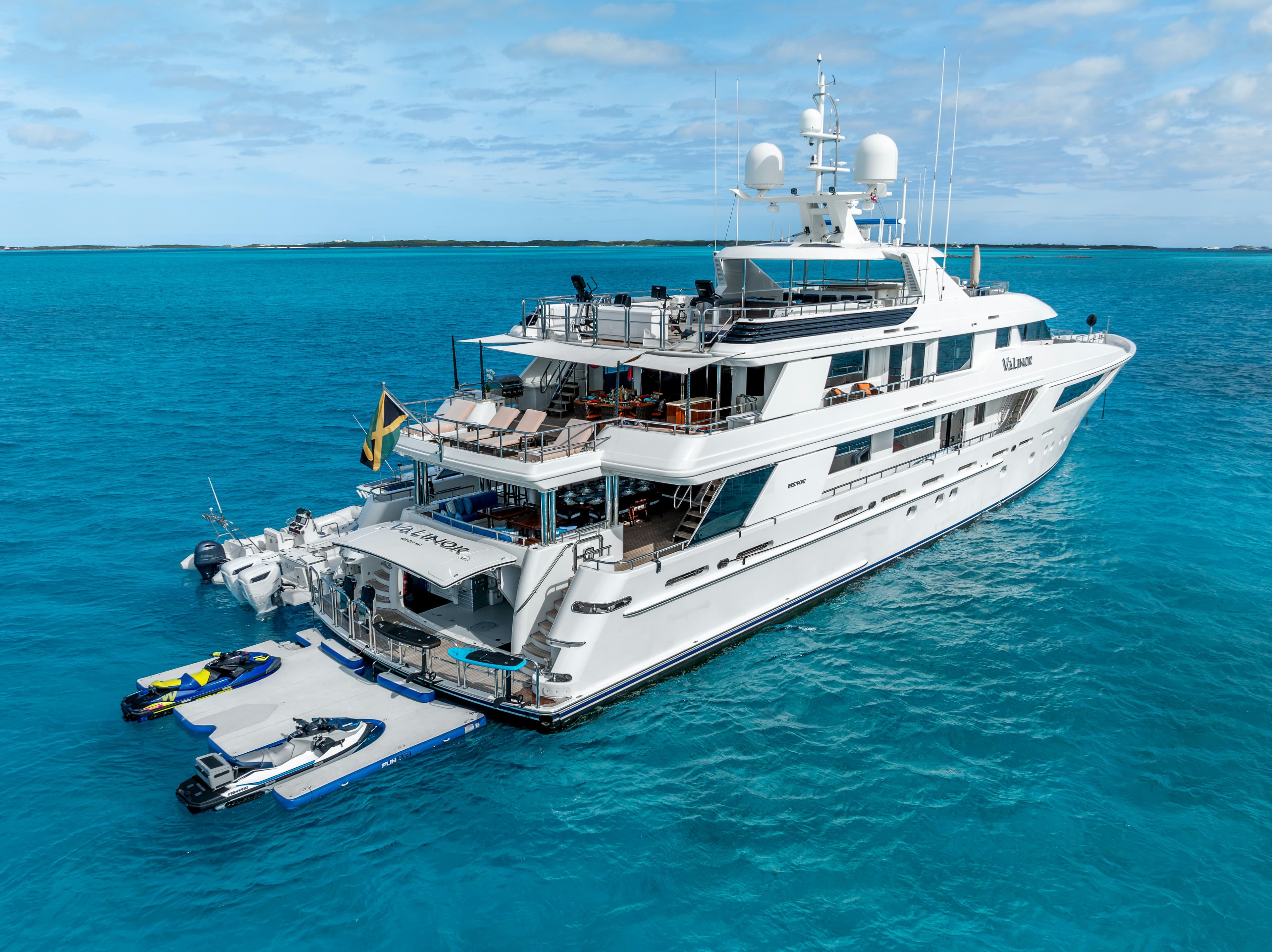
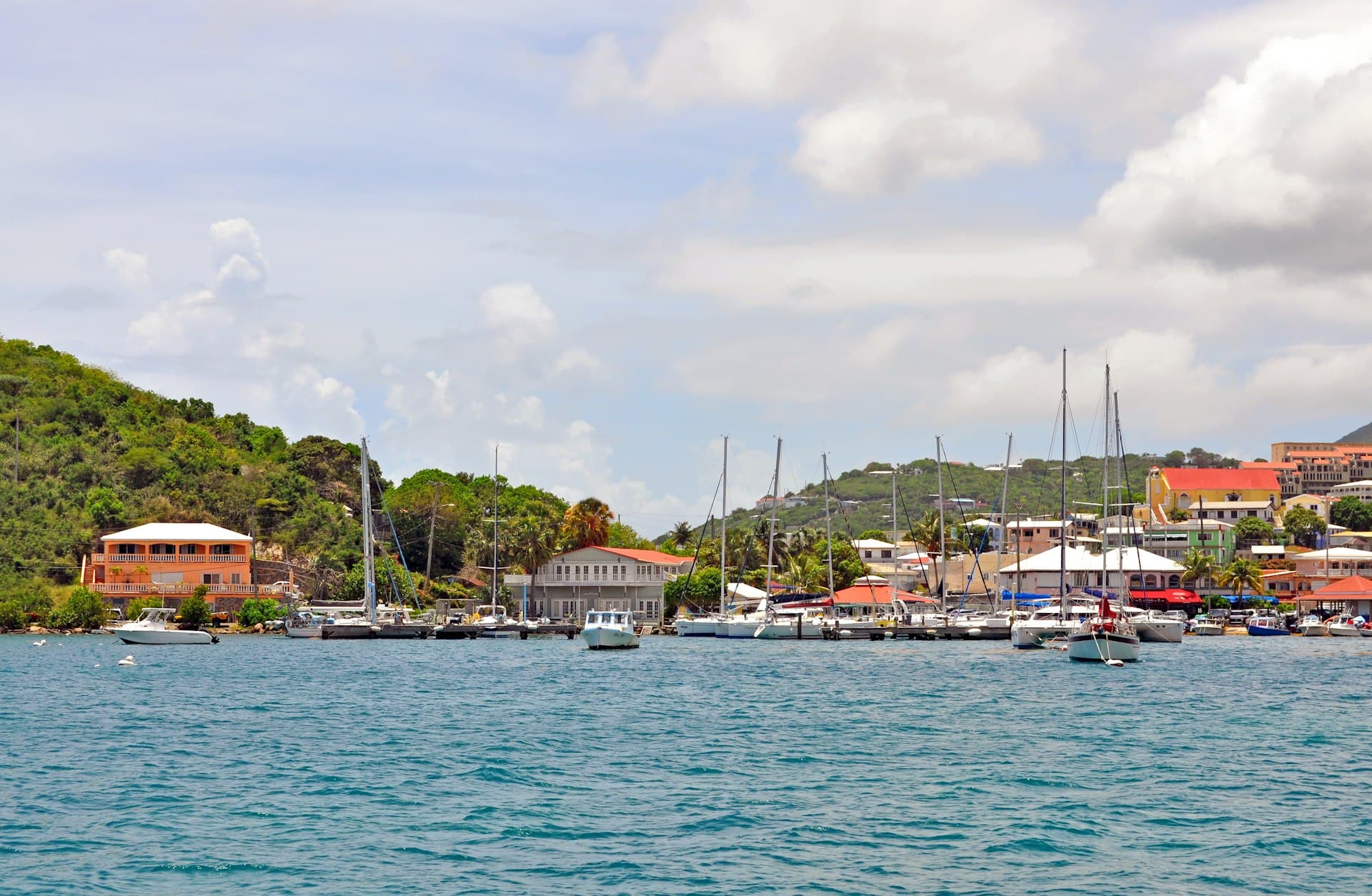
The capital and principal harbour. Gustavia accommodates yachts up to roughly 50 metres along the quay, with larger vessels anchoring in the outer harbour and tendering ashore. During the high season — particularly around New Year and the St Barts Bucket Regatta in March — the harbour becomes a floating exhibition of naval architecture. Stern-to berths along the quay place you steps from Bonito, Bagatelle, and the boutiques along Rue de la Republique.
Provisioning in Gustavia is straightforward and high-quality. French cheeses, charcuterie, wines, and fresh produce are available at several well-stocked epiceries. Fuel and water are available at the quay.
Beaches and Anchorages
Colombier
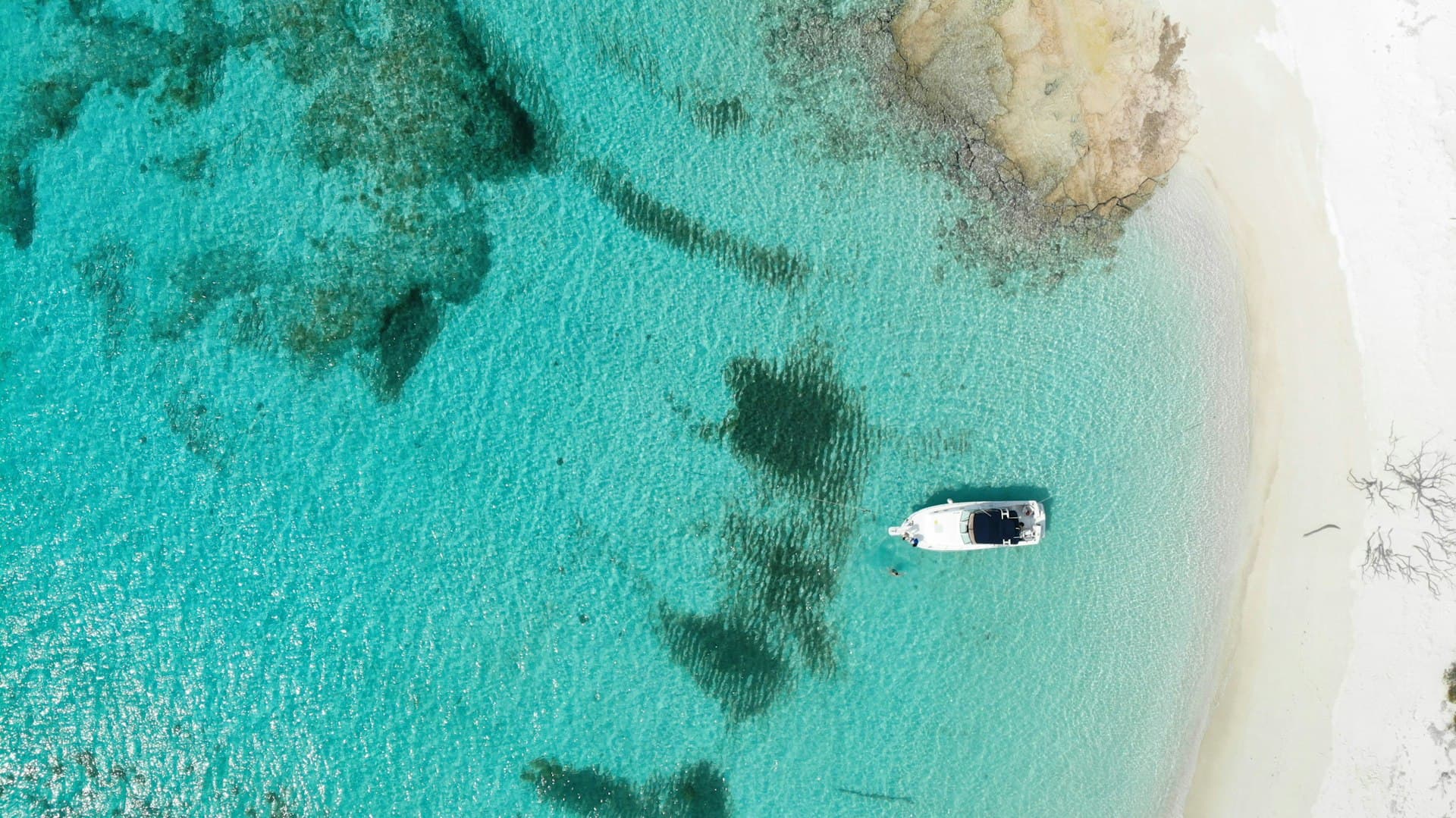
The most sought-after anchorage on the island. Colombier sits at St Barts’ northwestern tip, accessible only by sea or a 30-minute hillside trail from Flamands. The bay is sheltered from the prevailing easterlies and offers good holding in 5-8 metres over sand. Ashore, the beach is undeveloped — no bar, no road, no buildings. Arrive early; the mooring area is limited and fills by mid-morning in season.
Anse de Grande Saline
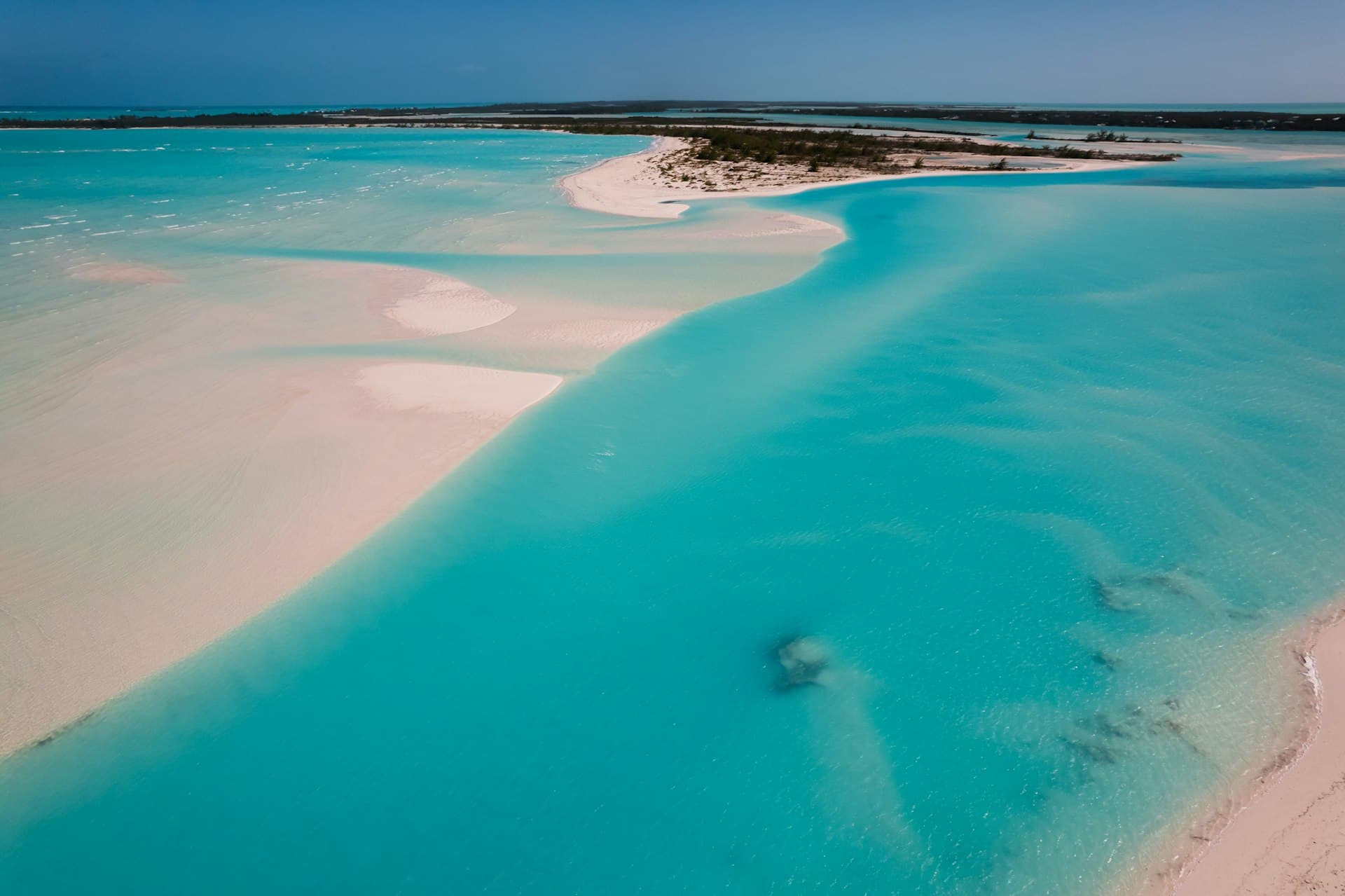
A south-facing beach backed by the old salt ponds that gave it its name. The approach from seaward can be rolly in southerly swell, but in settled conditions the water is clear and the beach is one of the least crowded on the island. No facilities — bring everything from the yacht.
Shell Beach (Anse de Grand Galet)
Just west of Gustavia, walkable from the harbour. The beach is composed of small shells rather than sand, and the swimming is calm in the lee of the headland. Shellona restaurant sits directly on the beach — grilled catch of the day, cold rose, no shoes required.
Anse du Gouverneur
South-facing and framed by steep green hillsides, Gouverneur is arguably the most photogenic beach on the island. No anchoring directly off the beach (the bottom drops away steeply), but the approach by tender from a nearby anchorage is part of the appeal.
St Martin Proximity
Most St Barts charter itineraries incorporate St Martin, 20 nautical miles to the northwest. The crossing takes 1-2 hours depending on vessel and conditions, with the prevailing northeast swell on the beam. St Martin offers a useful contrast: the Dutch side (Philipsburg) provides large-vessel marinas and duty-free shopping, while the French side (Marigot) adds its own harbourfront restaurants and a morning market. Simpson Bay Lagoon can accommodate deep-draft yachts through the bridge opening (scheduled twice daily).
A common one-week itinerary splits between St Barts and St Martin, with possible extensions to Anguilla (15 nautical miles north of St Martin) for its long, quiet beaches and reef snorkelling.
Season and Practical Detail
The St Barts season runs from November through April, with the peak concentrated around Christmas, New Year, and Carnival (usually February). The St Barts Bucket Regatta, held in mid-March, fills the harbour with racing superyachts and is worth planning around — either to attend or to avoid, depending on preference.
Trade winds blow 12-20 knots from the east-northeast through the winter months. The island’s small size means that sheltered anchorages exist for most wind directions, though southerly swells (uncommon but not rare) can make south-facing beaches uncomfortable. Water temperature is 26-28°C from December through April.
Berthing in Gustavia requires advance booking during peak weeks. We handle harbour reservations, restaurant bookings, and provisioning coordination as part of the charter planning process.