Skip to content
Seasonal Guides

May in the Mediterranean: First to the Water

6 min readBy Aris Drivas Yachting Editorial

May is when the Mediterranean opens for the season: wildflowers still on the hillsides, water at 20 to 22°C, and charter rates 20 to 40% below the July to August peak. The guests who move in May secure the best itineraries before the crowd arrives.
May in the Mediterranean: First to the Water

There is a window each year, before the charter market locks up and the anchorages fill, when the Mediterranean is at its most cooperative. That window is May. The season has started (marinas are open, crew are aboard, provisions are flowing), but the crowds that define July and August are not yet present. Water temperatures across the eastern basin reach 20 to 22°C. Rates on the same vessel that will command full high-season pricing in summer are 20 to 40 percent lower. Availability is real.

This is not a compromise. It is a different experience, and for guests who know how to read the calendar, it is the better one.

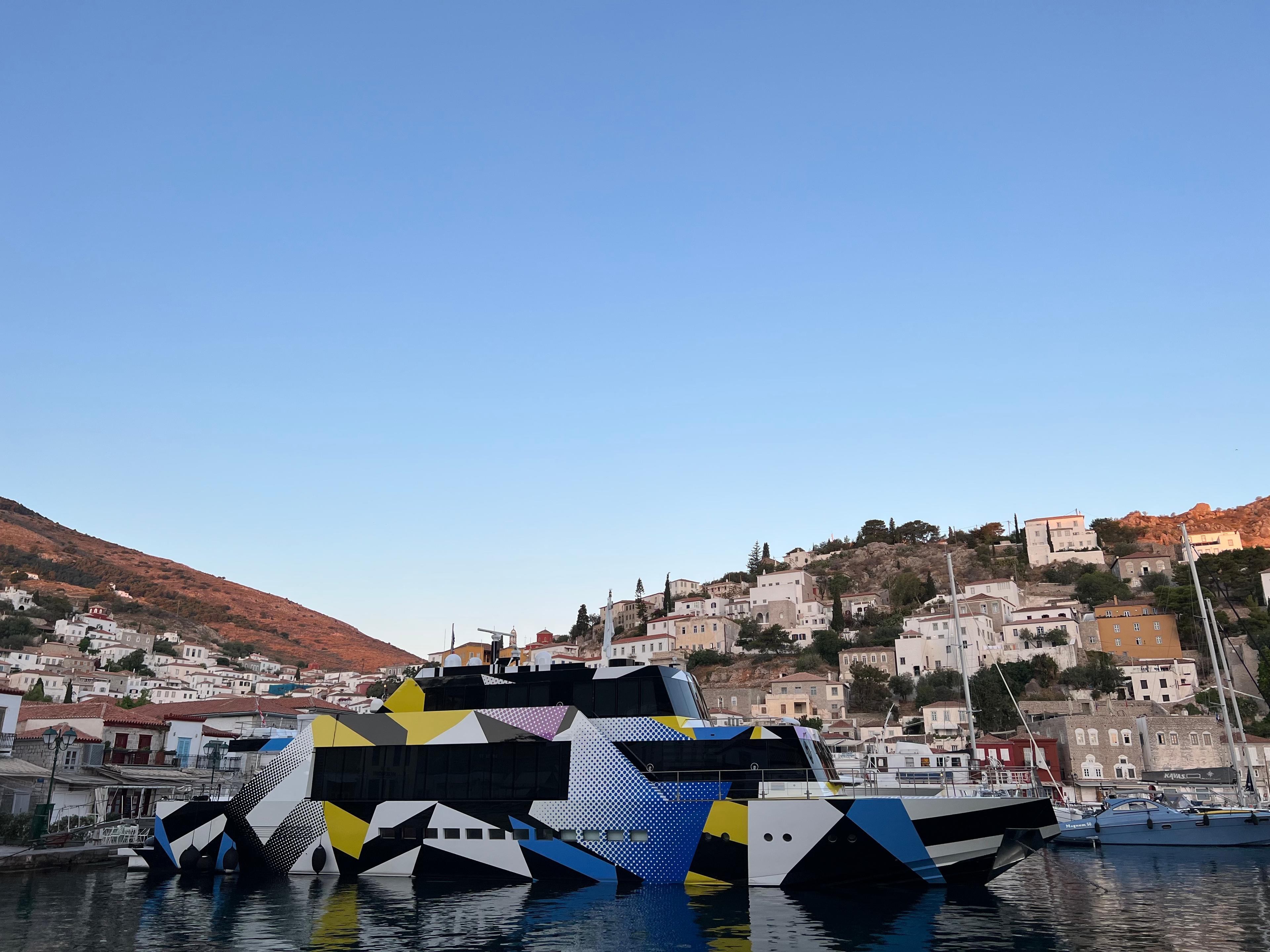
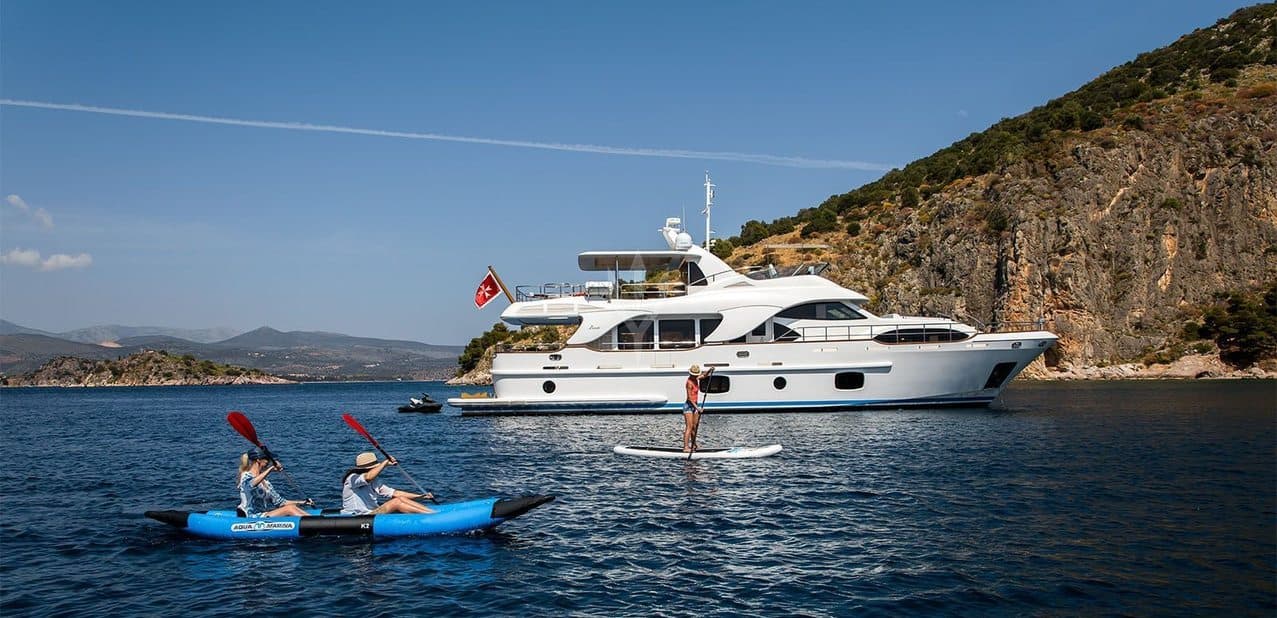
Greek Islands harbour in spring sunlight
Greece: first to the water in May

The Conditions

By the first week of May, sea surface temperatures in the Aegean and Ionian have climbed to between 19°C and 22°C: comfortable for swimming, warm enough to spend hours in the water. The eastern Mediterranean runs slightly warmer: Turkey’s Aegean and Dodecanese coasts typically reach 21 to 23°C by mid-May, while the Adriatic and the Ligurian coast sit closer to 18 to 20°C.

Wind patterns in May are among the most favourable of the entire sailing year. The Meltemi (the northerly that shapes summer sailing in the Aegean) has not yet established its peak-season intensity. In July and August it can blow Force 5 to 6 for days at a stretch, limiting day-range and requiring itinerary adjustments. In May it appears periodically, typically Force 3 to 4, providing reliable sailing conditions without constraining the programme. The Ionian, which is structurally sheltered from Etesian winds, offers its predictable north-westerly thermal pattern from the outset: morning calm, afternoon breeze, consistent through the season.

In the western Mediterranean, the Mistral is active in spring, as it is year-round, but May’s episodes are typically shorter than those of March and April. With good weather routing (standard practice for any well-run charter), the Côte d’Azur and Corsica are entirely workable.

Across all destinations, daylight runs to 14 hours by late May. That is time enough for a full day’s passage, a late afternoon at anchor, and dinner ashore.

Greece

The Ionian islands (Corfu, Lefkada, Ithaca, Kefalonia, Zakynthos) are where May sailing in Greece is most straightforward. Anchorages that see 60 or 70 vessels in August receive fewer than ten in May. The same tavernas that will have waiting lists by late June are taking walk-ins. Hillsides above the water are still green and flowering; the landscape has not yet turned the bleached ochre of high summer.

The Dodecanese (Rhodes, Kos, Patmos, Symi, Kastellorizo) run further east and correspondingly warmer, with water temperatures at the top of the May range. The crossing from Rhodes to the Turkish coast at Marmaris is 20 nautical miles. A May itinerary combining both is operationally clean: no crowds at either end, berths available on short notice, and the border crossing at Marmaris among the most efficient in the basin.

The Cyclades in May offer the circuit (Mykonos to Santorini to Folegandros to Milos) without the ferry congestion and anchor proximity that define the same passage in August.

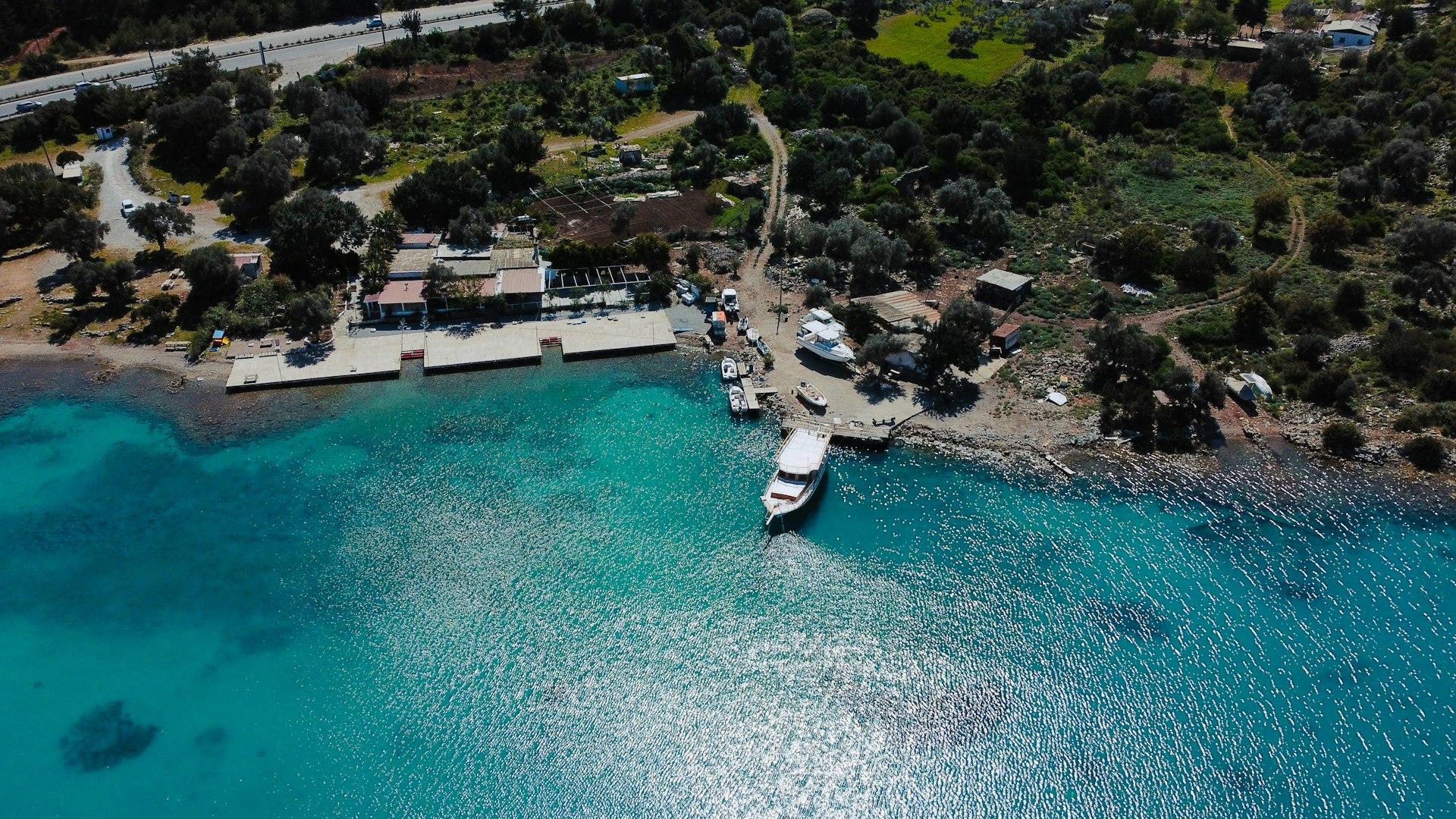
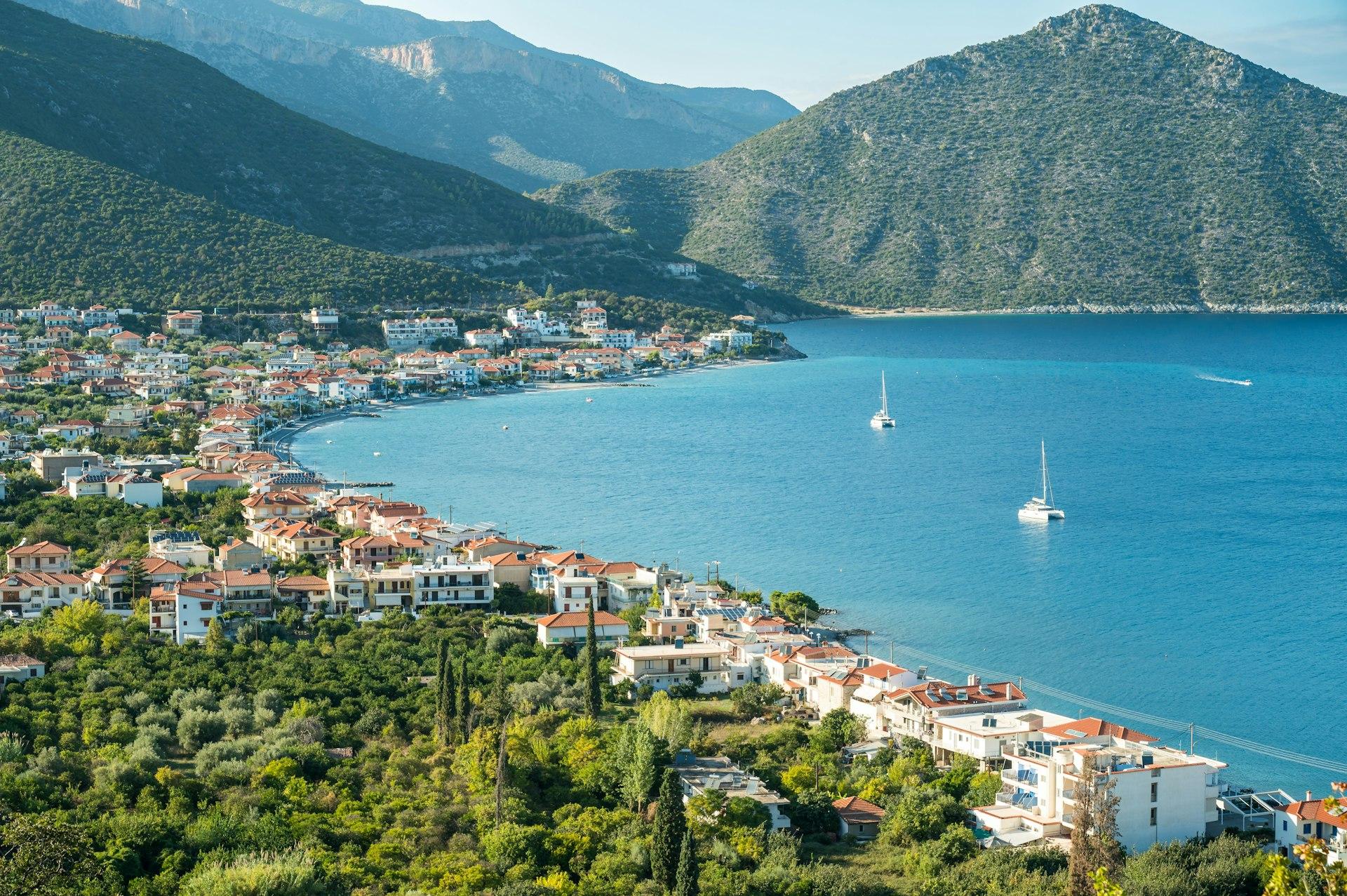
Turkish coast with turquoise bay
Turkey: the Turquoise Coast awakens

Turkey

The Turkish Aegean coast (Bodrum, Gocek, the Bozburun Peninsula) is at its best in May and October. May and October are widely considered the optimal months by operators working these waters year-round. The landscape is at peak green before the summer heat consolidates. Bodrum town, which empties its restaurants and its marina facilities across a frantic July and August, is navigable in May: berths available at D-Marin Turgutreis and Palmarina without advance waiting lists, restaurants operating at pace without the noise.

The Turquoise Coast south of Gocek (the twelve-island area, Kekova, Marmaris) is quieter still. The gulet tradition here produces some of the most carefully run vessels in the Mediterranean; May rates reflect shoulder positioning, not diminished quality.

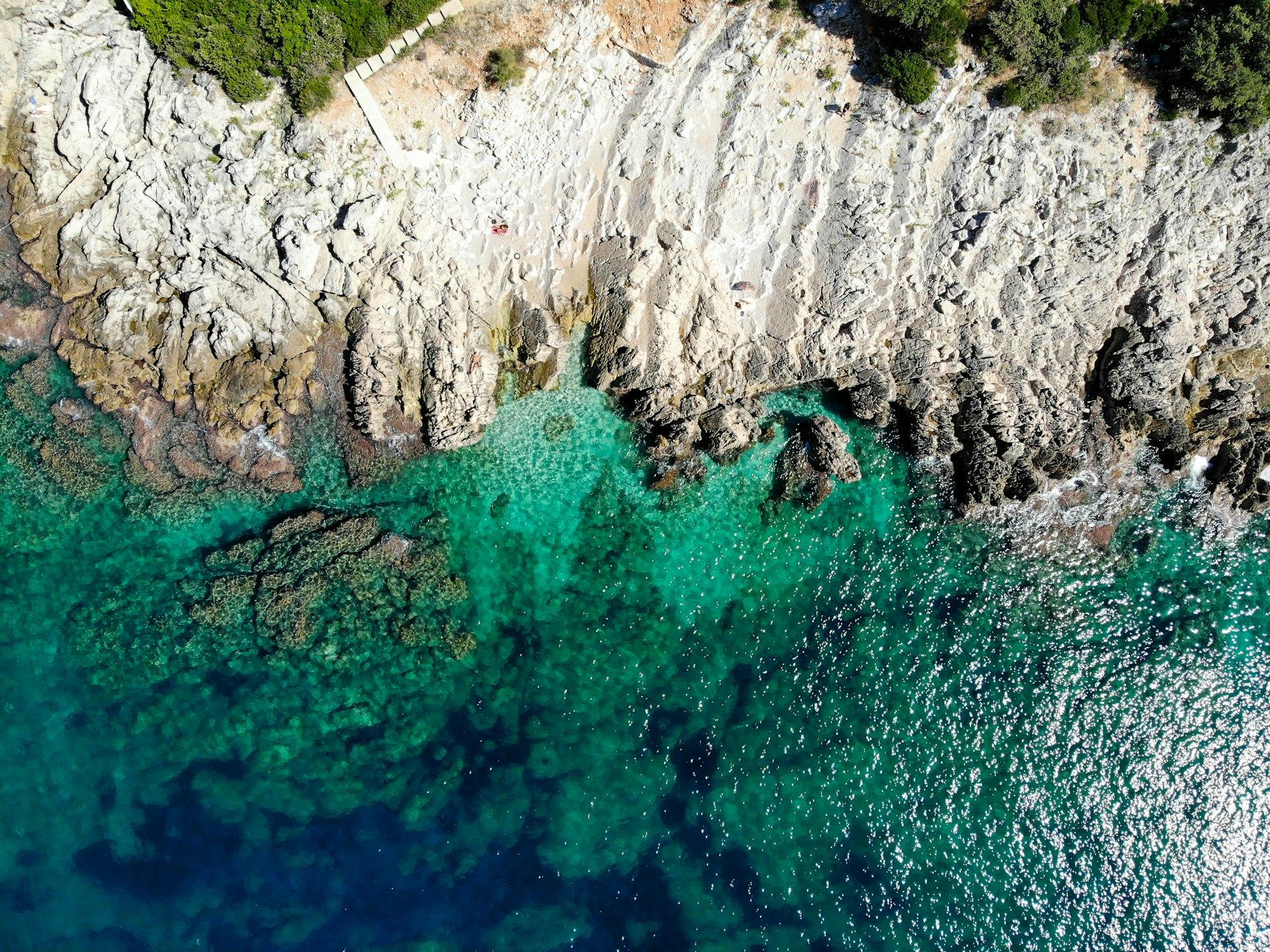
Croatian coast with blue Adriatic waters
Croatia in May

Croatia

The Dalmatian coast requires a calibrated approach in May. The Adriatic is the coolest major sailing area in the basin at this time of year, with water temperatures around 18 to 19°C in the first half of May, climbing toward 20°C by month’s end. The trade-off is the itinerary: Hvar, Korcula, Vis, the Kornati islands, and the old city of Dubrovnik receive genuine crowds from mid-June onward. In May, the same programme runs without the pedestrian density and marina queueing that accompany peak season.

The Bora (Croatia’s northerly katabatic wind) is less frequent in May than in winter and spring, but forecasts require attention. Experienced captains working these waters plan anchorages with alternatives. The sailing itself, when conditions are settled, is excellent: protected channels, short distances between islands, consistent afternoon winds.

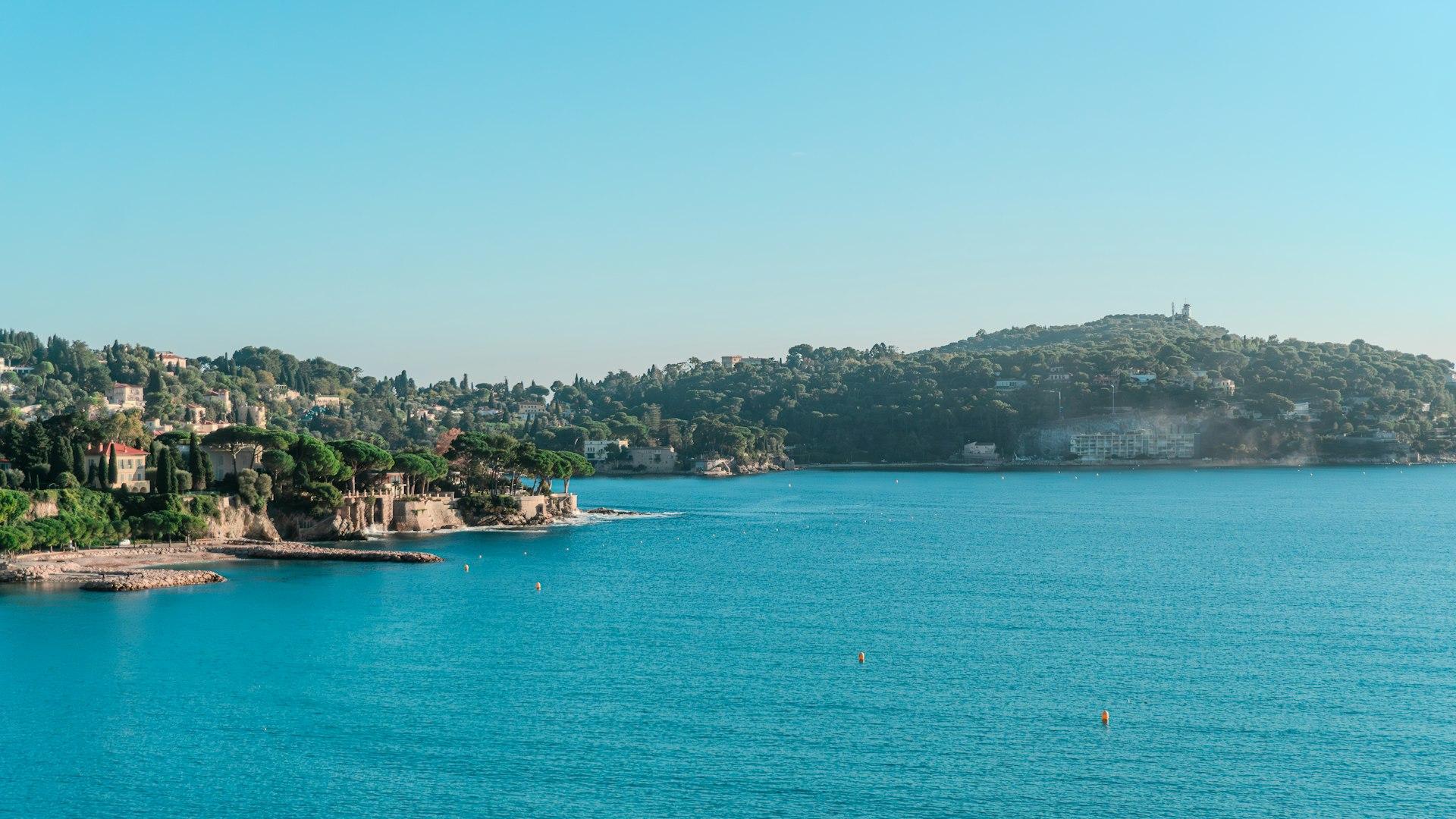
French Riviera coastline
Southern France: the season begins

Italy and Southern France

The Amalfi Coast, Sicily, and the Aeolian islands are May destinations for guests who want good Italian food and dramatic coastline before the Italian holiday season deposits its full complement of visitors. Positano’s quayside, approachable in May, becomes a different proposition by the second week of July. Marina di Stabia, on the north side of the Sorrentine Peninsula, is fully operational from May 1.

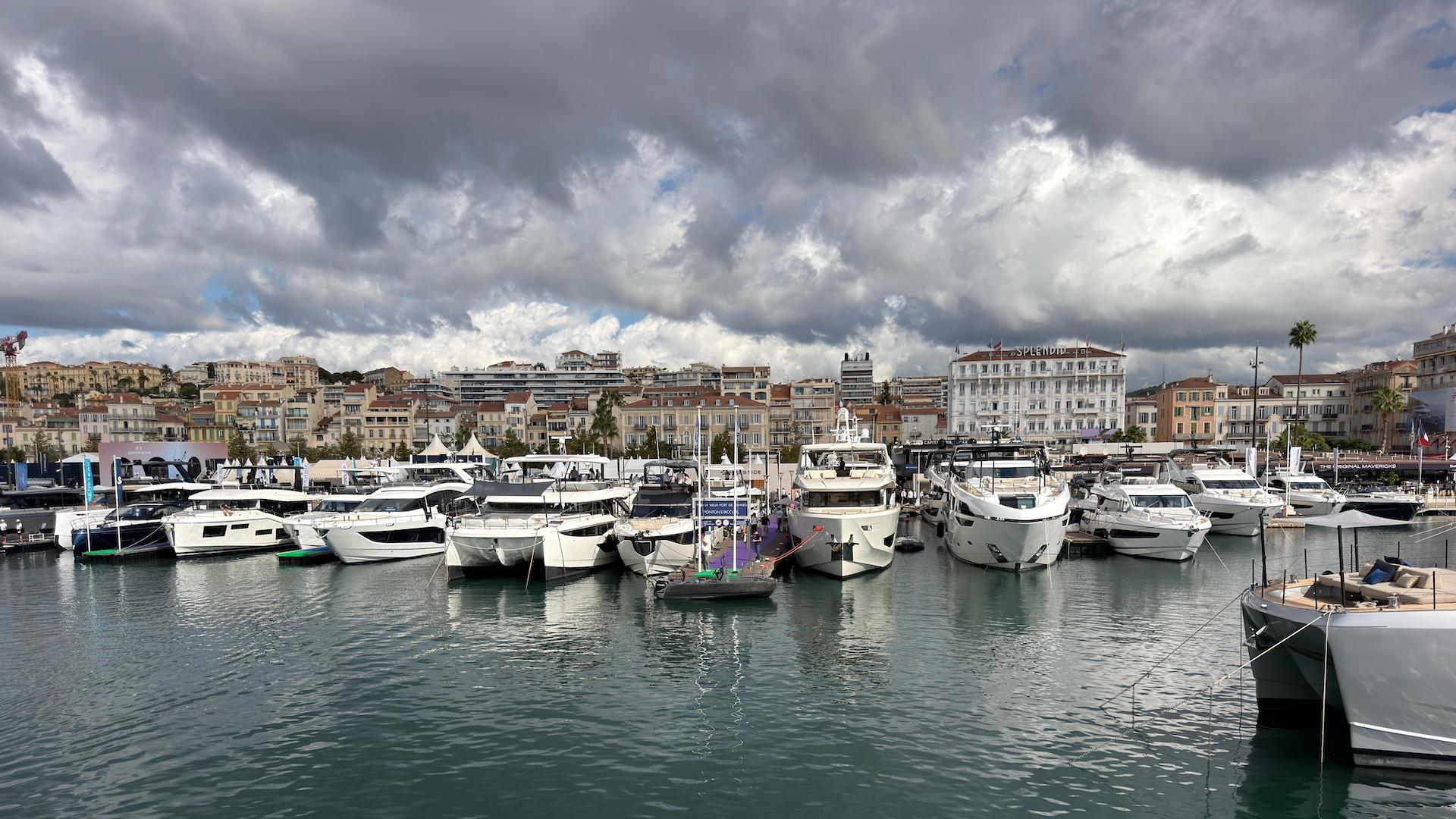
Southern France (Antibes, Saint-Tropez, Monaco) operates on a slightly different seasonal rhythm. The Cannes Film Festival runs through the second and third weeks of May, which creates a specific pressure point: berths in Cannes and nearby ports compress during that fortnight, and the town operates at a social intensity unusual for spring. Those who want to be present for the event book early and pay accordingly; those who want the coast without it arrive in the first week of May or the week after.

Saint-Tropez, whose principal harbour operates on a booking system from June through September, is accessible on shorter notice in May. The village functions; the Senequier terrace is in use; the restaurants are open.

Rate Differential

The rate differential between May and the July to August peak is consistent across the fleet: 20 to 40 percent on weekly base rate, depending on the vessel and the owner’s commercial positioning. On a vessel with a high-season base rate of €80,000 per week, a May booking at 30 percent below peak represents €24,000 in cash difference. The same crew, the same yacht, the same Aegean.

Some owners apply fixed seasonal rate bands; others price by week, meaning the differential varies. In either case, May availability is real where August is not. Preferred itinerary slots (first week of Ionian, the Cyclades circuit, the Turkish coast from Bodrum to Gocek) fill earliest. The guests who move in May book in January and February. Those who wait until April to plan May are working with what remains.

The Practical Calendar

Marinas across the basin are operational by late April. Restaurant and beach club openings follow the local season: in Greece, most Aegean destinations are fully open by the first week of May; in Croatia, the main towns open through late April with full service by mid-May; in Italy and France, the Riviera operates year-round with seasonal staffing additions from April onward.

The commitment for a May charter is identical to any other week: a central agency agreement, a base rate with the schedule of payments, APA at the industry standard of 30 to 35 percent for fuel, provisioning, and port fees. There is no seasonal complexity. The only variable is the timing of the decision.

For guests with flexibility on destination, May in the Mediterranean offers a straightforward calculation: equivalent vessel, better availability, lower rate, uncrowded anchorages, and a landscape that will not look the same again until October.

The question is whether to be first to the water, or to arrive when everyone else has already decided.

If you want to be first to the water, , and we will come back with yachts still free and their May rates.

Frequently asked questions

How much cheaper is a Mediterranean yacht charter in May than in July and August?+

A Mediterranean yacht charter in May typically costs 20 to 40% less on the weekly base rate than the July to August peak, depending on the yacht and the owner's commercial positioning. On a yacht with a high-season base rate of €80,000 per week, a May charter at 30% below peak represents €24,000 in cash difference. Some owners apply fixed seasonal rate bands while others price by week, so the differential varies.

How warm is the sea in the Mediterranean in May?+

By the first week of May, sea temperatures in the Aegean and Ionian reach 19 to 22°C, comfortable for swimming and warm enough to spend hours in the water. Turkey's Aegean and Dodecanese coasts run warmer, typically 21 to 23°C by mid-May. The Adriatic and the Ligurian coast sit closer to 18 to 20°C, with Croatian waters around 18 to 19°C in the first half of May, climbing toward 20°C by the end of the month.

What is the wind like for a yacht charter in Greece in May?+

Wind conditions in Greece in May are among the most favourable of the sailing year. The Meltemi, the northerly that shapes summer sailing in the Aegean, appears periodically in May at typically Force 3 to 4, whereas in July and August it can blow Force 5 to 6 for days at a stretch. The Ionian, structurally sheltered from the Etesian winds, follows a predictable north-westerly thermal pattern: morning calm, then an afternoon breeze.

Which Greek islands suit a yacht charter in May?+

The Ionian islands (Corfu, Lefkada, Ithaca, Kefalonia, and Zakynthos) are where May sailing in Greece is most straightforward: anchorages that see 60 or 70 vessels in August receive fewer than ten in May. The Dodecanese, including Rhodes, Kos, Patmos, Symi, and Kastellorizo, are warmer still. The Cyclades circuit from Mykonos to Santorini, Folegandros, and Milos runs in May without the ferry congestion of August.

How does the Cannes Film Festival affect a May yacht charter on the French Riviera?+

The Cannes Film Festival runs through the second and third weeks of May, and berths in Cannes and nearby ports compress during that fortnight. Guests who want to be present plan early and pay accordingly. Those who want the coast without the festival arrive in the first week of May or the week after. Saint-Tropez, whose principal harbour runs on a booking system from June through September, is accessible on shorter notice in May.

When should you plan a May yacht charter in the Mediterranean?+

Guests who charter in May typically commit in January and February, because the preferred itinerary slots fill earliest: the first week of the Ionian, the Cyclades circuit, and the Turkish coast from Bodrum to Gocek. Those who wait until April to plan a May charter are working with what remains. Even so, May availability is real where August availability is not, and marinas across the basin are operational by late April.
By Aris Drivas Yachting Editorial

Begin your journey

Speak with our team to explore charter destinations, yacht sales, or itinerary planning.